
Unlock Your Confident Smile: The World of Invisible Aligners
Are you dreaming of a straighter, more confident smile but hesitant about traditional metal braces? You're not alone. Millions of people seek discreet and effective solutions for orthodontic issues, and that's where invisible aligners come in. These revolutionary clear trays have transformed teeth straightening, offering a virtually unnoticeable way to correct a variety of dental misalignments.
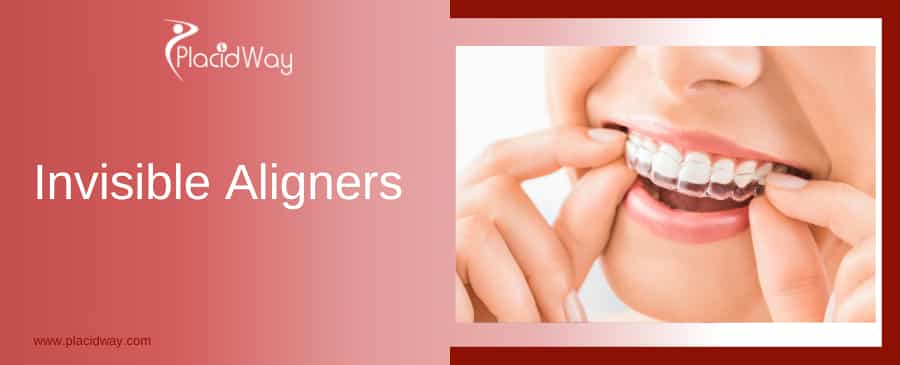
Invisible aligners are custom-made, clear plastic trays designed to gradually shift your teeth into their ideal positions. Unlike fixed braces, they are removable, allowing you to eat, brush, and floss with ease. This innovative treatment is perfect for adults and teens looking for a subtle alternative to wires and brackets.
Perhaps you've noticed your teeth are crowded, have unsightly gaps, or your bite feels off. These common symptoms of malocclusion can affect not only your appearance but also your oral health, leading to difficulties in cleaning, chewing, and even speech. The causes often range from genetics and jaw development to childhood habits or even premature tooth loss.
If you've searched for "clear aligners vs braces," "how do invisible aligners work," or "invisible aligners for adults," you're on the right track to discovering a solution that fits your lifestyle. This guide will delve deep into everything you need to know about invisible aligners, including who can benefit, what to expect, and why more and more patients are considering the remarkable value of pursuing this treatment through medical tourism.
What signs indicate you might need invisible aligners?
Many people experience dental issues that can be effectively treated with invisible aligners. Recognizing these signs is the first step toward a healthier, more aligned smile. Here are common indicators:
- Crowded Teeth: When there isn't enough space in your jaw for all your teeth, they can overlap, twist, or push against each other. This not only looks untidy but also makes cleaning difficult, increasing the risk of plaque buildup, cavities, and gum disease. If you search for "teeth crowding treatment," invisible aligners are a frequent recommendation.
- Gaps Between Teeth: Excess space between teeth, often called diastema, can occur due to genetics, missing teeth, or an oversized jaw. While sometimes aesthetic, gaps can also affect speech and make food impaction more likely. "Gap teeth treatment" often points to aligners.
- Overbite: This occurs when your upper front teeth excessively overlap your lower front teeth. A deep overbite can lead to wear on tooth enamel, gum irritation, and jaw pain.
- Underbite: The opposite of an overbite, an underbite means your lower front teeth protrude in front of your upper front teeth. This can cause chewing difficulties, speech problems, and uneven tooth wear.
- Crossbite: A crossbite happens when some upper teeth sit inside the lower teeth. This can affect proper chewing, lead to wear on specific teeth, and cause jaw strain.
- Open Bite: In an open bite, your upper and lower front teeth don't meet when your mouth is closed. This can make biting into certain foods challenging and may affect speech.
If you experience any of these "bite problems," or simply feel self-conscious about "crooked teeth," an orthodontic consultation can confirm if invisible aligners are the right solution for you.
Why do teeth become misaligned or crooked?
The reasons behind misaligned teeth, or malocclusion, are diverse and can range from inherited traits to environmental factors. Understanding the causes can help appreciate the solutions:
- Genetics and Heredity: This is a primary factor. The size of your jaw, the size of your teeth, and how they fit together are largely determined by your genes. If your parents had crowded or gapped teeth, you're more likely to experience similar issues. Inherited conditions like an "overbite underbite" or narrow jaws are very common.
- Childhood Habits: Certain habits during formative years can significantly impact dental alignment. Prolonged thumb-sucking, pacifier use beyond age three, tongue thrusting, or mouth breathing can alter jaw development and tooth positioning.
- Premature Tooth Loss: If baby teeth are lost too early due to decay or injury, the remaining teeth can shift to fill the gaps, leaving insufficient space for permanent teeth to erupt correctly. Similarly, adult tooth loss can lead to shifting of adjacent teeth.
- Dental Trauma: Accidents, falls, or sports injuries can knock teeth out of alignment or cause jaw fractures that affect bite.
- Poor Dental Hygiene: Severe gum disease can weaken the bone supporting teeth, causing them to shift or loosen.
- Impacted Wisdom Teeth: While often debated, some believe that erupting wisdom teeth can exert pressure on existing teeth, potentially contributing to crowding, though this is less common than other factors.
Regardless of the cause, addressing misalignment with treatments like invisible aligners can improve both aesthetics and function, preventing future complications.
What types of invisible aligners and clear orthodontic treatments are available?
When considering "clear aligners vs braces," it's important to know the landscape of invisible aligner options. While the core principle remains the same – a series of clear, removable trays – there are several key players and approaches:
- Invisalign: Arguably the most well-known and pioneering brand, Invisalign uses proprietary SmartTrack material for predictable tooth movement and comfortable wear. It's often recommended for a wide range of cases, from simple to more complex. Many people search for "best invisible aligners" and find Invisalign at the top.
- ClearCorrect: A strong competitor to Invisalign, ClearCorrect also offers custom-made aligners that are comfortable and effective. Their approach is similar, involving a series of trays changed every few weeks.
- Spark Aligners: Manufactured by Ormco, Spark aligners use a unique TruGEN material that is designed to be more clear, comfortable, and stain-resistant than other aligner brands, potentially offering faster tooth movement.
- Other Dentist-Led Brands: Many orthodontists and dental practices offer their own white-label or lesser-known aligner systems, often at a slightly lower cost, but still under professional supervision.
- At-Home (Direct-to-Consumer) Aligners: Brands like Candid or SmileDirectClub (though some have changed models) offer aligner treatment without in-person dentist visits, relying on impression kits and remote monitoring. While often cheaper, they are generally suitable only for very mild cases and lack the direct oversight of an orthodontist, which can lead to complications if not properly managed. It's crucial to understand the "pros and cons of clear aligners" and the implications of less direct supervision.
The best choice depends on your specific needs, the complexity of your case, and your preference for direct professional oversight versus a more DIY approach.
Am I a good candidate for invisible aligner treatment?
While invisible aligners are incredibly versatile, they aren't suitable for everyone. Your eligibility depends on several factors:
- Type and Severity of Malocclusion: Invisible aligners are highly effective for correcting:
- Crowded teeth
- Gaps between teeth
- Overbites and underbites (mild to moderate cases)
- Crossbites (mild cases)
- Open bites
- Age: While effective for teens, "invisible aligners for adults" are particularly popular due to their discreet nature. Children with mixed dentition (both baby and adult teeth) are generally not candidates.
- Oral Health: You must have healthy teeth and gums before starting aligner treatment. Any cavities, gum disease, or other dental issues must be addressed first.
- Commitment and Discipline: This is paramount. Aligners must be worn 20-22 hours per day, every day, removed only for eating, drinking (anything other than water), and brushing. Failure to adhere to this schedule will prolong treatment and affect results. You must also commit to wearing retainers after treatment to maintain your new smile.
- No Dental Appliances: If you have dental bridges or other fixed dental appliances that span multiple teeth, aligners may not be suitable as they need to move individual teeth freely.
A thorough consultation with an orthodontist, including X-rays and digital scans, will determine if you're a good candidate.
What should I expect during the invisible aligner recovery and treatment process?
Dental Tourism | Cosmetic Dentistry | Implants | Root Canals | Dentures | Bridges | Orthodontics | Dental Holidays Abroad
Invisible Aligners Abroad
About Sub Treatment
- Treatment: Dentistry
- Overview: Discover clear invisible aligners for a straighter smile. Explore affordable treatment options and top dental clinics worldwide through medical tourism.




.png)
.png)
.png)
.png)



.png)
.png)
.png)
-(11).png)












Share this listing