
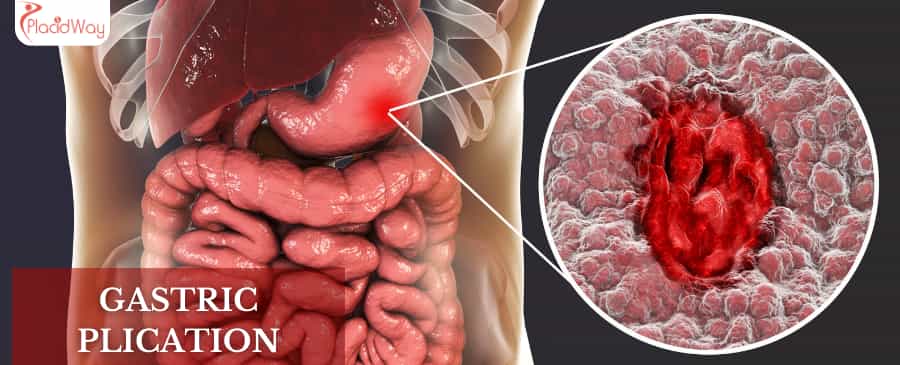
Unlock a Healthier You: Exploring Gastric Plication for Sustainable Weight Loss
Embarking on a journey towards a healthier weight is a profound decision, especially when considering surgical options. For many, obesity isn't just about appearance; it's a battle against debilitating health conditions, reduced quality of life, and the emotional toll of carrying excess weight. If you've explored various diet and exercise programs without lasting success, and are looking for a significant, sustainable change, Gastric Plication might be the solution you've been searching for.
Also known as "stomach folding surgery" or "Laparoscopic Greater Curvature Plication (LGCP)," Gastric Plication is an innovative bariatric procedure that permanently reduces the size of your stomach without removing any tissue or using implants. Imagine your stomach as a large balloon; with plication, a surgeon effectively folds a significant portion of it inward and sutures it in place, creating a much smaller pouch. This limits food intake and promotes earlier satiety, helping you achieve and maintain significant weight loss.
This procedure is gaining popularity worldwide, particularly within the medical tourism sector, as patients seek high-quality, affordable solutions. It offers a unique blend of effectiveness and a less invasive approach compared to other bariatric surgeries. This guide will walk you through everything you need to know about Gastric Plication, from understanding its mechanics and eligibility to recovery, risks, and why so many choose to have it done abroad.
What is Gastric Plication, and how does this "stomach folding" procedure help with weight loss?
Gastric Plication is a restrictive weight loss surgery performed laparoscopically, meaning it uses small incisions and a camera. During the procedure, the surgeon meticulously folds a large portion of the stomach's outer curve (the greater curvature) inwards. These folds are then secured with multiple rows of permanent sutures, effectively creating a much smaller, tube-shaped stomach similar in size to what’s achieved with a sleeve gastrectomy, but without tissue removal.
The primary mechanism for weight loss is simple: with a smaller stomach, you physically cannot eat as much food. This leads to reduced calorie intake and, consequently, weight loss. The procedure also influences hormonal signals related to hunger and satiety, helping patients feel full quicker and for longer periods. Unlike procedures like the gastric sleeve, gastric plication is potentially reversible, as no stomach tissue is removed. This makes it an appealing option for individuals who might be hesitant about permanent alterations to their digestive system.
Patients often search for "how does stomach folding surgery work" or "is gastric plication effective?" The answer lies in its ability to significantly reduce stomach capacity, forcing a change in eating habits and promoting satiety. It’s considered a less invasive alternative to some other bariatric surgeries.
What are the common symptoms and serious health risks linked to obesity?
Obesity is a complex chronic disease defined by excessive body fat, typically measured by a Body Mass Index (BMI) of 30 or higher. The symptoms and health risks associated with obesity extend far beyond cosmetic concerns, profoundly impacting one's quality of life and longevity. If you're struggling with obesity, you might recognize these common symptoms:
- Physical Discomfort: Persistent joint pain (especially in knees, hips, and back), difficulty with mobility, shortness of breath even with minimal exertion, and increased sweating.
- Fatigue and Sleep Issues: Chronic tiredness, reduced energy levels, and sleep apnea (where breathing repeatedly stops and starts during sleep).
- Skin Problems: Rashes, infections, and skin folds.
- Mental Health: Higher rates of depression, anxiety, and low self-esteem due to societal stigma and physical limitations.
Beyond these noticeable symptoms, obesity is a significant risk factor for a plethora of severe health conditions. Patients often search for "obesity health problems" or "risks of high BMI." These include:
- Type 2 Diabetes: Obesity is the leading cause, as it impairs the body's ability to use insulin effectively.
- Heart Disease and Stroke: Increased risk due to high blood pressure, high cholesterol, and atherosclerosis (hardening of the arteries).
- High Blood Pressure (Hypertension): The heart has to work harder to pump blood throughout the body.
- Certain Cancers: Including colon, breast, endometrial, kidney, and liver cancers.
- Gallbladder Disease: Increased risk of gallstones.
- Osteoarthritis: The extra weight puts more pressure on joints, leading to cartilage breakdown.
- Non-alcoholic Fatty Liver Disease (NAFLD): Accumulation of fat in the liver.
Addressing obesity through procedures like Gastric Plication is not just about weight loss; it's about reclaiming health, extending life expectancy, and significantly improving overall well-being by mitigating these serious risks.
What causes obesity, and what factors make sustained weight loss challenging?
The causes of obesity are multifaceted, extending far beyond simple dietary choices or lack of exercise. It's a complex condition influenced by a combination of genetics, environment, lifestyle, and physiological factors. Understanding these can help explain why "losing weight is so hard" for many individuals:
- Genetics: Our genes play a significant role in how our bodies store fat, regulate metabolism, and control appetite. Some individuals are genetically predisposed to gain weight more easily.
- Diet and Lifestyle: A diet high in processed foods, unhealthy fats, and sugars combined with a sedentary lifestyle (lack of physical activity) is a major contributor. Easy access to calorie-dense, nutrient-poor foods in modern society exacerbates this.
- Hormonal Imbalances: Conditions like hypothyroidism (underactive thyroid), Polycystic Ovary Syndrome (PCOS), and Cushing's syndrome can lead to weight gain. Hormones that regulate appetite, such as leptin and ghrelin, can also be dysregulated in obese individuals.
- Certain Medications: Some medications, including antidepressants, steroids, and beta-blockers, can cause weight gain as a side effect.
- Psychological Factors: Emotional eating, stress, anxiety, and depression can lead to overeating as a coping mechanism. Poor sleep can also disrupt hormones that regulate appetite.
- Environmental and Societal Factors: Factors like food deserts (lack of access to healthy food), urban design that discourages walking, and widespread marketing of unhealthy foods contribute to the obesity epidemic.
Sustained weight loss is challenging because the body's physiological responses often resist changes in weight. When you lose weight, your body can interpret it as starvation, leading to a decrease in metabolism and an increase in hunger-inducing hormones, making it harder to keep the weight off. This is where medical interventions like Gastric Plication can provide the necessary tool to override these biological mechanisms and facilitate lasting change.
Who is an ideal candidate for Gastric Plication, and what are the eligibility requirements?
Determining eligibility for any weight loss surgery, including Gastric Plication, involves a comprehensive evaluation by a medical team. The goal is to ensure the procedure is safe and appropriate for your individual health profile and weight loss goals. Patients often ask, "Am I a good candidate for stomach folding surgery?" or "Who qualifies for gastric plication?" Here are the general criteria:
- Body Mass Index (BMI):
- Typically, a BMI of 30 to 40 kg/m² with obesity-related health conditions (like Type 2 diabetes, high blood pressure, sleep apnea).
- Some surgeons may consider patients with a BMI slightly higher than 40 if other conditions apply, or lower (e.g., 27-29) in certain severe cases.
- Failure of Traditional Weight Loss Methods: You should have a documented history of trying to lose weight through supervised diet and exercise programs without significant, sustained success.
- Commitment to Lifestyle Changes: A willingness to adopt significant and permanent dietary changes, regular physical activity, and attend follow-up appointments is crucial for long-term success.
- Good General Health: While obesity brings health issues, you should be medically fit enough to undergo general anesthesia and surgery. A thorough medical evaluation will assess your heart, lung, and overall organ function.
- No Severe Psychological Conditions: Patients should not have untreated psychological conditions, active substance abuse issues, or eating disorders that could compromise their ability to adhere to post-operative guidelines.
- Absence of Certain Gastrointestinal Conditions: Conditions like severe GERD (gastroesophageal reflux disease), large hiatal hernia, or certain stomach ulcers might contraindicate the procedure.
- Understanding of Risks and Benefits: A clear understanding of the procedure, its potential benefits, risks, and the commitment required for successful outcomes.
A detailed consultation with a bariatric surgeon and a multidisciplinary team (including a dietitian and psychologist) is essential to confirm your candidacy for Gastric Plication.
What should I expect during the recovery process after Gastric Plication surgery?
Recovery after Gastric Plication is generally smoother and quicker than more invasive bariatric surgeries due to its laparoscopic nature and lack of tissue removal. However, it still requires careful adherence to post-operative instructions to ensure proper healing and long-term success. Patients often ask, "What is gastric plication recovery like?" or "How long until I feel normal after stomach folding surgery?"
Here’s a typical recovery timeline and what to expect:
- Immediate Post-Op (Hospital Stay: 1-3 days):
- You'll likely feel some pain and discomfort at the incision sites and potentially some nausea, managed with medication.
- The medical team will monitor your vital signs, pain levels, and ensure you can tolerate clear liquids.
- Early ambulation (walking around) is encouraged to prevent blood clots and promote healing.
- First 2-4 Weeks (At Home):
- Diet Progression: This is the most critical phase for dietary changes. You'll start with clear liquids, gradually moving to full liquids, pureed foods, and then soft foods over several weeks. Your surgeon and dietitian will provide a detailed plan. This diet progression allows your stomach to heal and adapt to its new size.
- Activity: Avoid heavy lifting and strenuous activities. Light walking is encouraged. You might be able to return to light desk work within 1-2 weeks, but full recovery and return to normal activities usually take 2-4 weeks.
- Pain Management: Mild to moderate pain and discomfort may persist, managed with prescribed pain medication.
- Beyond 1 Month:
- You'll gradually transition to a healthy, solid food diet, focusing on lean protein, vegetables, and whole grains. Portion control will be essential.
- Regular exercise can be gradually reintroduced.
- Follow-up appointments with your medical team and dietitian are crucial to monitor progress, address concerns, and fine-tune your long-term plan.
Remember, Gastric Plication is a tool, not a cure. Long-term success hinges on your commitment to permanent dietary and lifestyle modifications. You’ll need to eat smaller portions, chew thoroughly, eat slowly, and focus on nutrient-dense foods. Hydration is key, but avoid drinking with meals to prevent feeling overly full or diluting stomach acids.
What are the potential risks, complications, and side effects of Gastric Plication?
Like any surgical procedure, Gastric Plication comes with potential risks and complications, although it is generally considered less risky than some other bariatric surgeries because it does not involve cutting or removing stomach tissue. It's important to have a thorough discussion with your surgeon about these possibilities. Patients often search for "is gastric plication safe?" or "gastric plication complications."
Potential risks and side effects include:
- General Surgical Risks: These apply to any surgery and include:
- Bleeding
- Infection at incision sites
- Adverse reaction to anesthesia
- Blood clots (deep vein thrombosis or pulmonary embolism)
- Procedure-Specific Complications:
- Suture Line Leak: Although rare, there's a risk of leakage from the staple or suture lines, which can be a serious complication requiring further intervention.
- Suture Breakdown/Failure: The sutures holding the stomach folds might loosen or break over time, leading to the stomach returning to its original size and potential weight regain.
- Stenosis (Narrowing): Excessive tightening of the plication can lead to a stricture, making it difficult for food to pass through and causing persistent vomiting.
- Nausea and Vomiting: Common in the initial recovery phase, but persistent or severe vomiting could indicate a problem with the plication or difficulty adapting to the new stomach size.
- Heartburn (GERD): Some patients may experience new or worsened acid reflux.
- Abdominal Pain: Persistent or severe pain beyond the initial recovery period.
- Long-Term Considerations:
- Weight Regain: While effective, weight regain is possible if patients do not commit to lifelong dietary and lifestyle changes. The stomach can stretch over time.
- Nutritional Deficiencies: Although less common than with malabsorptive surgeries, altered eating habits can lead to deficiencies in vitamins and minerals if not properly monitored and supplemented.
It's crucial to follow your surgeon's pre- and post-operative instructions diligently and report any unusual symptoms immediately. A good medical team will provide detailed guidance to minimize these risks.
How do Gastric Plication costs compare worldwide, and what factors influence pricing?
The cost of Gastric Plication is a significant factor for many patients, especially when insurance coverage is limited or non-existent. This is a primary driver for the growing trend of medical tourism for weight loss surgeries. Patients often search for "gastric plication cost abroad" or "how much does stomach folding surgery cost."
Here's a general comparison of Gastric Plication costs (all prices are estimates and can vary widely):
| Region/Country | Estimated Cost Range (USD) | Key Influencing Factors |
|---|---|---|
| USA / Canada | $12,000 - $25,000+ | High operational costs, specialist fees, advanced technology, extensive pre/post-op care. |
| Western Europe (UK, Germany) | $10,000 - $20,000+ | Similar to North America but can be slightly less, depending on healthcare system and private vs. public. |
| Mexico | $5,000 - $8,000 | Lower cost of living, competitive medical market, proximity for North American patients. |
| Turkey | $6,000 - $9,000 | Favorable exchange rates, government support for medical tourism, high-volume clinics. |
| India | $5,500 - $9,500 | Very low operational costs, highly skilled surgeons, large medical tourism infrastructure. |
| Colombia | $6,000 - $9,000 | Emerging medical tourism destination, competitive pricing, quality care. |
Factors influencing the final price include:
- Surgeon's Fees: Highly experienced or renowned surgeons may charge more.
- Hospital/Clinic Charges: These include operating room time, facility fees, and length of stay.
- Anesthesiologist Fees: Cost of anesthesia administration.
- Pre-operative Tests: Blood work, imaging, cardiology evaluations.
- Post-operative Care: Follow-up consultations, dietitian support, and medications.
- Location: Economic conditions and cost of living in the country/city.
- Inclusions: Some packages include accommodation, transfers, or even a mini-vacation, while others are "surgery only."
When considering costs, it's vital to get a comprehensive quote that includes all aspects of the procedure and follow-up care to avoid hidden fees, especially when traveling abroad.
Why is medical tourism a popular choice for patients seeking Gastric Plication?
The decision to travel abroad for medical treatment, particularly for a life-changing procedure like Gastric Plication, is driven by several compelling reasons. Many patients ask, "Why go abroad for weight loss surgery?" or "Is gastric plication overseas a good idea?"
- Significant Cost Savings: This is often the primary motivator. As seen in the cost comparison table, Gastric Plication can be dramatically more affordable in countries like Mexico, Turkey, India, and Colombia compared to the USA, Canada, or Western Europe. These savings can range from 50% to 70%, making life-changing surgery accessible to those without adequate insurance coverage or substantial savings.
- Access to Immediate Care and Shorter Wait Times: In some countries, public healthcare systems have long waiting lists for bariatric surgeries. Traveling abroad allows patients to bypass these delays and receive treatment promptly, preventing further health deterioration.
- High-Quality Care and Expertise: Many medical tourism destinations boast world-class facilities and internationally trained surgeons who are highly experienced in bariatric procedures. These clinics often adhere to international accreditation standards, ensuring patient safety and quality outcomes.
- Privacy and Discretion: For some, the ability to undergo a significant personal transformation away from their home country offers a sense of privacy and discretion during the initial recovery phase.
- Integrated Packages and Personalized Experience: Many clinics catering to medical tourists offer all-inclusive packages that cover the surgery, hospital stay, pre-operative tests, post-operative care, airport transfers, and sometimes even accommodation, providing a seamless and stress-free experience.
- Opportunity for a "Healing Vacation": While the primary goal is surgery, many patients appreciate the chance to recover in a pleasant environment, combining their medical journey with a cultural experience, even if limited to the immediate vicinity of the hospital.
Choosing medical tourism for Gastric Plication can be a financially prudent and medically sound decision, provided proper research and planning are undertaken.
Which international destinations offer the best value and quality for Gastric Plication?
When searching for "best countries for gastric plication" or "affordable weight loss surgery abroad," certain destinations consistently rise to the top due to their blend of affordability, quality, and robust medical tourism infrastructure. These countries have invested heavily in healthcare, attracting highly skilled medical professionals and offering state-of-the-art facilities.
- Mexico:
- Why: Proximity to the USA, significantly lower costs, numerous accredited clinics (especially in border cities like Tijuana, and metropolitan areas like Guadalajara). Surgeons often have US training and certifications.
- Value Proposition: Excellent balance of cost-effectiveness and quality, making it a favorite for North American patients.
- Turkey:
- Why: A burgeoning medical tourism hub, particularly in Istanbul and Antalya. Offers highly competitive prices, modern hospitals equipped with the latest technology, and experienced surgeons. Many clinics provide all-inclusive packages.
- Value Proposition: High quality at very attractive prices, coupled with excellent service and often luxurious facilities.
- India:
- Why: Known for its highly skilled medical professionals, many trained in Western countries, and advanced medical infrastructure. Costs are among the lowest globally.
- Value Proposition: Exceptional affordability with access to highly specialized care, though travel time for Western patients is longer.
- Colombia:
- Why: Emerging as a strong contender in medical tourism, especially in cities like Bogota and Medellín. Offers quality care at competitive prices, with a growing number of internationally accredited hospitals.
- Value Proposition: Good quality care and pricing for South American and North American patients, with a focus on personalized service.
When selecting a destination, always look for clinics and surgeons with international accreditations (e.g., JCI – Joint Commission International), transparent pricing, and positive patient testimonials. A reputable medical tourism facilitator can also guide you through this process.
What steps can I take to ensure a safe, high-quality, and successful Gastric Plication experience abroad?
Undertaking a medical journey abroad requires careful planning and due diligence to ensure both safety and successful outcomes. Patients often ask, "How to find a safe gastric plication abroad?" or "What to expect when traveling for stomach folding surgery?" Here's a checklist for a positive experience:
- Thorough Research of Clinics and Surgeons:
- Accreditation: Look for international accreditations like Joint Commission International (JCI), which signify high standards of patient care and safety.
- Surgeon's Credentials: Verify the surgeon's qualifications, experience in bariatric surgery (specifically Gastric Plication), and professional affiliations. Ask for their number of procedures performed.
- Patient Reviews & Testimonials: Read reviews and watch video testimonials from previous international patients. Look for consistent positive feedback.
- Utilize a Reputable Medical Tourism Facilitator (like PlacidWay):
- These services connect you with vetted clinics and surgeons, handle logistics (travel, accommodation, appointments), and provide support throughout your journey. They act as an advocate for you.
- Comprehensive Communication and Pre-Assessment:
- Ensure clear communication with the medical team. This often involves virtual consultations where you can ask questions, discuss your medical history, and understand the procedure in detail.
- Undergo all required pre-operative tests and send results to the clinic for assessment before travel.
- Understand the Full Cost:
- Obtain a detailed, itemized quote that includes all aspects: surgeon's fees, anesthesia, hospital stay, medication, follow-up consultations, and any recommended pre/post-op care. Clarify what's *not* included.
- Travel and Accommodation Logistics:
- Plan your flights and ensure you have comfortable, accessible accommodation for your recovery period. Consider factors like wheelchair access if needed.
- Arrange for airport transfers, often provided by the clinic or facilitator.
- Ensure you have a valid passport and understand any visa requirements.
- Prepare for Recovery:
- Understand the expected recovery timeline, post-operative diet, and activity restrictions.
- Discuss arrangements for post-operative follow-up care once you return home with both your local doctor and the international clinic.
- Have a support person travel with you if possible, especially for the initial recovery.
- Insurance and Emergency Planning:
- Clarify if your local health insurance covers any part of overseas treatment or complications. Consider purchasing travel insurance with medical coverage.
- Understand the clinic's emergency protocols and communication channels.
By taking these steps, you significantly increase your chances of a safe, high-quality, and successful Gastric Plication journey, leading to a healthier and happier you. Many patients have shared their transformative "gastric plication reviews" highlighting the success stories achieved through this diligent approach to medical tourism.
Take the Next Step with PlacidWay
Ready to explore treatment options abroad? Discover top clinics, compare prices, and get a free quote tailored to your needs with PlacidWay.
Affordable Obesity Surgery Abroad | Best Bariatric Surgery








.png)








Share this listing