
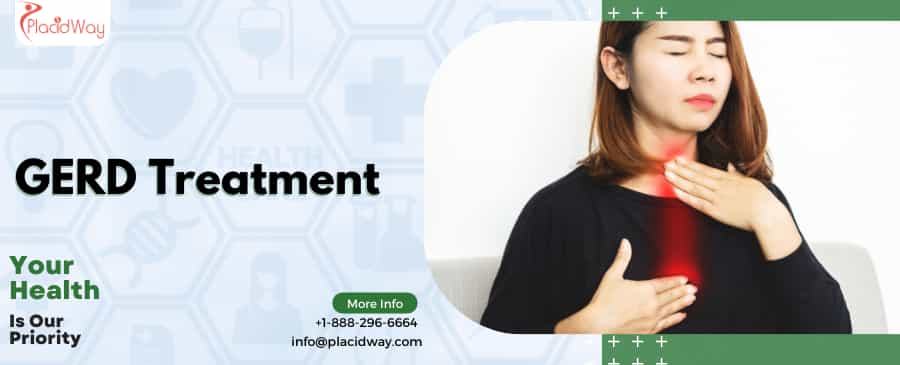
Seeking Lasting Relief from GERD? Explore Global Treatment Options
Living with Gastroesophageal Reflux Disease (GERD) can be a daily battle. That burning sensation in your chest, the sour taste in your mouth, and the constant discomfort can significantly impact your quality of life. If you've tried lifestyle changes and medications without finding lasting relief, it might be time to explore more advanced GERD treatment options.
GERD is more than just occasional heartburn; it's a chronic condition where stomach acid or bile flows back into the esophagus, irritating its lining. Over time, this can lead to serious complications. For many, the search for effective, affordable, and timely treatment leads them beyond their local borders, exploring the world of medical tourism.
This comprehensive guide will walk you through everything you need to know about GERD treatment, from understanding its symptoms and causes to exploring various treatment types, recovery expectations, and critically, how to access world-class care through medical tourism. Whether you're considering a permanent fix for persistent acid reflux or looking for the best value in GERD surgery, we're here to help you navigate your journey to a life free from reflux discomfort.
What are the common symptoms of GERD, and when should I seek treatment?
Recognizing the signs of GERD is the first step toward getting the right treatment. While occasional heartburn is common, GERD involves persistent symptoms that occur twice a week or more. Here's what to watch out for:
- Heartburn: A burning sensation in your chest, often after eating, that might worsen when lying down or bending over. This is the most classic symptom.
- Acid Regurgitation: The sensation of stomach acid or bitter liquid backing up into your throat or mouth.
- Chest Pain: Non-cardiac chest pain can be a confusing symptom, often mistaken for heart problems. It's crucial to rule out cardiac issues first.
- Dysphagia (Difficulty Swallowing): A feeling that food is stuck in your throat or chest.
- Chronic Cough: A persistent dry cough, especially at night.
- Hoarseness or Laryngitis: Acid reflux can irritate the vocal cords.
- Sensation of a Lump in the Throat (Globus Sensation): A feeling of something being caught in your throat.
- Dental Erosion: Stomach acid can damage tooth enamel over time.
- Sleep Disturbances: Symptoms often worsen when lying down, disrupting sleep.
If you experience these symptoms frequently, or if they are severe enough to interfere with your daily activities, it's time to consult a doctor. Early diagnosis and treatment can prevent serious complications like esophagitis, esophageal strictures, and Barrett's esophagus.
What causes GERD, and what factors increase my risk?
At the root of GERD is a malfunction of the lower esophageal sphincter (LES) – a ring of muscle at the bottom of your esophagus that acts like a valve, allowing food to enter the stomach but preventing stomach contents from flowing back up. When the LES weakens or relaxes inappropriately, acid reflux occurs.
Several factors can contribute to GERD or increase your risk of developing it:
- Hiatal Hernia: A condition where the upper part of the stomach pushes up through the diaphragm, weakening the LES.
- Obesity: Excess abdominal fat puts pressure on the stomach, forcing acid upwards.
- Pregnancy: Hormonal changes and increased abdominal pressure contribute to reflux.
- Smoking: Nicotine relaxes the LES and can impair salivary function, which helps neutralize acid.
- Certain Foods and Drinks: Fatty foods, fried foods, chocolate, peppermint, coffee, alcohol, and spicy foods can trigger reflux in some individuals.
- Large Meals and Eating Before Bed: Overfilling the stomach or lying down soon after eating can increase pressure on the LES.
- Certain Medications: Some drugs, like aspirin, ibuprofen, certain muscle relaxers, and blood pressure medications, can worsen GERD.
- Delayed Stomach Emptying: If food stays in the stomach for too long, it increases the chances of reflux.
Understanding these causes and risk factors can help in managing and preventing GERD symptoms.
What are the best treatment options for GERD, including non-surgical and surgical approaches?
GERD treatment typically follows a step-wise approach, starting with the least invasive options. The "best" treatment depends on the individual's symptoms, severity, and response to initial therapies.
Non-Surgical Treatments:
- Lifestyle Modifications:
- Dietary changes (avoiding trigger foods, smaller meals).
- Weight loss.
- Elevating the head of the bed.
- Avoiding eating 2-3 hours before bedtime.
- Quitting smoking.
- Medications:
- Antacids: Provide quick, temporary relief by neutralizing stomach acid.
- H2 Receptor Blockers (H2 blockers): Reduce acid production (e.g., famotidine).
- Proton Pump Inhibitors (PPIs): The most effective medications for reducing stomach acid (e.g., omeprazole, lansoprazole). They allow the esophageal lining to heal but often require long-term use.
- Endoscopic Procedures (Minimally Invasive):
- Transoral Incisionless Fundoplication (TIF): A procedure performed through the mouth using an endoscope to reconstruct the LES and create a new antireflux valve.
- Stretta Therapy: Uses radiofrequency energy to strengthen the LES muscle, improving its barrier function.
- Anti-Reflux Mucosal Ablation (ARMS): Uses argon plasma coagulation to create scar tissue that tightens the LES.
Surgical Treatments:
- Nissen Fundoplication: The most common surgical procedure for GERD. The top part of the stomach (fundus) is wrapped around the lower esophagus and sewn into place, reinforcing the LES. It can be performed laparoscopically.
- LINX Reflux Management System: A small, flexible ring of magnetic titanium beads is placed around the esophagus just above the stomach. The magnetic attraction keeps the LES closed to refluxing acid but opens to allow food and liquids to pass.
For individuals who don't find sufficient relief with lifestyle changes or medications, or who face complications, surgical and endoscopic options offer a more permanent solution. Each procedure has its own benefits, risks, and recovery profile, making a thorough discussion with a specialist essential.
Am I a good candidate for advanced GERD treatment or surgery?
Deciding whether to undergo advanced GERD treatment or surgery is a significant step. Generally, candidates meet one or more of the following criteria:
- Failure of Medical Management: Your GERD symptoms (heartburn, regurgitation) are not adequately controlled by lifestyle changes and high-dose PPIs, or they recur soon after stopping medication.
- Dependence on PPIs: You experience good symptom control with PPIs but prefer not to take medication long-term due to concerns about side effects or quality of life.
- Complications of GERD: You have developed complications such as:
- Esophagitis: Severe inflammation of the esophagus.
- Esophageal Strictures: Narrowing of the esophagus due to scarring.
- Barrett's Esophagus: Precancerous changes in the esophageal lining.
- Recurrent Aspiration Pneumonia: When stomach contents are inhaled into the lungs.
- Extra-Esophageal Symptoms: Persistent GERD-related symptoms like chronic cough, hoarseness, or asthma that are well-documented to be caused by reflux.
- Good General Health: You are generally healthy enough to undergo surgery and anesthesia, without severe underlying conditions.
- Objective Evidence of Reflux: Diagnostic tests like endoscopy, pH monitoring, or esophageal manometry confirm the presence of significant reflux.
Conversely, those with very mild, infrequent symptoms, or those who can manage their condition effectively with lifestyle and occasional medication, are typically not candidates for surgery. A comprehensive evaluation by a gastroenterologist or surgeon is crucial to determine if these advanced treatments are right for you.
What is the typical recovery process after GERD treatment or surgery?
The recovery journey after GERD treatment depends heavily on the type of procedure you undergo:
- Endoscopic Procedures (TIF, Stretta, ARMS): These are often outpatient procedures. Patients typically experience mild throat soreness or discomfort for a few days. Most can resume light activities within 1-2 days and return to a regular diet gradually over a week. Heavy lifting or strenuous exercise might be restricted for a short period.
- Laparoscopic Fundoplication or LINX System Placement:
- Hospital Stay: Usually 1-2 days.
- Pain Management: Mild to moderate pain at incision sites, managed with prescribed pain medication.
- Diet Progression: A crucial part of recovery. You'll start with liquids, then progress to soft foods (pureed, mashed) for several weeks, gradually reintroducing solid foods. This prevents strain on the newly formed wrap or LINX device.
- Activity Restrictions: Avoid heavy lifting (over 10-15 lbs) and strenuous exercise for 4-6 weeks to allow the surgical site to heal. Light walking is encouraged from day one.
- Return to Work: Depends on the nature of your job, but typically 1-3 weeks for sedentary roles, longer for physically demanding jobs.
- Full Recovery: While initial recovery is swift, it can take 3-6 months for the body to fully adjust and for any temporary side effects (like difficulty swallowing or gas bloat) to subside.
Patients are usually advised to avoid carbonated beverages, chewing gum, and eating quickly during the initial recovery phase to minimize gas and discomfort. Regular follow-up appointments with your surgeon are essential to monitor your progress and ensure optimal healing.
What are the potential risks and side effects of GERD treatments?
Like any medical procedure, GERD treatments carry potential risks and side effects. It's important to discuss these thoroughly with your healthcare provider before making a decision.
Common Side Effects (especially after surgery):
- Dysphagia (Difficulty Swallowing): Temporary difficulty swallowing is common, especially with solid foods, as the esophagus adjusts to the new anti-reflux mechanism. This usually resolves within weeks but can persist in some cases.
- Gas Bloat Syndrome: The inability to belch or vomit easily due to the tightened LES can lead to gas buildup, causing abdominal bloating and discomfort.
- Increased Flatulence: Related to the inability to belch, gas may be released more frequently through the other end.
- Diarrhea: Some patients experience temporary changes in bowel habits.
- Nausea and Vomiting: Can occur, especially in the immediate post-operative period.
Potential Risks (less common but more serious):
- Surgical Complications: As with any surgery, risks include bleeding, infection at the incision site, injury to surrounding organs (esophagus, stomach, spleen, vagus nerve), and complications related to anesthesia.
- Recurrence of Reflux: In some cases, the anti-reflux mechanism can fail or loosen over time, leading to a return of GERD symptoms and potentially requiring revision surgery.
- Mesh Erosion (LINX System): While rare, the LINX device could potentially erode into the esophageal wall.
- Migration of Device (LINX System): The device could shift from its intended position.
- Incomplete Symptom Relief: Not all patients achieve complete resolution of all symptoms.
Endoscopic procedures generally have fewer and less severe risks compared to traditional surgery, but they may also have a higher chance of symptom recurrence over the long term. Your medical team will help you weigh the benefits against these potential risks based on your individual health profile.
How much does GERD treatment cost, and where can I find affordable options globally?
The cost of GERD treatment is a major consideration for many patients, especially when advanced surgical or endoscopic procedures are recommended. Prices can vary dramatically based on the type of procedure, the country, the hospital's reputation, the surgeon's fees, and whether it's covered by insurance.
Estimated Cost Comparison for GERD Treatments (e.g., Fundoplication/LINX)
| Country | Estimated Cost (USD) | Notes |
|---|---|---|
| United States | $25,000 - $45,000+ | High cost, varies by state and facility. |
| Canada | $15,000 - $30,000 | Public system for residents, private options for medical tourists. |
| United Kingdom | $20,000 - $35,000 | Private healthcare costs. |
| Germany | $18,000 - $30,000 | High quality, often higher costs in Western Europe. |
| India | $6,000 - $12,000 | Leading medical tourism destination for affordability. |
| Mexico | $8,000 - $15,000 | Proximity for US patients, excellent value. |
| Turkey | $7,000 - $14,000 | Emerging hub with modern facilities. |
| Thailand | $9,000 - $18,000 | Renowned for medical tourism, high-quality care. |
These figures are estimates and can vary significantly. They typically include surgeon's fees, anesthesia, hospital stay, and basic pre/post-operative care. Traveling abroad for GERD treatment can offer substantial savings, sometimes 50-70% less than in Western countries, without compromising on quality.
Why should I consider traveling abroad for GERD treatment?
The decision to seek medical care abroad, often called medical tourism, is becoming increasingly popular for complex procedures like GERD treatment. Here are compelling reasons why many patients choose this path:
- Significant Cost Savings: As seen in the table above, the most common driver is the dramatically lower cost of procedures in countries like India, Mexico, Turkey, and Thailand, often allowing patients to afford treatments they couldn't otherwise.
- Reduced Wait Times: In many Western countries, long waiting lists for specialist consultations and surgeries are common. Traveling abroad can provide immediate access to necessary procedures.
- Access to Specialized Care and Advanced Technology: Many international hospitals specialize in specific procedures and invest heavily in the latest medical technology and highly experienced surgeons, offering expertise that might be scarce or expensive at home.
- High-Quality Care: Top medical tourism destinations boast internationally accredited hospitals and English-speaking, Western-trained medical staff, ensuring standards comparable to, or even exceeding, those in your home country.
- Privacy and Anonymity: For some, undergoing treatment away from their local community offers a sense of privacy.
- Opportunity for a "Healing Vacation": Combining treatment with travel allows for a more relaxed recovery in a new environment, often contributing to overall well-being.
For someone struggling with chronic GERD and facing high costs or long waits, medical tourism presents a viable and attractive alternative for finding lasting relief.
What should I know and expect when planning GERD treatment overseas?
Embarking on a medical journey abroad requires careful planning. Here's a general overview of what to expect:
- Research and Selection: Start by researching potential countries, clinics, and surgeons. Look for hospitals with international accreditations (like JCI) and doctors with specific expertise in GERD surgery.
- Initial Consultation & Medical Records: You'll typically share your medical history, diagnostic reports (endoscopy, pH study, manometry), and current symptoms with the chosen clinic remotely. This allows the foreign medical team to assess your case and propose a treatment plan.
- Travel Arrangements: Book flights, secure accommodations for yourself and any accompanying companions (consider hotels near the hospital for convenience), and arrange for local transportation.
- Visa and Insurance: Check visa requirements for your chosen country and ensure your travel insurance covers medical emergencies or treatment abroad, if possible.
- Arrival and Pre-Operative Care: Upon arrival, you'll undergo in-person consultations, further diagnostic tests, and pre-operative assessments to finalize the treatment plan.
- Procedure and Recovery: The GERD treatment will be performed, followed by a period of hospital stay and initial recovery. Your recovery diet and activity restrictions will be crucial during this phase.
- Post-Operative Stay and Follow-up: You'll need to stay in the destination country for a period after discharge, allowing for follow-up appointments and ensuring you're stable enough for travel. Many clinics offer virtual follow-up options once you return home.
- Language and Cultural Considerations: While many international hospitals cater to English-speaking patients, being aware of local customs and having access to translators can enhance your experience.
Partnering with a medical tourism facilitator like PlacidWay can greatly simplify this process, providing guidance, coordinating appointments, and arranging logistics, allowing you to focus on your health.
How can I ensure high quality and safety when choosing an international GERD clinic?
Ensuring the quality and safety of your GERD treatment abroad is paramount. While cost savings are appealing, they should never come at the expense of your health. Here’s how to make an informed and safe choice:
- Accreditation Matters: Look for hospitals with international accreditations, such as Joint Commission International (JCI). This signifies that the facility meets rigorous international standards for patient safety and quality of care.
- Surgeon Credentials and Experience: Research the surgeon's qualifications, board certifications, and experience specifically with GERD procedures. How many fundoplications or LINX procedures have they performed? What is their success rate?
- Facility Standards: Inquire about the hospital's infrastructure, technology, hygiene standards, and patient-to-nurse ratios. Modern equipment and clean facilities are indicators of quality.
- Transparency in Pricing: Ensure the clinic provides a clear, all-inclusive cost estimate that covers the procedure, anesthesia, hospital stay, medications, and any necessary follow-up care. Avoid hidden fees.
- Patient Testimonials and Reviews: Read reviews and success stories from previous international patients. These provide valuable insights into the patient experience and outcomes.
- Communication and Language Support: Confirm that there will be clear communication channels and, if necessary, professional medical translators available throughout your stay.
- Post-Operative Care Plan: Understand what post-operative care and follow-up will be provided, both during your stay and once you return home.
- Utilize a Reputable Medical Tourism Facilitator: Companies like PlacidWay specialize in connecting patients with vetted, high-quality international providers. They can offer invaluable support in research, coordination, and ensuring your safety and satisfaction.
By taking these steps, you can confidently choose a facility and surgical team that will provide excellent GERD treatment and a positive experience.
Take the Next Step with PlacidWay
Ready to explore treatment options abroad? Discover top clinics, compare prices, and get a free quote tailored to your needs with PlacidWay.



.png)









Share this listing