
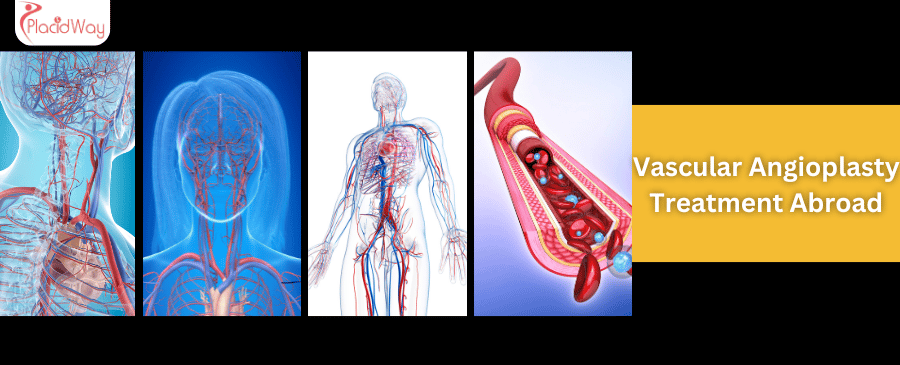
Reclaim Your Health: Understanding Vascular Angioplasty for Blocked Arteries
Experiencing persistent leg pain when walking, chest discomfort, or numbness in your extremities can be alarming. These symptoms often point to a common but serious condition: blocked arteries, also known as atherosclerosis. When blood vessels narrow due to plaque buildup, it restricts vital blood flow, impacting your quality of life and potentially leading to more severe health issues.
Vascular Angioplasty is a beacon of hope for many facing this challenge. It's a highly effective, minimally invasive procedure designed to reopen narrowed or blocked arteries, restoring proper circulation. Imagine a clogged pipe – angioplasty acts like a specialized tool to clear that blockage, allowing things to flow smoothly again. This procedure can be performed in various parts of the body, including the heart (coronary angioplasty) and peripheral arteries (peripheral angioplasty), to address conditions like Peripheral Artery Disease (PAD) or Coronary Artery Disease (CAD).
For those seeking advanced medical care, perhaps due to high costs or long wait times in their home country, exploring Vascular Angioplasty abroad has become a popular and viable option. Medical tourism offers access to world-class facilities, experienced specialists, and often significant cost savings, making quality treatment more accessible than ever before. If you're looking for solutions to regain your health and improve your circulation, understanding Vascular Angioplasty is your first step towards a clearer path.
What are the common symptoms of blocked arteries that require angioplasty?
Recognizing the signs of blocked arteries is crucial for early intervention. The symptoms often depend on where the blockages are located:
- Legs and Arms (Peripheral Artery Disease - PAD): The most common symptom is intermittent claudication – pain, cramping, or tiredness in your legs or arms that occurs during activity (like walking) and goes away after a few minutes of rest. Other signs include numbness, weakness, coldness in the lower leg or foot, sores on the toes, feet, or legs that won't heal, a change in the color of the legs, hair loss on the legs, or shiny skin. Patients often search for "why do my legs hurt when I walk?" or "symptoms of poor circulation in legs."
- Heart (Coronary Artery Disease - CAD): Blockages in the heart arteries can cause angina – chest pain or discomfort, which may feel like pressure or squeezing. This pain can also spread to your shoulders, arms, neck, jaw, or back. Shortness of breath, fatigue during exertion, and nausea are also common. You might look up "chest pain when exercising" or "signs of heart artery blockage."
- Other Areas: Blockages in other arteries, like those leading to the brain (carotid arteries), can cause stroke-like symptoms such as sudden weakness, dizziness, or vision problems.
If you experience any of these symptoms, especially persistent or worsening ones, it's vital to seek medical advice promptly. Early diagnosis can prevent serious complications.
What causes arteries to become blocked, and who is at risk?
The primary culprit behind blocked arteries is a condition called atherosclerosis. This occurs when plaque – a sticky substance made of fat, cholesterol, calcium, and other substances – builds up inside your arteries. Over time, this plaque hardens and narrows your arteries, limiting the flow of oxygen-rich blood to your organs and other parts of your body. Think of it like rust building up inside a water pipe, eventually constricting the flow.
While anyone can develop atherosclerosis, certain factors significantly increase your risk:
- High Blood Pressure: Damages artery walls, making them more susceptible to plaque buildup.
- High Cholesterol: Especially high LDL ("bad") cholesterol, contributes directly to plaque formation.
- Diabetes: High blood sugar levels can damage blood vessels, accelerating atherosclerosis.
- Smoking: Nicotine and other chemicals in tobacco smoke severely damage blood vessels and promote plaque. This is a major factor in "blocked arteries from smoking."
- Obesity: Contributes to high blood pressure, high cholesterol, and diabetes.
- Lack of Physical Activity: Contributes to obesity and other risk factors.
- Unhealthy Diet: Diets high in saturated and trans fats, cholesterol, and sugar.
- Age: Risk increases with age, as arteries naturally stiffen and accumulate plaque over time.
- Family History: A genetic predisposition to heart disease or stroke increases your risk.
Understanding these risk factors is crucial for prevention and lifestyle adjustments.
What exactly is Vascular Angioplasty, and how does it clear blocked arteries?
Vascular Angioplasty is a medical marvel that has revolutionized the treatment of blocked arteries. It's a minimally invasive procedure, meaning it doesn't require large incisions or open surgery. Here's a simplified breakdown of how it works:
- Access Point: The procedure usually begins with a small puncture, typically in the groin (femoral artery) or wrist (radial artery), under local anesthesia.
- Catheter Insertion: A thin, flexible wire is guided through the artery to the site of the blockage.
- Balloon Delivery: A catheter with a tiny balloon at its tip is threaded over the wire to the narrowed section of the artery.
- Inflation: The balloon is carefully inflated, pressing the plaque against the artery walls and widening the vessel. This is often described as "balloon angioplasty for blocked arteries."
- Stent Placement (Optional but common): In many cases, after the artery is widened, a small mesh tube called a stent is deployed. The stent acts as a scaffold to keep the artery open and prevent it from narrowing again. Some stents are coated with medication (drug-eluting stents) to further reduce the risk of re-blockage.
- Removal: The balloon catheter is then deflated and removed, leaving the artery clear and the stent in place (if used).
This procedure can significantly improve blood flow, reducing symptoms and preventing more serious complications like heart attacks or strokes. It's often preferred over open surgery due to quicker recovery times and fewer risks.
Am I a good candidate for Vascular Angioplasty?
Deciding if Vascular Angioplasty is right for you involves a thorough evaluation by a cardiologist or vascular specialist. Generally, you might be considered a good candidate if:
- Significant Symptoms: You experience persistent and debilitating symptoms related to blocked arteries (e.g., severe leg pain, chest pain, or impaired organ function) that interfere with your daily life. Patients often search for "when is angioplasty necessary?"
- Inadequate Response to Conservative Treatment: Lifestyle changes (diet, exercise) and medications have not been sufficient to manage your symptoms or slow the progression of the disease.
- Specific Blockage Characteristics: The location, size, and type of your arterial blockage are suitable for angioplasty. Some blockages might be too long, calcified, or located in arteries that are too small for this procedure, making bypass surgery a better option.
- Overall Health: You are in reasonably good health to tolerate the procedure. While minimally invasive, it still carries some risks, and pre-existing conditions (like kidney disease or severe heart failure) might influence eligibility.
- Diagnostic Confirmation: Imaging tests such as angiograms, CT scans, or MRI scans have confirmed the presence and severity of the blockages.
Your doctor will consider your individual medical history, current health status, and the specifics of your condition to determine the best course of action. It's essential to have an open discussion about all available treatment options.
What should I expect during recovery after Vascular Angioplasty?
One of the advantages of Vascular Angioplasty over traditional open surgery is a generally quicker and less complicated recovery. Here's what you can typically expect:
- Immediate Post-Procedure: You'll usually spend a few hours in a recovery room, often lying flat to prevent bleeding from the catheter insertion site (e.g., in the groin). Medical staff will monitor your vital signs.
- Hospital Stay: Most patients stay in the hospital for 1 to 2 days for observation, especially if a stent was placed.
- Pain and Discomfort: You might experience some bruising, soreness, or mild pain at the insertion site. This is usually manageable with over-the-counter pain relievers or prescribed medication.
- Activity Restrictions: For the first week or two, you'll be advised to avoid heavy lifting, strenuous activities, or anything that puts pressure on the insertion site. You might be asked to refrain from driving for a few days.
- Wound Care: Keep the insertion site clean and dry. Your care team will provide specific instructions to prevent infection.
- Medications: You will likely be prescribed anti-platelet medications (like aspirin or clopidogrel) for an extended period to prevent blood clots from forming on the stent or in the artery. It's crucial to take these exactly as prescribed.
- Long-Term Recovery: Most people can return to light activities within a few days to a week and full normal activities within a few weeks. Your doctor will likely recommend lifestyle changes (diet, exercise, smoking cessation) to maintain the benefits of the angioplasty and prevent future blockages. Patients often search for "life after angioplasty."
Following your doctor's post-procedure instructions is vital for a smooth recovery and long-term success.
What are the potential risks and side effects of Vascular Angioplasty?
Like any medical procedure, Vascular Angioplasty carries some potential risks and side effects, though serious complications are rare. Your medical team will discuss these with you before the procedure. Common risks include:
- Bleeding, Bruising, or Pain at the Catheter Insertion Site: This is the most common side effect and usually resolves on its own. Rarely, significant bleeding may require further treatment.
- Infection: Any skin puncture creates a small risk of infection, though sterile techniques are used to minimize this.
- Damage to the Artery: In very rare cases, the catheter or balloon can tear or damage the artery wall. This may require emergency surgery.
- Allergic Reaction: To the contrast dye used during the procedure or to medications.
- Kidney Problems: The contrast dye can sometimes affect kidney function, especially in individuals with pre-existing kidney issues.
- Blood Clots: Clots can form in the treated artery or stent, potentially blocking blood flow. Anti-platelet medications are prescribed to prevent this.
- Restenosis (Re-narrowing): Despite the angioplasty and stent, the treated artery can sometimes narrow again over time. Drug-eluting stents have significantly reduced the rate of restenosis.
- Stroke or Heart Attack: Although rare, there is a very small risk of these serious events, particularly during coronary angioplasty.
It’s important to discuss your medical history and any concerns with your doctor to assess your individual risk profile.
How does the cost of Vascular Angioplasty compare worldwide?
The cost of Vascular Angioplasty is a significant factor for many patients, and prices can vary dramatically depending on the country, the hospital, the complexity of the procedure (e.g., number of stents), and whether it's bundled with other services. This disparity is a primary driver for medical tourism.
Here's a general comparison of estimated costs for a single-vessel angioplasty with stent, though these are estimates and can fluctuate:
| Country | Estimated Cost (USD) | Notes |
|---|---|---|
| United States | $20,000 - $50,000+ | Highly variable, often higher with insurance, may not include all hospital fees. Patients often search for "how much does angioplasty cost without insurance?" |
| United Kingdom (Private) | $15,000 - $30,000+ | Private healthcare costs; public healthcare (NHS) may have long wait times. |
| India | $4,000 - $8,000 | Known for advanced facilities and highly skilled doctors at competitive prices. |
| Turkey | $5,000 - $10,000 | Emerging medical tourism hub with modern hospitals and European standards. |
| Thailand | $7,000 - $12,000 | Excellent reputation for patient care and luxury medical facilities. |
| Mexico | $6,000 - $11,000 | Convenient for North American patients, growing number of JCI-accredited hospitals. |
| Germany | $10,000 - $20,000+ | High-quality, advanced European medical care, often with higher costs than Asian or Latin American options. |
These prices usually include the procedure, hospital stay, and basic medications but may not cover flights, accommodation, or extensive post-operative care. It's crucial to get a detailed quote from any facility you consider.
Why should I consider traveling abroad for Vascular Angioplasty?
For many individuals, the decision to undergo a medical procedure like Vascular Angioplasty abroad is driven by compelling advantages:
- Significant Cost Savings: As seen in the cost comparison, the most prominent reason is often the dramatic reduction in expenses, making life-saving treatments accessible without financial hardship. You might be searching for "affordable angioplasty overseas."
- Access to High-Quality Care and Expertise: Many countries have invested heavily in medical infrastructure, boasting state-of-the-art hospitals, advanced technology, and internationally trained surgeons and specialists.
- Reduced Wait Times: In countries with universal healthcare systems, patients can face long waiting lists for non-emergency procedures. Traveling abroad can provide immediate access to necessary treatment.
- Advanced Technology and Techniques: Some international hospitals are at the forefront of medical innovation, offering access to the latest equipment and procedural techniques that may not be readily available elsewhere.
- Privacy and Anonymity: For some, undergoing treatment away from home offers a greater sense of privacy.
- Combined with a Vacation: While the primary goal is medical treatment, many patients appreciate the opportunity to recover in a new environment, often combining their medical trip with a relaxing getaway. This allows you to "recover from angioplasty in a beautiful setting."
- Comprehensive Packages: Many medical tourism providers offer all-inclusive packages that cover medical costs, accommodation, transfers, and even interpreter services, simplifying the entire process.
Ultimately, choosing to go abroad means seeking the best possible care that aligns with your financial and personal needs.
What should I expect when planning my medical trip for Angioplasty?
Planning a medical trip requires careful consideration and organization. Here's a general roadmap of what to expect:
- Initial Consultation & Research: Start by consulting your local doctor to confirm your diagnosis and treatment needs. Then, research potential medical tourism destinations and hospitals that specialize in Vascular Angioplasty. Look for hospitals with international accreditations (like JCI).
- Medical Records & Remote Consultation: You'll need to gather all your relevant medical records, test results, and imaging scans. These will be sent to the international hospital for review by their specialists, often leading to a remote consultation or video call to discuss your case and confirm suitability for angioplasty.
- Detailed Treatment Plan & Quote: Once the international hospital accepts your case, they will provide a comprehensive treatment plan, including the specific type of angioplasty, duration of hospital stay, and a detailed cost estimate covering the procedure, hospital fees, and follow-up.
- Travel Logistics: Book your flights and accommodation. Consider booking a stay that allows for adequate recovery time after the procedure. Check visa requirements for your chosen country. Many medical tourism agencies can assist with these arrangements. Patients often look for "medical visa requirements for angioplasty."
- Travel Insurance: Consider purchasing travel insurance that includes medical coverage for complications, though typically not for the planned procedure itself.
- On-Site Experience: Upon arrival, you'll have pre-operative assessments and consultations. After the angioplasty, you'll undergo recovery in the hospital, followed by a period of local stay for initial post-operative checks before returning home.
- Post-Procedure Follow-up: Discuss with your international and local doctors how post-procedure follow-up and long-term care will be managed upon your return.
Using a reputable medical tourism facilitator like PlacidWay can significantly simplify this process, handling many of the logistics on your behalf.
How can I ensure safety and quality when choosing a clinic for Angioplasty abroad?
The decision to travel for medical care can feel daunting, but with proper due diligence, you can ensure a safe and high-quality experience. Here are key steps to take:
- Accreditation Matters: Look for hospitals with international accreditations, such as those from the Joint Commission International (JCI). JCI accreditation signifies that a hospital meets stringent international standards for patient safety and quality of care. Many patients specifically search for "JCI accredited hospitals for angioplasty."
- Surgeon Credentials and Experience: Research the treating physicians. Verify their qualifications, board certifications, and experience in performing Vascular Angioplasty. Ask about their success rates and how many procedures they perform annually.
- Technology and Facilities: Ensure the hospital is equipped with modern diagnostic and interventional cardiology equipment. Advanced technology contributes to safer and more effective procedures. Inquire about the cleanliness and hygiene standards of the facility.
- Patient Testimonials and Reviews: Read reviews and testimonials from other international patients who have undergone angioplasty at the facility you are considering. This can offer valuable insights into the patient experience.
- Clear Communication: Ensure there are clear communication channels with the medical team. If you don't speak the local language, confirm that interpreter services are readily available.
- Comprehensive Treatment Plan: Request a detailed, written treatment plan that outlines all aspects of your care, including pre-operative tests, the procedure itself, expected hospital stay, medications, and post-operative follow-up.
- Emergency Preparedness: Understand the hospital's protocols for handling complications or emergencies.
- Medical Tourism Facilitators: Consider working with a reputable medical tourism facilitator. They often pre-screen hospitals and doctors, negotiate prices, and assist with logistics, adding an extra layer of assurance.
By being thorough in your research, you can confidently choose a facility that meets your expectations for safety and excellence.
What are patient success stories from abroad after Vascular Angioplasty?
The growing popularity of medical tourism for procedures like Vascular Angioplasty is largely fueled by countless success stories from patients who have regained their health and quality of life. These narratives often share common themes:
- Relief from Debilitating Symptoms: Many patients arrive with severe leg pain (claudication) that limits their walking ability, or with persistent chest pain (angina). After angioplasty abroad, they report dramatic improvement, allowing them to walk further, exercise, and live without constant discomfort. "I can finally walk without pain after my angioplasty in Turkey!" is a common sentiment.
- Improved Quality of Life: Beyond physical symptoms, patients often speak of a profound improvement in their overall well-being. They can return to hobbies, spend quality time with family, and experience a renewed sense of independence that was previously hampered by their condition.
- Access to Timely and Affordable Care: For many, the ability to receive high-quality angioplasty without lengthy wait times or prohibitive costs is a life-changing aspect. Patients from countries with high healthcare expenses frequently praise the value they received, often sharing stories of how "angioplasty in India saved my life and my savings."
- Positive Patient Experience: Testimonials frequently mention the compassionate care, advanced facilities, and highly skilled medical professionals encountered in international hospitals. Many are pleasantly surprised by the personalized attention and comprehensive support throughout their medical journey, from initial consultation to post-operative recovery.
- Successful Outcomes and Longevity: Patients report successful procedures with good long-term outcomes, often supported by diligent follow-up care and adherence to lifestyle changes. These stories serve as powerful testaments to the efficacy and accessibility of international medical care.
These firsthand accounts provide reassurance and inspiration for others considering angioplasty abroad, demonstrating that excellent medical care is indeed accessible beyond national borders.
Take the Next Step with PlacidWay
Ready to explore treatment options abroad? Discover top clinics, compare prices, and get a free quote tailored to your needs with PlacidWay.
Vascular Surgery Abroad | Best Vascular Treatment Center



.png)

.png)
.png)



.png)
.png)
-(11).png)
-(9).png)












Share this listing