
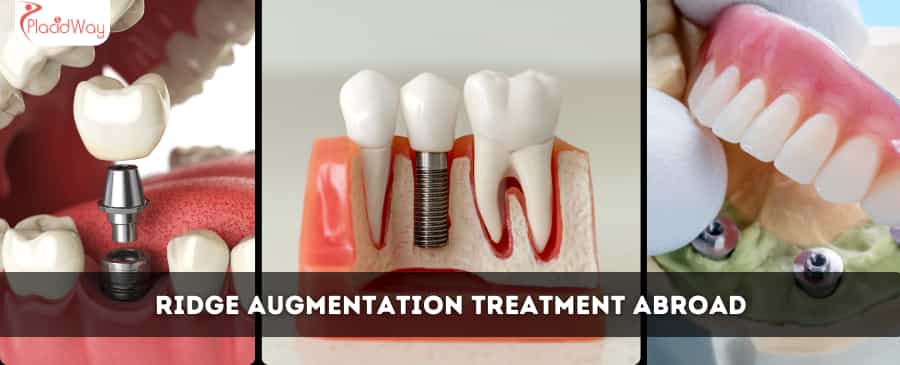
Reclaim Your Smile: Understanding Ridge Augmentation for a Strong Foundation
Have you been told you don't have enough jawbone for dental implants? Do your dentures constantly slip, or does your face look like it's "sinking in" around your mouth? You're not alone. Many people experience jawbone loss, a common condition that can affect oral health, appearance, and quality of life. The good news is, a transformative procedure called ridge augmentation can help.
Ridge augmentation is a sophisticated bone grafting technique designed to restore the natural height and width of your jawbone. This procedure is essential when the bone supporting your teeth has deteriorated due to various reasons, such as tooth extractions, gum disease, or trauma. Without adequate bone structure, dental implants can't be securely placed, and dentures may become ill-fitting and uncomfortable.
At its core, ridge augmentation rebuilds your jawbone, providing a strong, stable foundation for future dental restorations. It's not just about aesthetics; it's about restoring functionality, preventing further bone loss, and ensuring your long-term oral health. Whether you're considering dental implants to replace missing teeth, improve denture stability, or simply want to enhance your facial profile, understanding ridge augmentation is the first step towards a healthier, more confident smile. Many patients also find significant value in exploring this procedure abroad, where advanced care often comes at a more accessible price.
What are the common symptoms of jawbone loss?
Jawbone loss often progresses silently, but eventually, certain signs become noticeable. Recognizing these symptoms early can help you seek timely intervention and prevent further complications. Here's what to look out for:
- Receding Gums: Your gums may appear to pull away from your teeth, exposing more of the tooth root. This is often a sign of underlying bone loss.
- Loose or Shifting Teeth: As the bone support diminishes, your teeth may become mobile, leading to changes in your bite or even tooth loss.
- Difficulty with Dentures: If you wear dentures, you might notice they no longer fit snugly, slip when you talk or eat, and cause sores due to rubbing against the shrinking ridge. This is a tell-tale sign that your underlying jawbone has changed.
- Changes in Facial Appearance: A shrinking jawbone can lead to a "collapsed" or "sunk-in" look around the mouth and lower face. This can make you appear older and affect your overall facial symmetry.
- Pain or Discomfort When Chewing: Reduced bone density can make it painful or difficult to chew certain foods, impacting your nutrition and enjoyment of meals.
- Speech Difficulties: Ill-fitting dentures due to bone loss can also affect speech clarity, leading to lisping or mumbling.
If you experience any of these symptoms, it's crucial to consult with a dental professional. Early diagnosis and treatment, such as ridge augmentation, can significantly improve your oral health outcomes.
What causes jawbone atrophy and ridge defects?
Understanding the root causes of jawbone loss is vital for both prevention and effective treatment. Several factors can contribute to the deterioration of the alveolar ridge, which is the part of the jawbone that holds the teeth.
- Tooth Extractions: This is the most common cause. When a tooth is removed, the bone that once supported it is no longer stimulated. Without this stimulation, the bone naturally begins to resorb, or shrink, over time. This process is known as disuse atrophy.
- Periodontal (Gum) Disease: Advanced gum disease is a bacterial infection that can destroy the soft tissues and bone supporting your teeth. If left untreated, it leads to significant bone loss, creating deep pockets and eventually tooth mobility.
- Trauma or Injury: Accidents, sports injuries, or blows to the face can cause fractures or damage to the jawbone, leading to defects or areas where bone has been lost.
- Long-Term Denture Wear: While dentures replace missing teeth, they don't stimulate the underlying bone. Over years, the pressure from dentures can accelerate bone resorption, making the jaw ridge flatter and narrower. This is why "my denture doesn't fit anymore" is a common complaint.
- Developmental Defects: Some individuals may have naturally thinner or improperly formed jaw ridges from birth.
- Infections: Chronic infections in the mouth, such as untreated abscesses, can erode bone tissue.
- Systemic Conditions: Certain medical conditions, like osteoporosis, poorly controlled diabetes, or genetic disorders, can impact bone density and healing capabilities, making individuals more susceptible to jawbone loss.
Identifying the cause helps your dentist tailor the most appropriate ridge augmentation technique to restore your bone volume effectively.
What types of ridge augmentation procedures are available?
Ridge augmentation isn't a single, uniform procedure; rather, it encompasses several techniques, each tailored to the specific nature and extent of bone loss. The choice of technique depends on the location of the defect, the amount of bone needed, and the patient's overall health.
- Socket Preservation (Alveolar Ridge Preservation): This is often performed immediately after a tooth extraction. Bone graft material is placed directly into the empty socket and covered with a membrane to prevent the ridge from collapsing and to encourage new bone growth. This helps maintain the bone volume for future implant placement.
- Guided Bone Regeneration (GBR): This technique uses a barrier membrane (resorbable or non-resorbable) to create a protected space over the bone defect. Bone graft material is placed beneath the membrane, allowing bone cells to grow into the area while preventing faster-growing soft tissue cells from invading the space.
- Onlay Grafts (Block Grafts): For more significant bone loss, a small block of bone (often taken from another part of the patient's jaw, hip, or shin) is harvested and securely attached to the deficient area of the jaw. This "autogenous" bone graft is then covered with a membrane and soft tissue.
- Split-Ridge Technique (Ridge Expansion): This procedure is used when the jaw ridge is too narrow. The surgeon carefully splits the narrow ridge down the middle, expanding it to create space. Bone graft material can then be placed into this expanded space to widen the ridge.
- Sinus Lift (Sinus Augmentation): While technically a specialized type of bone graft, it's performed in the upper jaw (maxilla) when there isn't enough bone height in the back to place implants due to the proximity of the maxillary sinuses. The sinus membrane is gently lifted, and bone graft material is placed into the floor of the sinus.
Bone Graft Materials:
- Autogenous Graft: Bone harvested from the patient's own body (e.g., jaw, hip). Considered the "gold standard" due to its excellent integration and living cells.
- Allograft: Bone from a human donor (cadaver) that has been processed to ensure safety and sterility.
- Xenograft: Bone derived from animal sources, typically bovine (cow) bone, also processed for safety.
- Alloplast: Synthetic bone graft materials, such as hydroxyapatite or tricalcium phosphate.
Your dentist will discuss the best technique and material for your specific needs.
Who is a good candidate for ridge augmentation surgery?
Not everyone needs or is suitable for ridge augmentation. Determining eligibility involves a thorough dental examination, imaging (X-rays, CBCT scans), and a review of your medical history. Generally, you might be a good candidate if:
- You Have Insufficient Bone for Dental Implants: This is the most common reason. If your jawbone is too thin, narrow, or shallow, it cannot adequately support dental implants. Ridge augmentation creates the necessary bone volume for successful implant placement. Patients often search for "can I get dental implants with bone loss?" or "need bone graft for implants."
- You Experience Denture Instability: For individuals who wear complete or partial dentures, significant bone resorption can lead to dentures that no longer fit well, cause pain, and affect speech and eating. Ridge augmentation can improve the stability and comfort of dentures, or prepare the jaw for implant-retained dentures.
- You Have Aesthetic Concerns: Bone loss can lead to an altered facial appearance, such as a "collapsed" look or asymmetry. Restoring the jawbone can help rejuvenate the lower facial profile.
- You Are in Good General Health: While not a major surgery, candidates should be free from uncontrolled chronic diseases (like severe diabetes or heart conditions) that could impair healing or increase surgical risks.
- You Have Healthy Gums: Active periodontal disease must be treated and controlled before any bone grafting procedure can be performed, as infection can compromise the success of the graft.
- You Are a Non-Smoker or Willing to Quit: Smoking significantly impairs blood flow and healing, increasing the risk of graft failure and complications.
Your dental specialist will assess your specific condition and discuss whether ridge augmentation is the right solution for your oral health goals.
What is the typical recovery time and what should I expect after ridge augmentation?
Understanding the recovery process is key to a successful outcome and managing your expectations. Ridge augmentation involves both initial healing and a longer period of bone integration.
Immediate Post-Operative (First 1-2 Weeks):
- Swelling and Bruising: This is normal and usually peaks within 2-3 days. Cold compresses can help reduce it.
- Discomfort/Pain: Managed with prescribed pain medication. Most patients report manageable pain.
- Bleeding: Slight oozing is common for the first 24-48 hours.
- Diet: A soft food diet is essential to avoid putting pressure on the graft site. Avoid hot, spicy, or crunchy foods.
- Oral Hygiene: Gentle rinsing with a prescribed antimicrobial mouthwash is recommended. Avoid brushing directly on the surgical site.
- Activity: Avoid strenuous physical activity for at least a week to prevent increased bleeding or swelling.
Long-Term Healing (3-9 Months):
- Bone Integration: This is the most critical phase. The grafted bone needs time to integrate with your natural jawbone, forming a strong, viable structure. This process, called osseointegration, can take anywhere from 4 to 9 months, or sometimes longer, depending on the individual's healing capacity and the extent of the graft.
- No Pressure: It's crucial not to place any pressure on the grafted area during this period. If you wear dentures, they may need to be adjusted or left out for a period.
- Follow-Up Appointments: Regular check-ups with your dentist are necessary to monitor the healing progress.
- Preparation for Implants: Once sufficient bone density is confirmed (often via X-rays or CBCT scans), you will be ready for dental implant placement.
Following your surgeon's post-operative instructions meticulously is paramount for a successful recovery and ensuring the longevity of your bone graft.
What are the potential risks and side effects of ridge augmentation?
While ridge augmentation is generally safe and highly successful, it's important to be aware of the potential risks and side effects, as with any surgical procedure:
- Infection: Although sterile techniques are used, there's always a small risk of infection at the surgical site. This can usually be managed with antibiotics.
- Graft Failure: The most significant risk is that the bone graft may not successfully integrate with your existing bone. Factors like poor blood supply, infection, or smoking can contribute to failure. If a graft fails, another procedure may be necessary. Patients often ask, "what happens if bone graft fails?"
- Nerve Damage: In rare cases, the procedure can affect nearby nerves, leading to temporary or, in very rare instances, permanent numbness or tingling in the lip, chin, or tongue.
- Excessive Bleeding: Some bleeding is normal, but excessive or prolonged bleeding can occur.
- Swelling and Bruising: As discussed in recovery, these are common but can occasionally be more pronounced.
- Pain: Post-operative pain is expected but typically manageable with medication.
- Sinus Perforation: During upper jaw procedures (especially sinus lifts), there's a small risk of perforating the sinus membrane. This is usually repaired immediately.
- Adverse Reaction to Anesthesia: As with any procedure involving anesthesia, there are inherent risks, though serious reactions are rare.
- Donor Site Complications (if autogenous graft): If bone is harvested from another part of your body, there can be pain, swelling, and a small risk of infection or nerve damage at the donor site.
Your surgeon will discuss these risks with you in detail and take all necessary precautions to minimize their occurrence.
How much does ridge augmentation cost worldwide?
The cost of ridge augmentation is a major consideration for many patients. Prices can fluctuate widely based on geographic location, the complexity of the procedure (e.g., type of graft material, extent of bone loss), the specialist's fees, anesthesia costs, and whether it's combined with other procedures.
Here's a general comparison of estimated costs for a single ridge augmentation site (excluding dental implants, which would be a separate cost):
| Country/Region | Estimated Cost (USD) | Notes |
|---|---|---|
| USA / Canada | $1,500 - $4,000+ | High costs, often due to overhead, insurance, and specialist fees. |
| Western Europe (e.g., UK, Germany) | $1,000 - $3,500+ | Similar to North America, but can vary by country. |
| Mexico | $500 - $1,500 | Popular for "dental work in Mexico" due to proximity and significant savings. |
| Costa Rica | $600 - $1,800 | Known for high-quality dental tourism, excellent patient care. |
| Turkey | $400 - $1,200 | Emerging dental tourism hub with competitive pricing. |
| Thailand | $500 - $1,500 | Combines quality dental care with vacation opportunities. |
| India | $300 - $1,000 | Very affordable, with a growing number of international-standard clinics. |
*These are estimated ranges and can vary based on clinic reputation, specialist experience, and specific case complexity. Always get a detailed quote from your chosen provider.
The significant cost difference often drives patients to explore ridge augmentation as part of their "dental tourism" plans, combining necessary treatment with the opportunity to travel.
Why should I consider traveling abroad for ridge augmentation?
The decision to seek medical treatment abroad, especially for dental procedures like ridge augmentation, is becoming increasingly popular. Here are compelling reasons why many individuals choose this path:
- Significant Cost Savings: As seen in the cost comparison, the most prominent advantage is the dramatic reduction in price. Patients can often save 50-70% or more compared to costs in their home countries, even when accounting for travel and accommodation. This makes otherwise unaffordable treatments accessible.
- Access to High-Quality Care and Specialists: Many countries that are hubs for medical tourism boast state-of-the-art facilities and highly trained dental specialists who have received international education and certifications. They often perform these procedures frequently, leading to extensive experience.
- Reduced Waiting Times: In some countries, particularly those with public healthcare systems, waiting lists for specialized procedures can be long. Traveling abroad often means you can schedule your treatment much sooner.
- State-of-the-Art Technology: To attract international patients, many clinics abroad invest heavily in the latest dental technology, ensuring advanced diagnostics and treatment methods.
- Combination with Tourism: For many, "dental tourism" allows them to combine necessary medical treatment with a relaxing vacation. You can recover in a beautiful new environment, turning a medical trip into a memorable experience.
- Personalized Attention: Clinics catering to international patients often provide a higher level of personalized service, including assistance with travel logistics, translation services, and dedicated patient coordinators.
For those looking for "affordable bone grafting for implants" or "best dental tourism for bone grafts," exploring options abroad can provide an excellent solution.
What should I expect when planning international travel for dental procedures?
Embarking on a medical journey abroad requires careful planning and preparation. Here’s a breakdown of what to anticipate:
- Research and Clinic Selection: Start by thoroughly researching potential clinics and specialists. Look for accredited facilities, read patient reviews, and compare quotes. A medical tourism facilitator like PlacidWay can streamline this process.
- Initial Consultation and Treatment Plan: Most clinics offer virtual consultations. You'll need to send X-rays and medical records. The dentist will then provide a treatment plan, estimated costs, and a timeline.
- Travel Arrangements: Book your flights and accommodation well in advance. Consider staying close to the clinic for convenience. Depending on the procedure, you might need an extended stay for follow-ups and initial recovery (e.g., 7-14 days for initial healing of ridge augmentation).
- Visa and Documentation: Check if you need a visa for your chosen country. Ensure your passport is valid and you have all necessary medical documents, including copies of your medical history and treatment plan.
- Language and Communication: Many clinics catering to international patients have English-speaking staff or offer translation services. Confirm this beforehand to ensure clear communication.
- Payment and Insurance: Understand the payment structure. Most international clinics require upfront payment for services. Your domestic insurance likely won't cover treatment abroad, so discuss payment options and any available medical travel insurance.
- Recovery and Follow-Up: Plan for a recovery period in the destination country before flying home. Get clear instructions for post-operative care, including medications, diet, and oral hygiene. Your local dentist should be informed of your treatment abroad for ongoing care.
- Logistics Support: Many international clinics or facilitators offer assistance with airport transfers, accommodation bookings, and local transportation to make your trip smoother.
Preparation is key to a stress-free and successful medical tourism experience.
How can I ensure safety and quality when choosing a clinic for ridge augmentation abroad?
Ensuring the safety and quality of your dental care abroad is paramount. While cost savings are attractive, compromising on quality is never an option. Here's how to make an informed decision:
- Accreditation and Certification: Look for clinics that are accredited by international organizations (e.g., Joint Commission International - JCI) or national dental associations in their country. This indicates adherence to high standards of patient care and safety.
- Dentist's Credentials and Experience: Verify the qualifications of the treating dentist. Ask about their education, specializations (e.g., oral surgeon, periodontist), years of experience, and their specific experience with ridge augmentation procedures. Many top specialists will have international training.
- Patient Reviews and Testimonials: Read reviews on independent platforms and ask for patient testimonials or success stories. Hearing directly from other international patients can provide valuable insights.
- Facility Standards and Technology: Inquire about the clinic's facilities, hygiene protocols, and the technology they use. Modern equipment, digital imaging, and strict sterilization practices are indicators of quality.
- Communication: Ensure clear and consistent communication with the clinic, ideally with English-speaking staff or a dedicated translator. Miscommunication can lead to misunderstandings in treatment or aftercare.
- Transparency in Pricing: A reputable clinic will provide a detailed, all-inclusive quote with no hidden fees. Understand what is included (e.g., consultation, X-rays, medication, follow-ups).
- Follow-Up Care Plan: Discuss the post-operative care plan, including instructions for your journey home and how your local dentist can take over subsequent care.
- Medical Tourism Facilitators: Consider working with a reputable medical tourism agency like PlacidWay. They vet clinics, assist with logistics, and act as an intermediary, adding an extra layer of security and convenience.
By taking these steps, you can significantly mitigate risks and ensure you receive high-quality, safe dental care abroad.
Take the Next Step with PlacidWay
Ready to explore treatment options abroad? Discover top clinics, compare prices, and get a free quote tailored to your needs with PlacidWay.
Dental Tourism | Cosmetic Dentistry | Implants | Root Canals | Dentures | Bridges | Orthodontics | Dental Holidays Abroad





.png)










Share this listing