
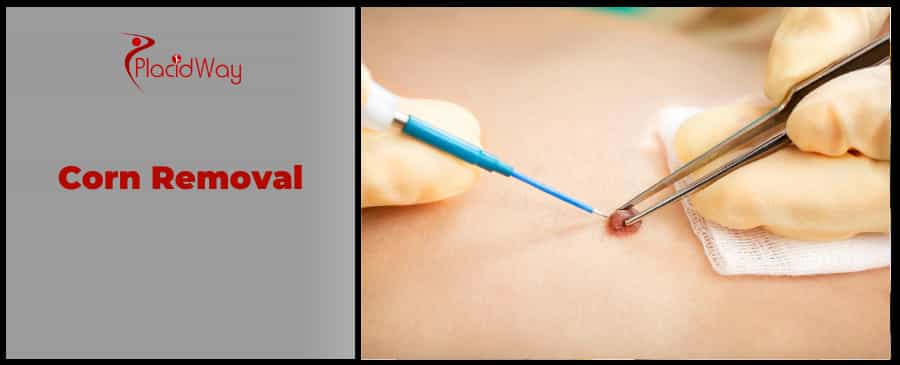
Find Lasting Relief: Expert Corn Removal for Pain-Free Feet
Are you experiencing persistent foot pain due to hardened patches of skin? If walking, standing, or even wearing shoes has become a daily struggle, you might be dealing with a corn. Many people search for "how to remove a corn" or "painful foot corn treatment" because these seemingly small skin conditions can cause significant discomfort and impact your quality of life. Corns are thick, hardened layers of skin that develop when your skin tries to protect itself against friction and pressure. While often confused with calluses, corns are typically smaller, have a hard core, and can be incredibly painful when pressed.
Understanding the difference between corns and calluses is key to effective treatment. Calluses are generally larger, spread out, and less painful, forming over a wider area of friction. Corns, on the other hand, are concentrated, often developing on the tops or sides of toes, or even between them. Their hard core can press on nerve endings, leading to sharp, localized pain. Many individuals seek expert "corn removal" for symptomatic relief, especially when home remedies prove ineffective or the pain becomes unbearable.
This comprehensive guide will explore everything you need to know about corn removal, from identifying the "corn on foot symptoms" and understanding their "causes of corns" to exploring available "corn removal procedures." We'll delve into recovery expectations, potential risks, and a global "corn removal cost comparison," offering insights into why "medical tourism for foot care" might be a beneficial option for you. Our goal is to empower you with the knowledge to make informed decisions about finding lasting relief and regaining comfortable mobility.
What are the common symptoms of a foot corn?
Recognizing the symptoms of a foot corn is the first step towards seeking effective treatment. Many people initially confuse corns with calluses or even warts, but specific characteristics can help you identify a corn:
- A small, raised, hardened bump: Corns typically appear as distinct, firm areas of skin, often smaller than calluses.
- Yellowish or grayish skin: The hardened skin may have a distinct color change.
- Pain or tenderness: This is the most common and often debilitating symptom. The corn can be acutely painful when pressure is applied, such as when you walk, stand, or wear shoes. Some describe it as feeling like walking on a pebble.
- Sensitivity to touch: Even light touch can cause discomfort.
- A "kernel" or "core" in the center: Hard corns often have a dense, central plug, which is the part that presses into the underlying tissue and causes most of the pain. Soft corns, found between toes, are whitish and rubbery.
- Rough, dry, or flaky skin: The surrounding skin may also appear dry or rough.
If you're constantly asking, "why is my foot corn so painful?" or searching for "how to stop foot corn pain," it's likely that the corn's core is pressing on a nerve or deep tissue. This pain can significantly impact your daily activities, making professional "corn treatment" a necessity.
What causes corns and what are the risk factors?
Corns are the body's protective response to repeated stress. When a specific area of your foot experiences excessive friction or pressure, the skin naturally thickens to create a barrier. Understanding these "causes of corns" can help in prevention and effective management:
- Ill-fitting shoes: This is by far the most common culprit. Shoes that are too tight, too loose, or have high heels can put undue pressure on certain parts of your feet and toes. For example, pointy-toed shoes can squeeze toes together, leading to soft corns between them.
- Foot deformities: Conditions like bunions, hammertoes, or bone spurs can alter the biomechanics of your foot, causing specific areas to rub against shoes or other toes. People often search for "corns due to bunions" or "hammertoe corn removal."
- Not wearing socks: Going sockless can increase friction between your feet and shoes.
- Age: As we age, the fatty padding in our feet diminishes, reducing natural cushioning and making bones more prominent, leading to increased pressure points.
- Gait abnormalities: An unusual walking style or certain sports activities can place uneven pressure on the feet.
- Lack of protective footwear: Certain occupations or activities that involve prolonged standing or walking on hard surfaces without proper support can contribute to corn formation.
Addressing these "risk factors for corns" is crucial for long-term relief, not just "removing a painful corn." Often, surgical intervention for underlying foot deformities can prevent recurrent corns.
What types of corn removal procedures are available?
Depending on the severity and type of your corn, various "corn treatment options" are available, from conservative approaches to surgical interventions:
Non-Surgical Corn Removal:
- Trimming/Paring: A podiatrist can carefully trim or pare down the hardened skin of the corn using a scalpel. This provides immediate relief from pressure but doesn't remove the underlying cause, so corns may return. Many search for "podiatrist corn removal" for this service.
- Medicated Patches/Creams: Patches containing salicylic acid can help soften and dissolve the corn over time. These should be used with caution, especially by individuals with diabetes or poor circulation, as they can damage healthy skin.
- Custom Orthotics: For corns caused by foot deformities or gait issues, custom-made shoe inserts can redistribute pressure and reduce friction.
- Footwear changes: Wearing properly fitting, comfortable shoes with ample toe room is often the first and most effective non-surgical step.
Surgical Corn Removal:
- Surgical Excision: For deeply embedded, persistent, or extremely painful corns that don't respond to non-surgical methods, a minor surgical procedure can be performed. This involves carefully cutting out the corn, including its core. This is often referred to as "corn removal surgery."
- Corrective Surgery: If the corn is a symptom of an underlying foot deformity (like a bunion or hammertoe), surgery to correct that deformity may be recommended. This addresses the root cause and prevents recurrent corn formation. People might look for "hammertoe corn surgery" in such cases.
The choice of "best corn removal method" will depend on your specific situation, medical history, and the advice of a foot specialist.
Who is eligible for corn removal and when is it necessary?
Most individuals who experience persistent pain or discomfort from corns are suitable candidates for removal. However, specific circumstances make it particularly necessary:
- Chronic Pain: When a corn causes significant pain that interferes with walking, standing, exercising, or wearing shoes, professional removal is highly recommended. Many search for "when to see a doctor for foot corn pain."
- Failed Home Remedies: If over-the-counter treatments and changes in footwear haven't provided relief, it's time to consider medical intervention.
- Recurrent Corns: If corns keep returning despite conservative measures, it indicates a persistent underlying cause that might require more definitive treatment, including potentially "surgical corn removal."
- Underlying Health Conditions: For individuals with diabetes, peripheral artery disease, or other conditions that affect circulation and nerve function, even a minor corn can lead to serious complications like ulcers, infections, or even amputation. In these cases, prompt and professional "diabetic foot corn removal" is critical to prevent severe health risks.
- Risk of Infection: If a corn becomes red, swollen, or produces discharge, it could be infected, requiring immediate medical attention.
A podiatrist or orthopedic specialist can assess your condition, identify the cause, and determine the most appropriate "eligibility for corn treatment" based on your overall health and lifestyle.
What is the typical recovery time and what can I expect after corn removal?
The "corn removal recovery time" depends largely on the type of procedure performed:
Non-Surgical Paring/Trimming:
- Immediate Relief: You'll typically experience immediate relief from pressure and pain.
- No Downtime: You can usually resume normal activities right away.
- Aftercare: Keeping the area moisturized and wearing proper footwear can help prevent recurrence.
Surgical Excision:
- Initial Healing (1-2 weeks): The wound will be bandaged, and you'll need to keep it clean and dry. There might be some mild pain, swelling, or bruising, managed with over-the-counter pain relievers.
- Activity Restrictions: You might be advised to rest, elevate your foot, and limit strenuous activities. Walking is usually possible, but comfortable, loose-fitting shoes are essential.
- Full Recovery (2-4 weeks): The area should be completely healed, and you can gradually return to all normal activities.
- Preventing Recurrence: The most crucial aspect of "post-op care for corns" is addressing the underlying cause. This means wearing properly fitting shoes, using orthotics if recommended, and taking regular foot care measures.
It’s important to follow your doctor’s specific post-operative instructions, which may include wound care, keeping the area dry, and wearing protective footwear. Many patients searching for "walking after corn removal" will be relieved to know that mobility is usually not severely restricted, especially for simple excisions.
What are the potential risks and side effects of corn removal?
Corn removal is generally a safe procedure, but like any medical intervention, it carries a few potential "corn removal complications" and side effects:
- Infection: Any break in the skin can lead to infection. Following proper wound care instructions is vital to minimize this risk. Symptoms include increased redness, swelling, pus, or fever.
- Bleeding: Minor bleeding at the site of removal is normal, but excessive bleeding is rare.
- Scarring: Surgical excision can leave a small scar, though usually minimal and well-healed.
- Pain or Tenderness: Some residual pain or tenderness around the treated area is common immediately after the procedure, which typically subsides as it heals.
- Nerve Damage (rare): In very rare cases, surrounding nerves could be affected, leading to numbness or altered sensation.
- Recurrence: The most common "side effect" of corn removal is its potential to return if the underlying cause (e.g., ill-fitting shoes, foot deformity) is not addressed. This is why a comprehensive approach to "corn prevention" and proper footwear is critical.
- Skin irritation or allergic reaction: With medicated patches, some individuals may experience irritation or an allergic reaction to the chemicals.
For individuals with diabetes or poor circulation, the risks of infection and delayed healing are higher, making it even more important to have the procedure performed by an experienced specialist.
How much does corn removal cost worldwide?
The "cost of corn removal" can vary widely depending on the type of procedure (non-surgical vs. surgical), the complexity of the corn, the clinic's reputation, the surgeon's fees, and, most significantly, the geographic location. Patients often search for "corn removal price" in different countries to find affordable options.
Here's a general "worldwide cost comparison" for corn removal (estimates are for a single corn, and can fluctuate):
| Country | Non-Surgical Paring (Estimate) | Surgical Excision (Estimate) |
|---|---|---|
| USA | $150 - $400 | $1,000 - $3,000+ |
| UK | £80 - £200 ($100 - $250) | £500 - £1,500 ($600 - $1,900) |
| Mexico | $50 - $150 | $400 - $1,000 |
| India | $30 - $100 | $300 - $800 |
| Thailand | $40 - $120 | $400 - $900 |
| Turkey | $50 - $150 | $500 - $1,200 |
These prices typically include the surgeon's fee and facility costs. When considering "medical tourism costs for corn removal," remember to factor in travel, accommodation, and post-operative care, though even with these, significant savings can often be achieved compared to Western countries.
Why should I consider traveling abroad for corn removal?
Many individuals are turning to "medical tourism for foot care" for various reasons, even for relatively minor procedures like corn removal:
- Cost Savings: As seen in the table above, the cost of "affordable corn treatment abroad" can be significantly lower than in countries like the USA, Canada, or the UK, even when including travel expenses. This is often due to lower overhead costs and different economic structures.
- Access to Specialists: Some countries are renowned for their expertise in podiatry and orthopedic surgery. Traveling abroad can provide access to highly experienced surgeons and state-of-the-art facilities that might otherwise be unavailable or have long wait lists in your home country.
- Reduced Wait Times: In healthcare systems with long public waiting lists, going abroad can mean receiving prompt treatment without delay, especially crucial for painful or potentially complicated corns.
- Privacy and Discretion: For some, the privacy of receiving medical treatment away from home is appealing.
- Combination with Vacation: Many patients combine their medical treatment with a holiday, allowing for a relaxing recovery in a new environment. This can be particularly appealing for a relatively quick procedure like corn removal.
For those living with persistent "painful foot corns" and facing high domestic costs or long waits, exploring options for "corn removal abroad" can be a very sensible choice.
Which countries offer the best value for corn removal?
When searching for "best countries for foot surgery" or "cheap corn removal abroad" without compromising on quality, several destinations consistently emerge as top choices for medical tourists:
- Mexico: Proximity to the US makes it a popular choice for North Americans. Mexican clinics and hospitals offer modern facilities and highly trained podiatrists at a fraction of US costs.
- India: Known for its advanced medical infrastructure and English-speaking medical staff, India provides extremely competitive pricing for all types of procedures, including foot care.
- Thailand: A leading destination for medical tourism in Southeast Asia, Thailand boasts world-class hospitals, experienced surgeons, and a strong focus on patient care, often combined with attractive travel experiences.
- Turkey: Bridging Europe and Asia, Turkey has invested heavily in its healthcare sector, offering high-quality medical services at very reasonable prices, particularly popular with European patients.
- Eastern European Countries (e.g., Poland, Hungary): These countries also offer good value and quality for medical procedures, often with shorter travel times for European patients.
These countries not only provide cost-effective solutions but also frequently feature internationally accredited hospitals and clinics, ensuring high standards of care for your "corn treatment overseas."
How can I ensure safety and quality when getting corn removal abroad?
Ensuring the "safe medical travel" experience for corn removal abroad requires diligence. Here's how to safeguard your health and secure quality care:
- Accreditation: Look for clinics and hospitals with international accreditations from bodies like Joint Commission International (JCI). This signifies adherence to global standards of patient safety and quality.
- Surgeon Qualifications: Research your surgeon's credentials, experience, and specialization in podiatry or orthopedic foot surgery. Don't hesitate to ask for their CV or patient testimonials.
- Clinic Facilities: Ask for photos or virtual tours of the facility. Ensure they use modern equipment and maintain high hygiene standards.
- Communication: Confirm that the medical staff, especially your surgeon, can communicate effectively in your language. Good communication is crucial for understanding your "corn removal procedure" and aftercare.
- Pre- and Post-Operative Care: Understand what kind of follow-up care is provided both during your stay and remotely after you return home. Discuss recovery protocols, medication, and potential complications.
- Patient Reviews and Testimonials: Read reviews from previous international patients. Look for consistent positive feedback regarding safety, care, and results.
- Medical Tourism Facilitators: Consider using a reputable medical tourism company like PlacidWay. These companies vet clinics and doctors, assist with travel arrangements, and provide support throughout your journey, helping you navigate the complexities of "choosing a clinic abroad."
By taking these steps, you can significantly increase your chances of a successful and safe "corn removal experience abroad."
Take the Next Step with PlacidWay
Ready to explore treatment options abroad? Discover top clinics, compare prices, and get a free quote tailored to your needs with PlacidWay.
Laser Surgery Abroad




.png)

.png)
.png)

.png)


.png)












Share this listing