
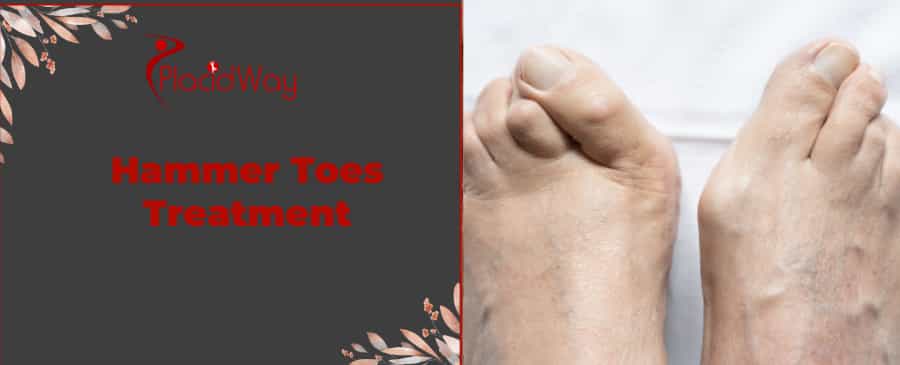
Rediscover Pain-Free Steps: Comprehensive Hammer Toes Treatment Options
Are you experiencing persistent pain, discomfort, or difficulty wearing shoes due to a toe that's unnaturally bent or curled? You might be dealing with hammer toes – a common foot deformity that can significantly impact your daily life. The good news is that effective hammer toes treatment is available, offering a path to pain relief and improved mobility. Whether you're exploring non-surgical remedies or considering advanced surgical correction, understanding your options is the first step towards walking comfortably again.
A hammer toe is a deformity that causes your toe to bend or "buckle" at the middle joint, resembling a hammer. While it most commonly affects the second, third, or fourth toe, it can occur in any toe. Initially, the deformity might be flexible and easily corrected, but over time, it can become rigid and permanently fixed in the bent position, leading to painful corns, calluses, and difficulty walking. Our goal is to provide a detailed guide to hammer toes, covering everything from the underlying causes and symptoms to various treatment approaches, recovery expectations, and why many patients worldwide choose to seek care abroad for this condition.
Many individuals search for "how to fix bent toe," "what causes hammer toe pain," or "best hammer toe treatment options." This comprehensive guide aims to answer those questions and more, empowering you with the knowledge to make informed decisions about your foot health. Let's delve into how you can find lasting relief from hammer toe discomfort.
What are the common symptoms of hammer toes?
Recognizing the signs of hammer toes early can help in seeking timely intervention. The most obvious symptom is the visible bending or curling of a toe, often at the middle joint (proximal interphalangeal joint). However, other symptoms can include:
- Pain and Stiffness: Discomfort in the affected toe, especially when walking, running, or trying to straighten the toe. The joint may feel stiff and resistant to movement.
- Corns and Calluses: These thickened areas of skin often develop on the top of the bent toe where it rubs against shoes, or on the tip of the toe, or between toes due to increased pressure.
- Difficulty Wearing Shoes: Shoes, particularly those with narrow toe boxes or high heels, can exacerbate pain and friction.
- Redness and Swelling: Inflammation around the affected joint is common due to constant irritation.
- Restricted Movement: As the condition progresses, the toe can become rigid, making it impossible to straighten manually.
- Discomfort in the Ball of the Foot: Sometimes, the changed biomechanics can lead to pain under the ball of the foot (metatarsalgia).
If you're experiencing any of these symptoms, especially persistent pain or increasing rigidity, it's wise to consult a foot specialist. Many patients search for "hammer toe pain relief" or "what does hammer toe feel like," indicating a clear need for symptom-focused information.
What are the common causes and risk factors for developing hammer toes?
Understanding the root causes of hammer toes can help in both prevention and effective treatment. The primary culprit is often a muscle imbalance in the foot, leading to tension in the tendons and ligaments that control the toes. This imbalance causes the toe to buckle. Specific factors that contribute to this include:
- Improper Footwear: Wearing shoes that are too tight, too short, or have high heels forces the toes into a bent position. Over time, this can lead to the muscles and tendons in the foot shortening and the toe becoming permanently bent.
- Foot Structure: Certain foot types, such as those with high arches or flat feet, may be more prone to developing hammer toes.
- Genetics: A family history of hammer toes or other foot deformities can increase your risk.
- Trauma: A previous injury, such as a stubbed or broken toe, can weaken the toe's structure and lead to a hammer toe.
- Arthritis: Conditions like rheumatoid arthritis or osteoarthritis can affect the joints in the toes, increasing the likelihood of deformities.
- Nerve Damage: Certain neurological conditions can cause muscle imbalances, leading to hammer toes.
- Age: The risk of developing hammer toes tends to increase with age.
Many patients wonder "what causes bent toes" or "how to prevent hammer toe." Addressing these underlying causes, especially footwear choices, is crucial for both management and prevention.
What types of hammer toes treatment are available?
Treatment approaches for hammer toes depend on the severity and flexibility of the deformity. They generally fall into two categories:
Non-Surgical Treatments (for flexible hammer toes):
These methods aim to alleviate pain and prevent the condition from worsening, especially when the toe can still be straightened manually.
- Appropriate Footwear: Switching to shoes with a deep, wide toe box can relieve pressure and prevent further irritation.
- Orthotics and Padded Inserts: Custom or over-the-counter orthotics can help redistribute pressure and provide support. Toe pads or cushions can protect corns and calluses.
- Stretching and Exercises: Simple exercises, like picking up marbles with your toes or gently stretching the toe, can help maintain flexibility. Many search for "hammer toe exercises."
- Taping or Splinting: A specialist may tape the toe to hold it in a straighter position.
- Medication: Over-the-counter pain relievers or anti-inflammatory drugs can help manage pain and swelling.
- Cortisone Injections: In some cases, injections may be used to reduce inflammation in the joint.
Surgical Treatments (for rigid or severe hammer toes):
When conservative methods fail, or the hammer toe becomes rigid and painful, surgery may be recommended. The goal of hammer toe surgery is to straighten the toe and relieve pain. Common surgical procedures include:
- Arthroplasty (Joint Resection): This involves removing a small portion of bone from the affected joint, allowing the toe to straighten.
- Arthrodesis (Joint Fusion): For more severe cases, the bones of the affected joint are fused together to keep the toe permanently straight. This may involve pins or screws to hold the bones in place during healing.
- Tendon Lengthening or Transfer: If tight tendons are contributing to the deformity, they may be surgically lengthened or repositioned to help straighten the toe.
- Minimally Invasive Hammer Toe Surgery: Newer techniques use smaller incisions, potentially leading to faster recovery times. Patients often look for "minimally invasive hammer toe surgery."
The choice of procedure depends on the specific deformity, its flexibility, and the patient's overall health and lifestyle. Your surgeon will discuss the best "bent toe correction surgery" option for you.
Who is an ideal candidate for hammer toes treatment?
Most individuals who experience discomfort or functional issues due to a hammer toe can benefit from some form of treatment. Generally, you are an ideal candidate for treatment if you:
- Experience persistent pain, stiffness, or discomfort in your toes.
- Have difficulty wearing regular shoes due to the bent toe or associated corns and calluses.
- Find that conservative treatments (like wider shoes, padding, or exercises) no longer provide adequate relief.
- Have a rigid hammer toe that cannot be straightened manually.
- Are in overall good health, without conditions that would significantly complicate surgery or recovery (e.g., severe circulatory problems, uncontrolled diabetes).
For surgical correction, candidates should have realistic expectations about the outcomes and be committed to the recovery process. A thorough evaluation by a podiatrist or orthopedic surgeon will determine the most appropriate course of action, answering "when is hammer toe surgery necessary?".
What is the typical recovery time and what should I expect after hammer toe surgery?
Recovery from hammer toe surgery varies depending on the specific procedure performed and individual healing rates. Here's a general timeline and what you can expect:
- Immediately After Surgery: You'll typically go home the same day or stay overnight. Your foot will be bandaged, and you'll likely wear a special surgical shoe or boot to protect the toe and limit movement. Pain medication will be prescribed to manage discomfort.
- First 2-6 Weeks: You'll need to keep weight off your foot as much as possible, elevate it to reduce swelling, and keep the incision dry. Pins, if used, are usually removed around 3-4 weeks. Walking in the surgical shoe may be allowed, gradually increasing activity.
- 2-3 Months: Swelling may persist, but you can typically transition into wider, comfortable shoes. Physical therapy or toe exercises may be recommended to regain strength and flexibility.
- 3-6 Months and Beyond: Full recovery can take several months. Most people return to normal activities, including light exercise, by this point. However, some residual swelling might linger for up to a year.
Key expectations include managing pain and swelling, following post-operative instructions carefully, and understanding that each person's healing journey is unique. Many patients ask, "how long is hammer toe recovery?" or "is hammer toe surgery painful?". While discomfort is normal, it is manageable with medication.
What are the potential risks and side effects of hammer toe surgery?
Like any surgical procedure, hammer toe correction carries potential risks, though serious complications are rare. It's important to discuss these with your surgeon:
- Infection: Though sterile techniques are used, any incision carries a small risk of infection.
- Nerve Damage: Temporary or, rarely, permanent numbness or tingling in the toe.
- Persistent Swelling or Stiffness: Some swelling can last for months, and full range of motion may not be entirely restored.
- Recurrence: In some cases, the hammer toe can return, especially if underlying causes like tight shoes are not addressed.
- Non-Union or Mal-Union: If bone fusion is performed, the bones might not heal together properly or may heal in an incorrect position.
- Hardware Issues: Pins or screws used to stabilize the toe may cause irritation and sometimes need to be removed.
- Pain: While the goal is pain relief, some persistent discomfort can occur.
- Scarring: Visible scarring at the incision site.
Your surgical team will take every precaution to minimize these risks and ensure a safe procedure. Understanding "hammer toe surgery complications" helps in preparing for potential outcomes.
How much does hammer toe surgery cost worldwide?
The cost of hammer toe surgery can vary widely based on geographical location, the complexity of the procedure, the surgeon's fees, the type of facility, and whether the treatment is for one or multiple toes. Patients often search for "hammer toe surgery cost" or "how much does hammer toe surgery cost abroad?" to find affordable options.
Here's a general comparison of estimated costs for hammer toe surgery (per toe):
| Country | Estimated Cost Range (USD) | Notes |
|---|---|---|
| United States | $3,000 - $8,000+ | High cost, often covered by insurance, but high deductibles can apply. |
| United Kingdom | £2,500 - £6,000 ($3,200 - $7,600) | NHS waiting lists, private care can be costly. |
| Mexico | $1,500 - $3,500 | Popular for medical tourism, good quality at lower prices. |
| India | $1,200 - $3,000 | Very competitive prices, reputable hospitals and surgeons. |
| Turkey | $1,800 - $4,000 | Growing medical tourism destination with modern facilities. |
| Poland | $2,000 - $4,500 | EU standards of care at more affordable rates. |
| Thailand | $2,000 - $4,500 | Excellent reputation for medical tourism, combining treatment with travel. |
These are approximate costs and can vary. It's crucial to get a detailed quote that includes surgeon's fees, anesthesia, facility charges, post-operative care, and any necessary implants or hardware. For many, seeking "affordable hammer toe surgery" abroad provides significant savings without compromising on quality.
Why should I consider hammer toe treatment abroad?
Medical tourism for hammer toe treatment has become increasingly popular for several compelling reasons:
- Cost Savings: This is often the primary driver. As shown in the cost table, procedures abroad can be significantly more affordable than in Western countries, even when factoring in travel and accommodation.
- Access to Specialized Care: Many international clinics boast world-class orthopedic surgeons specializing in foot and ankle surgery, using state-of-the-art technology and techniques.
- Reduced Waiting Times: In countries with public healthcare systems, waiting lists for elective surgeries can be long. Abroad, you can often schedule your procedure much sooner.
- Privacy and Discretion: Some patients prefer the anonymity and privacy offered by receiving treatment in another country.
- Combine Treatment with Travel: The opportunity to recover in a pleasant, often tourist-friendly environment, turning a medical necessity into a more positive experience. Many search for "hammer toe repair medical tourism."
Which countries offer the best value for hammer toe surgery?
Several countries have established themselves as leaders in medical tourism, offering a combination of affordability, quality, and patient-focused services for procedures like hammer toe surgery:
- Mexico: Proximity to the US, highly experienced surgeons, and significantly lower costs make it a top choice, particularly for foot surgeries.
- India: Known for its advanced medical infrastructure, highly skilled doctors, and extremely competitive pricing across a range of procedures.
- Turkey: A burgeoning medical tourism hub, offering modern hospitals, experienced surgeons, and a strategic location between Europe and Asia.
- Poland: Offers high-quality European standards of care at a fraction of the cost found in Western Europe or North America.
- Thailand: Celebrated for its luxurious medical facilities, compassionate care, and renowned for combining medical treatment with an attractive travel destination.
When searching for "best countries for hammer toe surgery," these nations consistently appear due to their strong value propositions.
What should I expect when traveling abroad for hammer toe treatment?
Traveling for medical treatment requires careful planning. Here's what you can generally expect:
- Initial Consultation & Planning: You'll likely have a virtual consultation with an overseas surgeon or a medical tourism facilitator like PlacidWay. They will help you with quotes, travel logistics, and clinic selection.
- Travel Arrangements: This includes flights, accommodation, and often airport transfers. Many clinics or facilitators offer all-inclusive packages.
- Pre-Operative Care: Upon arrival, you'll undergo in-person consultations, medical evaluations, and pre-surgical tests.
- The Procedure: The hammer toe surgery itself, followed by immediate post-operative care in the clinic.
- Recovery & Follow-Up: You'll need to stay for a period of initial recovery (e.g., 1-2 weeks depending on the surgery) for wound checks, pin removal (if applicable), and follow-up consultations before flying home. Ensure you have comfortable, spacious footwear for your return journey.
- Language & Support: Reputable medical tourism providers and clinics offer English-speaking staff and often translation services to ensure clear communication.
It's crucial to plan for an extended stay, not just for the surgery, but also for adequate initial recovery before the journey home. Consider searching "traveling for foot surgery" for more specific tips.
How can I ensure safety and quality when choosing hammer toe surgery abroad?
Ensuring a safe and high-quality experience is paramount when opting for hammer toe surgery abroad:
- Accreditation: Look for international accreditations such as Joint Commission International (JCI) or ISO certifications. These signify that the clinic meets stringent global healthcare standards.
- Surgeon Credentials: Verify the surgeon's qualifications, experience, and specialization in foot and ankle surgery. Ask about their success rates and how many hammer toe procedures they perform annually.
- Facility Standards: Research the hospital or clinic's technology, hygiene standards, and patient safety protocols.
- Patient Reviews & Testimonials: Seek out reviews from previous international patients to gauge their experiences regarding care, communication, and outcomes.
- Medical Tourism Facilitator: Partnering with a reputable company like PlacidWay can streamline the process. They vet clinics, assist with logistics, and provide patient advocacy, helping you find "best hammer toe doctor abroad."
- Clear Communication: Ensure clear communication with the medical team, addressing all your questions and concerns before committing.
What are patient success stories from abroad for hammer toe repair?
Numerous patients have found successful relief and improved quality of life through hammer toe treatment abroad. Here are common themes from their success stories:
- Restored Comfort and Function: "After years of struggling with painful corns and difficulty walking, my hammer toe surgery in Mexico completely transformed my foot. I can finally wear normal shoes again without pain."
- High-Quality Care and Professionalism: "I was hesitant at first, but the clinic in Thailand was incredibly modern, and the surgeon was highly skilled. The entire team provided exceptional care, comparable to what I'd expect at home, but at a fraction of the cost."
- Efficient and Personalized Service: "The process of getting treatment in Turkey was so smooth. PlacidWay helped with all the arrangements, and I felt like a VIP. The recovery was easier than I anticipated, and my toe looks and feels great."
- Life-Changing Results: "My rigid hammer toe limited my ability to be active. After surgery in India, I'm back to hiking and enjoying life. It's truly a life-changer, and I'm grateful for the affordable and excellent care."
These stories underscore the positive impact that accessible, high-quality international medical care can have on patients suffering from hammer toes, helping them to literally get back on their feet. Patients often share their experiences online, emphasizing their satisfaction with "hammer toe treatment outcomes abroad" and their choice to pursue care internationally.
Take the Next Step with PlacidWay
Ready to explore treatment options abroad? Discover top clinics, compare prices, and get a free quote tailored to your needs with PlacidWay.
Laser Surgery Abroad




.png)


.png)


.png)
-(1).png)
-(6).png)













Share this listing