
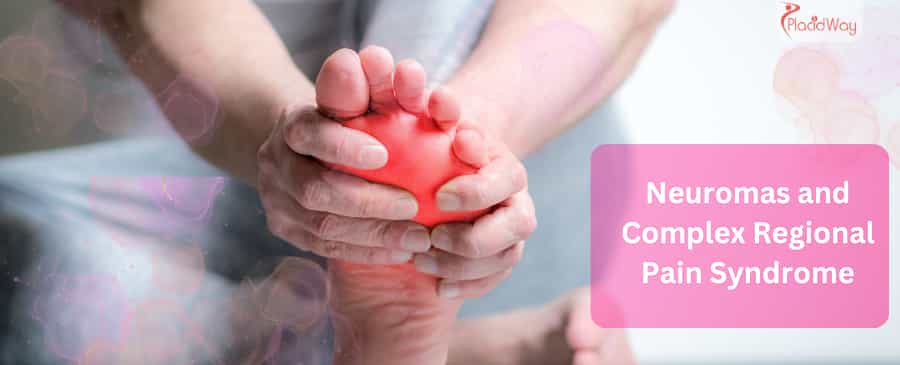
Finding Relief from Neuroma Pain: Your Guide to Treatment Abroad
Living with chronic nerve pain can be debilitating, impacting every aspect of your daily life. If you've been diagnosed with a neuroma—a benign thickening of nerve tissue, often causing sharp, burning pain, numbness, or tingling—you know this struggle firsthand. Whether it's a Morton's neuroma in your foot, a stump neuroma after an amputation, or a traumatic neuroma elsewhere, finding effective relief is paramount.
For many, the path to recovery involves exploring treatment options beyond their home country. Medical tourism for neuroma treatment offers a compelling blend of affordability, access to specialized surgeons, and shorter wait times. This comprehensive guide will walk you through everything you need to know about neuromas and how PlacidWay can help you connect with world-class care abroad.
We understand the frustration and discomfort a neuroma can bring. Our goal is to empower you with knowledge about symptoms, causes, various treatment approaches, recovery expectations, and crucially, how to navigate the global landscape of medical care to find the best solution for your nerve pain.
What are the common symptoms of a neuroma?
Recognizing the symptoms of a neuroma is the first step toward diagnosis and treatment. While specific symptoms can vary based on the neuroma's location, the underlying theme is nerve irritation and compression. For a common Morton's neuroma, located between the toes, you might experience:
- Burning pain: Often described as an electrical shock or intense burning sensation, particularly in the ball of your foot, radiating into the toes.
- Numbness or tingling: A "pins and needles" sensation in the affected toes.
- Feeling of a pebble: Many describe it as if they are walking on a bunched-up sock or a stone inside their shoe, even when nothing is there.
- Forefoot pain: Pain that worsens when wearing tight shoes, high heels, or after prolonged standing or walking.
- Clicking sensation: Some people report a clicking feeling when walking.
Other types of neuromas, such as traumatic neuromas that can form after surgery or injury, might present with localized tenderness, hypersensitivity to touch, or shooting pain in the area of the injured nerve. It's crucial to consult a medical professional if you experience persistent nerve-related pain.
What causes neuromas and who is at risk?
While the exact cause can sometimes be elusive, neuromas generally develop due to repeated irritation, compression, or injury to a peripheral nerve. For Morton's neuroma, the most common type, several factors contribute:
- Improper footwear: High heels or shoes with a narrow toe box can compress the toes and the nerves between them, leading to inflammation and neuroma formation. This is a significant factor in why women are more prone to Morton's neuroma.
- Foot deformities: Conditions like bunions, hammertoes, flat feet, or high arches can create instability and pressure on the nerves.
- High-impact activities: Sports that involve repetitive stress on the balls of the feet, such as running, tennis, or dancing, can contribute to nerve irritation.
- Trauma or injury: A direct injury to a nerve can sometimes lead to a traumatic neuroma, which is a disorganized growth of nerve tissue at the site of the injury. This is common in "stump neuromas" after amputation.
- Inflammation: Any condition causing inflammation around a nerve can contribute to neuroma development.
Understanding these risk factors can help in prevention and guide treatment strategies, particularly for conservative management.
What are the effective treatment options for neuroma pain?
Treating a neuroma typically follows a step-wise approach, starting with less invasive options before considering surgery. The goal is always to reduce nerve compression and inflammation. Common treatments include:
Non-Surgical Treatments:
- Footwear changes: Wearing shoes with wide toe boxes, low heels, and good arch support can significantly reduce pressure.
- Custom orthotics: Shoe inserts designed to redistribute pressure away from the affected nerve.
- Rest and ice: Reducing activities that aggravate the pain and applying ice can help manage inflammation.
- Medications: Over-the-counter pain relievers (NSAIDs) can help with pain and inflammation.
- Steroid injections: Corticosteroid injections can reduce inflammation around the nerve, providing temporary relief.
- Alcohol (sclerosing) injections: A series of injections with a high concentration of alcohol can chemically ablate the nerve, reducing its size and pain signals.
- Cryoablation: This procedure uses extremely cold temperatures to destroy the nerve tissue, aiming to relieve pain without removing the nerve.
Surgical Treatments:
- Nerve decompression: In some cases, releasing ligaments or surrounding tissue can create more space for the nerve, alleviating pressure.
- Neuroma excision (neurectomy): This involves surgically removing the affected portion of the nerve. While highly effective, there's a small risk of developing a "stump neuroma" at the cut end of the nerve.
The choice of treatment depends on the neuroma's size, location, and severity, as well as the patient's overall health and preferences.
Am I a good candidate for neuroma surgery?
Neuroma surgery is generally considered when conservative treatments have failed to provide adequate relief over an extended period, usually several months. You might be a candidate if:
- You experience severe, persistent pain that significantly interferes with your daily activities, work, or quality of life.
- You've diligently tried non-surgical options like orthotics, shoe changes, rest, and multiple injection therapies without lasting success.
- Imaging studies (like MRI or ultrasound) confirm the presence and size of the neuroma.
- You are in generally good health, without conditions that would significantly increase surgical risks.
- You understand the potential benefits, risks, and recovery process associated with the chosen surgical procedure.
It's crucial to have an in-depth consultation with a specialist who can accurately diagnose your condition and discuss whether surgery is the most appropriate next step for you. Sometimes, a second opinion can also be beneficial, especially when considering treatment abroad.
What is the typical recovery time after neuroma treatment?
The road to recovery depends heavily on the type of neuroma treatment you undergo:
- Non-Surgical Treatments (Injections, Cryoablation):
- Downtime: Minimal to none. You might experience some localized soreness or bruising for a few days.
- Return to activity: Most people can resume light activities immediately, with full activity typically within a week, as tolerated.
- Surgical Excision (Neurectomy) or Decompression:
- Immediate Post-Op: You'll likely need to keep weight off the foot (if it's a foot neuroma) for a few days to a few weeks. Crutches or a special surgical shoe/boot may be required.
- First few weeks: Swelling, bruising, and mild pain are common. Stitches are usually removed after 1-2 weeks. You'll gradually increase weight-bearing as advised by your surgeon.
- Full Recovery: It can take 6 weeks to 3 months for the surgical site to fully heal and swelling to subside. Complete return to vigorous activities, like running, might take 3-6 months. Physical therapy may be recommended to regain strength and flexibility.
It's essential to follow your surgeon's post-operative instructions carefully to ensure the best possible outcome and minimize complications.
What are the potential risks and side effects of neuroma treatment?
While neuroma treatments are generally safe and effective, it's important to be aware of potential risks and side effects:
Risks of Non-Surgical Treatments:
- Injections (Steroid, Alcohol):
- Temporary pain, swelling, or bruising at the injection site.
- Skin discoloration or fat atrophy (with steroid injections).
- Infection (rare).
- Nerve damage (very rare with skilled administration).
- Cryoablation:
- Temporary numbness or discomfort.
- Infection (rare).
- Skin changes or blistering.
Risks of Surgical Treatments:
- General Surgical Risks:
- Infection.
- Excessive bleeding.
- Adverse reaction to anesthesia.
- Blood clots.
- Specific Neuroma Surgery Risks:
- Persistent numbness: While the goal is to relieve pain, some degree of numbness in the area served by the removed nerve is common and often permanent after excision.
- Recurrent neuroma (stump neuroma): In about 5-10% of cases after nerve excision, the cut end of the nerve can grow back abnormally, forming another painful neuroma.
- Swelling and scarring: Post-operative swelling can be prolonged, and some scarring will occur.
- Nerve damage: Accidental injury to adjacent nerves (rare).
- Dissatisfaction with outcome: Not all patients achieve complete pain relief.
Discuss all potential risks with your surgeon to make an informed decision.
How much does neuroma treatment cost worldwide?
Cost is a significant factor for many patients seeking neuroma treatment, and prices can differ dramatically across countries. The table below provides estimated ranges for neuroma excision surgery, which is often the most definitive treatment when conservative methods fail. Prices for non-surgical treatments like injections are generally lower but can still vary.
| Country | Estimated Cost Range (USD) for Neuroma Excision | Notes |
|---|---|---|
| USA | $7,000 - $15,000+ | High cost, varies by state, facility, and insurance. |
| UK | $6,000 - $12,000+ (Private) | NHS wait times can be long; private care is expensive. |
| Mexico | $2,500 - $5,000 | Popular for proximity to US, good quality clinics. |
| Turkey | $3,000 - $6,000 | Growing medical tourism hub with modern facilities. |
| India | $2,000 - $4,500 | Very competitive pricing, renowned specialists. |
| Thailand | $3,000 - $5,500 | Excellent hospitality, high-quality private hospitals. |
| Spain | $4,000 - $8,000 | High standards of care within Europe. |
These figures are estimates and can vary based on the complexity of the case, the surgeon's fees, hospital charges, pre-operative tests, and post-operative care. PlacidWay can help you get precise, personalized quotes.
Why should I consider traveling abroad for neuroma treatment?
The decision to seek medical treatment abroad, especially for conditions like neuromas, is becoming increasingly common. Here's why many patients choose this path:
- Significant Cost Savings: As seen in the cost comparison, procedures can be drastically more affordable in many countries without compromising on quality. This is a primary driver for medical tourists, especially for those without adequate insurance coverage.
- Access to Specialized Expertise: Some countries and clinics specialize in specific procedures or boast internationally recognized surgeons who might not be easily accessible at home.
- Reduced Wait Times: In countries with universal healthcare systems, long waiting lists for non-emergency procedures can be a deterrent. Abroad, you often get quicker access to consultations and surgery.
- Advanced Technology and Techniques: Many international hospitals are at the forefront of medical innovation, offering cutting-edge equipment and less invasive surgical approaches.
- Privacy and Anonymity: For some, receiving treatment away from their local community provides an added layer of privacy.
- Opportunity for Travel: Combining treatment with a recuperative holiday can be an appealing aspect for some patients, making the overall experience less stressful.
For persistent neuroma pain, exploring international options can open doors to effective and affordable solutions.
Which countries offer the best value for neuroma treatment abroad?
When seeking high-quality, affordable neuroma treatment, certain countries consistently stand out:
- Mexico: With its proximity to the US and Canada, Mexico is a top choice for patients seeking excellent care at a fraction of the cost. Cities like Tijuana, Cancun, and Guadalajara have modern hospitals and experienced foot and ankle surgeons.
- Turkey: Istanbul and Ankara are hubs for medical tourism, offering state-of-the-art hospitals, internationally trained doctors, and comprehensive treatment packages that include accommodation and transfers.
- India: Renowned for its highly skilled medical professionals and advanced facilities, India provides some of the most cost-effective medical treatments globally. Major cities like Delhi, Mumbai, and Bangalore have world-class orthopedic centers.
- Thailand: Known for its exceptional hospitality and accredited hospitals, Thailand combines high-quality medical care with a pleasant recovery environment. Bangkok and Phuket are popular destinations.
- Spain: For European patients, Spain offers accessible, high-standard care within the EU, often at more competitive prices than the UK or Nordic countries.
PlacidWay partners with carefully vetted clinics in these and other countries to ensure you receive reliable, high-quality care.
What should I expect when traveling for neuroma surgery abroad?
Traveling for medical treatment requires careful planning. Here's a general overview of what to expect:
- Initial Consultation & Planning: PlacidWay will help you connect with clinics, share your medical records for a remote evaluation, and get personalized treatment plans and quotes. This is where you discuss your case, treatment options, and surgeon's experience.
- Travel Arrangements: Once you decide, you'll arrange flights, accommodation, and potentially a medical visa (PlacidWay can assist with this). It's advisable to have a companion travel with you, especially for post-operative support.
- Arrival & Pre-Operative Care: Upon arrival, you'll have in-person consultations, physical examinations, and any necessary pre-operative tests (blood work, imaging).
- The Procedure: Your neuroma surgery or treatment will be performed by experienced specialists in a modern facility.
- Post-Operative Recovery Abroad: You'll spend a few days to a week (or more, depending on the surgery and recovery needs) recovering at your accommodation, attending follow-up appointments, and having dressings changed. Your surgeon will provide specific instructions for post-operative care and travel clearance.
- Return Home & Continued Recovery: You'll return home with detailed instructions for ongoing recovery, which may include physical therapy. Telemedicine follow-ups are often available.
Many clinics offer "medical tourism packages" that include airport transfers, accommodation, and translator services to make your journey smoother.
How can I ensure safety and quality when seeking neuroma treatment abroad?
Ensuring safety and quality is paramount when considering medical treatment abroad. Here are key steps to take:
- Choose Accredited Facilities: Look for international accreditations such as Joint Commission International (JCI), ISO, or local government certifications. These indicate adherence to high standards of patient care and safety.
- Verify Surgeon Credentials: Research the surgeon's qualifications, experience, specialization in neuroma treatment, and professional affiliations. Many top surgeons in medical tourism destinations have international training.
- Read Patient Reviews and Testimonials: Look for authentic reviews on independent platforms. PlacidWay provides access to patient success stories and verified feedback.
- Demand Transparency: Ensure the clinic provides a comprehensive treatment plan, including all costs, potential risks, and expected outcomes, before you travel.
- Understand Communication: Confirm that you'll have access to translators or English-speaking staff throughout your journey.
- Use a Reputable Medical Tourism Facilitator: Companies like PlacidWay thoroughly vet clinics and doctors, streamline the process, and provide support throughout your journey, significantly reducing risks.
- Check for Insurance Coverage: Understand if your domestic insurance will cover any part of the treatment or if you need travel insurance that includes medical emergencies.
Thorough research and careful planning are your best tools for a safe and successful medical journey.
What are patient success stories from abroad for neuroma treatment?
Countless individuals have found lasting relief from neuroma pain by seeking treatment through medical tourism. These success stories often share common themes:
- John from the UK: After years of debilitating Morton's neuroma pain and facing long NHS waiting lists, John traveled to Turkey for an excision. He reported significant pain reduction and was able to resume his hiking hobby within a few months, impressed by the modern facility and attentive staff.
- Maria from Canada: Frustrated by high costs and limited non-surgical options at home, Maria opted for alcohol injections for her neuroma in Mexico. She lauded the personalized care, felt the communication was excellent, and achieved complete pain resolution, saving thousands of dollars.
- David from Australia: Struggling with a recurring stump neuroma after a previous injury, David found a specialized nerve surgeon in India through PlacidWay. He praised the surgeon's expertise and the state-of-the-art hospital, finally getting the relief he sought after years of discomfort.
These stories underscore the potential for high-quality, effective, and affordable neuroma treatment available through medical tourism. While individual results vary, the opportunity to regain an active, pain-free life is a powerful motivator for many.
Take the Next Step with PlacidWay
Ready to explore treatment options abroad? Discover top clinics, compare prices, and get a free quote tailored to your needs with PlacidWay.
Laser Surgery Abroad



.jpg)
.png)

Share this listing