
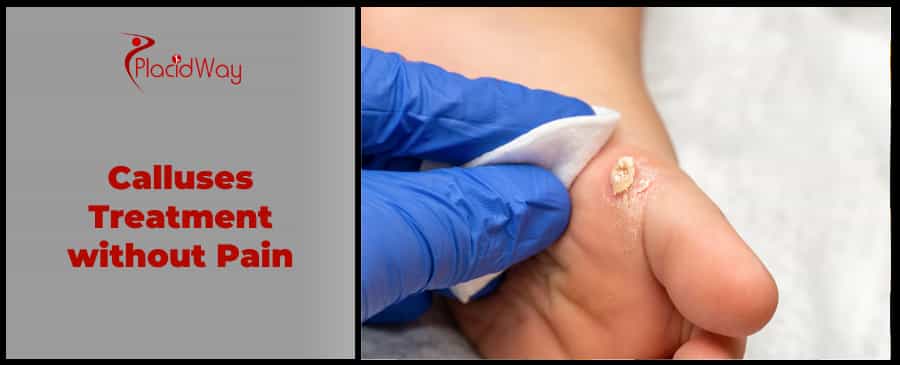
Gentle Relief: Discover Pain-Free Callus Treatment for Healthy Feet
Are you experiencing discomfort or embarrassment due to stubborn calluses? You're not alone. Many people struggle with thickened, hardened skin on their feet or hands, often wishing for a solution that doesn't involve painful scraping or risky home remedies. The good news is, effective and truly pain-free callus treatment is not only possible but readily available through professional medical care.
Calluses, while often a natural response to friction and pressure, can become sore, unsightly, and even interfere with daily activities. For those seeking lasting relief and improved foot health, especially without any accompanying pain during the removal process, modern medical approaches offer a clear path forward. This guide will explore everything you need to know about pain-free callus treatment, from understanding their causes to discovering advanced, gentle removal options, including the benefits of considering treatment abroad.
Imagine walking, standing, or wearing your favorite shoes without the constant irritation of rough, thick skin. With expert care, this can become your reality. Let's delve into how professional, pain-free methods can restore comfort and confidence to your feet.
What exactly are calluses and why do they form?
Calluses are the body’s natural defense mechanism. When your skin is exposed to constant rubbing, pressure, or irritation, it reacts by producing more skin cells, specifically keratin, to create a protective barrier. This build-up of dead skin cells results in a thickened, tough patch of skin. Unlike corns, which are usually smaller, deeper, and have a central core, calluses tend to be larger, flatter, and spread over a wider area.
Common locations include the balls of the feet, the heels, the sides of the feet (especially if shoes don't fit well), and even the hands (from tools, sports, or manual labor). Understanding this protective mechanism is key to appreciating why addressing the underlying cause of friction is crucial for long-term relief, alongside professional, pain-free removal.
What are the common symptoms of calluses, and when should you seek professional help?
Identifying a callus is usually straightforward due to its distinctive appearance and feel:
- Thickened, hardened skin: The most obvious sign is a patch of skin that feels tough and dense compared to surrounding skin.
- Rough or bumpy texture: The surface may feel uneven.
- Dry, flaky appearance: Calluses can often look dry and sometimes crack, especially around the edges.
- Reduced sensitivity: The thickened skin can sometimes reduce normal skin sensation in the area.
- Discomfort or pain: While initially protective, large or deep calluses can press on nerves, leading to pain, especially when walking or wearing shoes. Patients often search for "painful foot calluses relief" or "sore callus treatment."
- Yellowish or grayish discoloration: The color can differ from your natural skin tone.
You should absolutely consider professional help, especially if:
- The callus is causing significant pain or interfering with your daily life.
- You notice redness, swelling, pus, or increased warmth, which could indicate an infection.
- You have diabetes, poor circulation, or any condition that affects foot sensation or healing. For diabetic patients, even a minor foot issue can quickly escalate.
- Home remedies haven't worked or have made the situation worse.
- You want a truly pain-free and lasting solution that addresses the root cause.
What causes calluses, and how can they be prevented?
The primary culprits behind callus formation are:
- Ill-fitting shoes: Shoes that are too tight, too loose, or have high heels can create abnormal pressure points and friction on the feet. This is a common search for "how to stop calluses from shoes."
- Walking abnormalities: Certain foot conditions (like bunions, hammertoes, or flat feet) or gait issues can lead to uneven weight distribution and increased pressure on specific areas.
- Not wearing socks: Direct friction between skin and shoes can quickly lead to calluses.
- Repetitive activities: Athletes, musicians, or manual laborers often develop calluses on hands or feet due to repeated rubbing or pressure from tools or equipment.
- Aging: As we age, the natural fatty padding in our feet thins, offering less protection.
Preventing calluses largely revolves around minimizing friction and pressure:
- Wear properly fitting shoes: Ensure shoes are comfortable, provide adequate support, and have enough room in the toe box.
- Use protective padding: Moleskin, felt pads, or gel inserts can cushion high-pressure areas.
- Wear socks: Socks provide a barrier against friction.
- Keep feet moisturized: Hydrated skin is more pliable and less prone to hardening and cracking.
- Address foot abnormalities: Custom orthotics can correct gait issues and redistribute pressure evenly, a solution often searched for as "callus prevention orthotics."
- Trim toenails regularly: Long toenails can push toes against shoes, causing friction.
What pain-free professional treatments are available for calluses?
Gone are the days when callus removal meant painful scraping. Modern professional treatments are designed for comfort and effectiveness:
- Medical Pedicure (Podiatric Debridement): This is arguably the most common and effective pain-free method. A trained podiatrist or medical foot care specialist uses sterile instruments (scalpel, pumice, or specialized files) to gently and precisely shave or trim away the thickened, dead skin. Because calluses consist of dead skin, this process is generally painless when performed correctly. It's often referred to as "professional callus removal" or "medical foot care for calluses."
- Keratolytic Agents: These are topical medications, often containing salicylic acid or urea, that help break down the keratin in the callus, softening it for easier, gentle removal. They are applied over a period and can be highly effective, especially for stubborn calluses. This is a common search for "best cream for calluses without pain."
- Moisturizing and Emollient Therapies: Regular application of specialized medical-grade moisturizers can significantly soften calluses over time, making them easier to manage and less prone to hardening. This is often part of a comprehensive "diabetic foot care regimen" where skin integrity is paramount.
- Custom Orthotics and Padding: While not a removal method, custom orthotics address the root cause by redistributing pressure, preventing calluses from reforming. This is a key part of long-term "callus management" strategies.
- Laser Treatment (less common for simple calluses): In some specific cases, a low-level laser might be used to gently reduce the thickness of particularly persistent or difficult calluses, though this is less common for routine removal and usually reserved for more complex dermatological issues.
The key to pain-free treatment is the expertise of the professional. They know how to remove only the dead skin without affecting healthy tissue, ensuring comfort throughout the process.
Who is an ideal candidate for professional callus removal without pain?
If you're asking "who can get professional callus removal?", the answer is broad. An ideal candidate includes:
- Individuals experiencing discomfort or pain: If your calluses make walking, standing, or wearing shoes difficult, professional removal can offer immediate relief.
- Those seeking aesthetic improvement: Calluses can be unsightly, and many people want smoother, healthier-looking skin.
- Diabetic patients or those with poor circulation: For these individuals, proper foot care is critical. Self-treating can lead to wounds or infections. Professional, pain-free removal by a podiatrist is the safest option. Searches like "diabetic callus treatment without cutting" highlight this concern.
- People with reduced sensation in their feet (neuropathy): Without proper feeling, it's easy to injure oneself with home remedies. Professional care ensures safety.
- Anyone whose calluses recur despite home care: This often indicates an underlying biomechanical issue that a professional can identify and help address.
- Athletes or those with active lifestyles: Preventing calluses from becoming painful can keep them performing at their best.
There are very few contraindications, but it's always best to discuss any existing skin conditions or health issues with your foot care specialist to ensure the most appropriate and safe treatment plan.
What does recovery from a gentle callus treatment involve?
One of the significant advantages of professional pain-free callus treatment is the minimal to no recovery time. Because only dead skin is removed, there's no open wound or surgical site to heal. Here's what you can generally expect:
- Immediate Relief: Most patients report feeling an immediate sense of relief and comfort, often saying their feet feel "lighter" or "softer."
- No Downtime: You can typically walk and resume your normal activities right after the procedure. There's no need to rest or stay off your feet.
- Post-Treatment Care: Your specialist will likely recommend continued moisturizing of the treated area to maintain skin suppleness and prevent future hardening. They might also suggest specific creams or emollients.
- Preventative Measures: The most crucial "recovery" aspect is implementing preventative measures discussed with your podiatrist – this includes wearing appropriate footwear, using custom orthotics if recommended, and maintaining good foot hygiene. This proactive approach helps in "how to prevent calluses from coming back."
- Follow-up appointments: Depending on the severity and cause of your calluses, periodic follow-up appointments may be recommended for maintenance.
The goal is to maintain the results and prevent recurrence, making your feet comfortable for the long term.
Are there any risks or side effects associated with pain-free callus removal?
When performed by a qualified and experienced professional, pain-free callus removal is incredibly safe with very few risks. The emphasis is on "qualified professional" because improper home treatment or care by untrained individuals can indeed lead to problems.
Potential (but rare, with professional care) risks and side effects include:
- Minor irritation or redness: The skin might be slightly sensitive immediately after the removal of thick callus layers, but this typically subsides quickly.
- Over-reduction of skin: In very rare cases, if too much skin is removed, the area could become tender or sore. This is highly unlikely with a skilled podiatrist who knows precisely how much dead skin to remove.
- Infection: This is an extremely low risk in a professional clinical setting where sterile instruments and proper hygiene protocols are followed. However, using non-sterile tools at home significantly increases this risk. This is why "DIY callus removal gone wrong" is a common search.
- Allergic reaction: If keratolytic agents are used, there's a minimal chance of a localized skin reaction, which is why a patch test or careful application is always recommended.
The benefits of professional removal far outweigh these minimal risks, especially when compared to the dangers of attempting to cut or scrape calluses yourself.
How does the cost of callus treatment compare globally?
While callus removal isn't a high-cost procedure like major surgery, prices can still vary, making medical tourism an attractive option, especially when combined with a vacation or other health treatments. Here’s a general comparison:
| Region/Country | Estimated Cost per Session (USD) | Typical Inclusions |
|---|---|---|
| USA / Western Europe | $75 - $200+ | Consultation, debridement, basic aftercare advice. May not include advanced moisturizers or orthotics. |
| Eastern Europe (e.g., Poland, Hungary) | $40 - $100 | Consultation, debridement, often part of a broader "medical pedicure" package. |
| Mexico / Costa Rica | $30 - $80 | Consultation, debridement, often in specialized foot care clinics. Popular for combined treatments. |
| Southeast Asia (e.g., Thailand, Malaysia) | $25 - $70 | High-quality medical pedicures, advanced foot spas, often with excellent service standards. |
| Turkey | $35 - $90 | Reputable podiatry clinics offering comprehensive foot care services. |
These are estimates and can vary based on the clinic's reputation, the podiatrist's experience, and whether the treatment is part of a larger foot care package or addresses more complex issues. For many, the value proposition abroad extends beyond just the cost of removal to include superior service, advanced technology, and a comprehensive approach to foot health.
Why consider traveling abroad for pain-free callus treatment?
While callus treatment might seem minor, the benefits of medical tourism extend to procedures of all sizes:
- Cost-Effectiveness: As seen in the table above, the cost of treatment can be significantly lower in many popular medical tourism destinations, even for high-quality care. This makes "affordable callus removal abroad" a compelling search.
- Access to Specialized Care: Some countries boast highly trained podiatrists and foot care specialists who use cutting-edge, gentle techniques that may not be as widely available or affordable in your home country.
- Advanced Technology: Clinics abroad often invest in the latest equipment for diagnosis and treatment, ensuring precise and effective results.
- Holistic Treatment Packages: Many clinics offer comprehensive foot care packages that include not just callus removal, but also preventative care, custom orthotics, and even specialized foot massages, providing a complete wellness experience.
- Combine with a Vacation: For a relatively quick procedure like callus removal, you can easily combine your treatment with a relaxing holiday, making it a "foot care holiday."
- Privacy and Discretion: Some individuals prefer to receive treatments in a different country for privacy reasons.
- Reduced Wait Times: In countries with overburdened healthcare systems, wait times for specialist appointments can be long. Abroad, you often get quicker access to care.
Which countries offer leading expertise and value for callus treatment?
When searching for "best countries for foot care" or "medical pedicure abroad," several destinations consistently stand out:
- Mexico: Especially popular for North Americans, Mexico offers highly reputable podiatry clinics, often near border towns or in major cities, providing excellent care at a fraction of US costs. The ease of travel and proximity are major draws.
- Costa Rica: Known for its medical and dental tourism, Costa Rica also has skilled podiatrists offering modern, gentle foot care in a beautiful, natural setting.
- Thailand & Malaysia: These Southeast Asian nations are hubs for medical tourism, offering world-class medical facilities, English-speaking staff, and luxurious service. You can find comprehensive "spa and medical foot care" packages.
- Turkey: With a growing reputation in health tourism, Turkey provides advanced medical treatments, including specialized podiatry, at competitive prices, often combined with a rich cultural experience.
- Eastern European Countries (e.g., Poland, Hungary, Czech Republic): These countries have a strong medical tradition and are increasingly popular for medical tourism. They offer high-quality, professional foot care with modern clinics and experienced specialists, often at much lower prices than Western Europe.
When selecting a destination, look for clinics accredited by international bodies or with strong patient testimonials, ensuring both quality and safety.
What should you expect when traveling for a callus treatment abroad?
Traveling for medical treatment, even a relatively minor one like callus removal, requires some planning. Here's a general overview of what to expect:
- Initial Consultation: Many clinics offer virtual consultations to assess your needs, review your medical history, and discuss treatment options. This helps determine if you're a good candidate for "international foot care services."
- Travel Arrangements: A medical tourism facilitator like PlacidWay can assist with flights, accommodation, and local transport, making your journey smooth and stress-free.
- Clinic Visit: Upon arrival, you'll have an in-person consultation, and the procedure will typically be scheduled shortly after. Clinics are often modern, clean, and equipped with the latest technology.
- The Procedure: The actual callus removal is quick, usually lasting between 30 minutes to an hour, depending on the number and severity of calluses. It will be performed by a skilled podiatrist using gentle, pain-free techniques.
- Immediate Recovery: As mentioned, there's no downtime. You'll be able to walk out of the clinic and enjoy your day.
- Post-Treatment Care & Follow-up: You'll receive clear instructions for aftercare and advice on preventing recurrence. Many clinics offer virtual follow-ups if needed.
- Language and Communication: Reputable medical tourism clinics often have English-speaking staff or provide translators to ensure clear communication.
The overall experience is designed to be comfortable and efficient, allowing you to focus on your health and enjoying your trip.
How can you ensure safety and quality when choosing an international clinic?
Ensuring safety and quality is paramount when seeking any medical treatment abroad. Here’s how you can do it:
- Accreditation: Look for clinics accredited by international bodies like the Joint Commission International (JCI). This signifies that the clinic meets stringent international healthcare standards.
- Doctor's Credentials: Verify the qualifications, experience, and specialization of the podiatrist or foot care specialist. Are they board-certified? How long have they been practicing? Search for "best podiatrists abroad."
- Patient Reviews and Testimonials: Read reviews from previous international patients. Websites like PlacidWay provide access to such feedback, offering insights into patient experiences.
- Facility Standards: Research the clinic's facilities. Are they modern, clean, and well-equipped? Do they adhere to strict hygiene and sterilization protocols?
- Transparent Pricing: Ensure the clinic provides a clear, itemized cost estimate upfront, with no hidden fees.
- Communication: Confirm that there will be clear communication with English-speaking staff or reliable translation services throughout your journey.
- Medical Tourism Facilitator: Utilize a reputable facilitator like PlacidWay. They vet clinics, assist with logistics, and advocate for your best interests, helping you find "trusted international clinics for calluses."
- Pre-departure Consultation: Have a thorough virtual consultation with the treating podiatrist to discuss your specific condition, treatment plan, and any concerns you may have.
Can I hear about patient success stories from abroad?
While specific individual stories are personalized, the overarching theme among patients who travel abroad for pain-free callus treatment is one of immense satisfaction and relief. Imagine:
- Sarah from Canada: "My calluses were so painful, I dreaded walking. I went to a clinic in Thailand, and not only was the medical pedicure incredibly gentle and effective, but I also felt like I was at a luxurious spa. My feet haven't felt this good in years, and the cost was a fraction of what I'd pay back home. It was truly a 'foot health vacation!'"
- John from the UK: "For years, I'd tried all sorts of home remedies for the stubborn callus on my heel, often making it worse. I decided to combine a trip to Poland with professional podiatric care. The clinic was modern, the podiatrist was fantastic, and the entire process was completely pain-free. My feet are now smooth, and I can play golf without discomfort again. Best decision ever."
- Maria from the USA: "As a diabetic, I'm always cautious about my feet. My doctor recommended professional care, and a friend suggested Mexico. I found a specialized foot care clinic that understood diabetic needs. They used such gentle techniques, and I felt so safe. My feet are healthy, and I can now manage my condition with greater peace of mind. It truly was 'diabetic foot care abroad' done right."
These stories underscore the core benefits: access to expert, gentle care, significant relief from discomfort, and the opportunity to rejuvenate both your feet and your spirit through travel.
Take the Next Step with PlacidWay
Ready to explore treatment options abroad? Discover top clinics, compare prices, and get a free quote tailored to your needs with PlacidWay.
Laser Surgery Abroad




.png)





.png)
.png)

.png)












Share this listing