
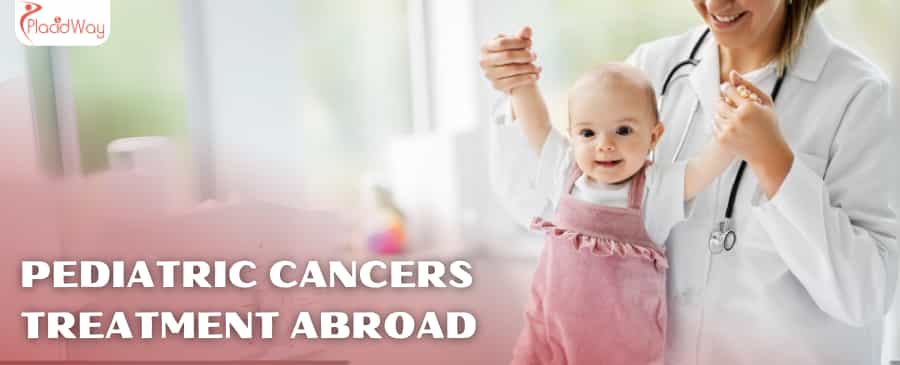
Finding Hope: Navigating Pediatric Cancer Treatment Abroad for Your Child
Receiving a diagnosis of cancer for a child is an experience no parent ever anticipates. It brings with it a wave of fear, uncertainty, and an urgent desire to find the best possible care, no matter where that journey may lead. For many families facing limited local options, long waitlists, or a need for highly specialized treatments, exploring pediatric cancer treatment abroad becomes a crucial path. This guide aims to illuminate the options and provide peace of mind for those considering international pediatric oncology.
Pediatric cancer treatment abroad refers to the process of seeking medical care for childhood cancers (such as leukemia, brain tumors, lymphomas, neuroblastoma, and sarcomas) in a country other than one's own. This decision is often driven by the pursuit of cutting-edge therapies, access to specific clinical trials, renowned specialists, or a more affordable treatment pathway. It’s about leveraging global medical expertise to give children the best chance at recovery and a healthy future. Families often search for "best hospitals for childhood cancer abroad," "international pediatric oncology centers," or "cost of children's cancer treatment overseas" to find suitable options.
Navigating this complex landscape requires understanding not just the medical procedures but also the logistics of international travel, accommodation, and support systems. The journey is undoubtedly challenging, but the potential benefits of accessing advanced care can be life-changing. We understand the emotional weight of this decision and are here to provide comprehensive information to help you make informed choices for your child's well-being.
What are the common symptoms of pediatric cancer?
Recognizing the symptoms of pediatric cancer is crucial for early diagnosis and better treatment outcomes. Unlike adult cancers, childhood cancers often don't have strong environmental or lifestyle links, and their symptoms can be vague, mimicking typical childhood ailments. Parents often search for "childhood cancer warning signs" or "how to recognize pediatric cancer." It's essential to seek medical advice for any persistent, unexplained symptoms. Common signs include:
- Persistent, unexplained pain: Especially bone or joint pain that wakes a child at night, or persistent headaches.
- Swelling or lumps: Any unusual lumps, particularly in the abdomen, neck, chest, pelvis, or armpits, that are not related to injury and don't go away.
- Unexplained fever or illness: Fevers that don't respond to antibiotics, or frequent infections without a clear cause.
- Sudden weight loss: Significant and unexplained loss of weight.
- Persistent fatigue or paleness: A child who is unusually tired, lethargic, or looks pale, possibly due to anemia.
- Changes in eye or vision: A white reflex in the eye, squinting, vision changes, or new dark circles around the eyes.
- Easy bruising or bleeding: Frequent nosebleeds, gum bleeding, or unexplained bruising without injury.
- Changes in behavior: Irritability, withdrawal, or loss of interest in activities.
- Neurological changes: Headaches (especially with vomiting), balance problems, or new seizures.
If you notice any combination of these symptoms persisting over time, it's vital to consult a pediatrician immediately for thorough evaluation.
What causes childhood cancer, and what are the risk factors?
Understanding the causes and risk factors for pediatric cancer is challenging, as the vast majority are not preventable through lifestyle changes. Unlike adult cancers, which are often linked to environmental exposures, diet, or smoking, childhood cancers typically arise from random mutations in a child's DNA during development. Parents frequently ask, "what causes cancer in children?" or "are there genetic links to childhood cancer?"
Key points regarding causes and risk factors include:
- Genetic Mutations: Most pediatric cancers result from genetic changes (mutations) that happen early in life, sometimes even before birth. These mutations are often sporadic and not inherited.
- Inherited Genetic Syndromes: A small percentage (5-10%) of childhood cancers are linked to inherited genetic syndromes that increase cancer risk. Examples include Down syndrome (linked to leukemia), Li-Fraumeni syndrome, Neurofibromatosis, and Retinoblastoma.
- Environmental Factors: While environmental factors play a lesser role than in adult cancers, some associations have been studied, such as exposure to certain chemicals (e.g., pesticides), radiation, or specific infections (e.g., Epstein-Barr virus linked to some lymphomas). However, these links are complex and not fully understood.
- No Definitive Cause for Most: For the majority of childhood cancers, scientists still don't know the exact cause. Research continues to explore genetic, environmental, and viral factors.
It's important for parents to remember that childhood cancer is rarely caused by anything they did or didn't do. The focus is always on early detection and effective treatment.
What types of treatments are available for pediatric cancers?
Pediatric oncology has made incredible strides, with treatment protocols continuously evolving to improve survival rates and reduce long-term side effects. The choice of treatment depends heavily on the type of cancer, its stage, location, and the child's age and overall health. Families often seek "innovative childhood cancer therapies" or "new treatments for pediatric cancer." Common treatment modalities include:
- Chemotherapy: Uses powerful drugs to kill cancer cells or stop them from growing. It can be given orally, intravenously, or directly into the cerebrospinal fluid.
- Radiation Therapy: Uses high-energy rays (like X-rays or protons) to destroy cancer cells. Modern techniques, like proton therapy, can precisely target tumors, minimizing damage to surrounding healthy tissue, which is especially beneficial for growing children.
- Surgery: Often used to remove solid tumors or as part of the diagnostic process (biopsy). In some cases, such as with certain brain tumors or kidney tumors, surgery can be curative.
- Stem Cell Transplant (Bone Marrow Transplant): Replaces diseased bone marrow with healthy stem cells. This is often used for leukemias, lymphomas, and other specific cancers after high-dose chemotherapy or radiation.
- Targeted Therapy: Drugs that specifically target molecular pathways involved in cancer growth, often with fewer side effects than traditional chemotherapy.
- Immunotherapy: Utilizes the child's own immune system to fight cancer cells. Chimeric Antigen Receptor (CAR) T-cell therapy is a revolutionary immunotherapy showing great promise for certain types of leukemia.
- Supportive Care: Managing side effects, pain, nutrition, and psychological support are integral parts of the treatment plan to ensure the child's comfort and well-being.
Treatment plans are highly individualized and often involve a combination of these therapies, managed by a team of pediatric oncologists, surgeons, radiation oncologists, nurses, and support staff.
Who is eligible for pediatric cancer treatment abroad?
Eligibility for pediatric cancer treatment abroad isn't a one-size-fits-all answer; it's determined by several factors unique to each child and family. Institutions abroad will assess each case individually. Families often inquire, "who can travel for childhood cancer care?" or "what are the requirements for international pediatric oncology?"
- Medical Diagnosis and Stage: The type of cancer, its stage, previous treatments, and the child's current medical condition are paramount. Some centers specialize in specific cancer types (e.g., neuroblastoma, acute lymphoblastic leukemia) or advanced stages.
- Child's General Health: The child's overall health, presence of co-morbidities, and ability to withstand travel and intensive treatment protocols are crucial. Children who are critically ill may not be cleared for international travel.
- Availability of Specific Treatments: Eligibility might also be tied to whether the specific therapy sought (e.g., a particular clinical trial, proton therapy, CAR T-cell therapy) is offered and suitable for the child's condition.
- Financial Capacity: Treatment abroad can be costly. Families must demonstrate the financial capacity to cover medical expenses, travel, accommodation, and living costs for an extended period.
- Visa and Travel Requirements: Ensuring the child and accompanying family members meet the visa and entry requirements of the destination country is essential. Medical visas often require letters from the treating institution.
- Referral and Medical Records: Most international hospitals require a comprehensive review of the child's full medical history, including diagnostic reports, previous treatment summaries, and current physician recommendations, to assess suitability.
It's always recommended to consult with a medical tourism facilitator like PlacidWay, who can help gather required documents and connect you with appropriate clinics for an initial assessment.
What is the typical recovery time after pediatric cancer treatment?
Recovery from pediatric cancer treatment is a journey that extends far beyond the final chemotherapy session or surgery. It's a complex process that varies significantly based on the type of cancer, the intensity of treatment, the child's age, and individual response. Parents often look for "long-term effects of childhood cancer treatment" or "pediatric cancer survivorship care."
- Acute Recovery Phase: Immediately after intensive treatment (e.g., high-dose chemotherapy, stem cell transplant), children may experience severe side effects, including extreme fatigue, nausea, pain, and weakened immune systems. This phase can last weeks to months, requiring hospitalization or intensive outpatient care.
- Short-Term Recovery: As acute side effects subside, children gradually regain strength. This period focuses on nutrition, physical therapy, and reintegration into daily life. It can take several months for energy levels to normalize and for hair to regrow.
- Long-Term Survivorship: Many pediatric cancer survivors face potential long-term side effects (e.g., cardiac issues, learning difficulties, secondary cancers, infertility) that can manifest years after treatment. Regular follow-up with a survivorship clinic is crucial to monitor and manage these.
- Emotional and Psychological Recovery: The emotional toll on both the child and family is significant. Support groups, counseling, and psychological services are vital for coping with trauma, anxiety, depression, and reintegration into school and social life.
- Follow-up Care: Lifelong follow-up care is essential to monitor for recurrence and manage potential late effects of treatment. This includes regular check-ups, scans, and blood tests.
The entire recovery process is a marathon, not a sprint, and requires a dedicated, multidisciplinary approach focused on the child's holistic well-being.
What are the potential risks and side effects of pediatric cancer therapies?
While life-saving, pediatric cancer treatments come with significant risks and side effects, especially given children's developing bodies. Medical teams strive to minimize these, but awareness is crucial. Parents often research "chemotherapy side effects in children" or "radiation risks for kids."
Common Short-Term Side Effects:
- Nausea and Vomiting: Common with chemotherapy.
- Fatigue: Profound tiredness due to treatment, anemia, or stress.
- Hair Loss: Often temporary, associated with chemotherapy and some radiation.
- Mouth Sores (Mucositis): Painful sores in the mouth and throat.
- Infections: Weakened immune system (due to low white blood cell counts) makes children susceptible.
- Anemia: Low red blood cell counts, causing paleness and fatigue.
- Thrombocytopenia: Low platelet counts, leading to easy bruising or bleeding.
- Diarrhea or Constipation: Common digestive issues.
- Skin Reactions: Redness, dryness, or peeling, especially with radiation.
Potential Long-Term Side Effects (Late Effects):
- Growth and Development Issues: Due to impact on bones, endocrine system.
- Organ Damage:
- Heart: Cardiomyopathy from certain chemotherapy drugs.
- Kidneys: Kidney damage from specific drugs.
- Lungs: Lung fibrosis from some treatments.
- Nervous System: Learning difficulties, cognitive impairment, neuropathy from brain radiation or chemotherapy.
- Endocrine Problems: Thyroid dysfunction, infertility, premature puberty.
- Hearing Loss: From certain chemotherapy agents.
- Dental Problems: Tooth decay, abnormal tooth development.
- Secondary Cancers: A small but significant risk of developing another type of cancer years later.
- Psychological Impact: Anxiety, depression, PTSD, social difficulties.
Modern pediatric oncology emphasizes protocols that reduce these long-term effects while maintaining high cure rates, ensuring children not only survive but thrive.
How much does pediatric cancer treatment abroad cost?
The cost of pediatric cancer treatment can be a significant barrier for many families, often leading them to explore options abroad. Prices vary dramatically based on the country, the hospital's reputation, the specific type of cancer, the treatment protocol (e.g., chemotherapy, radiation, surgery, stem cell transplant, immunotherapy), the duration of treatment, and the required length of stay. Families often search for "affordable pediatric cancer treatment overseas" or "cost of childhood cancer care international."
Here’s a general comparative overview. Please note these are estimates and can change significantly based on individual circumstances and specific treatment plans:
| Country | Estimated Cost Range (USD) - for common treatments like Leukemia/Lymphoma* | Key Advantages for Medical Tourism |
|---|---|---|
| United States | $300,000 - $1,000,000+ (highly variable by type and hospital) | World-leading research, innovative therapies, specialized centers. Extremely high cost is the primary barrier for international patients without robust insurance. |
| Germany / UK | $150,000 - $600,000+ | High-quality healthcare, advanced technology, stringent regulations. Costs are high but often less than the US. |
| Turkey | $50,000 - $250,000+ | Modern facilities, experienced specialists, geographical accessibility, competitive pricing. A growing hub for medical tourism. |
| India | $30,000 - $150,000+ | Significantly lower costs, well-trained doctors, JCI-accredited hospitals, English-speaking staff. Long waiting times can sometimes be a concern. |
| Mexico | $40,000 - $200,000+ | Proximity for North American patients, growing medical tourism infrastructure, lower costs compared to the US. |
| South Korea | $80,000 - $350,000+ | Advanced technology, high-quality care, strong research focus. Growing reputation for specialized medical services. |
*These ranges are illustrative and represent the estimated total cost for complex treatment protocols over several months, including initial diagnosis, chemotherapy cycles, radiation, and potentially supportive care. They do not typically include travel, accommodation, or extensive post-treatment follow-up. Always get a detailed, personalized quote.
Why should I consider pediatric cancer treatment abroad for my child?
The decision to seek pediatric cancer treatment abroad is a deeply personal one, often driven by critical factors that can significantly impact a child's prognosis and quality of life. Many parents ask, "why travel for childhood cancer treatment?" or "what are the benefits of international pediatric oncology?"
- Access to Advanced Therapies: Some countries and hospitals are at the forefront of medical innovation, offering cutting-edge treatments like proton therapy, CAR T-cell therapy, or specific targeted drugs that may not be available or approved in a child's home country.
- Specialized Expertise: International centers may have highly specialized teams with extensive experience in rare pediatric cancers or complex cases that local hospitals might not handle frequently.
- Reduced Wait Times: In some healthcare systems, long waiting lists for diagnosis or treatment can delay crucial interventions. Traveling abroad can often mean faster access to care.
- Clinical Trial Participation: Leading international hospitals often participate in groundbreaking clinical trials, offering children access to experimental but promising new treatments.
- Cost-Effectiveness: As seen in the cost table, certain countries offer world-class medical care at a fraction of the price found in Western nations, making otherwise unaffordable treatments accessible.
- Second Opinions: An international consultation can provide a crucial second opinion, affirming a diagnosis or suggesting alternative treatment pathways.
- Privacy and Anonymity: For some, the option for more privacy away from their home community can be beneficial during a difficult time.
Ultimately, the goal is to secure the best possible outcome for the child, and sometimes, that means looking beyond national borders.
Which countries offer the best value for childhood cancer care?
When considering "best value" for pediatric cancer care, families are looking for a blend of high-quality medical expertise, advanced technology, compassionate care, and competitive pricing. This often means finding a balance between cost savings and maintaining excellent clinical outcomes. People often search for "affordable pediatric oncology hospitals" or "top countries for children's cancer treatment."
- Turkey: Has invested heavily in its healthcare infrastructure, boasting numerous JCI-accredited hospitals with state-of-the-art facilities and experienced pediatric oncologists. Its strategic location makes it accessible, and costs are considerably lower than in Europe or the US.
- India: Renowned for its cost-effective medical treatments, India offers a large number of internationally accredited hospitals staffed by highly qualified doctors. English is widely spoken in medical settings, and comprehensive care packages are common.
- Mexico: Especially attractive for patients from North America due to its proximity. Mexico has high-quality private hospitals offering a range of pediatric cancer treatments, often at 50-70% less than US prices, with many US-trained physicians.
- South Korea: While potentially more expensive than India or Turkey, South Korea provides exceptionally advanced medical technology and a strong focus on research and innovation. Its healthcare system is highly regarded for its efficiency and quality.
- Thailand: Offers excellent private hospitals with a strong service culture, appealing to families seeking a comfortable and supportive environment alongside quality medical care at competitive prices.
These countries represent destinations where families can find world-class pediatric cancer treatment without the exorbitant costs associated with some Western healthcare systems.
What should I expect when traveling for pediatric cancer treatment overseas?
Traveling for medical care, especially with a sick child, adds layers of complexity. Understanding what to expect can alleviate some stress. Families often ask, "what's involved in medical travel for kids with cancer?" or "how to plan for overseas pediatric treatment?"
- Extensive Planning and Documentation: You'll need to secure passports, medical visas, and have all your child's medical records translated and readily available. Many hospitals abroad require thorough pre-assessment of records.
- Medical Tourism Facilitator: Working with a reputable medical tourism company like PlacidWay can significantly simplify the process. They can help with hospital selection, appointment scheduling, cost estimates, travel arrangements, accommodation, and even local transportation.
- Accommodation and Living Arrangements: Treatment can last weeks or months, so long-term accommodation (apartments, extended-stay hotels) near the hospital is essential. Consider proximity to schools, parks, and other family-friendly amenities.
- Language and Cultural Differences: While many medical staff speak English, everyday interactions might involve language barriers. Cultural norms can also differ significantly, affecting daily life and hospital interactions.
- Emotional and Logistical Support: It's vital to have a strong support system, whether it's family members traveling with you or local support networks. Child-friendly services and activities can also help maintain some normalcy.
- Financial Management: Be prepared for unexpected costs. Having a clear financial plan and understanding payment schedules with the hospital is crucial.
- Post-Treatment Care: Plan for follow-up care, either remaining abroad for a period or coordinating with doctors back home for continued monitoring.
The journey is demanding, but with careful preparation and support, it can be manageable and rewarding.
How can I ensure safety and quality when choosing pediatric oncology abroad?
The paramount concern for any parent is their child's safety and the quality of care. When seeking pediatric cancer treatment abroad, due diligence is key. Parents often search for "safe pediatric cancer hospitals overseas" or "quality standards for international pediatric oncology."
- Accreditation: Look for hospitals accredited by international bodies like the Joint Commission International (JCI). JCI accreditation signifies that the hospital meets rigorous international standards for patient safety and quality of care.
- Specialist Credentials and Experience: Verify the qualifications, board certifications, and experience of the pediatric oncologists and surgical teams. Inquire about their specific expertise in your child's cancer type. Many top international doctors have trained in leading Western institutions.
- Technology and Facilities: Ensure the hospital has state-of-the-art equipment relevant to pediatric oncology, such as advanced imaging (PET-CT, MRI), specialized radiation therapy (proton therapy), and well-equipped pediatric ICUs.
- Multidisciplinary Team: A comprehensive pediatric oncology program involves a multidisciplinary team including oncologists, surgeons, radiation oncologists, pathologists, radiologists, pediatric nurses, child life specialists, and psychologists.
- Patient Outcomes and Success Rates: While specific patient data may be confidential, reputable centers can often provide general survival rates for certain cancer types or references from past international patients (with consent).
- Medical Tourism Facilitators: Partner with an experienced and reputable medical tourism company like PlacidWay. They have established networks with vetted hospitals and can assist in gathering information, communicating with doctors, and ensuring transparency.
- Clear Communication: Ensure there are clear communication channels, including access to interpreters if needed, to understand diagnoses, treatment plans, and potential risks thoroughly.
- Second Opinions: Don't hesitate to seek second opinions from multiple international institutions before making a final decision.
By taking these steps, families can significantly mitigate risks and increase confidence in the chosen treatment facility abroad.
What are patient success stories from pediatric cancer treatment abroad?
The true measure of success in medical tourism for pediatric cancer is found in the inspiring stories of children who have overcome their battles. While individual patient stories vary greatly, the collective narrative is one of hope, resilience, and the power of global medical collaboration. Parents often search for "success stories childhood cancer abroad" or "testimonials international pediatric oncology."
Many families have shared experiences of:
- Accessing Breakthrough Treatments: Children receiving novel immunotherapies or targeted treatments in countries like Germany or South Korea when these options were unavailable at home, leading to remission.
- Proton Therapy for Brain Tumors: Families traveling to specialized centers in countries like the Czech Republic or the USA for proton therapy, which minimizes radiation damage to developing brains, resulting in better long-term neurological outcomes.
- Affordable Stem Cell Transplants: Children undergoing successful bone marrow transplants in India or Turkey, where the cost was significantly lower, making life-saving procedures accessible.
- Expert Care for Rare Cancers: Families finding specialists in specific, rare pediatric cancers in countries known for their research and expertise, leading to precise diagnoses and tailored, effective treatment plans.
- Compassionate Support Systems: Stories highlight not just the medical success but also the incredible support systems provided by international hospitals, including child life specialists, interpreters, and family-friendly accommodations, making a challenging journey more bearable.
These stories underscore the reality that for many children, treatment abroad is not just an alternative but often the best, or only, pathway to recovery. Each success story is a testament to the dedication of global medical professionals and the unwavering strength of families.
Take the Next Step with PlacidWay
Ready to explore treatment options abroad? Discover top clinics, compare prices, and get a free quote tailored to your needs with PlacidWay.
Best Pediatric Treatment Center | Cheap Pediatric Treatment Packages




.jpg)
.png)
.jpg)



-(1).png)
.png)

.png)









Share this listing