
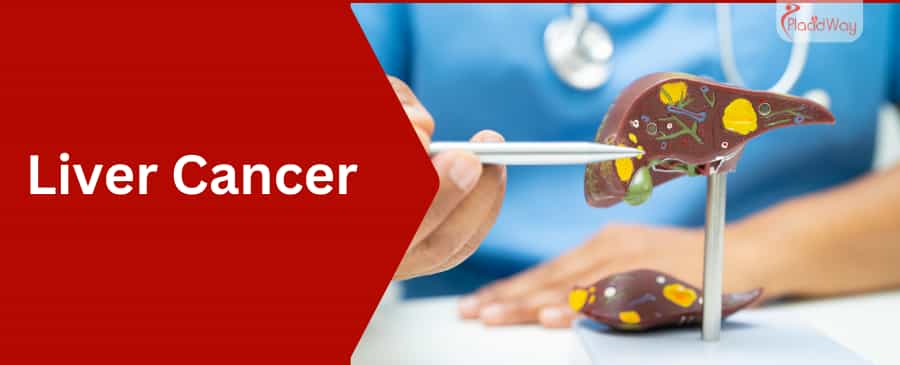
Navigating Liver Cancer: Your Guide to Advanced Treatment Options Abroad
A diagnosis of liver cancer can be daunting, bringing with it a whirlwind of emotions and urgent questions about the best path forward. For many, finding effective, accessible, and affordable treatment becomes a top priority. Globally, medical advancements offer promising options, and for an increasing number of patients, seeking liver cancer treatment abroad through medical tourism provides access to world-class facilities, innovative therapies, and often, significant cost savings.
This comprehensive guide aims to illuminate the journey of understanding and treating liver cancer, from recognizing its subtle signs to exploring the diverse treatment landscape. We'll delve into symptoms, causes, and the various therapeutic approaches available. More importantly, we'll equip you with the knowledge needed to consider medical tourism for liver cancer, detailing how to find quality care, what to expect, and why international options might be the right choice for you or a loved one.
Whether you're exploring surgical interventions like liver resection or transplant, localized treatments, or systemic therapies, understanding your options is the first step towards renewed hope and a personalized treatment plan. Let's explore how global healthcare can open doors to better outcomes.
What are the common symptoms of liver cancer?
Recognizing the signs of liver cancer is crucial for early diagnosis and better treatment outcomes. While early stages may present no obvious symptoms, as the disease progresses, patients might notice a range of indicators. It's important to remember that these symptoms can also be associated with other conditions, but persistent or worsening signs warrant immediate medical attention. People often search for "early liver cancer signs" or "what does liver cancer feel like."
- Unexplained Weight Loss: Losing a significant amount of weight without trying can be a key indicator.
- Loss of Appetite and Feeling Full Quickly: Patients might feel satisfied after eating very little.
- Nausea and Vomiting: Persistent feelings of sickness can occur.
- Fatigue and Weakness: A profound and unremitting tiredness that doesn't improve with rest.
- Abdominal Pain or Discomfort: Often in the upper right quadrant of the abdomen, sometimes radiating to the back or shoulder.
- Abdominal Swelling (Ascites): Fluid buildup in the abdomen, causing bloating.
- Jaundice: Yellowing of the skin and whites of the eyes, caused by bilirubin buildup.
- Dark Urine and Pale Stools: Related to jaundice, indicating issues with bile excretion.
- Itching: Generalized skin itching due to bile salt accumulation.
- Enlarged Liver or Spleen: A doctor might detect this during a physical exam.
What causes liver cancer and what are its risk factors?
Understanding the causes and risk factors behind liver cancer can help in prevention and early detection. While not everyone with risk factors will develop cancer, their presence increases the likelihood significantly. Patients often ask, "what causes liver cancer?" or "what increases my risk for liver cancer?"
- Chronic Hepatitis B or C Infection: These viral infections are the leading global cause, leading to chronic inflammation and liver damage.
- Cirrhosis: This scarring of the liver, often caused by chronic hepatitis or alcohol abuse, is the strongest risk factor for hepatocellular carcinoma (HCC), the most common type of liver cancer.
- Heavy Alcohol Consumption: Long-term excessive drinking can lead to cirrhosis and increase cancer risk.
- Non-alcoholic Fatty Liver Disease (NAFLD) and NASH: This condition, often linked to obesity, diabetes, and high cholesterol, can progress to non-alcoholic steatohepatitis (NASH), cirrhosis, and then liver cancer.
- Type 2 Diabetes and Obesity: Both are linked to NAFLD and a higher risk of liver cancer.
- Aflatoxins: Toxins produced by a fungus found on crops like corn and peanuts, particularly in tropical and subtropical regions.
- Inherited Liver Diseases: Conditions like hemochromatosis (too much iron) and Wilson's disease (too much copper) can damage the liver.
- Smoking: Increases the risk of liver cancer, especially in conjunction with heavy alcohol use or chronic hepatitis.
What types of treatments are available for liver cancer?
Treatment for liver cancer is highly individualized, depending on the cancer's stage, size, location, the patient's overall health, and the presence of cirrhosis. The goal is often to remove or destroy the tumor, prevent its spread, and manage symptoms. People often search for "liver cancer treatment options" or "new liver cancer treatments."
Surgical Treatments:
- Liver Resection (Partial Hepatectomy): Surgical removal of the part of the liver containing the tumor. This is an option if the tumor is small, localized, and the remaining liver tissue is healthy enough to function.
- Liver Transplant: Replacing the diseased liver with a healthy donor liver. This is typically reserved for patients with small, early-stage tumors that meet specific criteria (e.g., Milan criteria), especially if they also have severe cirrhosis.
Localized Treatments (Targeted to the Liver):
- Tumor Ablation:
- Radiofrequency Ablation (RFA): Uses heat generated by radio waves to destroy cancer cells.
- Microwave Ablation (MWA): Similar to RFA but uses microwave energy to heat and destroy tumors.
- Cryoablation: Uses extreme cold to freeze and destroy cancer cells.
- Embolization: Blocking the blood supply to the tumor.
- Transarterial Chemoembolization (TACE): Delivers chemotherapy drugs directly to the tumor via the hepatic artery, then blocks the artery.
- Transarterial Radioembolization (TARE/SIRT): Delivers radioactive particles (Yttrium-90) directly to the tumor via the hepatic artery.
- Radiation Therapy:
- Stereotactic Body Radiation Therapy (SBRT): Delivers high doses of radiation precisely to the tumor, minimizing damage to surrounding healthy tissue.
Systemic Treatments (Affecting the Whole Body):
- Targeted Therapy: Drugs that specifically target cancer cells by interfering with their growth and spread pathways, often used for advanced liver cancer. Examples include Sorafenib, Lenvatinib, Regorafenib, and Pembrolizumab.
- Immunotherapy: Drugs that boost the body's own immune system to recognize and destroy cancer cells. Checkpoint inhibitors like Pembrolizumab and Nivolumab are increasingly used.
- Chemotherapy: While less effective for HCC compared to other cancers, it may be used in certain situations or in combination with other treatments.
Who is eligible for liver cancer treatment abroad?
Determining eligibility for specific liver cancer treatments, whether at home or abroad, involves a thorough medical evaluation. International hospitals specializing in medical tourism often have dedicated teams to review patient cases and advise on suitable options. People often ask, "Am I eligible for liver cancer surgery?" or "Who can get liver cancer treatment?"
General factors influencing eligibility include:
- Cancer Stage: Early-stage cancers (small, localized tumors) are often candidates for curative treatments like surgery or ablation. Advanced or metastatic cancers may require systemic therapies.
- Overall Health and Liver Function: Patients must be healthy enough to withstand the proposed treatment. This includes assessing liver function (e.g., Child-Pugh score), kidney function, and cardiac health.
- Tumor Characteristics: Size, number, and location of tumors are critical. For liver transplant, specific criteria (like the Milan criteria for HCC) must be met.
- Previous Treatments: Whether a patient has undergone prior treatments and their response to them.
- Patient Preference: The patient's informed choice and understanding of the treatment plan, risks, and benefits.
International medical centers are often well-equipped to handle complex cases and may offer access to clinical trials or specialized treatments not readily available elsewhere.
What is the typical recovery time after liver cancer treatment?
The journey to recovery after liver cancer treatment is unique for each individual and depends heavily on the type of procedure performed, the extent of the disease, and the patient's general health. Understanding what to expect can help patients and their families prepare for this phase. Common searches include "recovery from liver cancer surgery" and "life after liver cancer treatment."
- Liver Resection:
- Hospital Stay: Typically 5-10 days.
- Full Recovery: Can take 2-3 months. Patients will gradually regain strength, and their liver will regenerate over time. Restrictions on lifting, strenuous activity, and diet will be in place.
- Liver Transplant:
- Hospital Stay: Usually 1-3 weeks, followed by several weeks of local outpatient monitoring.
- Full Recovery: Can take 6-12 months. This involves lifelong immunosuppressant medication, regular follow-ups, and a careful recovery plan.
- Ablation or Embolization:
- Hospital Stay: Often 1-3 days, sometimes outpatient.
- Full Recovery: A few days to 2 weeks. Patients may experience pain, fever, or fatigue, but generally recover quickly.
- Systemic Therapies (Targeted Therapy, Immunotherapy, Chemotherapy):
- Recovery: These are ongoing treatments, and recovery refers more to managing side effects between cycles. Patients may experience cumulative fatigue, nausea, and other side effects over the course of treatment.
Regardless of the treatment, good nutrition, gentle exercise (as permitted by the medical team), and strong emotional support are vital for a smoother recovery.
What are the potential risks and side effects of liver cancer treatment?
While liver cancer treatments offer hope, it's important for patients to be aware of the potential risks and side effects associated with each approach. Medical teams discuss these thoroughly to ensure informed consent. Patients often search for "liver cancer treatment side effects" or "risks of liver surgery."
General Surgical Risks (for Resection/Transplant):
- Bleeding and Infection: Standard risks with any major surgery.
- Anesthesia Complications: Reactions to medication.
- Blood Clots: Can form in the legs (DVT) and travel to the lungs (PE).
- Liver Failure: The remaining liver may not function adequately, especially if it's already diseased.
- Bile Leak: Leakage from the cut surfaces of the liver.
Specific Risks:
- Liver Transplant:
- Organ Rejection: The immune system attacks the new liver, requiring lifelong immunosuppressants.
- Infections: Due to immunosuppression.
- Bile Duct Complications: Strictures or leaks.
- Ablation and Embolization:
- Pain and Fever: Common after the procedure (post-ablation/embolization syndrome).
- Infection, Bleeding, or Damage: To nearby organs.
- Liver Abscess: A collection of pus in the liver.
- Targeted Therapy, Immunotherapy, and Chemotherapy:
- Fatigue, Nausea, Vomiting, Diarrhea: Common side effects.
- Skin Rashes, Hair Loss: Varies by drug.
- Immunotherapy-Related Side Effects: Inflammation of organs (colitis, pneumonitis, hepatitis) due to an overactive immune system.
- Bone Marrow Suppression: Leading to low blood counts and increased risk of infection or bleeding.
How much does liver cancer treatment cost worldwide?
Cost is a major concern for many patients seeking liver cancer treatment, especially in countries where healthcare expenses are exceptionally high. Medical tourism offers a compelling alternative, providing access to high-quality care at a fraction of the price. People frequently search for "cost of liver cancer treatment" or "affordable liver cancer surgery."
| Procedure Type | USA (Estimated USD) | Western Europe (Estimated USD) | India (Estimated USD) | Turkey (Estimated USD) | Mexico (Estimated USD) |
|---|---|---|---|---|---|
| Liver Resection | $50,000 - $150,000+ | $30,000 - $80,000 | $10,000 - $25,000 | $15,000 - $35,000 | $18,000 - $40,000 |
| Liver Transplant (total package) | $500,000 - $800,000+ | $150,000 - $300,000 | $50,000 - $100,000 | $60,000 - $120,000 | $70,000 - $130,000 |
| RFA/MWA (per session) | $15,000 - $40,000 | $8,000 - $20,000 | $3,000 - $7,000 | $4,000 - $9,000 | $5,000 - $10,000 |
| TACE/TARE (per session) | $20,000 - $60,000 | $10,000 - $30,000 | $4,000 - $10,000 | $6,000 - $15,000 | $7,000 - $16,000 |
| Systemic Therapies (per cycle) | $10,000 - $30,000+ | $5,000 - $15,000 | $1,000 - $5,000 | $1,500 - $6,000 | $2,000 - $7,000 |
Note: These are estimated costs and can vary significantly based on the specific hospital, doctor's fees, duration of stay, pre/post-operative care, complications, and individual patient needs. They generally exclude travel and accommodation.
Why consider liver cancer treatment abroad?
The decision to travel for medical care, especially for something as critical as liver cancer, is significant. However, the benefits often outweigh the logistical challenges for many patients seeking "medical tourism for cancer" or "benefits of overseas treatment."
- Cost Savings: As seen in the table above, the financial savings can be substantial, making life-saving treatments accessible without crippling debt.
- Access to Advanced Treatments: Some countries excel in specific treatments, offer innovative clinical trials, or have newer technologies that might not be available in a patient's home country.
- Reduced Waiting Times: In many public healthcare systems, waiting lists for specialist consultations or surgeries can be long. Medical tourism often provides quicker access to care.
- High-Quality Care and Expertise: Many international hospitals boast state-of-the-art facilities, highly skilled surgeons, and internationally trained medical staff.
- Privacy and Confidentiality: Some patients prefer the anonymity and privacy offered by receiving treatment away from their local community.
- Personalized Care: Medical tourism facilitators often help arrange comprehensive packages that include accommodation, translation, and local support, making the process smoother.
Which countries offer the best value for liver cancer treatment?
When searching for "best countries for liver cancer treatment" or "affordable medical travel," several destinations consistently emerge as leaders in medical tourism, especially for complex procedures like cancer treatment. These countries combine advanced medical technology with competitive pricing.
- India: Renowned for its highly skilled doctors, advanced surgical capabilities (including liver transplants), and exceptionally competitive pricing. Many hospitals are JCI-accredited.
- Turkey: Offers modern hospitals, experienced surgeons, and a strategic location bridging Europe and Asia. It's known for excellent patient care infrastructure and affordable costs.
- Mexico: A popular choice for North American patients due to proximity, offering quality care in well-regarded facilities at a lower cost.
- Thailand: Known for its luxurious private hospitals, high standards of care, and English-speaking medical staff, making it a comfortable option for international patients.
- South Korea: A leader in medical innovation and technology, particularly in oncology and complex surgeries, with world-class facilities and highly specialized doctors.
- Germany/Spain (Europe): While generally more expensive than Asian or Latin American options, they offer highly advanced healthcare systems, cutting-edge technology, and top-tier specialists, particularly for complex cases or specific innovative therapies.
What to expect when traveling for liver cancer treatment?
Embarking on a medical journey abroad requires careful planning and knowing what to expect can ease the process. Patients often search for "planning medical trip for cancer" or "medical travel checklist."
- Initial Consultation & Case Review: Most medical tourism providers and international hospitals will review your medical records remotely. You might have teleconsultations with specialists to discuss your case and treatment plan.
- Logistics and Travel: Once a plan is approved, you'll need to arrange visas (if necessary), flights, and accommodation. Many medical tourism agencies offer assistance with these aspects, often including airport transfers and local transportation.
- Arrival and Pre-Treatment: Upon arrival, you'll typically undergo comprehensive pre-operative tests and consultations with your surgical team. This ensures you're fit for the procedure and allows for any last-minute adjustments.
- Treatment and Hospital Stay: The treatment itself will follow the agreed-upon plan. The length of your hospital stay will depend on the procedure.
- Recovery and Post-Operative Care: After discharge, you'll likely need to stay in the country for a period of recovery and follow-up appointments before being cleared to travel home. This often involves outpatient visits, physical therapy, or medication management.
- Language and Cultural Support: Many medical tourism hospitals have international patient departments with multilingual staff and translators to help navigate cultural differences.
How can I ensure safety and quality when seeking liver cancer treatment abroad?
Safety and quality are paramount when considering medical treatment, especially abroad. Patients frequently ask, "safe medical travel" or "quality international hospitals." Here’s how to ensure you make an informed decision:
- Accreditation Matters: Look for hospitals accredited by international bodies like the Joint Commission International (JCI). JCI accreditation signifies adherence to stringent patient safety and quality-of-care standards.
- Surgeon Credentials and Experience: Research the surgeon's qualifications, experience in liver cancer procedures, and specialization. Many top surgeons in medical tourism destinations have international training and affiliations.
- Technology and Facilities: Ensure the hospital has modern equipment, advanced imaging, and specialized units (e.g., ICU, oncology department) necessary for complex liver cancer treatment.
- Patient Testimonials and Reviews: Seek out genuine patient experiences and testimonials. Medical tourism platforms often feature reviews and success stories.
- Medical Tourism Facilitators: Reputable facilitators like PlacidWay partner with vetted hospitals and clinics, providing a layer of assurance. They can help with due diligence, communication, and logistical support.
- Transparent Pricing: Request a comprehensive quote that includes all aspects of treatment, hospital stay, doctor fees, and follow-up care to avoid hidden costs.
- Post-Operative Care Plan: Discuss the detailed plan for recovery, follow-up appointments, and how your local doctor will coordinate with the overseas team upon your return.
- Emergency Protocols: Understand the hospital's protocols for complications and emergency care.
Can I hear about patient success stories from liver cancer treatment abroad?
Hearing about positive experiences can be incredibly reassuring for individuals considering treatment abroad. While specific individual stories are often shared privately or through direct testimonials on facilitator websites, the collective experience of medical tourists points to numerous successful outcomes. People often search for "liver cancer medical tourism success" or "patient testimonials abroad."
These stories frequently highlight:
- Regained Quality of Life: Patients who were told their options were limited at home found renewed hope and effective treatment abroad, allowing them to return to a fulfilling life.
- Access to Specific Expertise: Cases where a patient needed a highly specialized surgeon or a particular type of minimally invasive technique that was not available in their home country, finding it abroad.
- Financial Relief: The ability to access advanced, life-saving care without the crushing financial burden often associated with such treatments in Western countries.
- Comprehensive Support: Testimonials often praise the seamless experience provided by medical tourism agencies, including translation services, logistical support, and compassionate care from international patient teams.
- Advanced Technology: Patients benefiting from state-of-the-art diagnostic tools and robotic-assisted surgeries that lead to faster recovery and better results.
These stories serve as powerful testaments to the viability and growing effectiveness of medical tourism for complex conditions like liver cancer, offering a beacon of hope for many.
Take the Next Step with PlacidWay
Ready to explore treatment options abroad? Discover top clinics, compare prices, and get a free quote tailored to your needs with PlacidWay.
Cancer Treatment Abroad, Breast Cancer, Lung Cancer



.png)
.png)







.png)
.png)











Share this listing