
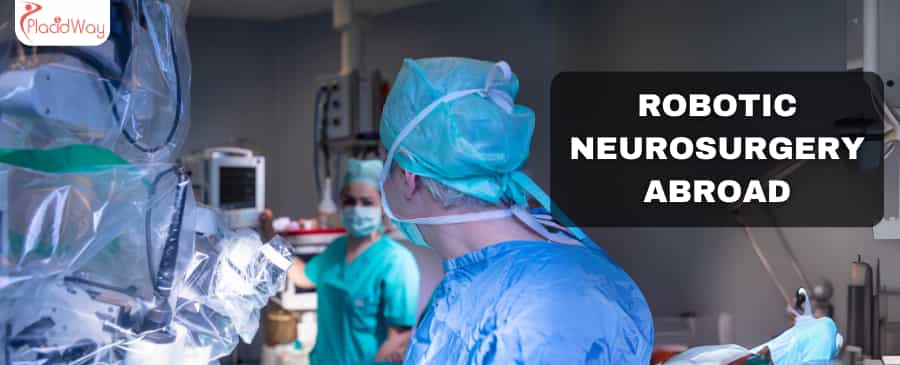
Unlocking Precision: Understanding Robotic Neurosurgery for a Brighter Future
Facing a neurological condition can be daunting, bringing with it questions and concerns about treatment options. For many, the idea of brain or spine surgery conjures images of extensive procedures and long recovery periods. However, medical science is constantly evolving, and today, an advanced approach known as Robotic Neurosurgery is transforming how complex neurological conditions are treated.
This cutting-edge technology brings unparalleled precision and control to the operating room, offering a beacon of hope for patients seeking less invasive, more accurate interventions. Whether you're researching "minimally invasive brain surgery options," looking for "robot-assisted spine surgery benefits," or exploring "precision neurosurgery technology," understanding robotic neurosurgery is key to making informed decisions about your health.
Robotic neurosurgery involves the use of sophisticated robotic systems that act as an extension of the surgeon's hands, guiding instruments with micro-millimeter accuracy. This allows for complex procedures to be performed through tiny incisions, leading to significant advantages over traditional open surgery. It’s particularly beneficial for delicate areas like the brain and spinal cord, where even the smallest deviation can have major consequences.
Patients who may benefit from this technology often experience symptoms such as persistent headaches, unexplained seizures, muscle weakness, numbness, balance issues, or chronic back and neck pain that doesn't respond to conventional treatments. These symptoms can be caused by conditions like brain tumors, epilepsy, movement disorders (e.g., Parkinson's), or various spinal pathologies such as disc herniations or spinal tumors.
For those considering treatment, especially if exploring options abroad, robotic neurosurgery represents a frontier in medical care – a path towards a more precise, safer, and faster recovery. It’s about leveraging technology to achieve outcomes that were once thought impossible, helping patients regain their quality of life with greater confidence.
What Conditions Can Robotic Neurosurgery Effectively Treat?
Robotic neurosurgery's precision makes it ideal for a variety of delicate neurological procedures. Its ability to navigate complex anatomical structures with extreme accuracy significantly enhances treatment for:
- Brain Tumors: Used for biopsies to diagnose tumors, as well as for the precise resection (removal) of both benign and malignant brain tumors, minimizing damage to surrounding healthy brain tissue. This includes gliomas, meningiomas, and metastatic tumors.
- Epilepsy: For placing stereo-electroencephalography (SEEG) electrodes to map seizure activity or performing laser interstitial thermal therapy (LITT) for targeted lesion ablation to reduce seizures.
- Movement Disorders: Crucial for Deep Brain Stimulation (DBS) lead placement in conditions like Parkinson's disease, essential tremor, and dystonia. The robot ensures exact positioning of the electrodes, which is vital for therapeutic success.
- Vascular Malformations: Assisting in the treatment of conditions like arteriovenous malformations (AVMs) or cavernous malformations.
- Spinal Conditions: Enhancing the accuracy of screw placement in spinal fusion surgeries, treating disc herniations, spinal stenosis, spinal fractures, and removing spinal tumors. The robot's guidance helps prevent nerve damage and improves long-term stability.
- Hydrocephalus: For precise shunt placement or endoscopic third ventriculostomy (ETV) procedures.
The ability of the robotic system to hold instruments steady, access difficult-to-reach areas, and provide real-time imaging during surgery makes it a game-changer for these complex cases, allowing surgeons to perform procedures that might be too risky or challenging with traditional methods.
What Are the Common Symptoms and Signs Indicating a Need for Neurosurgical Evaluation?
Recognizing the signs that might indicate a neurological issue requiring specialist attention is crucial. While many symptoms can be caused by less severe conditions, persistent or worsening neurological symptoms warrant a thorough evaluation. Common signs include:
- Headaches: Especially new, severe, persistent headaches; headaches that awaken you from sleep; or those accompanied by other neurological symptoms like vision changes or weakness. Patients often search for "headache accompanied by numbness" or "sudden severe headache cause."
- Seizures: Any unexplained seizure activity, including convulsions, brief periods of staring, muscle jerking, or loss of consciousness.
- Sensory Changes: Persistent numbness, tingling, or weakness in limbs, face, or other body parts. Patients might look for "numbness in arm and leg" or "tingling hands and feet causes."
- Motor Impairment: Difficulty with balance, coordination, walking (gait changes), or muscle weakness. Search queries like "trouble walking straight" or "sudden muscle weakness" are common.
- Vision and Hearing Changes: Blurred vision, double vision, loss of peripheral vision, or unexplained hearing loss.
- Speech and Swallowing Difficulties: Slurred speech (dysarthria), difficulty finding words (aphasia), or trouble swallowing (dysphagia).
- Cognitive or Behavioral Changes: Memory loss, confusion, personality changes, or difficulty concentrating.
- Chronic Pain: Persistent back or neck pain that radiates down the arms or legs, accompanied by numbness, tingling, or weakness, often indicating nerve compression. This is why many seek "sciatica relief surgery" or "nerve pain in neck treatment."
- Dizziness or Vertigo: Especially if severe, persistent, or accompanied by other neurological symptoms.
If you or a loved one are experiencing any of these symptoms, it’s vital to consult a medical professional for an accurate diagnosis and appropriate referral to a neurosurgeon if needed. Early detection can significantly impact treatment outcomes.
What Are the Underlying Causes and Risk Factors for Neurological Conditions Requiring Surgery?
Neurological conditions requiring surgical intervention stem from a diverse range of causes, some of which are preventable, while others are inherent or unavoidable. Understanding these can shed light on why a particular treatment path is recommended:
- Brain and Spinal Tumors: These involve abnormal cell growth in the brain or spinal cord. Causes can be complex and multifactorial, including genetic predispositions, exposure to certain chemicals or radiation, and sometimes no clear cause. Family history can be a minor risk factor for some types.
- Epilepsy: While some cases are idiopathic (unknown cause), epilepsy can result from brain injury (head trauma, stroke), infections (meningitis, encephalitis), developmental disorders, or brain tumors. Genetic factors play a role in certain epilepsy syndromes.
- Movement Disorders (e.g., Parkinson's Disease, Essential Tremor): Primarily age-related degenerative conditions, often with a genetic component. Parkinson's disease involves the loss of dopamine-producing neurons, while essential tremor has a strong hereditary link.
- Vascular Malformations: Conditions like aneurysms (weak spots in blood vessels) and arteriovenous malformations (AVMs – abnormal tangle of blood vessels) are often congenital (present from birth) but may develop over time. These can rupture, leading to bleeding.
- Spinal Conditions:
- Degenerative Disc Disease: Age-related wear and tear on spinal discs.
- Herniated Discs: Often caused by improper lifting, sudden movements, or age-related degeneration, leading to disc material pushing on nerves.
- Spinal Stenosis: Narrowing of the spinal canal, typically due to arthritis, bone spurs, or thickened ligaments, common in older adults.
- Spinal Fractures: Resulting from trauma, osteoporosis, or tumors.
- Traumatic Brain Injury (TBI): Falls, car accidents, and sports injuries can cause bleeding or swelling in the brain, sometimes requiring surgery.
- Infections: Brain abscesses or severe spinal infections may necessitate drainage or removal of infected tissue.
Risk factors can include age, family history of neurological disorders, previous head trauma, certain environmental exposures, and lifestyle choices (e.g., smoking can increase aneurysm risk). A comprehensive medical evaluation helps pinpoint the specific cause and guides treatment decisions.
How Does Robotic Neurosurgery Compare to Traditional Open Surgery?
The distinction between robotic and traditional open neurosurgery is often likened to the difference between using a fine artist's brush for intricate details versus a broader tool for larger strokes. Both have their place, but for precision-demanding procedures, the robotic approach offers distinct advantages:
- Precision and Accuracy:
- Robotic: Utilizes computer guidance and real-time imaging, allowing for sub-millimeter accuracy in instrument placement. The robot can hold instruments perfectly steady, eliminating natural human tremor. This is critical for delicate structures in the brain and spine.
- Traditional Open: Relies on the surgeon's manual dexterity and visual judgment, which, while highly skilled, cannot match the consistent micro-precision of a robotic system.
- Invasiveness:
- Robotic: Typically involves very small incisions or "keyhole" approaches. This minimizes disruption to healthy tissues, blood vessels, and nerves.
- Traditional Open: Requires larger incisions and retraction of muscles and tissues to gain direct visual access, leading to more tissue trauma.
- Blood Loss and Infection Risk:
- Robotic: Smaller incisions and precise dissection lead to significantly less blood loss and a reduced risk of surgical site infections.
- Traditional Open: Larger exposed areas increase the potential for both blood loss and infection.
- Pain and Recovery:
- Robotic: Patients generally experience less post-operative pain, require fewer pain medications, and have shorter hospital stays. Recovery times are considerably reduced, allowing for a quicker return to normal activities.
- Traditional Open: More extensive tissue damage results in greater post-operative pain, longer hospital stays, and extended recovery periods.
- Visualization:
- Robotic: Often incorporates high-definition 3D visualization, giving the surgeon an enhanced, magnified view of the surgical field.
- Traditional Open: Uses direct line-of-sight vision, sometimes augmented with microscopes, but typically lacks the same depth perception and clarity as advanced robotic systems.
While robotic neurosurgery is not suitable for every single neurological condition, for many, it represents a significant leap forward in safety, efficacy, and patient comfort. It's why many patients search for "minimal incision brain tumor removal" or "faster recovery spine surgery."
Who Is an Ideal Candidate for Robot-Assisted Brain or Spine Surgery?
Determining eligibility for robotic neurosurgery is a thorough process, involving a detailed review of a patient’s medical history, neurological examination, and advanced imaging. An ideal candidate generally possesses specific characteristics:
- Specific Neurological Conditions: Patients with conditions that particularly benefit from robotic precision, such as:
- Well-defined Brain Tumors: Especially those in critical or deep-seated areas where extreme precision is paramount for biopsy or resection.
- Focal Epilepsy: Candidates requiring accurate placement of diagnostic electrodes (SEEG) or precise laser ablation of epileptic foci.
- Movement Disorders: Patients with Parkinson's, essential tremor, or dystonia requiring Deep Brain Stimulation (DBS) lead implantation, where sub-millimeter accuracy of electrode placement is vital for optimal outcomes.
- Complex Spinal Conditions: Individuals needing spinal fusion, complex screw placement, or tumor removal where robotic guidance can ensure stability and prevent nerve damage.
- Overall Good Health: Patients who are generally fit enough to undergo general anesthesia and recover from surgery. Those with significant co-morbidities (e.g., severe heart disease, uncontrolled diabetes) may face higher risks, regardless of the surgical approach.
- Suitable Anatomy on Imaging: Pre-operative MRI and CT scans are crucial. The robotic system relies on these detailed images for planning. Anatomical features that might obstruct robotic access or obscure critical structures could be a contraindication.
- Realistic Expectations: Patients who understand the benefits, potential risks, and recovery process associated with robotic surgery.
Who might NOT be an ideal candidate? While robotic neurosurgery is broadly applicable, some situations may favor traditional approaches or non-surgical management:
- Extensive or diffuse tumors that require a larger field of view for complete removal.
- Patients with severe bleeding disorders or inability to tolerate even minimal blood loss.
- Certain anatomical challenges that preclude safe robotic access.
- Patients with severe medical conditions that make any surgery high-risk.
Ultimately, the decision is made in consultation with a specialized neurosurgeon who will evaluate all factors to determine the safest and most effective treatment strategy. It’s why patients often ask, "Am I suitable for robot brain surgery?" or "Who can get robotic spine surgery?".
What Can I Expect During the Recovery Period After Robotic Neurosurgery?
One of the most appealing aspects of robotic neurosurgery is its often smoother and faster recovery compared to traditional open procedures. While individual experiences can vary, here’s a general overview of what to expect:
- Immediate Post-Operative Period (Hospital Stay):
- Shorter Hospital Stay: Many patients can expect to stay in the hospital for a few days (e.g., 2-5 days for brain procedures, 1-3 days for many spinal procedures), significantly less than the week or more often associated with open surgery.
- Reduced Pain: Due to smaller incisions and less tissue trauma, post-operative pain is typically less severe, requiring fewer strong pain medications. Patients often describe discomfort rather than intense pain.
- Earlier Mobilization: Patients are usually encouraged to get out of bed and walk sooner, which aids in preventing complications like blood clots and promotes overall recovery.
- Monitoring: Neurological functions (strength, sensation, cognitive abilities) will be closely monitored. Imaging may be performed to confirm the surgical outcome.
- First Few Weeks at Home:
- Fatigue: It's normal to feel tired as your body heals. Resting is crucial during this phase.
- Activity Restrictions: You'll likely have specific instructions regarding lifting, bending, and strenuous activities. For spinal surgery, maintaining proper posture is often emphasized. For brain surgery, avoiding activities that increase intracranial pressure might be advised.
- Wound Care: Instructions for keeping incision sites clean and dry will be provided. Small incisions usually heal quickly.
- Medication: Pain relievers, and sometimes anti-inflammatory drugs or anti-seizure medications, will be prescribed.
- Long-Term Recovery and Rehabilitation:
- Gradual Return to Activities: Most patients can gradually resume light daily activities within a few weeks. A full return to work or more strenuous activities might take 4-8 weeks, depending on the procedure and your job demands.
- Physical/Occupational Therapy: For some, especially after spinal surgery or if there were pre-existing neurological deficits, physical or occupational therapy might be recommended to regain strength, flexibility, and function.
- Follow-up Appointments: Regular follow-up with your neurosurgeon will be scheduled to monitor your recovery and address any concerns.
It’s important to remember that robotic neurosurgery, while less invasive, is still a significant procedure. Adhering to your surgeon’s post-operative instructions is paramount for the best possible outcome. Many patients researching "fast recovery brain surgery" or "quick healing spine operation" find robotic approaches appealing for these reasons.
What Are the Potential Risks and Side Effects of Robotic Neurosurgery?
While robotic neurosurgery significantly reduces many of the risks associated with traditional open surgery due to its precision and minimally invasive nature, it is still a surgical procedure and carries potential risks and side effects. It's crucial for patients to be fully informed:
- General Surgical Risks (Common to all surgeries):
- Anesthesia Complications: Reactions to anesthesia, including nausea, vomiting, breathing problems, or more severe allergic reactions.
- Infection: Any incision site can become infected, though the risk is lower with smaller robotic incisions. Infections can be superficial or deeper (e.g., meningitis, discitis).
- Bleeding: While often reduced, there is always a risk of bleeding during or after surgery, potentially requiring transfusion.
- Blood Clots: Formation of blood clots in the legs (DVT), which can travel to the lungs (pulmonary embolism), though measures are taken to prevent this.
- Pneumonia: A risk, especially if mobility is limited post-operatively.
- Specific Neurological Risks (Related to the brain or spine):
- Nerve Damage: Although robotic systems aim for precision, there's a small risk of damage to surrounding nerves, potentially leading to weakness, numbness, paralysis, or loss of function depending on the affected area.
- Cerebrospinal Fluid (CSF) Leak: A rare complication where brain or spinal fluid leaks from the surgical site, potentially requiring further intervention.
- Stroke: A risk due to disruption of blood flow or formation of clots during surgery.
- Seizures: Especially after brain surgery, even in patients without a history of epilepsy.
- Cognitive or Speech Changes: Depending on the area of the brain involved, there could be temporary or, rarely, permanent changes in memory, speech, or personality.
- Persistent Pain: In some cases, the underlying pain may not fully resolve, or new pain may develop.
- Hardware Malfunction/Misplacement (Spine): While robotics greatly reduces this, there's a minimal risk of screws or implants shifting or breaking over time, potentially requiring revision surgery.
- Lack of Improvement or Worsening of Symptoms: Though the goal is improvement, sometimes symptoms may not resolve or could even worsen.
- Robotic System-Specific Risks:
- Technical Glitches: Although rare, any mechanical or software failure of the robotic system could occur.
- Prolonged Surgery Time: Initial setup or troubleshooting with the robot might add to the surgical duration.
Your neurosurgeon will discuss these risks in detail, helping you weigh the potential benefits against the possible complications. For many, the enhanced precision of robotic assistance significantly tips the balance towards improved safety and outcomes. Patients seeking "is robotic brain surgery safe?" or "risks of robot spine surgery" should discuss these points directly with their medical team.
How Much Does Robotic Neurosurgery Cost Worldwide, and Why Does it Vary?
The cost of robotic neurosurgery can vary dramatically across different countries and even within regions of the same country. This significant price disparity is a primary driver for medical tourism. Understanding why these costs differ can help patients make informed decisions. Factors influencing the price include:
- Country's Economic Structure and Healthcare System: Countries with lower costs of living and different healthcare models often have significantly lower overhead for hospitals and surgeon fees.
- Hospital Accreditation and Reputation: World-renowned hospitals with international accreditations (like JCI) and leading neurosurgical departments might charge more for their expertise and advanced facilities.
- Surgeon's Experience and Reputation: Highly specialized and experienced neurosurgeons, particularly those with extensive robotic surgery experience, will command higher fees.
- Specific Procedure: The complexity of the neurological condition and the type of robotic procedure performed (e.g., brain tumor resection vs. DBS lead placement vs. spinal fusion) will greatly affect the cost.
- Length of Hospital Stay and Recovery: Longer hospital stays, extended ICU care, or more intensive post-operative rehabilitation will increase the total cost.
- Inclusion of Pre- and Post-Operative Care: Some packages include all consultations, diagnostics (MRI, CT), follow-up appointments, and even physical therapy, while others may not.
- Technology and Equipment: The specific robotic system used, its maintenance, and associated consumables contribute to the overall price.
Worldwide Cost Comparison for Robotic Neurosurgery (Estimated in USD)
| Country | Estimated Cost Range (USD) | Key Considerations for Medical Tourists |
|---|---|---|
| USA | $60,000 - $150,000+ | High cost, but leading technology and expertise. Often unaffordable without robust insurance. |
| Germany | $40,000 - $90,000 | Excellent medical standards, advanced technology, often highly specialized centers. |
| South Korea | $35,000 - $80,000 | High-tech hospitals, skilled surgeons, growing reputation for medical tourism, good patient care infrastructure. |
| Turkey | $25,000 - $65,000 | Cost-effective, modern facilities, strategic location, increasingly popular for complex surgeries. |
| India | $20,000 - $50,000 | Significantly lower costs, JCI accredited hospitals, highly skilled English-speaking surgeons, but require careful selection. |
| Mexico | $25,000 - $60,000 | Proximity for North American patients, growing number of modern facilities, competitive pricing. |
These figures are estimates and can fluctuate based on the specific hospital, surgeon, and intricacies of each patient's case. It's crucial to obtain detailed, all-inclusive quotes when considering robotic neurosurgery abroad, as many patients search for "cost of brain tumor surgery abroad" or "affordable robotic spine surgery."
Why Should I Consider Robotic Neurosurgery Abroad for Treatment?
For many patients, especially those in countries with high healthcare costs or long waiting lists, considering robotic neurosurgery abroad has become an increasingly attractive option. The benefits often extend beyond just cost savings:
- Significant Cost Savings: As seen in the cost comparison, procedures can be drastically cheaper abroad, even when factoring in travel and accommodation. This makes advanced care accessible to a broader range of patients. Many search for "affordable robotic neurosurgery overseas."
- Access to Advanced Technology and Expertise: Leading medical tourism destinations often invest heavily in state-of-the-art robotic systems and attract highly trained neurosurgeons with extensive experience in these technologies. You might find expertise that is rare or unavailable in your home country.
- Shorter Waiting Times: In some national healthcare systems, waiting lists for specialized surgeries can be extensive. Traveling abroad can offer immediate access to necessary treatment, preventing potential worsening of a condition.
- High-Quality Care and Facilities: Many international hospitals catering to medical tourists are JCI (Joint Commission International) accredited, meaning they meet rigorous global standards for patient safety and quality of care. These facilities often boast modern infrastructure and highly personalized services.
- Comprehensive Treatment Packages: International patient departments often offer all-inclusive packages that cover surgery, hospital stay, pre- and post-operative consultations, and sometimes even airport transfers and accommodation, streamlining the patient experience.
- Privacy and Anonymity: For some, undergoing sensitive medical procedures away from home offers a greater sense of privacy.
- Opportunity for Recovery in a New Environment: Combining treatment with a period of recovery in a pleasant, often tourist-friendly environment can contribute positively to mental well-being and healing.
Choosing to go abroad is a significant decision, but for many, it provides a pathway to life-changing surgical interventions that might otherwise be out of reach. Patients exploring "best countries for brain surgery" or "international neurosurgery centers" are seeking these advantages.
What Are Key Considerations for Ensuring Safety and Quality When Seeking Neurosurgery Abroad?
Ensuring safety and quality when seeking complex medical procedures like robotic neurosurgery abroad is paramount. While the benefits are clear, careful planning and due diligence are essential. Here’s what to consider:
- Accreditation and Standards:
- Look for International Accreditation: Prioritize hospitals with accreditations like JCI (Joint Commission International) or ISO certifications. These indicate adherence to global standards for patient safety and quality of care.
- Country Regulations: Research the healthcare regulations and oversight bodies in the destination country.
- Surgeon Credentials and Experience:
- Verify Qualifications: Confirm the neurosurgeon is board-certified, specialized in robotic neurosurgery, and has extensive experience with your specific condition. Ask about their success rates and volume of robotic procedures performed.
- Language Proficiency: Ensure effective communication with the surgeon and medical team, either directly or through certified medical interpreters.
- Hospital Technology and Infrastructure:
- State-of-the-Art Equipment: Confirm the hospital uses the latest generation of robotic neurosurgery systems and has advanced diagnostic imaging (MRI, CT, PET) capabilities.
- Post-Operative Care: Inquire about ICU facilities, nursing care ratios, and rehabilitation services available.
- Transparent Pricing and Inclusions:
- Detailed Quotes: Obtain a comprehensive, itemized quote that covers all aspects of care: surgeon fees, anesthesia, hospital stay, medications, diagnostics, and follow-up care. Clarify what is *not* included.
- No Hidden Fees: Be wary of vague pricing or pressure to pay upfront without a clear breakdown.
- Aftercare and Follow-up Planning:
- Post-Surgical Plan: Discuss a clear plan for your recovery, including wound care, medication, and rehabilitation, both while abroad and upon returning home.
- Communication: Establish how you will communicate with your medical team abroad after you return home, especially if complications arise.
- Reputable Medical Tourism Facilitator:
- Choose Wisely: Working with an experienced medical tourism company (like PlacidWay) can simplify the process. They often have established relationships with accredited hospitals and help with vetting, logistics, and communication.
- Check Reviews: Read testimonials and reviews for both the hospital/surgeon and the facilitator.
- Travel Logistics and Insurance:
- Visa and Travel: Understand visa requirements and travel arrangements.
- Medical Travel Insurance: Consider purchasing specialized medical travel insurance that covers potential complications or extended stays.
By diligently addressing these points, you can significantly enhance your chances of a safe, successful, and high-quality robotic neurosurgery experience abroad. This due diligence answers patient queries like "how to choose a neurosurgeon abroad" or "safe medical tourism for brain surgery."
Take the Next Step with PlacidWay
Ready to explore treatment options abroad? Discover top clinics, compare prices, and get a free quote tailored to your needs with PlacidWay.
Best Neurology Treatment Center | Cheap Neurology Treatment Packages




.png)
.png)
.png)
.png)





.png)
-(6).png)











Share this listing