
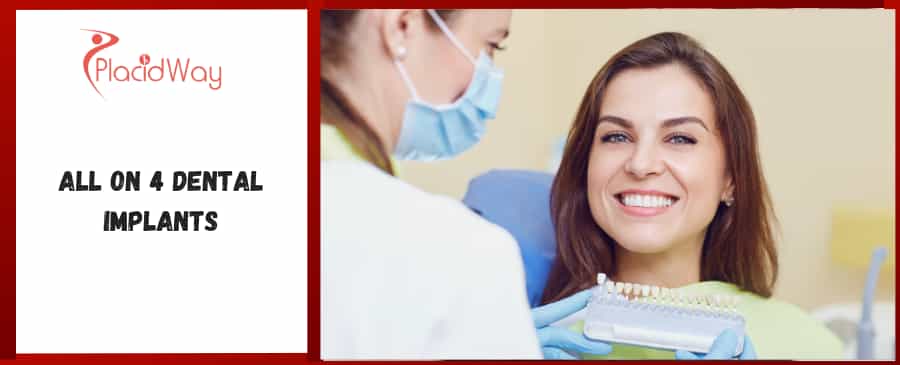
Rediscover Your Smile: A Patient's Guide to All on 4 Dental Implants Abroad
Are you struggling with missing teeth, uncomfortable dentures, or failing dental work that makes eating, speaking, and smiling a challenge? You're not alone. Millions face these issues daily, impacting their quality of life and self-confidence. The good news is, a revolutionary solution called All on 4 dental implants offers a path to a completely restored smile and renewed oral health.
All on 4 dental implants are a highly effective, permanent solution for individuals who have lost most or all of their teeth in an arch (upper or lower jaw). Instead of replacing each tooth individually, this innovative technique uses just four specially angled dental implants to support a full set of fixed, non-removable prosthetic teeth. This means you can often walk out of the clinic with a beautiful, functional temporary smile on the same day as your implant placement, significantly reducing treatment time compared to traditional methods.
For many, the significant cost of such advanced dental work in their home country can be a major barrier. This is where medical tourism for All on 4 dental implants becomes an attractive and viable option. By considering treatment abroad, patients can access world-class dental care, cutting-edge technology, and highly experienced specialists at a fraction of the cost, often combined with the opportunity to explore a new culture.
Imagine chewing your favorite foods again, speaking clearly without worry, and laughing freely without self-consciousness. All on 4 dental implants can make this a reality. This comprehensive guide will walk you through everything you need to know about All on 4, from understanding the symptoms that indicate you might need them and the causes of tooth loss, to the procedure itself, recovery, risks, and crucial considerations for those looking to pursue this life-changing treatment internationally.
Whether you're dealing with loose dentures, painful chewing, or the embarrassment of failing teeth, read on to discover how All on 4 dental implants can transform your oral health and open the door to a confident, radiant smile.
What symptoms indicate you might benefit from All on 4 dental implants?
Recognizing the signs that you need a comprehensive solution like All on 4 is the first step toward improving your oral health. Many patients search for "signs I need full mouth implants" or "when to get permanent dentures" to understand their options. Here are common indicators:
- Multiple Missing Teeth: If you have several gaps in your smile or are missing most of your teeth in an entire arch.
- Failing or Severely Damaged Teeth: Teeth that are beyond repair due to extensive decay, advanced gum disease, or trauma, causing pain, infection, or looseness.
- Difficulty Chewing and Eating: Inability to properly bite and chew a wide variety of foods, leading to dietary restrictions and sometimes nutritional deficiencies.
- Speech Impairment: Difficulty pronouncing certain words clearly due to missing teeth or ill-fitting dentures.
- Loose or Uncomfortable Dentures: Traditional dentures that slip, cause sores, require adhesives, or make eating a chore. Patients often search for "alternative to dentures" or "permanent solution for dentures."
- Jawbone Deterioration: While All on 4 often minimizes the need for extensive bone grafting, ongoing tooth loss can lead to significant bone recession, affecting facial structure and making other dental work challenging.
- Facial Sagging and Aged Appearance: The loss of teeth and supporting bone can cause the face to appear sunken, leading to premature wrinkles and an aged look.
- Chronic Oral Pain or Infection: Persistent discomfort, swelling, or recurrent infections associated with failing teeth or gum disease.
If these symptoms sound familiar, consulting with a dental implant specialist is crucial to explore if All on 4 is the right solution for you.
What are the primary causes of extensive tooth loss that All on 4 addresses?
Understanding the root causes of tooth loss can help in prevention and in appreciating the comprehensive solution that All on 4 provides. People often ask, "why do my teeth keep falling out?" or "causes of full mouth tooth loss."
- Periodontal (Gum) Disease: This is the leading cause of tooth loss in adults. Untreated gum disease leads to inflammation, infection, and eventually destroys the bone and tissues supporting the teeth, causing them to loosen and fall out.
- Severe Tooth Decay (Cavities): Extensive, untreated cavities can compromise tooth structure to the point where teeth become unsalvageable, leading to necessary extractions.
- Trauma or Injury: Accidents, sports injuries, or falls can result in knocked-out or severely fractured teeth that cannot be saved.
- Aging: While not a direct cause, the cumulative effect of wear and tear, along with declining oral health over decades, can contribute to tooth loss in older adults.
- Poor Oral Hygiene: Inadequate brushing and flossing allow plaque and tartar to build up, leading to both decay and gum disease.
- Systemic Health Conditions: Certain diseases like diabetes, heart disease, and osteoporosis can impact oral health and increase the risk of tooth loss. Some medications can also cause dry mouth, which contributes to decay.
- Genetics: Some individuals may be genetically predisposed to weaker enamel, gum disease, or other conditions that increase their risk of tooth loss.
- Smoking and Tobacco Use: Tobacco significantly increases the risk and severity of gum disease, hinders healing, and can lead to faster bone loss.
All on 4 dental implants offer a robust solution, effectively replacing teeth lost due to these varied and often complex causes, restoring both function and aesthetics.
What types of All on 4 procedures and alternative full-arch solutions exist?
When considering full mouth rehabilitation, it's helpful to understand the nuances of All on 4 and other options. Patients often search for "all on 4 vs all on 6" or "types of full dental implants."
All on 4 Dental Implants: The Core Concept
The standard All on 4 procedure involves:
- Four Implants: Two straight anterior implants and two posterior implants tilted up to 45 degrees, strategically placed to maximize contact with existing bone and avoid anatomical structures like the sinuses.
- Immediate Function: In many cases, a temporary set of prosthetic teeth can be attached to the implants on the same day as surgery, allowing patients to leave with a functional smile.
- Full Arch Restoration: Designed to replace an entire arch of teeth (10-14 teeth) with a fixed, non-removable bridge.
Variations and Advanced Techniques:
- All on 6 or All on X: Some cases might benefit from more than four implants (e.g., six or eight) to provide additional stability, especially in the upper jaw where bone density can be lower. This is often recommended when bone volume allows and a dentist seeks maximum support.
- Zygomatic Implants: For patients with severe bone loss in the upper jaw who are not candidates for standard implants or extensive bone grafting, Zygomatic implants are longer implants anchored in the cheekbone (zygoma) instead of the jawbone.
Alternatives to All on 4:
- Traditional Removable Dentures: The most common and least expensive option, but also the least stable and often uncomfortable. They rest on the gums and can slip, making eating and speaking difficult.
- Implant-Supported Overdentures: These are removable dentures that snap onto two or more dental implants, offering much greater stability than traditional dentures but still requiring removal for cleaning.
- Conventional Dental Bridges: If only a few adjacent teeth are missing, a bridge can span the gap by attaching to crowns on the natural teeth on either side. Not suitable for full arch replacement.
- Individual Dental Implants: If only a few teeth are missing and the adjacent teeth are healthy, individual implants topped with crowns are an option, but this becomes impractical and costly for full arch rehabilitation.
Your dentist will assess your specific needs, bone health, and budget to recommend the most appropriate solution.
Am I an ideal candidate for All on 4 dental implants?
Many patients wonder, "who can get all on 4 implants?" or "all on 4 implant requirements." While a consultation with a qualified dentist is essential for a definitive answer, here are the general criteria:
Factors That Make You a Good Candidate:
- Extensive Tooth Loss or Failing Teeth: Individuals missing most or all teeth in an arch, or whose remaining teeth are beyond repair.
- Good General Health: Patients should be healthy enough to undergo minor oral surgery. Controlled chronic conditions like diabetes or high blood pressure are usually acceptable.
- Adequate Bone Density: The All on 4 technique is specifically designed to work even with moderate bone loss, often avoiding the need for extensive bone grafting. However, some minimum bone volume is still required, particularly in the anterior region. Advanced imaging (like CBCT scans) will determine this.
- Non-Smoker or Willingness to Quit: Smoking significantly impairs healing and increases the risk of implant failure. While not an absolute contraindication, quitting or significantly reducing smoking is strongly advised for success.
- Commitment to Oral Hygiene: Maintaining excellent oral hygiene after the procedure is crucial for the long-term success and health of the implants.
- Realistic Expectations: Understanding the procedure, recovery, and what to expect from your new smile is important.
Factors That May Require Additional Consideration or Preclude Treatment:
- Uncontrolled Chronic Diseases: Conditions like uncontrolled diabetes, severe autoimmune disorders, or ongoing cancer treatment may complicate healing or implant integration.
- Certain Medications: Bisphosphonates (used for osteoporosis) or other bone-modifying drugs can affect implant success.
- Heavy Grinding (Bruxism): This can put excessive stress on implants and require a nightguard or treatment for bruxism.
- Poor Oral Hygiene Habits: A history of neglecting oral hygiene may increase the risk of peri-implantitis (gum disease around implants).
A thorough dental examination, including X-rays and 3D scans, will allow your dental professional to determine your eligibility and create a personalized treatment plan.
What should I expect during the All on 4 recovery period and long-term care?
Understanding the "all on 4 recovery time" and "eating after all on 4" is crucial for a smooth healing process and long-term success.
Immediate Post-Procedure (First Few Days to Weeks):
- Discomfort and Swelling: You can expect some mild to moderate pain, swelling, and bruising, which can be managed with prescribed pain medication and cold compresses. Swelling usually peaks 2-3 days after surgery.
- Soft Diet: You will be on a strict soft-food diet for at least 6-8 weeks, or as advised by your dentist. This is crucial to allow the implants to integrate with your bone without excessive force. Think smoothies, yogurt, mashed potatoes, and soft-cooked fish.
- Oral Hygiene: Gentle rinsing with an antiseptic mouthwash (e.g., chlorhexidine) and very careful brushing around the surgical sites will be necessary.
- Temporary Denture: You will likely leave with a temporary, fixed bridge on the same day. While it looks great, it's designed to be lightweight and prevent pressure on the healing implants.
Healing and Osseointegration (3-6 Months):
- Over several months, the implants will fuse with your jawbone in a process called osseointegration. This is vital for the stability and longevity of your new teeth.
- During this time, you will continue the soft diet to protect the healing implants.
- Once osseointegration is complete, you will return to the dentist for the placement of your permanent, custom-fabricated bridge, which is made from durable materials like zirconia or porcelain.
Long-Term Care and Expectations:
- Excellent Oral Hygiene: This is paramount. Brush and floss your implant-supported bridge just like natural teeth, paying special attention to the areas around the implants. Special brushes or water flossers may be recommended.
- Regular Dental Check-ups: Bi-annual visits to your dentist for professional cleaning and check-ups are essential to monitor implant health and prevent issues like peri-implantitis (gum disease around implants).
- Durability: With proper care, All on 4 dental implants are designed to last for many years, often a lifetime. The prosthetic bridge may need occasional repairs or replacement after 10-15 years, depending on wear and tear.
- Improved Quality of Life: Expect significantly improved chewing ability, clearer speech, enhanced aesthetics, and renewed self-confidence. You'll be able to enjoy a wider range of foods and smile without hesitation.
Are there risks or side effects to consider with All on 4 dental implants?
Like any surgical procedure, All on 4 dental implants carry some potential "all on 4 complications" or "risks of dental implants." However, when performed by an experienced and qualified surgeon, the success rate is very high.
Common and Minor Side Effects (Usually Temporary):
- Swelling and Bruising: Expected around the surgical site, manageable with cold compresses and medication.
- Pain and Discomfort: Managed with prescribed pain relievers.
- Minor Bleeding: Some oozing is normal for the first 24-48 hours.
Potential Risks (Less Common but Important to Know):
- Infection: Though rare due to sterile techniques and antibiotics, infection can occur at the implant site.
- Implant Failure: While success rates are very high (over 95%), an implant might not properly integrate with the bone (osseointegration). This is more common in smokers or those with uncontrolled systemic diseases. Failed implants can often be removed and replaced.
- Nerve Damage: In rare cases, especially in the lower jaw, nerve damage can occur, leading to numbness, tingling, or pain in the lip, chin, or tongue. This is usually temporary but can be permanent.
- Sinus Issues: For upper jaw implants, there's a small risk of implant penetration into the sinus cavity, which can lead to sinus problems. This is mitigated by careful planning and sometimes a sinus lift procedure.
- Peri-implantitis: This is an inflammatory condition affecting the tissues around a dental implant, similar to gum disease around natural teeth. It's often caused by poor oral hygiene and can lead to bone loss and implant failure if untreated.
- Prosthesis Issues: The temporary or permanent bridge can sometimes chip, crack, or loosen, requiring repair or replacement.
Your dental surgeon will discuss all potential risks with you during your consultation and take every precaution to minimize them. Choosing a highly experienced specialist and adhering to post-operative instructions are your best defenses against complications.
How much do All on 4 dental implants cost, and how do prices compare globally?
The financial aspect is a major consideration for most patients, and the "all on 4 cost" is a top search query. The price for All on 4 dental implants can vary widely based on several factors: geographic location, the complexity of the case, the materials used for the prosthetic bridge, and the surgeon's experience and clinic's reputation. Crucially, opting for treatment abroad can lead to substantial savings.
All on 4 Cost Comparison Table (Per Arch, Estimated Ranges in USD):
| Country | Estimated Cost (Per Arch) | Notes |
|---|---|---|
| USA | $20,000 - $35,000+ | High labor and overhead costs. |
| Canada | $18,000 - $30,000+ | Similar to US, slight variations. |
| UK / Western Europe | €15,000 - €25,000+ (approx. $16,000 - $27,000+) | High standards, higher costs. |
| Mexico | $8,000 - $15,000 | Very popular, excellent value and proximity for North Americans. |
| Costa Rica | $10,000 - $18,000 | Known for high quality, established medical tourism. |
| Colombia | $7,000 - $14,000 | Emerging destination with competitive pricing. |
| Turkey | $6,000 - $12,000 | Very competitive in Europe/Middle East, high standards. |
| Hungary | €7,000 - €15,000 (approx. $7,500 - $16,000) | Popular for European dental tourists. |
| Thailand | $8,000 - $16,000 | Excellent facilities, popular in Asia-Pacific. |
Please note: These are estimated ranges and actual costs can vary based on individual cases, brand of implants, and specific clinic offerings. The listed prices typically include the four implants, the temporary prosthesis, and the final permanent prosthesis. Additional procedures like extractions or minor bone shaping might incur extra costs.
Why is traveling abroad a popular choice for All on 4 dental implant procedures?
The allure of "dental tourism for all on 4" is growing, and for good reason. For many, the decision to seek dental care outside their home country is driven by a compelling combination of factors:
- Substantial Cost Savings: As seen in the table above, the most significant driver is often the price. Patients can save thousands, sometimes tens of thousands, of dollars by choosing clinics in countries like Mexico, Costa Rica, or Turkey. These savings can make life-changing treatment affordable where it otherwise wouldn't be.
- Access to High-Quality Care and Specialists: Many international clinics catering to medical tourists boast state-of-the-art facilities, advanced technology (like 3D imaging and CAD/CAM systems), and highly trained, often internationally educated, dental implant specialists. These clinics frequently adhere to international standards of care and sterilization.
- Shorter Wait Times: In some countries, patients face long waiting lists for complex dental procedures. Abroad, appointments can often be secured much more quickly, allowing for prompt treatment.
- Experienced Surgeons: Due to the higher volume of medical tourists seeking specific procedures, dentists in popular medical tourism destinations often gain extensive experience in procedures like All on 4, performing them routinely.
- Combine Treatment with a Vacation: The opportunity to recover in a pleasant, often beautiful, destination can make the entire experience less daunting and more enjoyable. Think of it as investing in your health and taking a relaxing break at the same time.
- Comprehensive Service Packages: Many clinics abroad offer all-inclusive packages that cover not only the dental work but also airport transfers, accommodation, and sometimes even a patient coordinator for seamless communication and support.
Choosing to go abroad for All on 4 is not about sacrificing quality for price; it's about smart healthcare consumerism, finding exceptional value without compromising on the standard of care.
Which international destinations are renowned for high-quality and affordable All on 4 treatment?
When searching for "best place for dental implants abroad" or "affordable dental implants Europe," certain countries consistently rise to the top for All on 4 dental implants due to their established medical tourism infrastructure and reputation for excellence:
- Mexico: A top choice for North American patients due to its proximity, significant cost savings, and numerous clinics specializing in dental implants, particularly in border towns and major cities like Cancun, Tijuana, and Guadalajara. Many Mexican dentists are US-trained or have international certifications.
- Costa Rica: Known for its high standards of dental care, English-speaking staff, and beautiful natural environment, making it an attractive destination for combining treatment with recovery. Clinics in San José are particularly popular.
- Turkey: An increasingly popular destination for European and Middle Eastern patients. Turkish clinics offer state-of-the-art facilities, highly skilled dentists, and some of the most competitive prices, especially in Istanbul and Antalya.
- Colombia: Emerging as a strong contender in South America, offering modern dental clinics, experienced professionals, and excellent value, particularly in cities like Medellín and Bogotá.
- Hungary: A long-standing hub for dental tourism in Europe, especially for patients from the UK, Ireland, and Germany. Budapest, in particular, has a reputation for high-quality, affordable dental work.
- Thailand: Popular for patients from Australia, New Zealand, and other Asian countries. Bangkok and Phuket offer world-class dental facilities and a vibrant cultural experience.
When choosing a destination, consider not only the cost but also the ease of travel, language barriers (many clinics offer English-speaking staff), and the overall reputation of the country's medical tourism sector.
How can I ensure a safe, high-quality, and successful All on 4 experience when seeking treatment abroad?
Ensuring safety and quality is paramount when traveling for medical procedures. Here's how to navigate the process and increase your chances of a successful All on 4 experience abroad:
- Research Clinic Accreditations: Look for clinics accredited by international organizations (like JCI - Joint Commission International) or local national dental boards that uphold high standards.
- Verify Surgeon Credentials and Experience: Inquire about the surgeon's education, certifications, and specific experience with All on 4 procedures. How many have they performed? Are they specialized in implantology? Many top international dentists are members of global dental associations.
- Read Patient Reviews and Testimonials: Look for genuine reviews on independent platforms. Pay attention to both positive and negative feedback, focusing on consistency and patterns. Hearing about "patient success stories from abroad" directly from others can be very reassuring.
- Request a Detailed Treatment Plan and Quote: Before you travel, get a comprehensive breakdown of the proposed treatment, including the type of implants, materials for the bridge, number of appointments, and all associated costs (e.g., extractions, temporary prosthesis, final prosthesis, follow-up).
- Understand the Warranty/Guarantee: Reputable clinics often offer warranties on their dental work and implants. Understand the terms and conditions, especially for international patients.
- Communicate Clearly: Ensure there's clear communication with the clinic, preferably with English-speaking staff, so you can ask all your questions and understand everything fully.
- Travel Logistics and Support: Consider how you will handle accommodation, transportation, and potential language barriers. Many medical tourism agencies offer assistance with these logistics.
- Utilize a Reputable Medical Tourism Facilitator (like PlacidWay): Services like PlacidWay specialize in connecting patients with vetted, high-quality international clinics. They can help with research, obtaining quotes, coordinating travel, and providing support throughout your journey, acting as an extra layer of assurance for a "successful All on 4 experience abroad."
- Plan for Follow-up Care: Discuss potential follow-up care needs with both your international clinic and your local dentist back home.
By taking these proactive steps, you can confidently pursue All on 4 dental implants abroad, achieving a high-quality outcome and a beautifully restored smile.
Take the Next Step with PlacidWay
Ready to explore treatment options abroad? Discover top clinics, compare prices, and get a free quote tailored to your needs with PlacidWay.
Dental Tourism | Cosmetic Dentistry | Implants | Root Canals | Dentures | Bridges | Orthodontics | Dental Holidays Abroad




.png)

.png)




.png)
-(1).png)
.png)











Share this listing