
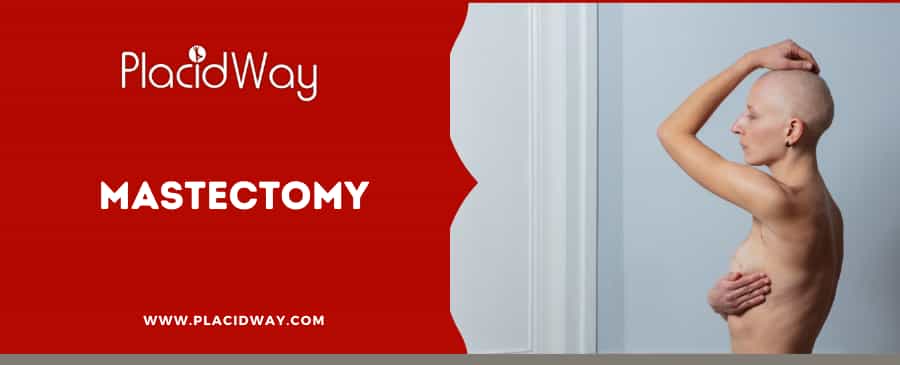
Navigating Mastectomy: Your Guide to Breast Cancer Treatment & Care
Facing a breast cancer diagnosis or considering preventative surgery can be an overwhelming experience. Mastectomy, the surgical removal of breast tissue, is a crucial step for many on their journey to health and healing. This procedure, while significant, is often a life-saving measure, offering hope and a fresh start. Understanding what a mastectomy entails, why it's performed, and what your options are can empower you to make informed decisions about your care.
For individuals exploring global healthcare solutions, medical tourism for mastectomy is increasingly becoming a viable and attractive option. Patients from around the world seek treatment abroad for various reasons, including access to specialized surgeons, cutting-edge technology, reduced waiting times, and significant cost savings without compromising on quality. This comprehensive guide aims to shed light on every aspect of mastectomy, from symptoms and causes to recovery and the unique considerations for international patients, ensuring you feel supported and informed every step of the way.
What are the common symptoms and signs of breast cancer?
Recognizing the early signs of breast cancer is vital for timely diagnosis and treatment. While a lump is the most well-known symptom, there are several other indicators that should prompt a visit to your doctor. Many patients search for "what does a breast lump feel like?" or "signs of aggressive breast cancer."
- A new lump or mass: This might be painless and feel hard with irregular edges, though some can be soft, round, and tender. Any new lump should be checked.
- Swelling of all or part of the breast: Even if no distinct lump is felt.
- Skin changes: Dimpling or puckering (resembling an orange peel), redness, scaling, or thickening of the nipple or breast skin.
- Nipple discharge: Any discharge other than breast milk, especially if bloody or clear.
- Nipple changes: A nipple turning inward (inverted nipple) or pain in the nipple area.
- Armpit lump or swelling: Cancer can spread to lymph nodes under the arm before a tumor in the breast is large enough to feel.
It’s important to remember that these symptoms don't always mean cancer, but they warrant immediate medical evaluation. Regular breast self-exams, clinical breast exams, and mammograms are essential screening tools for early detection.
What causes breast cancer and who is at risk?
Many patients wonder, "what causes breast cancer?" or "am I at high risk for breast cancer?" While the precise cause of breast cancer is complex and often multifactorial, it generally arises from genetic mutations that cause breast cells to grow and divide uncontrollably. These mutations can be inherited or acquired over a lifetime.
Key Risk Factors for Breast Cancer:
- Genetics: About 5-10% of breast cancers are hereditary, linked to gene mutations like BRCA1 and BRCA2.
- Age: The risk increases with age, with most breast cancers diagnosed in women over 50.
- Family History: Having a close relative (mother, sister, daughter) who had breast cancer, especially at a young age.
- Previous Breast Biopsy: Certain benign (non-cancerous) breast conditions can increase risk.
- Radiation Exposure: Radiation therapy to the chest as a child or young adult.
- Obesity: Higher body mass index is linked to increased risk, particularly after menopause.
- Alcohol Consumption: Even moderate drinking can increase risk.
- Dense Breast Tissue: Makes it harder to see tumors on mammograms.
- Hormone Therapy: Combined hormone therapy (estrogen and progestin) for menopause.
- Early Menstruation/Late Menopause: Longer exposure to estrogen.
- Never Having a Full-Term Pregnancy or Having One Later in Life: Childbirth and breastfeeding can slightly reduce risk.
Understanding these factors can help individuals and their doctors assess personal risk and consider preventative strategies or increased screening. However, it's crucial to remember that many people with these risk factors never develop breast cancer, and some with no known risk factors do.
What is a mastectomy and what are the different types of mastectomy surgery?
For those facing a breast cancer diagnosis, understanding the surgical options is paramount. Patients often search for "breast removal surgery types" or "mastectomy options." A mastectomy involves the removal of the entire breast or a significant portion of it. The type of mastectomy recommended depends on the size, location, and stage of the cancer, as well as the patient's preferences and overall health.
Common Types of Mastectomy:
- Total (Simple) Mastectomy: The entire breast, including the nipple, areola, and most of the overlying skin, is removed. Lymph nodes in the armpit are usually left intact, unless there's concern about cancer spread.
- Modified Radical Mastectomy: Similar to a total mastectomy, but also includes the removal of some or all of the axillary (underarm) lymph nodes. The chest wall muscles are preserved. This is a very common type.
- Skin-Sparing Mastectomy: Most of the skin over the breast is preserved, allowing for immediate breast reconstruction with a more natural result. The breast tissue, nipple, and areola are removed.
- Nipple-Sparing Mastectomy: A more advanced technique where the nipple and areola are also preserved, along with the breast skin. This is only an option for certain cancers, typically small, non-aggressive tumors located away from the nipple.
- Prophylactic (Preventative) Mastectomy: Performed on one or both breasts in individuals at very high risk of developing breast cancer (e.g., due to strong family history or BRCA gene mutations) to significantly reduce their risk.
- Partial Mastectomy/Lumpectomy: While not a full mastectomy, it's a breast-conserving surgery where only the tumor and a small margin of healthy tissue around it are removed. This is often followed by radiation therapy.
Your surgical team will discuss which approach is best suited for your individual case, considering factors like tumor characteristics, breast size, and whether you plan for immediate or delayed breast reconstruction.
Who is eligible for a mastectomy and when is it recommended?
The decision to undergo a mastectomy is a significant one, often made after careful consideration and discussion with a multidisciplinary medical team. Patients frequently ask, "when is mastectomy necessary?" or "who qualifies for breast removal surgery?"
Mastectomy is typically recommended in situations such as:
- Invasive Breast Cancer: For many types of invasive breast cancer, especially larger tumors or those with multiple sites (multifocal).
- Ductal Carcinoma In Situ (DCIS): A non-invasive form of breast cancer. While often treated with lumpectomy and radiation, mastectomy may be recommended for extensive DCIS or if breast-conserving surgery is not possible.
- Inflammatory Breast Cancer: A rare but aggressive form of breast cancer that often requires mastectomy after chemotherapy.
- Local Recurrence After Lumpectomy: If cancer returns in the same breast after a previous lumpectomy and radiation.
- Genetic Predisposition: For individuals with a high genetic risk (e.g., BRCA1/2 mutations) who opt for prophylactic mastectomy to prevent cancer.
- Large Tumor Size: When the tumor is large relative to the breast size, making breast-conserving surgery difficult or cosmetically undesirable.
- Inability to Receive Radiation: If a patient cannot undergo radiation therapy after a lumpectomy (e.g., due to pregnancy, previous radiation, or other health conditions).
- Patient Preference: Some women choose mastectomy even when breast-conserving surgery is an option, for peace of mind or to avoid radiation.
A thorough evaluation, including imaging, biopsy results, and genetic testing, will help your medical team determine the most appropriate course of action for your unique situation.
What is the recovery time and what should I expect after a mastectomy?
Understanding the recovery process is a common concern for patients, with many searching for "mastectomy recovery timeline" or "life after breast cancer surgery." Recovery from a mastectomy is a gradual process that involves both physical and emotional healing.
Immediate Post-Operative Period (Hospital Stay):
- Pain Management: You will receive pain medication to manage discomfort at the incision site and potentially in the armpit.
- Drains: One or more surgical drains (small tubes) will likely be placed to remove fluid that accumulates after surgery. These are usually removed within 1-2 weeks.
- Limited Movement: Your arm and shoulder on the affected side will have limited mobility initially. Nurses and physical therapists will guide you through gentle exercises.
- Hospital Stay: Typically 1-3 days, depending on the type of mastectomy and whether reconstruction was performed.
Home Recovery (First Few Weeks):
- Pain and Swelling: Continue to manage pain with medication. Swelling, bruising, and numbness in the breast, armpit, and upper arm are common.
- Activity Restrictions: Avoid heavy lifting, strenuous activities, and raising your arm above your shoulder for several weeks to prevent complications and aid healing.
- Wound Care: You'll receive instructions on how to care for your incision and drains.
- Physical Therapy: Essential for preventing stiffness and regaining full range of motion in your arm and shoulder.
Long-Term Recovery:
- Full Physical Recovery: Can take 4-8 weeks, sometimes longer if reconstruction was complex.
- Lymphedema Risk: If lymph nodes were removed, there's a risk of lymphedema (swelling in the arm). Your doctor will discuss preventative measures.
- Emotional Healing: Many women experience a range of emotions, including grief, anxiety, and body image concerns. Support groups, counseling, and open communication with loved ones are vital.
- Prosthetics/Reconstruction: If you didn't have immediate reconstruction, you can explore external breast prostheses or delayed reconstructive surgery options.
Remember, everyone's healing journey is unique. Follow your surgeon's specific post-operative instructions carefully, and don't hesitate to reach out with any concerns.
What are the potential risks and side effects of mastectomy?
While mastectomy is a life-saving procedure, it's a major surgery with potential risks and side effects. Patients often search for "mastectomy complications" or "what are the long-term effects of breast removal?"
General Surgical Risks:
- Bleeding: Hematoma (collection of blood under the skin).
- Infection: At the incision site, requiring antibiotics or further drainage.
- Pain: Both acute post-operative pain and chronic pain can occur.
- Seroma: Accumulation of clear fluid under the skin, often requiring drainage.
- Anesthesia Risks: Reactions to medication, breathing problems.
- Poor Wound Healing: Especially common in patients who smoke or have underlying health conditions.
Specific Mastectomy Side Effects:
- Lymphedema: Swelling in the arm or hand due to lymph node removal. This can be long-term and requires management.
- Numbness: In the chest, armpit, and upper arm due to nerve damage during surgery. This is often permanent.
- Phantom Breast Sensations: Feeling pain, itching, or pressure in the removed breast.
- Arm and Shoulder Stiffness: Reduced range of motion, requiring physical therapy.
- Changes in Body Image: Emotional and psychological impact due to the loss of a breast, affecting self-esteem and intimacy.
- Scarring: Permanent visible scars on the chest.
Your surgical team will explain these risks in detail and take precautions to minimize them. Discuss any concerns you have openly with your doctors to make an informed decision about your treatment.
How much does a mastectomy cost worldwide, and what factors influence the price?
Cost is a significant factor for many patients considering mastectomy, especially when comprehensive breast cancer treatment is needed. Searches like "cost of breast removal surgery" or "affordable mastectomy abroad" are common. The price can fluctuate dramatically based on geographic location, the complexity of the surgery, whether breast reconstruction is included, and the healthcare system's structure.
Worldwide Mastectomy Cost Comparison (Estimated):
| Country | Estimated Cost (USD) - Mastectomy Only | Estimated Cost (USD) - Mastectomy with Reconstruction |
|---|---|---|
| United States | $15,000 - $30,000+ | $30,000 - $80,000+ |
| United Kingdom | $10,000 - $20,000+ | $20,000 - $50,000+ |
| Mexico | $8,000 - $15,000 | $15,000 - $30,000 |
| Turkey | $7,000 - $14,000 | $14,000 - $28,000 |
| India | $5,000 - $12,000 | $10,000 - $25,000 |
| Thailand | $8,000 - $16,000 | $16,000 - $32,000 |
Factors influencing cost:
- Type of Mastectomy: A simple mastectomy is generally less expensive than a modified radical or nipple-sparing procedure.
- Breast Reconstruction: Adding immediate or delayed reconstruction significantly increases the total cost.
- Hospital Fees: Operating room time, anesthesia, hospital stay, and facility charges vary greatly.
- Surgeon's Fees: Highly experienced or renowned surgeons may charge more.
- Diagnostic Tests: Pre-operative tests like biopsies, MRI, and blood work add to the overall expense.
- Post-Operative Care: Medications, follow-up appointments, and physical therapy.
- Geographic Location: Countries with lower living costs and different healthcare systems can offer procedures at a fraction of the price found in Western nations.
When considering medical tourism, it's crucial to get an all-inclusive quote that covers all these aspects to avoid unexpected costs.
Why should I consider a mastectomy abroad for breast cancer treatment?
For many individuals, the decision to seek medical treatment overseas, especially for a procedure as critical as a mastectomy, comes from a desire to find the best possible care under specific circumstances. Common searches include "mastectomy cost savings abroad" or "getting breast cancer treatment in another country."
Benefits of Medical Tourism for Mastectomy:
- Cost Savings: This is often the primary driver. Procedures abroad can be 30-70% less expensive than in countries like the US or UK, even when factoring in travel and accommodation.
- Access to Advanced Technology and Expertise: Many international hospitals boast state-of-the-art facilities and highly skilled surgeons who are leaders in their fields, sometimes offering techniques not widely available elsewhere.
- Reduced Waiting Times: In some countries, patients face long waiting lists for specialist consultations and surgeries. Traveling abroad can provide immediate access to care.
- Privacy and Anonymity: Some patients prefer the discretion that comes with receiving treatment away from their local community.
- Personalized Care: Many medical tourism providers and international clinics offer highly personalized service, often including concierge services, language support, and comprehensive care coordination.
- Opportunity for Travel and Recovery: Combining treatment with a period of recovery in a new, often tranquil environment can be appealing, though the primary focus should always be on medical care.
Choosing to travel for medical care is a personal decision that requires thorough research and planning, but the benefits can be substantial for the right candidate.
Which countries offer the best value and quality for mastectomy surgery?
When evaluating destinations for mastectomy abroad, patients are typically looking for a balance of high-quality medical care, experienced surgeons, modern facilities, and affordable pricing. Search queries like "best countries for breast cancer surgery" or "top hospitals for mastectomy overseas" are very common.
Leading Medical Tourism Destinations for Mastectomy:
- Turkey: Known for its JCI-accredited hospitals, modern infrastructure, skilled surgeons, and competitive pricing. Istanbul and Ankara are major hubs.
- India: A powerhouse in medical tourism, offering world-class, affordable healthcare with highly trained doctors and state-of-the-art facilities, particularly in cities like Mumbai, Delhi, and Bangalore.
- Mexico: Popular for North American patients due to proximity. Offers a range of accredited hospitals and experienced surgeons in cities like Tijuana, Cancun, and Guadalajara, providing excellent care at significantly lower costs.
- Thailand: Bangkok is a leading destination with several internationally recognized hospitals providing excellent patient care, modern technology, and renowned medical expertise.
- South Korea: While often associated with aesthetic procedures, South Korea also boasts highly advanced medical technology and expertise in oncology, offering cutting-edge treatments with high success rates, though sometimes at a slightly higher cost than other Asian options.
- Malaysia: Offers high-quality, English-speaking medical professionals and JCI-accredited hospitals at very competitive prices, making it an attractive option for many.
When choosing a destination, consider factors like surgeon's experience, hospital accreditation (e.g., JCI), language barriers, ease of travel, and overall support services for international patients.
What should I expect when traveling abroad for a mastectomy?
Embarking on a medical journey overseas requires careful planning and knowing what to expect can significantly reduce stress. Patients often search for "medical tourism process for breast surgery" or "how to plan for mastectomy abroad."
Key Expectations and Planning Steps:
- Initial Consultation & Medical Records: You'll typically start with remote consultations. You'll need to send your medical records, imaging (mammograms, MRIs), and biopsy reports for review by the international medical team.
- Treatment Plan & Quote: Based on your records, the clinic will provide a detailed treatment plan, estimated costs, and recommended length of stay.
- Travel Arrangements: Once you accept the plan, you'll arrange flights and accommodation. Many medical tourism agencies or clinics assist with these logistics, including airport transfers.
- Visa and Documentation: Check visa requirements for your chosen country. Ensure your passport is valid and you have all necessary medical documents.
- Arrival and Pre-Operative Appointments: Upon arrival, you'll have in-person consultations with your surgeon, anesthesiologist, and other specialists. Further diagnostic tests may be performed.
- Surgery and Hospital Stay: Undergo the mastectomy, followed by the expected hospital recovery period (1-3 days typically).
- Post-Operative Recovery Abroad: You'll need to remain in the country for several days to weeks after discharge for follow-up appointments, drain removal, and initial healing. This period is crucial for your safety.
- Follow-up Care Plan: Before returning home, ensure you have a clear plan for ongoing care, drain management, wound care, and any necessary physical therapy.
- Communication: Most reputable clinics offer language support, but it's always wise to clarify how communication will be handled.
A good medical tourism facilitator like PlacidWay can streamline this entire process, offering peace of mind and expert guidance.
How can I ensure safety and quality when choosing a mastectomy clinic abroad?
Ensuring the safety and quality of care is paramount when seeking any medical procedure abroad, especially a complex one like a mastectomy. Many patients ask, "how to find a safe breast cancer clinic overseas?" or "what makes a good medical tourism hospital?"
Key Steps to Ensure Safety and Quality:
- Accreditation: Look for international accreditations such as Joint Commission International (JCI). This signifies that the hospital meets rigorous international standards for patient safety and quality of care. Local accreditations are also important.
- Surgeon Credentials and Experience: Verify your surgeon's qualifications, board certifications, years of experience, and specific expertise in breast surgery and oncology. Ask about their success rates and patient outcomes.
- Facility Standards: Ensure the clinic has modern equipment, state-of-the-art operating rooms, and robust infection control protocols.
- Transparency in Pricing: Request a detailed, all-inclusive quote to avoid hidden fees. Understand what is and isn't covered.
- Patient Reviews and Testimonials: Read reviews from previous international patients. Look for consistent positive feedback regarding care, results, and overall experience.
- Medical Tourism Facilitator: Partner with a reputable medical tourism company like PlacidWay. These facilitators vet clinics, help with communication, logistics, and provide an added layer of support and accountability.
- Post-Operative Care Plan: Confirm that the clinic provides a clear plan for follow-up care, both while you are abroad and once you return home.
- Communication and Language Support: Ensure there will be no language barriers that could compromise your understanding of the treatment or your ability to express concerns.
By diligently researching and working with trusted partners, you can significantly enhance the safety and quality of your medical journey abroad.
Can I hear about patient success stories for mastectomy abroad?
Hearing about real-life experiences can provide immense comfort and confidence when considering medical treatment abroad. Many patients seek "mastectomy abroad testimonials" or "success stories breast cancer international treatment." While individual patient outcomes can vary, a growing number of individuals have successfully undergone mastectomies in international destinations, often exceeding their expectations for care and affordability.
Common Themes in Patient Success Stories:
- Exceptional Medical Care: Patients frequently praise the high standard of medical care, state-of-the-art facilities, and the expertise of surgeons and medical staff in countries like Turkey, India, and Mexico.
- Personalized Attention: Many highlight the personalized approach, where doctors and nurses spend more time explaining procedures and providing emotional support, which can sometimes feel rushed in overloaded healthcare systems.
- Significant Cost Savings: A recurring theme is the ability to access life-saving surgery at a fraction of the cost in their home country, alleviating financial burden during a challenging time.
- Smooth Logistics: Testimonials often commend medical tourism facilitators and clinics for handling all travel arrangements, accommodation, and appointments, making the process stress-free.
- Positive Recovery Environment: Some patients appreciate the opportunity to recover in a different environment, finding it conducive to healing and a fresh perspective.
- Empowerment and Hope: Ultimately, these stories often speak to a renewed sense of hope and empowerment, having successfully navigated a critical health challenge with the support of a global medical community.
These success stories underscore the viability and positive impact of choosing medical tourism for a mastectomy. They serve as powerful examples of how quality, affordable healthcare is accessible globally for those willing to explore their options.
Take the Next Step with PlacidWay
Ready to explore treatment options abroad? Discover top clinics, compare prices, and get a free quote tailored to your needs with PlacidWay.
Cancer Treatment Abroad, Breast Cancer, Lung Cancer




.png)

.png)
.png)



.png)
.png)
.png)










Share this listing