


Amazing Recovery Attributed to Cord Blood: Unlocking the Power of Stem Cells
The realm of regenerative medicine has witnessed remarkable breakthroughs, but few are as profound as the amazing recovery attributed to cord blood therapies. For decades, umbilical cord blood was routinely discarded as medical waste following childbirth. Today, it is globally recognized as an incredibly rich, life-saving source of powerful hematopoietic stem cells.
These specialized cells are currently capable of treating devastating neurological disorders, aggressive blood cancers, and severe immune deficiencies. This incredible biologic resource offers patients a vital second chance at a healthy life. Watch to explore the transformative medical science, real-world healing journeys, and future applications of umbilical cord blood stem cell treatments.
Video Chapters & Quick Navigation
The journey from a devastating medical diagnosis to an amazing recovery attributed to cord blood is no longer science fiction. It is a documented medical reality happening in advanced clinics around the globe. Families facing insurmountable odds are finding hope in the biological materials left behind after birth.
As we delve deeply into this subject, it becomes clear that umbilical cord stem cell therapies are reshaping the landscape of modern medicine. By harnessing the body's natural building blocks, doctors can repair damaged tissues, rebuild failing immune systems, and restore cognitive functions.
The Astonishing Science Behind Cord Blood Stem Cells
To truly understand how an amazing recovery attributed to cord blood is possible, we must first look at the unique biological makeup of these cells. Umbilical cord blood is exceptionally rich in hematopoietic stem cells (HSCs). These are the master cells responsible for generating all other blood and immune system cells in the human body.
Unlike stem cells harvested from adult bone marrow, cord blood stem cells are incredibly youthful and naive. This biological youth means they have a much higher rate of proliferation and adaptability. As mentioned in the video at , they have not been exposed to environmental toxins, radiation, or the aging process.
Why Cord Blood is Superior to Adult Stem Cells
One of the most significant advantages of using cord blood for regenerative medicine is the reduced risk of Graft-versus-Host Disease (GvHD). Because these cells are immunologically immature, they are much less likely to attack the recipient's body after transplantation.
This allows for a less stringent Human Leukocyte Antigen (HLA) matching process between the donor and the patient. While bone marrow transplants require almost perfect genetic matches, cord blood transplants can succeed with partial matches. This dramatically expands the pool of available donors for patients in urgent need of life-saving therapies.
The Secret Power of Mesenchymal Stem Cells
While the blood inside the umbilical cord is rich in blood-forming cells, the actual tissue of the cord contains another medical treasure. Wharton's Jelly, the gelatinous substance within the cord, is packed with Mesenchymal Stem Cells (MSCs). These specialized cells are paramount for structural tissue repair.
MSCs possess powerful immunomodulatory and anti-inflammatory properties that assist in healing damaged organs, cartilage, and even nerve tissues. When combined with hematopoietic stem cells, the potential for an amazing recovery attributed to cord blood therapies increases exponentially across a variety of medical conditions.
Groundbreaking Neurological Breakthroughs
Perhaps the most emotionally compelling stories of an amazing recovery attributed to cord blood involve pediatric neurological disorders. Conditions that were once considered irreversible, such as cerebral palsy and hypoxic-ischemic encephalopathy (HIE), are now the focus of intense regenerative research.
When an infant experiences a lack of oxygen to the brain during birth, the resulting damage can cause severe lifelong motor and cognitive disabilities. Traditional medicine focuses primarily on managing these symptoms through physical therapy and medication. Cord blood therapies aim to address the root cause by repairing the underlying brain injury.
Reversing the Effects of Cerebral Palsy
Clinical trials have repeatedly demonstrated the neuroprotective capabilities of umbilical cord blood infusions. When introduced into the bloodstream, these smart cells can cross the blood-brain barrier. They actively seek out areas of inflammation and tissue damage within the central nervous system.
Once they reach the damaged neural pathways, they release growth factors that stimulate angiogenesis, which is the formation of new blood vessels. As highlighted at , this restorative process helps to repair synaptic connections, leading to profound improvements in motor function, speech, and overall cognitive ability in affected children.
Addressing Autism Spectrum Disorder (ASD)
Another frontier where we are witnessing an amazing recovery attributed to cord blood is in the treatment of Autism Spectrum Disorder. While autism is highly complex and individualized, recent scientific literature suggests that immune dysregulation and neuroinflammation play significant roles in its development.
By utilizing the potent anti-inflammatory properties of cord blood stem cells, researchers are observing noticeable improvements in behavioral symptoms. Parents involved in these pioneering clinical studies often report enhanced social communication, reduced repetitive behaviors, and better eye contact from their children following treatment.
Eradicating Blood Cancers and Immune Deficiencies
While neurological applications are relatively new, the use of cord blood for treating oncological and hematological conditions has a long, established history. Since the first successful transplant in 1988, umbilical cord blood has been utilized in over 40,000 medical procedures worldwide.
It remains a primary, FDA-approved treatment modality for nearly 80 different diseases. These include severe acute leukemias, lymphomas, and life-threatening anemias. For patients who cannot find a suitable bone marrow donor, cord blood offers a critical, life-saving alternative.
Winning the Battle Against Leukemia
In cases of aggressive leukemia, a patient's diseased bone marrow is intentionally destroyed using high doses of chemotherapy and radiation. While this eradicates the cancer, it also leaves the patient without a functioning immune system. This is where the amazing recovery attributed to cord blood truly begins.
The patient is infused with healthy, matched umbilical cord stem cells. These resilient cells rapidly migrate to the empty bone marrow cavities and begin to engraft. Within weeks, they generate entirely new, cancer-free red blood cells, white blood cells, and platelets, effectively rebuilding the patient's immune system from scratch.
Curing Rare Genetic and Metabolic Disorders
Beyond cancer, cord blood is a vital tool for curing severe combined immunodeficiency (SCID), often known as "bubble boy disease." Infants born with SCID lack a functioning immune system and are highly susceptible to fatal infections. A timely stem cell transplant can completely cure the condition.
Similarly, devastating metabolic disorders like Krabbe disease and Hurler syndrome can be halted in their tracks. By introducing stem cells that produce the missing essential enzymes, cord blood therapy prevents the rapid neurological deterioration associated with these tragic genetic diseases.
Understanding the Cord Blood Collection Process
One of the most remarkable aspects of cord blood therapy is how safely and easily the initial biological material is procured. Unlike bone marrow extraction, which requires general anesthesia and invasive surgical drilling into the hip bone, umbilical cord collection is entirely painless and poses zero risk to the mother or the newborn.
The collection process takes place immediately after the child is born and the umbilical cord has been clamped and cut. The healthcare provider cleans the cord with an antiseptic solution and inserts a small needle into the umbilical vein.
Secure Transportation and Cryopreservation
Gravity draws the remaining blood from the cord and placenta into a specialized, sterile collection bag. This process usually yields anywhere from two to five ounces of stem-cell-rich blood. As detailed at , the entire extraction takes less than five minutes.
Once collected, the bag is sealed, labeled with a unique barcode, and placed into a highly regulated, temperature-controlled transportation kit. It is then rapidly shipped to a specialized laboratory. There, the stem cells are isolated, mixed with a cryoprotectant to prevent cellular damage, and frozen in liquid nitrogen at -196°C, preserving them indefinitely.
Navigating Public vs. Private Cord Blood Banking
Expecting parents face a critical decision regarding their baby's cord blood: whether to donate it to a public bank or pay to store it in a private family facility. Understanding the nuances of umbilical cord blood banking is essential for making an informed choice about your family's medical future.
Public banking is free and makes the stem cells available to anyone in the world who needs a life-saving transplant. However, once donated, you relinquish ownership, and the blood may not be available if your own child needs it later in life.
| Feature | Private Family Banking | Public Donation Banking |
|---|---|---|
| Cost | Initial fee plus annual storage costs | Completely free for the donor family |
| Accessibility | Reserved exclusively for your family | Available to anyone on the global registry |
| Medical Use | Guaranteed 100% genetic match for the child | Used for public transplant or medical research |
| Availability | Offered at almost all hospitals globally | Only available at specific participating hospitals |
Making the Right Choice for Your Family
Private family banking guarantees that your child's stem cells are immediately accessible should an unexpected tragedy strike. This is particularly crucial for families with a documented history of certain genetic diseases or blood cancers.
Furthermore, sibling-directed cord blood transplants have an incredibly high success rate. Storing cord blood privately ensures that a highly compatible genetic match is waiting in the freezer, ready to orchestrate an amazing recovery attributed to cord blood without the stressful and agonizing wait of searching international registries.
The Reality of the Stem Cell Infusion Procedure
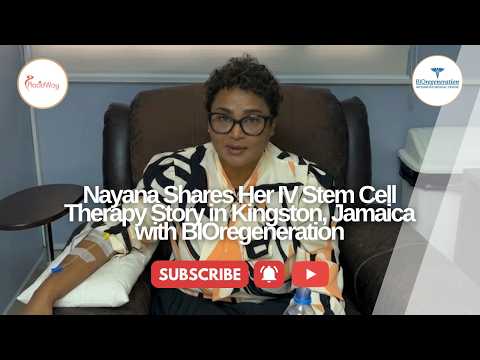
The terminology surrounding advanced regenerative medicine can sound intimidating, but the actual procedure for a stem cell transplant is surprisingly straightforward. Patients often expect a complex surgical operation, but an infusion is much more akin to receiving a standard blood transfusion.
Before the procedure begins, the patient undergoes a thorough medical evaluation to ensure their body is prepared to receive the cells. For oncological patients, this involves completing their final rounds of myeloablative conditioning. For neurological patients receiving autologous (their own) cells, no harsh pre-conditioning is required.
The Step-by-Step Transfusion Process
When the scheduled day arrives, the cryopreserved cord blood unit is carefully thawed in a specialized laboratory adjacent to the treatment room. The stem cells are washed to remove the chemical cryoprotectants used during the freezing process. This vital step prevents adverse reactions during the infusion.
- Vascular Access: A central venous catheter or standard IV line is securely placed into the patient's arm or chest.
- Pre-Medication: Antihistamines and mild anti-inflammatory drugs are administered to prevent allergic responses.
- The Infusion: The stem cell solution is slowly dripped into the bloodstream over the course of several hours.
- Post-Monitoring: Medical staff continuously monitor the patient's vital signs, blood pressure, and oxygen levels.
Once inside the bloodstream, the stem cells act like biological homing pigeons. They intuitively navigate toward the chemical distress signals emitted by damaged tissues and inflamed organs. This homing mechanism is the foundational driver of the amazing recovery attributed to cord blood therapies.
Overcoming Boundaries: Global Access to Regenerative Treatments
Despite the overwhelming evidence of success, many cutting-edge stem cell therapies remain bogged down by intense regulatory red tape in regions like the United States and Canada. The FDA strictly limits the use of expanded stem cells for many off-label neurological conditions.
This bureaucratic hurdle forces families to watch their loved ones deteriorate while life-saving science remains locked behind clinical trial waiting lists. However, a massive shift in global healthcare is providing a viable solution. Medical tourism for regenerative therapies is expanding at an unprecedented rate.
The Rise of International Medical Tourism
Progressive nations such as Mexico, Panama, Germany, and Colombia have established highly regulated, legally approved frameworks for advanced stem cell therapies. These countries host state-of-the-art medical sanctuaries staffed by internationally board-certified physicians and hematology experts.
Patients traveling abroad can access high-dose umbilical cord tissue MSCs and comprehensive rehabilitation programs. By bypassing domestic restrictions, families can actively pursue an amazing recovery attributed to cord blood without waiting years for slow-moving domestic approvals. The global democratization of healthcare is saving lives right now.
Evaluating the Cost of International Stem Cell Therapy
One of the most pressing concerns for patients seeking alternative treatments is the financial burden. Navigating the cost of cord blood stem cell therapy requires careful planning. Domestically, experimental treatments can bankrupt families due to exorbitant hospital markups and lack of insurance coverage.
Conversely, international medical packages are often surprisingly affordable and entirely transparent. Premium clinics abroad provide comprehensive pricing that frequently includes the stem cell expansions, the infusion procedures, physical therapy, and luxury accommodation. Families find they can receive world-class care at a fraction of what a comparable domestic trial would theoretically cost.
Expanding Horizons: Clinical Trials and Future Innovations
The medical science surrounding umbilical cord blood is far from stagnant. We are currently living in the golden age of regenerative research. Major academic institutions and private biomedical firms are aggressively funding hundreds of clinical trials aimed at expanding the therapeutic applications of these incredible cells.
As researchers perfect the art of cell expansion—growing millions of stem cells from a single microscopic sample—the potential for treating chronic, age-related diseases becomes a reality. The future points toward personalized biological medicine, where pharmaceutical drugs are replaced by living, healing cells.
Targeting Autoimmune Diseases and Organ Failure
Ongoing clinical trials are yielding promising data regarding the use of cord blood for severe autoimmune diseases. Conditions like Multiple Sclerosis (MS), Lupus, and Rheumatoid Arthritis occur when the body's immune system mistakenly attacks healthy tissues.
Cord blood stem cells have the unique ability to "reboot" a malfunctioning immune system. By wiping out the defective autoimmune cells and replacing them with naive, healthy hematopoietic stem cells, doctors are achieving long-term remission in patients who previously failed all conventional drug therapies.
The Promise of Cardiac and Spinal Cord Repair
Looking toward the next decade, the most highly anticipated breakthroughs involve reversing catastrophic physical trauma. Scientists are utilizing the mesenchymal stem cells found in cord tissue to regenerate cardiac muscle following severe heart attacks, potentially eliminating the need for heart transplants.
Similarly, groundbreaking trials are exploring direct spinal cord injections for paraplegic patients. By reducing scar tissue and promoting the regrowth of severed neural pathways, researchers aim to restore mobility and sensation. These future applications promise to elevate the amazing recovery attributed to cord blood from medical marvel to routine standard of care.
Ready to Explore Transformative Stem Cell Therapies?
PlacidWay Medical Tourism connects patients with the world's most advanced, fully accredited regenerative medicine clinics. Don't let geographic boundaries prevent you from accessing life-changing umbilical cord blood treatments. Let our expert coordinators guide your journey toward healing today.
GET A FREE MEDICAL QUOTE





.png)










Share this listing