


The Complete Guide to Estetska Operacija Nosa and Facial Harmony
Welcome to the definitive overview of estetska operacija nosa. Undergoing custom nose surgery with Dr. Glusac transforms not just your facial harmony but your overall respiratory function and self-confidence. Rhinoplasty continues to be one of the most sought-after cosmetic procedures worldwide.
Whether you are seeking functional repair for breathing difficulties or cosmetic enhancement for facial symmetry, a personalized rhinoplasty procedure addresses your unique anatomical needs. Watch to understand the advanced surgical techniques utilized by leading specialists to achieve natural, lifelong results.
Video Chapters & Quick Navigation
Understanding the Complexity of Cosmetic Nose Surgery
Estetska operacija nosa is widely considered one of the most intricate and challenging procedures in the entire field of facial plastic surgery. The nose is the central focal point of the human face, meaning even millimeter-level adjustments can dramatically alter a person's overall appearance. Surgeons must possess both profound medical knowledge and a highly refined artistic eye to achieve optimal outcomes.
Unlike other cosmetic procedures that primarily involve skin tightening or fat removal, a rhinoplasty procedure requires the complex restructuring of bone, cartilage, and soft tissue. As highlighted in the video at , this structural manipulation must be executed without compromising the delicate airway passages. Every surgical movement must account for the long-term healing process, as nasal tissues shift and settle over the course of an entire year.
Furthermore, patients pursue nose reshaping surgery for a myriad of deeply personal reasons. Some individuals have struggled with severe self-esteem issues due to a prominent dorsal hump or a bulbous nasal tip since adolescence. Others require reconstructive intervention following traumatic sports injuries or severe car accidents that have left the nasal structure visibly deformed.
The Evolution of Modern Rhinoplasty Techniques
In decades past, cosmetic nose surgery often resulted in a standardized, "cookie-cutter" appearance that looked visibly artificial or overly scooped. Today, modern estetska operacija nosa prioritizes structural preservation and natural-looking facial harmony. Leading practitioners now utilize specialized micro-instruments that allow for precise bone sculpting rather than aggressive bone breaking.
This preservation rhinoplasty approach drastically reduces post-operative trauma, minimizing severe bruising and uncomfortable swelling. By maintaining the patient's native nasal ligaments and selectively modifying only the necessary cartilage, surgeons can ensure the nose retains a strong, natural support system. This significantly lowers the risk of late-term nasal collapse or the need for complex revision surgeries in the future.
Dr. Glusac's Advanced Approach to Personalized Nose Reshaping
When searching for the best rhinoplasty surgeon, patients consistently prioritize medical expertise, transparent communication, and a proven portfolio of natural results. Nose surgery by Dr. Glusac is distinguished by an unwavering commitment to personalized, patient-centric treatment plans. He recognizes that there is no single ideal nose shape, as perfect aesthetics rely entirely on the individual's unique facial proportions.
During the initial diagnostic consultation, comprehensive facial mapping and advanced 3D imaging technology are frequently utilized to evaluate the nasal structure. As discussed around , this digital simulation allows patients to preview potential surgical outcomes before making any commitments. This collaborative visual process ensures that the surgeon and the patient share identical aesthetic goals, eliminating miscommunication regarding the final result.
Moreover, ethnic rhinoplasty techniques play a crucial role in modern cosmetic nose surgery. Patients of different ethnic backgrounds possess distinct cartilage strength, skin thickness, and nasal bridge heights. A skilled professional like Dr. Glusac tailors his surgical methodology to respect and preserve the patient's ethnic identity while refining specific areas of concern.
Prioritizing Patient Safety and Comfort
Beyond aesthetic mastery, top-tier surgical facilities maintain rigorous safety protocols to protect patient well-being at every stage of the cosmetic journey. General anesthesia is typically administered by highly credentialed anesthesiologists who monitor vital signs meticulously throughout the entire operation. This ensures the patient remains completely comfortable and pain-free during the restructuring process.
The surgical environment itself adheres to the strictest international sterilization and hygiene standards. By utilizing state-of-the-art operating theaters equipped with advanced life-support and monitoring technology, the clinical team mitigates the risk of intraoperative complications. Post-operative care rooms are designed to provide a tranquil, stress-free environment where patients can gently awaken and begin their healing process.
The Functional and Aesthetic Benefits of Estetska Operacija Nosa
While the term "cosmetic nose surgery" implies a purely visual enhancement, the reality is that many rhinoplasty procedures deliver profound functional medical benefits. The internal nasal anatomy is a complex labyrinth of passages, valves, and mucous membranes responsible for filtering and humidifying the air we breathe. Structural abnormalities within this system can cause chronic, debilitating health issues.
A deviated septum is one of the most common internal nasal deformities, occurring when the wall dividing the nasal cavity is displaced to one side. This condition severely restricts airflow, leading to chronic sinus infections, loud snoring, and obstructive sleep apnea. Through a specialized procedure known as septorhinoplasty, surgeons can simultaneously straighten the internal septum while refining the external cosmetic appearance.
The psychological benefits of a successful rhinoplasty are equally life-changing for many individuals. Patients frequently report a massive surge in self-confidence, allowing them to engage more freely in social situations and professional environments without feeling self-conscious. Erasing years of facial insecurity can lead to improved mental health, lower anxiety levels, and a vastly improved overall quality of life.
- Enhanced Facial Symmetry: Correcting visible nasal asymmetry creates a harmonious balance between the eyes, cheeks, and chin.
- Improved Respiratory Function: Widening collapsed nasal valves allows for deeper, unobstructed breathing during daily activities and cardiovascular exercise.
- Trauma Reconstruction: Expert surgical intervention can restore the original nasal shape following devastating sports injuries or unexpected accidents.
- Better Sleep Quality: Correcting internal blockages significantly reduces chronic snoring and mitigates the dangerous effects of obstructive sleep apnea.
Comparing Advanced Surgical Techniques: Open vs. Closed Rhinoplasty
During your comprehensive surgical consultation, your specialist will determine which specific surgical technique is most appropriate for your unique anatomical goals. The two primary approaches utilized in modern estetska operacija nosa are the open rhinoplasty technique and the closed rhinoplasty technique. Each method offers distinct advantages and is selected based on the complexity of the required tissue modifications.
The closed rhinoplasty approach, often referred to as endonasal rhinoplasty, involves placing all surgical incisions entirely inside the nostrils. Because there are no external cuts made on the nasal skin, patients benefit from zero visible scarring and generally experience a faster initial recovery period. As noted around , this technique is typically reserved for straightforward procedures, such as minor dorsal hump reduction or subtle tip refinement.
Conversely, the open rhinoplasty technique requires a very small, highly precise incision across the columella—the narrow strip of tissue separating the nostrils. This allows the surgeon to gently lift the nasal skin entirely, providing unobstructed, direct visibility of the underlying bone and cartilage architecture. While it leaves a microscopic, barely perceptible scar, the open approach is absolutely essential for complex reconstructions, severe asymmetry correction, and intricate revision surgeries.
| Surgical Technique | Incision Location | Primary Advantages | Ideal Use Cases |
|---|---|---|---|
| Closed Rhinoplasty | Entirely internal (inside nostrils) | No visible external scarring, faster swelling reduction, shorter operation time. | Minor bump removal, straight forward bridge alterations. |
| Open Rhinoplasty | External incision across the columella | Maximum surgical visibility, unparalleled precision in cartilage reshaping. | Complex reconstructions, tip rebuilding, severe asymmetry. |
| Septorhinoplasty | Can be performed open or closed | Improves breathing function while simultaneously enhancing external aesthetics. | Deviated septum correction, chronic airway obstruction. |
Essential Preparation Guidelines for Your Nose Reshaping Procedure
Achieving a flawless surgical outcome begins long before you actually step into the operating theater. Proper medical preparation is paramount to minimizing intraoperative bleeding risks and accelerating your post-operative healing timeline. Your clinical team will provide a detailed, customized preoperative instruction manual tailored specifically to your medical history.
Patients are strictly instructed to cease taking all blood-thinning medications, including aspirin, ibuprofen, and specific herbal supplements like ginkgo biloba, at least two weeks prior to the estetska operacija nosa. These substances can significantly increase the risk of excessive bleeding and exacerbate post-operative facial bruising. Furthermore, individuals must completely halt all nicotine consumption—including smoking, vaping, and nicotine patches—a minimum of four weeks before the surgery.
Nicotine acts as a potent vasoconstrictor, drastically reducing vital blood flow to the delicate facial tissues and severely compromising the body's natural wound-healing capabilities. Preparing your home environment is equally important for a stress-free recovery experience. Patients should arrange a comfortable recovery station with extra pillows to keep their head elevated, stock up on soft, easily chewable foods, and fill all necessary pain management prescriptions ahead of time.
Pre-Surgical Medical Evaluations
Comprehensive preoperative blood work and a thorough physical examination are mandatory requirements to ensure you are medically cleared for general anesthesia. Depending on your age and underlying health conditions, an electrocardiogram (EKG) may also be requested by your surgical team. These safety precautions guarantee that your body can comfortably tolerate the physiological stress of the rhinoplasty procedure.
Additionally, organizing reliable transportation is a non-negotiable aspect of your surgical preparation. You will not be legally or physically permitted to drive yourself home following the administration of general anesthesia. Having a trusted family member or dedicated caregiver stay with you for the first 24 to 48 hours is highly recommended to assist with medication schedules and cold compress applications.
A Step-by-Step Breakdown of the Surgical Process
Understanding exactly what happens in the operating room can drastically reduce pre-surgical anxiety and help patients feel empowered about their cosmetic journey. On the day of your nose surgery by Dr. Glusac, you will have a final consultation with the surgical team to review the agreed-upon aesthetic goals. Once in the surgical suite, the anesthesiologist will administer the customized sedation protocol to ensure total comfort.
After the anesthesia has taken full effect, the surgeon carefully makes the predetermined internal or external incisions. Using specialized micro-instruments, the skin covering the nasal framework is gently lifted away from the underlying bone and cartilage. As referenced in the video at , this exposes the precise areas that require structural modification and sculpting.
If the patient requires augmentation to build up a flat nasal bridge or define a weak tip, the surgeon may utilize cartilage grafts harvested from the patient's own septum, ear, or in rare cases, the rib. Conversely, if reduction is the goal, excess bone and cartilage are meticulously shaved down or removed. Once the newly desired shape is achieved, the nasal skin is meticulously re-draped, and the microscopic incisions are sutured closed with dissolvable threads.
Immediate Post-Surgical Stabilization
Immediately following the suturing process, internal silicone splints or soft nasal packing may be temporarily inserted to support the newly reconstructed septum and control bleeding. A rigid external cast or customized nasal splint is then carefully taped over the bridge of the nose. This external splint plays a critical role in maintaining the new bone structure and heavily compressing the tissues to minimize severe initial swelling.
The patient is then gently transitioned to a monitored recovery bay where highly trained nursing staff oversee the awakening process. You may experience grogginess, mild a dull headache, and a sensation of profound nasal congestion similar to a severe head cold. Once you are fully alert, stable, and capable of taking oral fluids, you will be safely discharged into the care of your designated driver.
Navigating the Comprehensive Rhinoplasty Recovery Timeline
Patience is arguably the most important requirement when recovering from estetska operacija nosa. Unlike many other cosmetic enhancements that offer instantaneous final results, a rhinoplasty procedure reveals its true outcome over an extended, gradual timeline. The first seven days represent the most intensive phase of the acute healing process.
During the first week, patients will experience significant facial swelling, particularly around the delicate eye area, which may manifest as visible "black eyes." Maintaining a strictly elevated head position while sleeping and diligently applying crushed ice packs to the cheeks—never directly on the nose—will significantly expedite the reduction of this localized edema. Around the seven-day mark, the patient returns to the clinic for the highly anticipated removal of the external cast and any non-dissolvable sutures.
By the end of the second week, the vast majority of the visible facial bruising will have completely dissipated, allowing most patients to confidently return to their normal work environments and social obligations. However, while the nose may look vastly improved to observers, it will still remain quite swollen to the patient's own touch. Strenuous cardiovascular exercise, heavy lifting, and any activities that significantly elevate blood pressure must be strictly avoided during this vulnerable four-week window to prevent unexpected nosebleeds.
The Months Ahead: Settling and Refining
Between months two and six, the residual, microscopic soft-tissue swelling continues to subside at a gradual pace. The skin shrink-wraps tightly around the newly sculpted cartilage framework, slowly revealing the intricate, refined details of the nasal tip and bridge. Patients may notice that the tip feels numb or slightly rigid during this period, which is a completely normal part of sensory nerve regeneration.
It typically takes a full twelve to eighteen months for the absolute final result of a cosmetic nose reshaping surgery to become permanently established. The thick sebaceous skin located at the nasal tip is notoriously stubborn and requires the longest duration to fully contract and heal. Attending all scheduled post-operative follow-up appointments ensures that your surgeon can accurately monitor this long-term tissue settling process.
Long-Term Maintenance and Protecting Your Surgical Investment
Once you have fully healed from your estetska operacija nosa, protecting your new facial structure is vital to ensuring your results last a lifetime. In the immediate months following the rhinoplasty procedure, the newly fractured and reset nasal bones are highly susceptible to shifting if subjected to blunt force trauma. Patients are strongly advised against participating in any contact sports, such as basketball or martial arts, for a minimum of six months.
Additionally, wearing heavy prescription eyeglasses or thick sunglasses can exert dangerous downward pressure on the healing nasal bridge. As discussed in postoperative guidelines around , patients should utilize specialized tape to suspend their glasses from their forehead or temporarily switch to contact lenses during the initial two-month recovery phase. Sun protection is also an often-overlooked aspect of long-term surgical care.
Direct ultraviolet radiation from the sun can cause permanent hyperpigmentation and severe discoloration of the fading surgical incision lines. Applying a high-quality, broad-spectrum medical-grade sunscreen daily is absolutely crucial for protecting the vulnerable, recovering facial skin. By strictly adhering to these long-term maintenance protocols and practicing cautious facial care, patients can enjoy their beautiful, functional, and confidence-boosting new smile for decades to come.
Ready to Transform Your Profile and Boost Your Confidence?
Take the first step toward optimal facial harmony and improved breathing. Connect with world-renowned specialists for your highly personalized estetska operacija nosa. Don't wait to achieve the beautiful, natural results you deserve.
REQUEST YOUR FREE CONSULTATION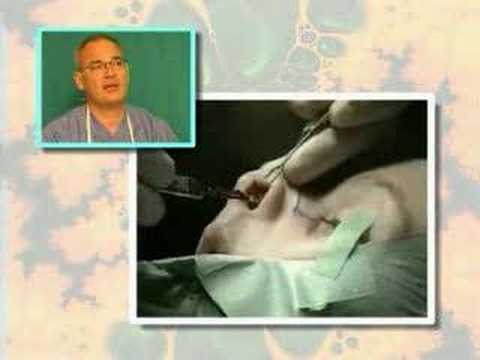



.png)


.png)










Share this listing