


Dermatomyositis and Stem Cell Therapy: Advanced Regenerative Treatments
Living with dermatomyositis can feel like an endless battle against your own body. This rare inflammatory myopathy causes debilitating muscle weakness and painful skin rashes, leaving many patients searching for alternatives when conventional immunosuppressants fail. Enter dermatomyositis stem cell therapy, a revolutionary breakthrough in modern regenerative medicine. In this comprehensive guide, we explore how advanced stem cell treatments are offering incredible new hope for patients suffering from this severe autoimmune disease, potentially halting condition progression, repairing damaged tissue, and profoundly restoring overall quality of life.
Video Chapters & Quick Navigation
Understanding Dermatomyositis: The Autoimmune Attack on Muscle and Skin
To fully grasp how regenerative medicine intervenes, we must first understand the pathophysiology of dermatomyositis. This condition is categorized as an idiopathic inflammatory myopathy. It occurs when the body's immune system erroneously targets its own healthy muscle tissue and blood vessels. Patients frequently experience symmetrical proximal muscle weakness, making everyday tasks like climbing stairs, brushing hair, or rising from a chair incredibly difficult.
As highlighted in the video at , the most distinguishing feature of this disease is its dermatological manifestations. Patients often develop a heliotrope rash, which presents as a violaceous or lilac-colored discoloration around the eyelids, often accompanied by severe swelling. Additionally, Gottron's papules—scaly, raised bumps over the knuckles, elbows, and knees—are classic hallmark symptoms that dermatologists and rheumatologists look for during diagnosis.
The internal damage is driven by an influx of inflammatory cells, specifically CD4+ T cells and B cells, which attack the capillaries supplying blood to the muscle fibers. This microvascular destruction leads to muscle ischemia, micro-infarctions, and eventual muscle fiber atrophy. Left unchecked, dermatomyositis can also impact the lungs, causing interstitial lung disease, which severely compromises respiratory function and introduces a life-threatening complication into the patient's prognosis.
The Systemic Impact Beyond Muscle Weakness
Dermatomyositis is not simply a localized muscle disease; it is a systemic condition. Patients frequently battle profound fatigue, joint pain, and swallowing difficulties, medically known as dysphagia. Dysphagia occurs when the striated muscles of the upper esophagus become inflamed and weakened, presenting severe choking hazards and leading to unintentional weight loss and malnutrition.
Another painful complication is calcinosis, which involves the formation of hard calcium deposits under the skin and within the muscle tissue. These nodules can become ulcerated, leading to secondary infections. The systemic nature of dermatomyositis demands a treatment approach that doesn't just mask the symptoms but actively resets the immune system's aggressive behavior.
The Limitations of Traditional Dermatomyositis Treatments
For decades, the standard medical approach to treating dermatomyositis has relied heavily on broad-spectrum immunosuppression. The first line of defense almost always involves high-dose corticosteroids, such as Prednisone. While steroids can rapidly reduce systemic inflammation and provide temporary relief from muscle pain, their long-term use is fraught with devastating side effects.
Prolonged corticosteroid use leads to osteoporosis, severe weight gain, hypertension, insulin resistance, and an increased susceptibility to opportunistic infections. As discussed around in our source material, the irony of steroid treatment is that it can eventually cause "steroid myopathy," a condition that actually worsens the very muscle weakness the drug was prescribed to treat.
Second-Line Defense: Immunosuppressants and Biologics
When steroids fail to achieve remission or when side effects become intolerable, rheumatologists turn to steroid-sparing immunosuppressants like Methotrexate, Azathioprine, or Mycophenolate Mofetil. These drugs work by broadly dampening the immune system's activity. However, they are essentially a blunt instrument, leaving the patient highly vulnerable to viral and bacterial infections, and requiring constant monitoring for liver and kidney toxicity.
Intravenous Immunoglobulin (IVIG) and biologic agents like Rituximab are often used for refractory cases. IVIG provides temporary healthy antibodies, while Rituximab depletes B-cells. These treatments can be incredibly expensive, require frequent hospital visits for infusions, and unfortunately, many patients still experience periodic flare-ups. The overarching limitation of traditional medicine is that it manages the disease but lacks the capability to repair the damaged muscle tissue or permanently halt the autoimmune response.
The Science of Stem Cell Therapy for Dermatomyositis
The introduction of stem cell therapy for autoimmune myopathies marks a paradigm shift from simple disease management to active cellular regeneration and immune system modulation. At the core of this therapeutic approach are Mesenchymal Stem Cells (MSCs). MSCs are multipotent adult stem cells capable of differentiating into various tissue types, including muscle, bone, and cartilage.
However, their true power in treating dermatomyositis lies in their profound immunomodulatory properties. When infused into a patient, MSCs act as intelligent cellular managers. They actively seek out areas of high inflammation through a process called "homing." Once they reach the inflamed muscle and vascular tissue, they begin to secrete a complex array of cytokines, growth factors, and exosomes.
Modulating the Immune Response
Instead of broadly wiping out the immune system like traditional chemotherapy or immunosuppressants, MSCs specifically target the malfunctioning immune cells. They suppress the aggressive proliferation of T-cells and B-cells while simultaneously promoting the expansion of regulatory T-cells (Tregs). Tregs are responsible for maintaining immune tolerance and preventing autoimmune attacks.
By restoring the balance between aggressive immune cells and regulatory cells, stem cell therapy effectively "reboots" the immune system. This mechanism is crucial for dermatomyositis patients, as it directly addresses the root cause of the disease rather than merely suppressing its symptoms. The video notes at that this targeted approach significantly reduces systemic inflammation without leaving the patient defenseless against external pathogens.
Tissue Repair and Angiogenesis
Beyond calming the immune system, MSCs promote angiogenesis—the formation of new blood vessels. Since dermatomyositis actively destroys the capillaries feeding muscle fibers, restoring this blood supply is vital for muscle recovery. The growth factors secreted by MSCs stimulate the body's native muscle progenitor cells to wake up and begin repairing the atrophied muscle fibers, leading to restored strength and endurance.
Types of Stem Cells Used in Autoimmune Treatment
When patients begin researching stem cell clinics, they are often confronted with different terminology regarding cell sources. The two primary categories of Mesenchymal Stem Cells utilized in treating dermatomyositis are Autologous and Allogeneic stem cells. Understanding the distinction is vital for making an informed medical decision.
Autologous stem cells are harvested directly from the patient's own body, typically from adipose (fat) tissue or bone marrow. Allogeneic stem cells, on the other hand, are ethically sourced from a healthy donor, most commonly from the Wharton's Jelly found in human umbilical cords after healthy, full-term cesarean births.
| Feature | Autologous Stem Cells (Patient's Own) | Allogeneic Stem Cells (Umbilical Cord) |
|---|---|---|
| Source | Bone marrow or adipose (fat) tissue | Donated umbilical cord Wharton's Jelly |
| Cell Vitality | Ages with the patient; may be compromised by the ongoing autoimmune disease. | Day-zero cells; highly robust, rapid proliferation, and untouched by disease. |
| Procedure Invasiveness | Requires an invasive minor surgery (liposuction or bone marrow aspiration). | Non-invasive for the patient; cells are prepared in a lab and administered via IV. |
| Immune Rejection Risk | Zero risk, as the cells belong to the patient. | Extremely low; umbilical cord MSCs are immune-privileged and lack HLA markers. |
Modern regenerative medicine heavily favors the use of Allogeneic Umbilical Cord MSCs for treating autoimmune diseases. Because dermatomyositis patients already have an impaired immune system and potentially compromised cellular health, utilizing youthful, highly active stem cells from a healthy donor yields superior anti-inflammatory and regenerative outcomes.
The Stem Cell Treatment Protocol: What Patients Can Expect
Embarking on a journey for advanced stem cell therapy requires preparation and an understanding of the clinical process. Leading global medical facilities follow strict international protocols to ensure patient safety and maximize therapeutic efficacy. The entire process is designed to be as minimally invasive and comfortable as possible.
- Comprehensive Medical Evaluation: Before any treatment begins, patients undergo exhaustive blood panels, physical evaluations, and an assessment of their current medication protocols. Specialists must ensure the patient is a viable candidate and determine the optimal dosage of stem cells, typically measured in millions of cells per kilogram of body weight.
- Cell Cultivation and Preparation: If utilizing umbilical cord MSCs, the laboratory prepares the cells under strict cGMP (Current Good Manufacturing Practice) guidelines. The cells are tested for viability, sterility, and exact count to guarantee a high-quality biologic product.
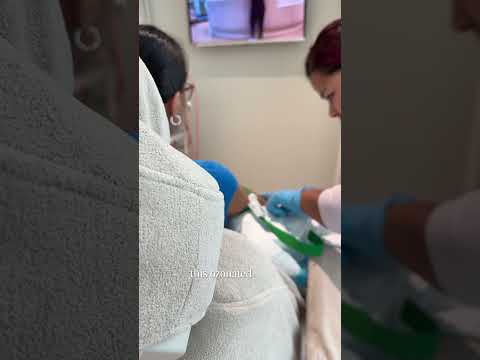
- The Infusion Process: The actual administration of stem cells is remarkably straightforward. At in the documentary, we see that the cells are typically delivered via an intravenous (IV) drip. This process allows the stem cells to circulate systemically throughout the body, naturally migrating to the areas of highest inflammation in the skin and muscle tissues. The infusion usually takes between one to three hours.
- Adjuvant Therapies: Many elite clinics combine MSC infusions with supportive therapies. These may include Exosome therapy, Hyperbaric Oxygen Therapy (HBOT) to saturate the body with healing oxygen, and Intravenous Vitamin C to boost the cellular environment.
- Post-Treatment Monitoring: Patients are monitored for a short period post-infusion to ensure no adverse reactions occur. Unlike traditional surgeries, there is no extensive recovery downtime required, allowing patients to resume light daily activities almost immediately.
Analyzing the Benefits: Restoring Quality of Life
The primary goal of regenerative medicine for autoimmune myopathy is to drastically improve the patient's daily quality of life. Clinical observations and patient testimonials point to several profound benefits that traditional medications struggle to achieve consistently.
Reduction in Muscle Inflammation and Pain
One of the earliest noticeable improvements is a significant decrease in deep muscle pain and joint stiffness. As the MSCs deploy anti-inflammatory cytokines, the acute swelling within the muscle fibers begins to subside. Patients frequently report a renewed ability to perform basic motor functions without excruciating pain, such as lifting their arms above their heads or walking without assistance.
Skin Healing and Rash Resolution
The dermatological impact of dermatomyositis can be psychologically devastating. Following stem cell therapy, the intense erythema associated with the heliotrope rash and the scaling of Gottron's papules often fade significantly. By halting the microvascular damage in the skin, stem cells promote the regeneration of healthy, normal-toned dermal layers.
Lowering the Dependency on Corticosteroids
Perhaps one of the most critical medical benefits is the potential for steroid-sparing. As the stem cells modulate the immune system and bring the disease activity under control, rheumatologists are frequently able to taper down the patient's daily dose of Prednisone or other toxic immunosuppressants. Reducing steroid reliance directly mitigates the risks of osteoporosis, diabetes, and severe weight gain, dramatically altering the patient's long-term health trajectory.
Optimizing Success: Post-Therapy Lifestyle and Diet
Stem cell therapy is a powerful catalyst for healing, but it is not a standalone magic bullet. For the cellular regeneration to be successful and long-lasting, the patient must create an internal bodily environment conducive to healing. This requires a dedicated approach to lifestyle, physical therapy, and nutrition.
An anti-inflammatory diet is crucial post-treatment. Patients are advised to eliminate processed sugars, refined carbohydrates, and seed oils, which naturally provoke systemic inflammation. Instead, incorporating foods rich in Omega-3 fatty acids, antioxidants, and high-quality proteins provides the building blocks the stem cells need to repair muscle tissue. Staying highly hydrated and maintaining optimal Vitamin D levels are also vital components of the recovery protocol.
Furthermore, customized physical therapy is imperative. Once the inflammation has been reduced by the stem cell infusion, the muscles must be re-educated. Gentle, progressive resistance training and aquatic therapy help stimulate muscle fiber hypertrophy without overtaxing the weakened system. The synergy between cellular therapy and physical rehabilitation produces the highest success rates for long-term mobility restoration.
The Financial Aspect: Cost of Stem Cell Therapy for Autoimmune Conditions
A major hurdle for many patients is the cost and accessibility of regenerative medicine. In the United States and Canada, stem cell therapy for autoimmune conditions like dermatomyositis is often considered "experimental" by insurance companies. Consequently, patients are left to cover astronomical out-of-pocket costs, which can range from $15,000 to over $30,000 for a single treatment protocol.
This financial barrier has fueled the rise of medical tourism for regenerative therapies. Leading medical hubs in countries like Mexico, Colombia, and parts of Europe offer world-class, heavily regulated stem cell treatments at a fraction of the cost found in North America. High-quality, comprehensive umbilical cord MSC packages abroad typically range from $5,000 to $10,000.
These international packages often provide significantly higher cell counts and include complementary therapies, airport transfers, and luxurious recovery accommodations. By partnering with global healthcare facilitators like PlacidWay, patients can access internationally board-certified specialists and cutting-edge biotechnology labs safely and affordably, ensuring that financial constraints do not stand in the way of life-changing medical care.
As regenerative medicine continues to evolve, the future for those diagnosed with rare autoimmune myopathies looks brighter than ever. Dermatomyositis no longer has to dictate the terms of your life. Through the power of mesenchymal stem cells, patients are reclaiming their strength, their skin, and their independence.
Ready to Explore Stem Cell Therapy for Dermatomyositis?
PlacidWay Medical Tourism connects you with globally accredited regenerative medicine clinics offering advanced stem cell therapy for autoimmune diseases. Take the first step toward restoring your quality of life.
REQUEST FREE INFORMATION



















Share this listing