


The Complete Guide to Affordable Total Disc Replacement in Asia: Costs, Hospitals, and Care
Living with chronic back pain or neck pain caused by degenerative disc disease can severely diminish your quality of life, but finding a viable, affordable solution shouldn't add to your suffering. Historically, patients were forced to choose between highly restrictive spinal fusion surgeries or paying exorbitant out-of-pocket costs for advanced motion-preserving procedures in Western countries. Today, medical tourism offers a groundbreaking alternative. By exploring Total Disc Replacement in Asia, patients can access globally renowned orthopedic surgeons and state-of-the-art artificial disc technology at a fraction of domestic prices. Watch to discover how you can reclaim your mobility and live a pain-free life.
Video Chapters & Quick Navigation
The Unbearable Burden of Degenerative Disc Disease
The human spine is a marvel of biomechanical engineering, designed to provide both structural support and flexible mobility. However, as we age, the intervertebral discs that act as shock absorbers between our vertebrae can deteriorate. As noted at in the video, this condition, known as degenerative disc disease (DDD), often leads to debilitating chronic pain, numbness, and tingling radiating down the arms or legs.
For millions of patients across the United States, Canada, and Europe, conservative treatments such as physical therapy, epidural steroid injections, and anti-inflammatory medications eventually lose their efficacy. When non-surgical interventions fail, patients are faced with the daunting prospect of spine surgery. For decades, the standard of care for severe spinal degeneration was spinal fusion surgery, a procedure that essentially welds two or more vertebrae together to eliminate painful motion. While effective at reducing localized pain, spinal fusion permanently alters the biomechanics of the back or neck.
Patients who undergo spinal fusion often experience restricted mobility and stiffness. Furthermore, the fused segment transfers additional mechanical stress to the adjacent intervertebral discs. This phenomenon, known as adjacent segment disease (ASD), often necessitates further surgeries down the road. The realization that traditional fusion may lead to future complications has driven massive medical innovation, leading to the development of Total Disc Replacement (TDR) surgery.
Spinal Fusion vs. Artificial Disc Replacement: A Paradigm Shift
Total Disc Replacement, also known as artificial disc replacement (ADR), represents a monumental paradigm shift in orthopedic and neurosurgical care. Unlike fusion, which locks the spine in place, TDR is a motion-preserving surgery. The primary goal is to completely remove the diseased, painful disc and replace it with a highly advanced, biocompatible artificial implant.
The Biomechanics of Motion Preservation
As detailed around , an artificial disc is designed to mimic the natural movement of a healthy human spine. These implants typically consist of medical-grade titanium or cobalt-chromium endplates with a specialized polyethylene core. This sophisticated design allows for six degrees of freedom, enabling the patient to bend, twist, and rotate their neck or lower back naturally.
By preserving natural spinal kinematics, artificial disc replacement drastically reduces the mechanical stress placed on adjacent spinal levels. Clinical studies have repeatedly demonstrated that patients who receive total disc replacement experience a significantly lower rate of adjacent segment disease compared to those who undergo traditional fusion. This translates to fewer revision surgeries and a much higher long-term quality of life.
Cervical vs. Lumbar Disc Replacement
Total disc replacement can be performed in both the cervical (neck) and lumbar (lower back) regions of the spine. Cervical disc replacement has become highly standardized and boasts incredibly high success rates. Patients suffering from herniated discs in the neck often wake up from surgery with immediate relief from arm pain and radiculopathy. Lumbar disc replacement, while more complex due to the load-bearing nature of the lower spine, offers equally transformative results for appropriately selected candidates suffering from localized lower back pain.
Why Choose Asia for Total Disc Replacement Surgery?
Despite the overwhelming clinical benefits of artificial disc replacement, access to this life-changing procedure in Western countries is often hindered by systemic barriers. In the United States, insurance companies frequently deny coverage for total disc replacement, labeling it "experimental" despite decades of FDA approvals and clinical data. This leaves patients facing catastrophic out-of-pocket costs, often exceeding $40,000 to $60,000. In countries with public healthcare systems, such as the United Kingdom or Canada, patients face agonizingly long waitlists just to see a specialist, let alone schedule surgery.
This is precisely why international medical travel has skyrocketed. The video highlights at that traveling to Asia for spine surgery is no longer a fringe alternative; it is a mainstream, highly sought-after solution. Asian medical hubs have heavily invested in healthcare infrastructure to attract international patients, creating a seamless ecosystem of world-class orthopedic care, luxury accommodations, and dedicated patient concierges.
JCI-Accredited Excellence
When traveling abroad for major spine surgery, safety and quality control are paramount. The top hospitals in Asia hold accreditation from the Joint Commission International (JCI), the absolute gold standard in global healthcare evaluation. A JCI accreditation ensures that a hospital meets or exceeds the strict clinical, safety, and sterilization protocols required of top-tier hospitals in the United States.
Top Medical Destinations in Asia for Spine Surgery
Asia is a vast continent, but three specific countries have emerged as global leaders in affordable, high-quality orthopedic and neurological spine surgery. Each destination offers unique benefits tailored to the needs of medical tourists.
India: The Pinnacle of Surgical Expertise and Affordability
India is widely regarded as one of the most cost-effective medical destinations in the world, but affordability does not come at the expense of skill. Indian spine surgeons are among the most experienced on the globe. Many leading orthopedic specialists in cities like New Delhi, Mumbai, and Chennai have completed extensive fellowships in the UK, USA, or Germany. They routinely perform complex cervical and lumbar artificial disc replacements using cutting-edge robotic navigation systems. India's large-scale medical infrastructure allows them to offer comprehensive surgery packages at a fraction of Western costs.
Thailand: Where Medical Care Meets Luxury Healing
Thailand has successfully branded itself as the premier destination for medical tourism, combining exceptional healthcare with unparalleled hospitality. Bangkok is home to internationally renowned mega-hospitals that look and feel more like five-star luxury hotels than clinical facilities. Surgeons in Thailand utilize the latest motion-preserving implant technologies. Furthermore, the recovery experience in Thailand is highly therapeutic. Patients can recuperate in tranquil resort environments, benefiting from holistic post-operative care and specialized physical therapy.
South Korea: The High-Tech Innovator
If technological advancement is your primary priority, South Korea is a formidable choice. South Korean hospitals are global pioneers in minimally invasive spine surgery, endoscopic techniques, and robotic-assisted procedures. Hospitals in Seoul boast some of the most advanced diagnostic imaging and surgical theaters in the world. Their orthopedic departments have incredibly strict surgical standards, ensuring exact precision during the placement of an artificial disc, which is critical for the long-term success of the implant.
The Cost of Total Disc Replacement: Asia vs. The West
The financial disparity between Western healthcare systems and Asian medical hubs is the primary catalyst for medical tourism. As discussed at in the presentation, patients can expect to save anywhere from 50% to 70% on their total disc replacement by choosing to travel.
These massive savings are not achieved by cutting corners. Instead, they are the result of favorable exchange rates, lower administrative overhead, lower malpractice insurance premiums for surgeons, and government-subsidized healthcare infrastructure designed specifically to boost medical tourism. To understand the scale of these savings, review the comprehensive cost comparison below.
| Country / Region | Estimated Cost (Single Level TDR) | Wait Times |
|---|---|---|
| United States (Out-of-Pocket) | $35,000 - $60,000+ | Weeks to Months |
| United Kingdom (Private) | £20,000 - £30,000 | High (NHS: Years) |
| India | $7,000 - $9,500 | None / Immediate |
| Thailand | $12,000 - $16,000 | None / Immediate |
| South Korea | $14,000 - $18,000 | None / Immediate |
*Note: Prices are estimates and vary based on the exact hospital, surgeon expertise, specific implant brand used, and the complexity of the patient's individual spinal condition.
Global Standards in Advanced Implant Technology
A common misconception regarding medical tourism is that lower costs equate to inferior materials. This is entirely false. Top-tier JCI-accredited hospitals in Asia utilize the exact same FDA-approved and CE-marked artificial disc implants that are used by premier spine surgeons in Beverly Hills, New York, or London.
Surgeons abroad have comprehensive access to leading motion-preserving implant brands. For cervical disc replacement, devices such as the Mobi-C Cervical Disc or the ProDisc-C are frequently utilized. These devices are meticulously engineered to replicate the anatomical height and lordosis of the natural spine. For lumbar disc replacement, durable devices capable of withstanding heavy mechanical loads, such as the ProDisc-L or the activL Artificial Disc, are standard protocol. Because international hospitals purchase these implants in high volume and operate with lower overhead, they can pass the hardware savings directly onto the patient.
Preparing for Your Spine Surgery Abroad
Traveling across the world for a major orthopedic intervention requires meticulous planning. Fortunately, you do not have to navigate this process alone. Medical tourism facilitators like PlacidWay specialize in coordinating every aspect of your surgical journey, bridging the gap between international patients and top Asian hospitals.
The Remote Consultation Process
The journey begins long before you board a flight. Patients are required to submit their recent MRI scans, X-rays, and comprehensive medical history via a secure digital portal. A board-certified spine surgeon in your chosen Asian destination will review these diagnostics to determine if you are an ideal candidate for total disc replacement. At , the video explains how these remote video consultations allow patients to ask questions, understand the surgical approach, and build rapport with their doctor from the comfort of their living room.
Comprehensive All-Inclusive Packages
One of the most appealing aspects of traveling to Asia for spine surgery is the availability of all-inclusive medical packages. These packages are designed to remove the stress of logistical planning so the patient can focus entirely on healing. A standard total disc replacement package in India or Thailand typically includes:
- Pre-operative diagnostics: Blood tests, EKG, and an updated MRI or CT scan upon arrival.
- Surgical costs: Surgeon's fees, anesthesiologist fees, and operating theater charges.
- The Implant: The cost of the premium artificial disc device.
- Hospital Stay: 3 to 5 nights in a private, VIP recovery suite with 24/7 nursing care.
- Logistical Support: VIP airport transfers, ground transportation to the clinic, and assistance with medical visa processing.
The Recovery and Healing Process: A Medical Vacation
Post-operative care is a critical component of any spine surgery. Unlike the Western healthcare model, where patients are often discharged rapidly to free up hospital beds, Asian hospitals prioritize extended, monitored recovery. Following a total disc replacement, patients typically remain in the hospital for a few days to manage early pain and ensure the implant is secure. Physical therapy begins almost immediately, often on the very next day, to encourage early mobilization and prevent blood clots.
Once discharged from the hospital, patients do not immediately fly home. It is medically advised to remain in the host country for approximately 10 to 14 days. This mandatory recovery period transforms into a restorative "medical vacation." Patients can recover in luxurious, affordable hotel accommodations. During this time, you will attend follow-up appointments with your surgeon to remove sutures and undergo post-operative X-rays to verify the perfect placement of the artificial disc.
Healing in destinations like Bangkok or New Delhi offers unique psychological benefits. Rather than recovering in a cold, clinical environment at home, patients can enjoy room service, serene environments, and the dedicated hospitality that Asian cultures are famous for. This stress-free environment significantly contributes to a faster, more comfortable healing process, allowing you to return home ready to embrace a new, pain-free chapter of your life.
Ready to Reclaim Your Mobility and End Back Pain?
Don't let exorbitant costs or long waitlists dictate your quality of life. PlacidWay Medical Tourism connects you with globally recognized, JCI-accredited spine surgeons in Asia offering premium Total Disc Replacement. Let us handle your medical travel logistics while you focus on living pain-free.
GET A FREE SURGERY QUOTE TODAY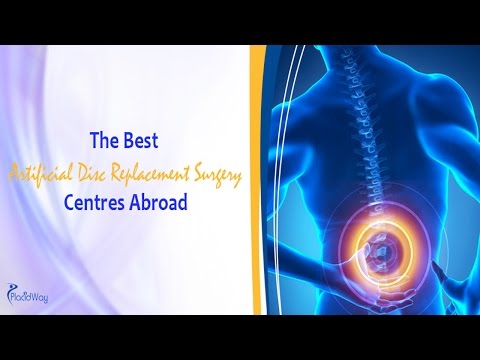



















Share this listing