


Get the Best Live Cell Treatment for MS in Germany: A Pathway to Regeneration
Living with a chronic autoimmune condition often feels like navigating an unpredictable maze of physical and emotional hurdles. However, choosing to get the best live cell treatment for MS in Germany is rapidly emerging as a transformative pathway for patients worldwide. For decades, individuals diagnosed with Multiple Sclerosis have been limited to therapies that merely manage symptoms rather than address the underlying cellular damage.
Today, advanced regenerative medicine offers a profound alternative to traditional symptom suppression. By combining stringent medical regulations with cutting-edge biotechnology, German clinics are pioneering protocols that aim to halt disease progression and promote tissue repair. Watch to discover how these innovative therapies are rewriting the future for patients seeking long-term relief and restored mobility.
Video Chapters & Quick Navigation
The Complex Reality of Multiple Sclerosis
Multiple Sclerosis is a chronic, unpredictable disease of the central nervous system that disrupts the flow of information within the brain, and between the brain and body. The condition occurs when the immune system mistakenly attacks the protective myelin sheath that covers nerve fibers. As discussed in the video at , this demyelination causes communication breakdowns resulting in a myriad of debilitating physical and cognitive symptoms.
Patients living with multiple sclerosis frequently experience profound fatigue, muscle weakness, severe coordination issues, and debilitating nerve pain. For many, the conventional approach involves navigating a complex web of disease-modifying therapies (DMTs) designed primarily to suppress the immune system. While these standard medications can be highly effective at slowing the frequency of relapses, they unfortunately do not possess the capability to repair the nerve damage that has already occurred.
This limitation in conventional medicine leaves a significant gap in patient care, especially for those suffering from progressive forms of the disease. The persistent decline in quality of life drives many individuals to look beyond their local healthcare systems. They begin searching for advanced live cell therapy for MS, seeking out innovative protocols capable of offering genuine neural regeneration and long-term stabilization.
The Science Behind Live Cell Therapy for Autoimmune Diseases
At the core of regenerative medicine is the extraordinary potential of specialized biological materials, particularly mesenchymal stem cells (MSCs). These unique cells act as the body's natural repair mechanism, possessing the rare ability to differentiate into various tissue types. When administered to an MS patient, as highlighted at , these live cells instinctively home in on areas of severe inflammation and tissue injury within the central nervous system.
Once they reach the damaged sites, these regenerative cells begin to secrete powerful anti-inflammatory cytokines and neurotrophic factors. This complex biochemical process fundamentally alters the local immune response, calming the aggressive immune attacks that cause demyelination in the first place. More importantly, these specialized cells create a highly supportive microenvironment that encourages the body’s own natural healing mechanisms to begin the process of remyelination.
Immunomodulation vs. Immunosuppression
It is crucial to understand the distinct difference between conventional immune suppression and advanced immunomodulation. Standard MS drugs suppress the entire immune system, leaving patients highly vulnerable to opportunistic infections and other systemic complications. Live cell therapy, conversely, focuses on immunomodulation, meaning it works to intelligently reset and re-educate the immune system without completely shutting down its protective capabilities.
This targeted approach not only reduces the harmful side effects associated with long-term pharmaceutical use but also provides a sustainable path forward. By addressing the root cause of the autoimmune misfire, regenerative medicine for MS patients seeks to provide lasting relief rather than a temporary band-aid. The ultimate goal is to stabilize the condition, prevent further neurological decline, and potentially restore lost motor functions.
Why Germany Leads the World in Regenerative Medicine
When researching multiple sclerosis stem cell therapy abroad, the destination is just as critical as the treatment itself. Germany has firmly established itself as a global superpower in medical research, biotechnology, and rigorous healthcare standards. The country's medical infrastructure is built upon decades of peer-reviewed research, technological innovation, and an unwavering commitment to patient safety.
As mentioned in the video at , German clinics operate under the strict supervision of authorities like the Paul-Ehrlich-Institut (PEI) and the European Medicines Agency (EMA). These regulatory bodies enforce some of the most stringent biological manufacturing laws in the world. This ensures that every single cellular product cultivated and administered in Germany meets unparalleled standards for purity, viability, and sterility.
Unmatched Clinical Excellence and Technology
German medical centers for autoimmune diseases boast state-of-the-art laboratories and ISO-certified cleanrooms that rival the best facilities globally. The physicians overseeing these treatments are typically dual-board certified in neurology and regenerative medicine, bringing a holistic, highly specialized perspective to patient care. They do not rely on one-size-fits-all approaches; instead, they utilize advanced diagnostic imaging and genetic profiling to tailor each protocol.
Furthermore, the culture of German medicine emphasizes comprehensive, multidisciplinary care. Patients traveling for stem cell treatment for multiple sclerosis in Europe will find that their therapy is integrated with advanced physiotherapy, targeted nutritional counseling, and supplementary holistic treatments. This 360-degree approach significantly enhances the efficacy of the cellular infusions and optimizes the patient's overall recovery trajectory.
Comprehensive Treatment Protocols in German Clinics
The journey to receiving live cell therapy in Germany is meticulously planned and executed with exact precision. It begins long before the patient boards a plane, starting with an exhaustive review of their medical history, recent MRI scans, and current pharmaceutical regimens. Medical coordinators work closely with the patient's local doctors to ensure that they are an ideal candidate for this specific type of advanced intervention.
Upon arrival at the clinic, patients undergo a thorough battery of secondary diagnostic tests, as detailed at . This may include high-resolution neuroimaging, comprehensive blood panels, and specialized immune system evaluations. This localized data allows the German medical team to customize the exact dosage, delivery method, and supportive therapies required to maximize the regenerative potential of the live cells.
The Infusion Process and Supportive Care
The actual administration of the cellular therapy is typically a minimally invasive procedure, often performed via targeted intravenous (IV) drips or, in some cases, localized injections. The entire process is conducted in a comfortable, highly monitored clinical setting ensuring maximum patient safety and comfort. Because the cells are carefully processed and purified, the risk of adverse allergic reactions is remarkably low.
Alongside the primary live cell infusions, top-tier German clinics incorporate supportive therapies designed to prime the body for healing. This often includes intravenous laser therapy, high-dose vitamin C infusions, ozone therapy, and specialized lymphatic drainage massages. These adjunct therapies work synergistically to reduce systemic oxidative stress, improve microcirculation, and create the optimal biological environment for the new cells to thrive.
Comparing MS Treatments: Standard vs. Regenerative Options
Making informed medical decisions requires a clear understanding of the differences between conventional disease management and advanced regenerative techniques. Patients evaluating progressive MS alternative treatments must weigh the long-term benefits against their current quality of life. The table below outlines the primary distinctions between standard pharmaceutical care and live cell therapy.
| Feature | Standard MS Medications (DMTs) | Live Cell Therapy (Germany) |
|---|---|---|
| Primary Mechanism | Broad immune system suppression to stop attacks. | Targeted immunomodulation and neural tissue regeneration. |
| Frequency of Treatment | Daily pills, weekly injections, or monthly infusions for life. | Targeted therapeutic sessions, often requiring minimal follow-ups. |
| Side Effect Profile | High risk of infections, liver toxicity, and severe fatigue. | Minimal side effects, typically limited to mild, temporary fatigue post-infusion. |
| Goal of Therapy | Slow disease progression and manage daily symptoms. | Halt disease progression, repair damaged myelin, and restore function. |
The Patient Journey to Healing in Germany
Embarking on a medical journey abroad can initially seem daunting, but top German clinics have streamlined the process to be entirely stress-free. From the moment you land at major international hubs like Frankfurt or Munich, a dedicated patient concierge team manages every logistical detail. This includes private airport transfers, translation services, and coordination with luxury recovery accommodations tailored for mobility-impaired individuals.
The clinical environment itself is designed to feel more like a wellness retreat than a traditional hospital. Patients are treated with profound empathy and respect, reflecting Germany’s holistic approach to chronic illness care. As shown at , the focus is placed heavily on mental and emotional well-being, recognizing that a positive, relaxed mindset is crucial for the physical body to accept and utilize the regenerative therapy.
A Focus on Neurological Rehabilitation
Receiving the live cells is only one part of the equation; integrating that therapy with specialized neuro-rehabilitation is where the real magic happens. German medical protocols often include daily sessions of targeted physical therapy, utilizing state-of-the-art robotic assistive devices and aquatic therapy. These exercises are specifically designed to stimulate neuroplasticity, helping the brain forge new neural pathways while the stem cells work to repair the damaged myelin.
Occupational therapists are also integrated into the daily routine to help patients relearn essential motor skills that may have been lost to the disease. By combining the biological boost of the live cell treatments with rigorous physical conditioning, patients maximize their chances of regaining independence. This dual approach solidifies Germany's reputation as the premier destination for advanced MS care.
Evaluating the Cost of Stem Cell Treatment for Multiple Sclerosis
One of the most common concerns for patients exploring international medical options is the financial investment. When analyzing the cost of stem cell treatment for multiple sclerosis in Europe, it is vital to look at the long-term value rather than just the initial price tag. In the United States and Canada, out-of-pocket expenses for lifelong disease-modifying therapies, combined with the cost of frequent hospitalizations and mobility aids, can easily exceed hundreds of thousands of dollars over a decade.
In contrast, comprehensive live cell therapy packages in Germany provide a transparent, all-inclusive pricing structure. These packages generally encompass the advanced cellular extractions, laboratory cultivations, all medical consultations, MRI imaging, and a suite of supportive therapies. By addressing the root cause of the autoimmune dysfunction, many patients experience a significant reduction in their reliance on expensive daily medications, ultimately leading to substantial long-term savings.
Transparent and Structured Medical Packages
Top medical tourism facilitators, such as PlacidWay, work diligently to ensure that patients are presented with crystal-clear cost outlines before making any commitments. There are no hidden fees or surprise hospital charges. The financial models utilized by German clinics are designed to be ethical and patient-centric, reflecting their commitment to accessible, high-quality healthcare.
Furthermore, because the quality of the cellular products in Germany is heavily regulated, patients are investing in therapies that boast exceptionally high viability and purity rates. This means the biological efficacy of the treatment is maximized, reducing the likelihood of needing multiple costly retreatment sessions. The peace of mind that comes from knowing you are receiving world-class, rigorously tested medicine is truly invaluable.
Post-Treatment Life and Long-Term Management
The regenerative process initiated by live cell therapy does not stop the moment you leave the clinic in Germany. In fact, the cellular repair mechanisms continue to actively work within the central nervous system for up to 12 to 18 months post-infusion. As highlighted at , patients often report gradual, sustained improvements in their energy levels, balance, and cognitive clarity during this critical window.
To ensure the long-term success of the multiple sclerosis stem cell therapy, German medical teams provide extensive post-care blueprints. These individualized plans include specific dietary guidelines aimed at reducing systemic inflammation, customized at-home exercise routines, and recommendations for natural supplements that support neural health. Maintaining an anti-inflammatory lifestyle is heavily emphasized to protect the newly forming myelin sheaths.
Ongoing Global Support
Even after returning to their home countries, patients are never left to navigate their recovery alone. Reputable German clinics establish regular telehealth follow-ups, coordinating with the patient's local neurologists to monitor progress through updated MRI scans and clinical evaluations. This continuity of care ensures that any necessary adjustments to the patient's wellness routine can be made promptly and effectively.
The psychological impact of regaining autonomy and halting the progression of a chronic disease cannot be overstated. By opting for the best live cell treatment for MS in Germany, patients are not just investing in advanced medicine; they are investing in the very real possibility of reclaiming their lives, their independence, and their hope for a brighter, healthier future.
Take the First Step Toward Neural Regeneration Today
Do not let multiple sclerosis dictate your future. PlacidWay connects you with Germany's most elite, certified regenerative medicine clinics offering cutting-edge live cell therapy. Let our experts guide you through the process of securing world-class, targeted MS treatment.
REQUEST YOUR FREE MEDICAL CONSULTATION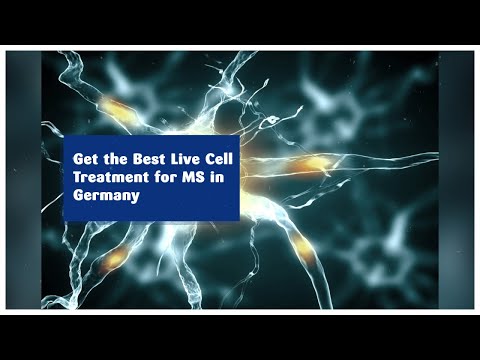

















Share this listing