
Pamela Carrillo's Breast Cancer Treatment with Immunity Therapy Center in Tijuana, Mexico
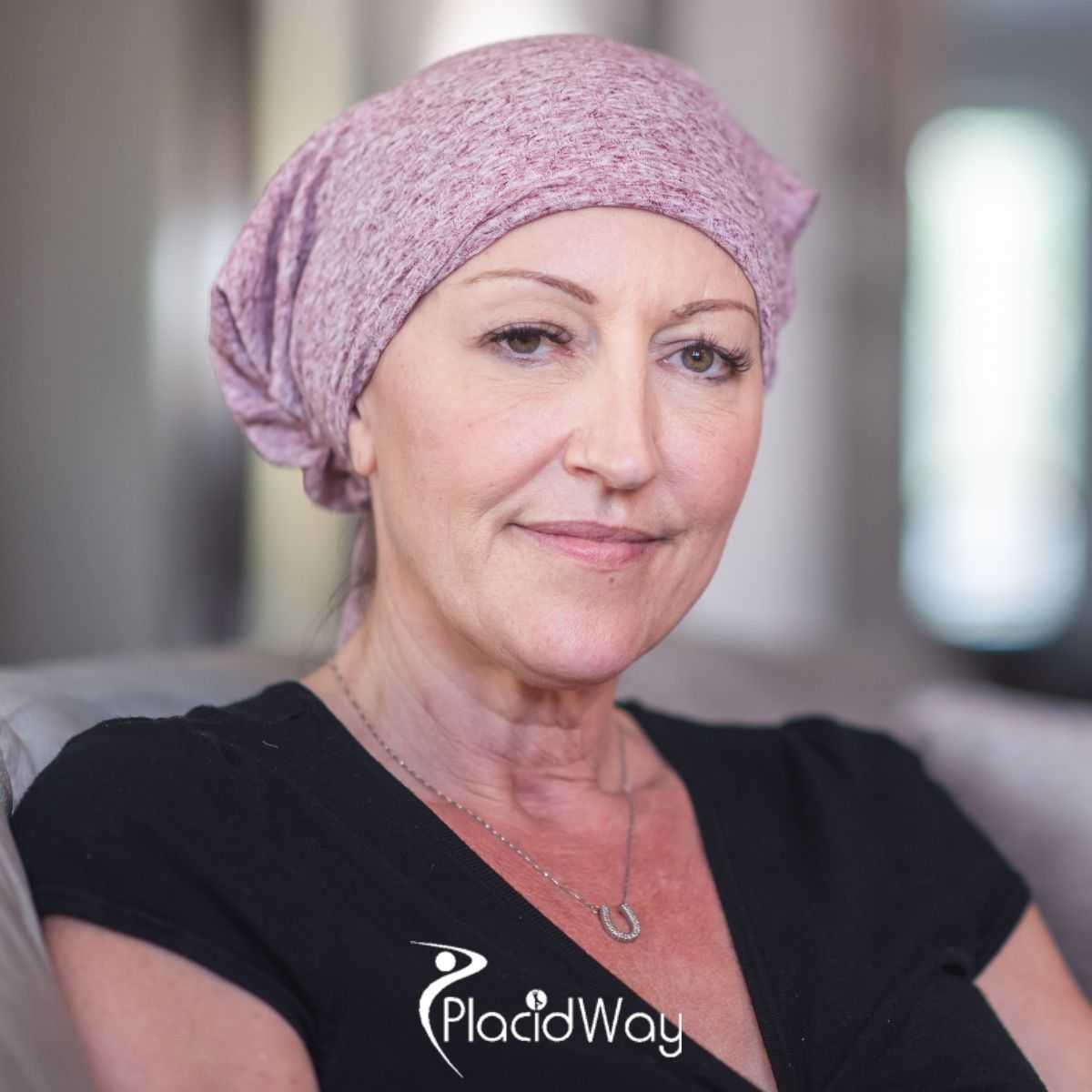
A breast cancer diagnosis can bring difficult decisions about treatment, side effects, quality of life, and the type of medical support a patient wants throughout care. In this video, Pamela Carrillo shares her personal experience seeking breast cancer treatment at Immunity Therapy Center in Tijuana, Mexico after researching an integrative approach to cancer care.
Pamela’s story focuses on why she traveled to Tijuana, her experience with the medical team at Immunity Therapy Center, the integrative therapies included in her care, and the changes she personally observed during treatment. Her program included supportive and complementary approaches such as intravenous nutritional therapies and hyperthermia within a broader individualized treatment plan.
Important: Pamela’s experience is an individual patient testimonial and should not be interpreted as proof that the same treatment will produce similar results for another person with breast cancer. Cancer treatment should be individualized according to diagnosis, tumor biology, stage, previous treatment, overall health, and guidance from qualified oncology professionals.
Video Chapters & Quick Navigation
- Facing a Breast Cancer Diagnosis
- Why Pamela Explored Integrative Cancer Care
- Her Experience at Immunity Therapy Center
- Understanding the Integrative Treatment Plan
- Hyperthermia in Cancer Care
- Breast Cancer Treatment Costs in Tijuana
- The Role of Patient-Centered Support
- Pamela’s Reported Treatment Experience
Facing the Decisions That Follow a Breast Cancer Diagnosis
Receiving a breast cancer diagnosis can immediately introduce difficult questions about surgery, systemic treatment, radiation, side effects, recovery, and long-term health. The most appropriate treatment depends on factors such as the type and stage of breast cancer, hormone-receptor and HER2 status, genetic findings, previous treatment, and the patient’s overall health.
Pamela’s story reflects the emotional uncertainty that can accompany these decisions. She was concerned about the possible effects of conventional cancer treatment and wanted to investigate approaches that placed greater emphasis on maintaining her strength and quality of life during treatment.
Conventional breast cancer treatment may include surgery, chemotherapy, radiation therapy, hormone therapy, targeted medicines, immunotherapy, or a combination of these approaches depending on the diagnosis. Side effects vary substantially between treatments and patients and should be discussed individually with an oncology team.
Pamela ultimately chose to investigate an integrative cancer treatment program in Mexico. Her decision represents her individual treatment journey rather than a recommendation that other breast cancer patients avoid or replace evidence-based oncology care.
Why Pamela Explored Integrative Breast Cancer Treatment in Mexico
As Pamela researched different approaches to breast cancer care, she became interested in integrative oncology. This type of care can combine conventional medical evaluation with supportive therapies intended to address nutrition, symptom management, emotional well-being, physical resilience, and quality of life.
Her research eventually led her to Tijuana, Mexico, where some clinics offer treatment programs that differ from the protocols commonly available in the United States and Canada.
International patients sometimes investigate cancer treatment in Mexico because they are seeking a different combination of therapies, individualized treatment plans, supportive services, or treatment options that may not be routinely offered in their home country.
However, availability does not necessarily mean that every therapy has the same level of clinical evidence. Patients considering treatment abroad should ask which components are established cancer treatments, which are supportive therapies, which remain investigational, and what evidence supports their use for their particular cancer diagnosis.
Pamela’s Experience at Immunity Therapy Center in Tijuana
Pamela’s research led her to the Immunity Therapy Center in Tijuana, an integrative cancer treatment center led by Dr. Carlos Bautista. Her experience at the clinic became an important part of the story she shares in the video.
The treatment philosophy described in Pamela’s experience emphasizes looking at the patient as a whole rather than focusing only on the tumor. This includes considering medical history, nutrition, physical condition, emotional well-being, current symptoms, and the patient’s goals when developing a treatment plan.
Pamela also valued the amount of time devoted to discussing her situation. For patients facing a serious diagnosis, having opportunities to ask questions, understand the proposed treatment plan, and discuss concerns can make the experience feel more manageable.
Patients considering a similar clinic should still request detailed information about physician credentials, the medical evidence behind each therapy, diagnostic procedures, emergency capabilities, expected outcomes, possible complications, and coordination with their existing oncology team.
Understanding Pamela’s Integrative Oncology Treatment Plan
The treatment approach described in Pamela’s story involved multiple therapies rather than a single intervention. Integrative cancer programs may combine medical treatment with nutritional, metabolic, physical, and supportive approaches depending on the patient’s diagnosis and the clinic’s protocol.
This type of multidisciplinary approach can be attractive to patients who want their cancer treatment plan to address both the disease itself and concerns such as nutrition, fatigue, stress, pain, and general well-being.
It is important, however, to distinguish between therapies that have established roles in oncology, therapies used to manage symptoms or quality of life, and treatments whose effectiveness against cancer remains uncertain or investigational.
Intravenous Nutritional Therapies
Intravenous therapies are one component used in some integrative cancer programs. By delivering substances directly into the bloodstream, IV administration avoids the digestive system and allows controlled concentrations to be administered under medical supervision.
The original treatment program described in Pamela’s story included targeted infusions involving substances such as high-dose vitamin C, amygdalin, also referred to as B17 in some alternative-treatment settings, and curcumin.
High-dose intravenous vitamin C has been studied in oncology research, including investigation of its biological activity and its possible role as a complementary treatment. However, research into its effectiveness against cancer is ongoing, and it should not be presented as a proven replacement for established breast cancer treatment.
Likewise, patients should discuss the evidence, potential toxicity, medication interactions, kidney function requirements, and other safety issues associated with any intravenous therapy before receiving treatment.
How Hyperthermia Is Used in Cancer Care
Hyperthermia therapy involves deliberately heating body tissue under controlled medical conditions. Depending on the technique, heat can be directed toward a specific tumor region or applied more broadly.
The biological rationale behind hyperthermia is that exposing tumor tissue to elevated temperatures may affect cancer cells and alter blood flow within treated tissue. Hyperthermia has also been studied in combination with treatments such as radiation therapy and chemotherapy because heat may influence how some tumors respond to other therapies.
However, hyperthermia is not a universal treatment for every breast cancer patient. The method used, temperature, treatment duration, tumor location, disease stage, and combination with other treatments can all affect its appropriateness and potential benefit.
Patients considering hyperthermia should ask whether it is being used as an established adjunctive therapy, an investigational treatment, or part of a broader clinic-specific protocol.
| Treatment Consideration | Conventional Oncology | Integrative Oncology Approach |
|---|---|---|
| Primary Focus | Uses evidence-based therapies selected according to cancer type, stage, biomarkers, and patient factors. | May combine medical treatment with supportive approaches addressing nutrition, symptoms, and overall well-being. |
| Side Effects | Vary by treatment and may include fatigue, nausea, hair loss, immune effects, or other complications. | Depend on the therapies used. Complementary treatments can also have side effects and interactions. |
| Treatment Planning | Individualized according to diagnosis, pathology, staging, biomarkers, guidelines, and patient health. | May add nutritional, metabolic, physical, and supportive therapies to an individualized medical plan. |
| Nutrition and Support | Supportive oncology services may include nutrition, rehabilitation, symptom management, and psychosocial care. | Nutrition and supportive therapies may be emphasized as central parts of the overall patient experience. |
Breast Cancer Treatment Costs at Integrative Clinics in Tijuana
Cost can be an important factor when patients investigate integrative cancer treatment. Some complementary and alternative therapies may not be covered by private or public health insurance, which means patients may have to pay for them directly.
This is one reason some patients compare treatment programs internationally. Clinics in Tijuana may operate with different staffing, facility, and healthcare costs than comparable private programs in the United States.
The original program described in Pamela’s story includes structured treatment packages that may combine medical consultations, therapies, IV treatments, meals, and transportation services. The exact inclusions and price can vary according to the patient’s diagnosis and treatment plan.
Before traveling, patients should request a written treatment proposal that clearly identifies what is included, what may generate additional charges, how long treatment is expected to continue, whether follow-up is included, and what happens financially if the treatment plan changes.
Why the Treatment Environment Mattered to Pamela
Living with cancer can affect emotional health as well as physical health. Uncertainty about diagnosis, treatment decisions, travel, finances, and possible side effects can create significant psychological stress.
For Pamela, the atmosphere at Immunity Therapy Center was an important part of her treatment experience. She valued the warmth and support she received from the nursing and medical teams and the opportunity to interact with other patients going through their own treatment journeys.
A comfortable environment does not directly determine whether a cancer treatment will control a tumor, but compassionate communication, emotional support, nutrition, symptom management, and coordinated care can make treatment easier for patients to navigate.
This patient-centered element is particularly important for medical travelers, who may be receiving treatment far from their regular doctors, family members, and established support networks.
Pamela’s Reported Results and Quality-of-Life Experience
The final part of Pamela’s story focuses on the progress she attributes to her treatment experience at Immunity Therapy Center. She reports encouraging changes during her treatment journey, including improvement in her condition and her ability to maintain her energy and quality of life.
The original account describes tumor reduction as part of Pamela’s reported clinical progress. It also describes her maintaining her hair, vitality, and energy, along with improvements she associated with immune markers and pain.
These outcomes should be understood as Pamela’s individual experience. A patient testimonial alone cannot establish that a specific therapy caused tumor reduction or predict how another patient with breast cancer will respond.
Breast cancers can differ significantly in their biology, stage, aggressiveness, receptor status, previous treatment, and response to therapy. Patients should therefore evaluate testimonials alongside pathology reports, imaging, laboratory findings, physician recommendations, published medical evidence, and an individualized oncology plan.
Pamela’s story is most useful as a first-person account of why one patient chose integrative breast cancer treatment in Tijuana, what her experience at Immunity Therapy Center was like, and which aspects of the program mattered most to her.
Explore Breast Cancer Treatment at Immunity Therapy Center
If Pamela’s story has encouraged you to learn more about breast cancer treatment in Tijuana, PlacidWay can help you connect with Immunity Therapy Center and ask questions about treatment options, medical evaluation, integrative therapies, costs, expected duration, and follow-up care. Treatment recommendations and outcomes vary by patient and should be reviewed with qualified oncology professionals.
REQUEST A MEDICAL CONSULTATIONCompare integrative cancer treatment options, clinical protocols, costs, and patient-support services in Tijuana, Mexico.



















Share this listing