


The Complete Guide to Lipoaspiration and Adipose Derived Mesenchymal Stem Cell Therapy
Discover the cutting-edge world of Adipose Derived Mesenchymal Stem Cell Therapy via lipoaspiration. This revolutionary approach to regenerative medicine is transforming how we treat chronic pain, tissue damage, and joint degeneration. By harnessing the healing power of your own body fat, medical professionals can isolate potent mesenchymal stem cells to accelerate cellular repair. Watch to understand how the minimally invasive lipoaspiration process works and why fat-derived stem cell treatments are becoming the ultimate gold standard in modern regenerative medical therapies today.
Video Chapters & Quick Navigation
For decades, the medical community viewed human adipose tissue primarily as an energy storage depot or a cosmetic nuisance. However, groundbreaking advancements in cellular biology have completely rewritten this narrative. Today, adipose tissue is recognized as one of the most abundant, accessible, and potent sources of healing cells in the human body.
The practice of utilizing Adipose Derived Mesenchymal Stem Cell Therapy (ADSC) is rapidly displacing older, more invasive regenerative techniques. By employing a specialized mini-liposuction technique known as lipoaspiration, medical professionals can harvest millions of robust, highly viable stem cells. These cells possess the extraordinary ability to differentiate into various tissue types, reduce systemic inflammation, and trigger the body's innate healing mechanisms at a profound cellular level.
The Science of Adipose Derived Mesenchymal Stem Cells
Mesenchymal stem cells (MSCs) are multipotent adult stem cells present in multiple tissue sources throughout the body. Their primary biological function is to maintain and repair the tissues in which they reside. As seen at in the video, adipose-derived cells are particularly special because they are exceptionally concentrated in our fat stores.
When extracted and properly processed, these autologous stem cells harvesting techniques yield cells that can differentiate into osteoblasts (bone cells), chondrocytes (cartilage cells), myocytes (muscle cells), and adipocytes (fat cells). This multipotency is the cornerstone of why regenerative medicine stem cell treatments are so universally effective across different medical disciplines.
The Paracrine Effect: Cellular Communication
It was once believed that stem cells only healed by physically turning into the damaged tissue. Modern science now understands that their primary power lies in the "paracrine effect." Adipose derived mesenchymal stem cells act like cellular foremen on a biological construction site.
They secrete powerful cytokines, growth factors, and exosomes that instruct the surrounding damaged cells to begin repairing themselves. Furthermore, these secreted factors powerfully stimulate angiogenesis, which is the formation of new blood vessels. Improved blood flow brings vital oxygen and nutrients to oxygen-starved, degenerating tissues, creating an optimal environment for profound natural healing.
The Minimally Invasive Lipoaspiration Procedure Explained
The journey of regenerative healing begins with the lipoaspiration stem cell extraction process. Unlike traditional cosmetic liposuction, which aims to remove large volumes of fat for aesthetic contouring, medical lipoaspiration is a delicate, precise, and highly targeted procedure. The goal is cell viability, not simply volume reduction.
As demonstrated around , the procedure is typically performed in a clinical setting under local anesthesia, eliminating the risks associated with general anesthesia. A localized area, often the abdomen or the flanks (love handles), is selected because these regions boast the highest density of robust mesenchymal stem cells.
Step-by-Step Harvesting Protocol
- Tumescent Anesthesia: A specialized fluid containing lidocaine and epinephrine is injected into the fat layer. This numbs the area and constricts blood vessels to minimize bruising and bleeding.
- Cannula Insertion: A micro-cannula—much thinner than those used in cosmetic surgery—is gently inserted through a tiny, millimeter-sized incision.
- Gentle Aspiration: Using low-pressure, manual suction using specialized syringes, the physician carefully extracts a small volume of fat, usually between 50cc to 100cc. High pressure is avoided to prevent sheer stress from destroying the delicate living cells.
The entire lipoaspiration process takes less than thirty minutes. Patients remain awake, comfortable, and experience virtually no downtime, making this minimally invasive lipoaspiration procedure vastly superior to older, more traumatic cellular harvesting methods.
Processing the Stromal Vascular Fraction (SVF)
Once the raw adipose tissue is harvested, it cannot be immediately reinjected. It must undergo a rigorous purification process to separate the valuable stem cells from the oil, blood, and connective tissue. This laboratory phase takes place immediately following the extraction, ensuring the cells remain fresh and viable.
The fat is placed into a specialized closed-system centrifuge. Rapid spinning separates the tissue based on density. The resulting highly concentrated "liquid gold" at the bottom of the syringe is known as the Stromal Vascular Fraction (SVF). This SVF is a powerhouse biological cocktail.
What Exactly is in the SVF?
The Stromal Vascular Fraction is far more than just mesenchymal stem cells. It is a rich, synergistic blend of cellular components that work harmoniously to promote healing. Inside the SVF, medical professionals find endothelial progenitor cells (which build blood vessels), T-regulatory cells (which manage the immune system), macrophages, and an incredibly high concentration of ADSCs.
This natural matrix of cells provides a holistic healing environment. Because the SVF retains the natural cellular diversity of the patient's own tissue, it is highly effective at overcoming localized inflammation and jumpstarting the regenerative cascade the moment it is introduced to a damaged joint or tissue.
Adipose Tissue vs. Bone Marrow Stem Cell Extraction
Historically, bone marrow aspiration was the default method for obtaining mesenchymal stem cells. However, advancements in regenerative medicine have heavily shifted the preference toward adipose-derived cells. Understanding the differences clarifies why lipoaspiration has become the preferred protocol for modern clinics.
Bone marrow extraction requires drilling into the iliac crest (the hip bone) using a large needle. This is inherently more painful, carries higher risks of infection, and requires a longer recovery period. Conversely, lipoaspiration only requires accessing the superficial subcutaneous fat layer, which is practically painless under local anesthesia.
| Feature | Adipose-Derived (Lipoaspiration) | Bone Marrow-Derived |
|---|---|---|
| Cell Yield | Exceptionally High (up to 500x more MSCs per cc) | Relatively Low (requires aggressive culturing) |
| Invasiveness | Minimally invasive, local anesthesia | Highly invasive, involves bone drilling |
| Aging Factor | Cell counts remain stable as patient ages | Significant drop in cell count and viability with age |
| Recovery Time | Immediate to 24 hours | Several days to weeks of bone pain |
The data heavily supports the transition to fat-derived mesenchymal stem cell benefits. Because fat yields up to 500 times more mesenchymal stem cells per cubic centimeter than bone marrow, doctors can often perform treatments on the same day without the need for expensive, time-consuming laboratory cell expansion.
Orthopedic Stem Cell Therapy from Belly Fat
One of the most prolific applications for this technology is within the field of orthopedics. Millions of people suffer globally from osteoarthritis, a degenerative joint disease characterized by the breakdown of cartilage. Traditionally, patients rely on temporary cortisone injections, toxic NSAIDs, and eventually, invasive joint replacement surgery.
Orthopedic stem cell therapy from belly fat offers a regenerative alternative. As mentioned at , when the processed Stromal Vascular Fraction is injected directly into a damaged knee, shoulder, or hip under ultrasound guidance, the cells immediately go to work. They latch onto the damaged cartilage matrix and begin secreting anti-inflammatory cytokines.
Reversing Joint Degeneration
The primary reason joints fail to heal on their own is a lack of blood supply to the cartilage. Adipose-derived stem cells circumvent this biological limitation. By dramatically lowering the localized inflammation inside the joint capsule, the cells halt further degradation of the cartilage.
Simultaneously, the growth factors stimulate the native chondrocytes to synthesize new extracellular matrix. Over a period of three to six months following the injection, patients routinely report profound reductions in pain, significantly improved range of motion, and in many cases, visible thickening of the cartilage on follow-up MRI scans.
Harnessing Immunomodulatory Properties for Autoimmune Conditions
Beyond structurally repairing joints and tendons, Adipose Derived Mesenchymal Stem Cell Therapy possesses extraordinary immunomodulatory properties. This means these cells have the innate intelligence to regulate and reset a dysfunctional immune system, making them a frontier treatment for systemic autoimmune diseases.
Conditions like Rheumatoid Arthritis, Lupus, Multiple Sclerosis, and Crohn's Disease occur when the body's immune system erroneously attacks its own healthy tissues. Traditional treatments rely heavily on immunosuppressive drugs, which leave the patient vulnerable to severe infections and carry a host of debilitating side effects.
When administered intravenously, adipose-derived MSCs migrate to areas of systemic inflammation. They interact directly with immune cells, downregulating aggressive T-cells and promoting the production of regulatory T-cells. This effectively "calms" the immune system without suppressing it entirely. Patients suffering from severe autoimmune flare-ups often find long-term remission through these targeted intravenous therapies, regaining a quality of life they thought was permanently lost.
Aesthetic and Anti-Aging Medicine Innovations
The regenerative power of autologous stem cell harvesting techniques extends far beyond internal medicine; it is fundamentally disrupting the cosmetic and anti-aging industries. Traditional cosmetic surgery focuses on pulling, stretching, and cutting skin to create the illusion of youth. Stem cell therapy, however, addresses aging at the cellular root.
As we age, our skin loses collagen and elastin, leading to wrinkles, volume loss, and thinning. By injecting a patient's own adipose-derived stem cells into the face, neck, or hands, dermatologists can stimulate profound neocollagenesis. The stem cells encourage the local fibroblasts to produce fresh, high-quality collagen, effectively reversing the biological clock of the skin.
- Stem Cell Facelifts: Restores lost volume natively without synthetic dermal fillers.
- Hair Restoration: Injected into the scalp, ADSCs awaken dormant hair follicles, significantly improving hair density and thickness for alopecia sufferers.
- Scar Revision: Accelerates the breakdown of rigid scar tissue and promotes the growth of smooth, healthy skin over trauma sites.
Unmatched Safety Profile of Autologous Treatments
When patients begin researching regenerative medicine stem cell treatments, safety is universally their primary concern. The most significant advantage of Adipose Derived Mesenchymal Stem Cell Therapy is its autologous nature. "Autologous" means the cells are sourced from the patient's own body, processed in a closed system, and returned to that same patient.
This completely eliminates the risk of graft-versus-host disease (GVHD), immune rejection, or the transmission of communicable diseases—risks inherently associated with donor (allogeneic) stem cell products. As highlighted at , your body recognizes its own cells perfectly. There is zero risk of an allergic reaction.
Furthermore, because mesenchymal stem cells from adipose tissue do not possess the uncontrolled replication traits of embryonic stem cells, the risk of tumorigenesis (the formation of tumors) is virtually nonexistent. Over a decade of global clinical trials and thousands of successful procedures have firmly established the profound safety profile of autologous SVF treatments.
Recovery and Long-Term Patient Expectations
The recovery process following a lipoaspiration stem cell extraction process is remarkably swift. Because the micro-cannula requires only a tiny puncture, no stitches are necessary. Patients generally experience mild soreness or bruising at the harvest site, similar to the feeling of an intense abdominal workout, which dissipates within 48 to 72 hours.
Regarding the treatment site—whether a knee injection or an IV infusion—patients are typically advised to avoid strenuous physical activity and refrain from taking anti-inflammatory medications (like Ibuprofen) for several weeks. Inflammation is the primary signal that tells the newly injected stem cells where to go and what to heal; suppressing this signal with medication can blunt the efficacy of the treatment.
True regenerative healing takes time. Unlike a steroid injection that masks pain within hours, stem cells take weeks to proliferate, signal, and rebuild tissue. Most patients begin noting significant, compounding improvements between the 4-week and 12-week marks. The beauty of this therapy is that the results are not just symptomatic relief; they represent actual structural and functional restoration of the body.
The Global Shift Towards Regenerative Protocols
We are witnessing a monumental paradigm shift in global healthcare. The traditional allopathic model relies heavily on managing disease progression through pharmaceutical intervention and treating structural failure with invasive metallic implants. Adipose Derived Mesenchymal Stem Cell Therapy represents a transition from managing degeneration to actively reversing it.
Due to varying regulatory landscapes, many progressive clinics offering comprehensive, expanded adipose stem cell protocols are situated in global medical hubs outside of highly restrictive jurisdictions. Patients are increasingly seeking out international medical excellence, traveling to top-tier clinics in Latin America, Europe, and Asia to access these life-changing therapies without prohibitive costs or regulatory delays.
As technology advances, the techniques used to isolate and deploy these cellular powerhouses will only become more refined. Lipoaspiration has already proven itself as the safest, most efficient, and most robust method for unlocking the body's natural healing potential. Embracing this science means choosing a future where your own biology is the ultimate medicine.
Ready to Explore Regenerative Stem Cell Therapy?
PlacidWay Medical Tourism connects you with globally accredited, top-rated regenerative medicine clinics offering advanced Adipose Derived Stem Cell Therapy. Harness your body's natural healing power today.
GET A FREE QUOTE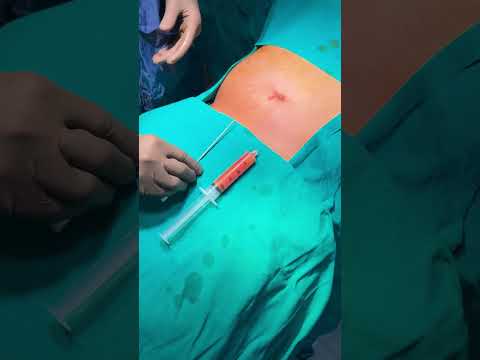









.png)








Share this listing