


Stem Cell Bangkok Thailand: Innovative Ataxia Treatment at Vega Stem Cell Clinic
Living with a progressive neurological condition can feel incredibly isolating, but groundbreaking advancements in regenerative medicine are changing the narrative. For individuals seeking an innovative ataxia treatment, Vega Stem Cell Clinic in Bangkok, Thailand offers a beacon of hope. By combining state-of-the-art stem cell therapies with world-class medical tourism infrastructure, patients can now access targeted, highly effective neurological care. This comprehensive guide explores why Bangkok has emerged as the premier global destination for affordable stem cell therapy for ataxia and how specialized treatments can help restore motor function and vastly improve your daily quality of life.
Video Chapters & Quick Navigation
Understanding Ataxia and the Limitations of Traditional Care
Ataxia is a complex neurological condition characterized by a lack of muscle control and coordination of voluntary movements. It often manifests as difficulties with walking, balance, speech, and even swallowing. For many patients, the diagnosis of a neurodegenerative disorder like spinocerebellar ataxia or Friedreich's ataxia feels like a definitive decline, primarily because conventional medicine has historically offered very few options beyond symptom management.
Traditional care protocols typically involve rigorous physical therapy, occupational therapy, and medications designed to control tremors or muscle spasticity. While these treatments are undeniably crucial for maintaining a baseline quality of life, they do not address the underlying cellular damage occurring within the cerebellum and spinal cord. As discussed at in the video, the medical community has long sought a therapeutic approach that goes beyond mere palliation to actively promote neural repair and cellular regeneration.
This massive gap in traditional neurological care has driven thousands of patients globally to seek out alternative, scientifically backed options. The search for a disease-modifying treatment has naturally led researchers and patients alike to the burgeoning field of regenerative medicine, specifically mesenchymal stem cell therapy for neurological disorders.
The Different Manifestations of Cerebellar Decline
It is important to understand that ataxia is not a single disease but rather a symptom of underlying dysfunction in the cerebellum, the part of the brain responsible for coordinating movement. Spinocerebellar ataxias (SCAs) are genetic conditions that cause progressive degeneration. Patients often experience a slow but relentless loss of mobility, which severely impacts their independence.
On the other hand, non-genetic or acquired forms of ataxia can result from brain trauma, stroke, autoimmune diseases, or severe vitamin deficiencies. Regardless of the origin, the resulting neurodegeneration creates a hostile environment in the brain where inflammation runs rampant and neural pathways are disrupted. Stopping this cycle of inflammation and cellular death is the primary objective of advanced regenerative therapies.
The Science Behind Stem Cell Therapy for Ataxia
Stem cell therapy represents a paradigm shift in how we approach incurable neurological conditions. Unlike pharmacological interventions that mask symptoms, stem cell treatment for neurodegenerative diseases aims to fundamentally alter the brain's microenvironment. Mesenchymal stem cells (MSCs), typically derived from human umbilical cord tissue, are the primary agents used in these innovative protocols.
When administered correctly, MSCs possess an incredible ability known as "homing." As highlighted at , these cells can naturally detect signals of inflammation and tissue damage within the body. Once they reach the site of neurological injury in the cerebellum or spinal cord, they do not simply turn into new brain cells. Instead, they act as microscopic cellular factories, releasing a powerful cascade of growth factors, cytokines, and exosomes.
The Power of the Paracrine Effect
This process of secreting beneficial proteins and molecules is known as the paracrine effect. It is perhaps the most crucial mechanism by which stem cell therapy helps ataxia patients. The secreted factors stimulate angiogenesis, which is the formation of new blood vessels, thereby increasing blood flow and oxygen delivery to oxygen-starved neural tissues. Furthermore, these factors promote neurogenesis, encouraging the brain's own dormant neural stem cells to awaken and begin repairing damaged synaptic connections.
Equally important is the immunomodulatory capability of mesenchymal stem cells. In many progressive neurological disorders, the body's immune system mistakenly attacks healthy nerve cells or creates an environment of chronic neuroinflammation that accelerates cell death. MSCs actively suppress this harmful immune response, essentially cooling down the inflammatory fires in the central nervous system. This dual action of halting damage and promoting repair is what makes stem cell treatment such a highly sought-after option.
Why Bangkok is the Premier Destination for Regenerative Medicine
While the science of stem cells is universally understood, the regulatory environments that govern their clinical application vary drastically around the globe. In countries like the United States, Canada, and much of Western Europe, strict and often heavily bureaucratic regulatory frameworks restrict the use of expanded mesenchymal stem cells for off-label neurological treatments. This forces patients to look beyond their own borders.
Thailand, and specifically Bangkok, has strategically positioned itself as the undisputed capital of medical tourism in Southeast Asia. The Thai government has heavily invested in healthcare infrastructure, creating a robust, highly regulated, yet progressively forward-thinking medical ecosystem. As seen at , Bangkok seamlessly merges luxury hospitality with cutting-edge medical science, offering patients a holistic healing experience.
A Highly Regulated, Safe Medical Ecosystem
Safety is the primary concern for any medical traveler. Thailand's Ministry of Public Health enforces stringent guidelines on cell culturing, harvesting, and clinical application. The best regenerative medicine clinics in Bangkok operate state-of-the-art, ISO-certified cleanroom laboratories. This ensures that the stem cells administered are virtually free of contaminants, possess high viability, and retain their maximum therapeutic potency.
Furthermore, the medical professionals leading these clinics are often internationally trained. Many neurologists and regenerative medicine specialists in Bangkok have completed fellowships in the United States, Japan, or the United Kingdom. They bring global best practices back to Thailand, combining them with the legendary warmth and attentiveness of Thai medical hospitality. This combination of strict safety standards, global expertise, and unparalleled patient care makes Bangkok the logical choice for complex treatments.
Inside Vega Stem Cell Clinic: A Hub of Innovation
Among the various facilities offering regenerative treatments in Thailand, the Vega Stem Cell Clinic stands out as a true pioneer in the field of neurology. Located in the heart of Bangkok, Vega has cultivated a reputation for excellence, specifically regarding their targeted protocols for neurodegenerative diseases like ataxia. Their approach is not a one-size-fits-all solution, but rather a deeply personalized medical journey.
At , the video showcases the clinic's commitment to utilizing the highest quality ethically sourced human umbilical cord mesenchymal stem cells (UC-MSCs). Vega Stem Cell Clinic operates with a strict mandate: to provide therapies that are supported by the latest clinical research. Their in-house medical team consists of neurologists, immunologists, and specialized stem cell biologists who collaborate to design a treatment protocol unique to each patient's specific progression of ataxia.
Advanced Cell Culturing and Viability
The success of any stem cell therapy is fundamentally dependent on the quality and quantity of the cells administered. Vega Stem Cell Clinic utilizes advanced proprietary expansion techniques to cultivate millions of high-viability stem cells. Because they focus heavily on umbilical cord-derived cells, patients benefit from "day zero" cells. These cells are younger, more robust, and have longer telomeres compared to autologous cells (cells derived from the patient's own aging body), making them far more effective for neural repair.
Furthermore, the clinic maintains rigorous screening processes. Every batch of stem cells is extensively tested for infectious diseases, chromosomal abnormalities, and cellular vitality before it ever reaches the patient. This uncompromising dedication to laboratory excellence is a primary reason why Vega is considered one of the safest and most effective stem cell clinics in Asia.
Comprehensive Treatment Protocols at Vega
The journey to receiving ataxia treatment in Bangkok is meticulously planned by the team at Vega Stem Cell Clinic. They understand that traveling with a neurological condition is challenging, so they have engineered a protocol that minimizes stress while maximizing therapeutic outcomes. The treatment is not just a single injection; it is a comprehensive multi-day medical program.
As detailed at , the process begins long before the patient boards a plane. A thorough review of the patient's medical records, MRI scans, and genetic tests is conducted via telemedicine. Once accepted into the program and upon arrival in Bangkok, the patient undergoes a comprehensive physical and neurological baseline assessment. This allows the medical team to accurately track improvements post-treatment.
Targeted Delivery Methods for Maximum Efficacy
To treat ataxia effectively, the stem cells must reach the central nervous system. The blood-brain barrier is a highly selective semipermeable border that prevents many substances from entering the brain. To bypass this and ensure maximum delivery of MSCs to the cerebellum and spinal cord, Vega Stem Cell Clinic often employs a combination of delivery methods.
Standard Intravenous (IV) infusions are utilized to provide systemic anti-inflammatory benefits and improve overall cellular health. However, the cornerstone of the ataxia protocol is typically the Intrathecal injection. By administering the stem cells directly into the spinal canal through a standard lumbar puncture, the cells are introduced directly into the cerebrospinal fluid. This fluid acts as a direct highway, transporting the therapeutic cells straight into the brain and cerebellar regions where they are needed most.
Cost Analysis: Thailand vs. Western Clinics
One of the most significant barriers to accessing advanced regenerative medicine is the prohibitive cost in Western nations. In the rare instances where patients can find experimental stem cell treatments in the US or Europe, the out-of-pocket expenses can be financially devastating, often exceeding $30,000 to $50,000 for a single round of therapy, completely un-covered by traditional health insurance.
This is where the medical tourism advantage becomes glaringly apparent. Discussed at , receiving stem cell therapy in Bangkok offers exceptional financial savings without any compromise on medical quality or facility standards.
| Region | Estimated Cost (USD) | Cell Quality/Volume |
|---|---|---|
| United States | $25,000 - $45,000+ | Often restricted to autologous (fat/bone marrow), lower expansion limits. |
| Western Europe (e.g., Germany) | $18,000 - $35,000+ | Highly regulated, high-quality, but extremely expensive procedural fees. |
| Vega Clinic, Bangkok | $8,000 - $15,000 | High volume, ethically sourced expanded UC-MSCs, extensive multi-day protocol. |
The affordability of the ataxia treatment at Vega Stem Cell Clinic is due to Thailand's lower cost of living, favorable exchange rates, and highly efficient medical infrastructure, not a reduction in medical standards. These comprehensive packages frequently include airport VIP transfers, hotel accommodations, extensive blood panel testing, the stem cell administration itself, and post-treatment physical therapy sessions.
The Patient Experience and Recovery Journey
Traveling to a foreign country for a major medical procedure can invoke anxiety, but the patient experience at Vega Stem Cell Clinic is engineered to feel like a luxury wellness retreat rather than a sterile hospital visit. From the moment patients step off the plane at Suvarnabhumi Airport, they are greeted by dedicated clinic representatives who handle all logistical concerns.
As noted at , the integration of recovery and relaxation is a vital component of the healing process. Stress is a known neurotoxin that can exacerbate ataxia symptoms. By recovering in the tranquil, supportive environment of Bangkok, patients can keep their cortisol levels low, providing the newly introduced stem cells the optimal biological environment to begin their repair work.
Integrating Physical Therapy with Cellular Medicine
While the stem cells are doing the heavy lifting at a microscopic level, clinical outcomes are vastly improved when combined with targeted neurological rehabilitation. The Vega protocol emphasizes the importance of specialized physiotherapy immediately following the cellular infusions. This active stimulation of the brain helps to forge new neural pathways—a concept known as neuroplasticity.
Patients work alongside experienced physical and occupational therapists who design custom exercise routines aimed at improving balance, gait stability, and fine motor skills. Furthermore, the clinic provides patients with comprehensive dietary guidelines and a take-home physical therapy regimen to ensure that the progress made in Bangkok continues to compound over the subsequent months when the stem cells reach their peak efficacy.
Advancements and the Future of Neurological Care
We are standing on the precipice of a new era in neurological medicine. The successful clinical outcomes observed in patients traveling to Thailand for stem cell therapy are rapidly changing how the global medical community views neurodegenerative disorders. Ataxia is no longer viewed as an entirely untreatable decline, but rather a condition that can be aggressively managed and potentially reversed at the cellular level.
Highlighted at , continuous advancements in mesenchymal stem cell research, exosome therapy, and targeted gene editing are promising even more robust treatments in the near future. Vega Stem Cell Clinic remains at the forefront of this scientific revolution, continuously updating their protocols to reflect the absolute latest in peer-reviewed regenerative science.
For patients suffering from ataxia, time is of the essence. Early intervention with stem cell therapy yields the most dramatic improvements, as preserving existing neural networks is inherently easier than attempting to rebuild them from scratch. The combination of medical excellence, incredible affordability, and cutting-edge science makes Bangkok the ultimate destination for those seeking to reclaim their mobility and their life.
Ready to Reclaim Your Mobility in Bangkok?
PlacidWay Medical Tourism connects you with Vega Stem Cell Clinic in Thailand, offering world-class regenerative care for ataxia at unbeatable prices. Let us handle the details while you focus on your healing journey.
GET A FREE QUOTE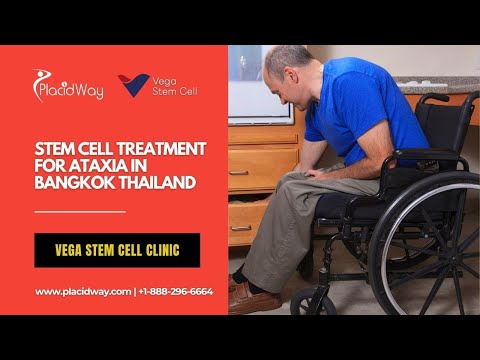




.png)

.png)
.png)






Share this listing