


The Ultimate Guide: Why You Must Move After Stem Cell Therapy in Medellin, Colombia
Understanding exactly why you must move after stem cell therapy is the single most critical factor in guaranteeing the success of your regenerative treatment. Every year, thousands of patients travel to experience cutting-edge stem cell therapy in Colombia, Medellin, hoping to permanently cure chronic joint pain, osteoarthritis, and severe orthopedic injuries.
However, many patients mistakenly believe that strict, prolonged bed rest is required post-injection to protect the newly introduced cells. In reality, strategic, low-impact movement is the essential physiological trigger that activates mesenchymal stem cells, promoting rapid tissue repair, reducing systemic inflammation, and ensuring optimal cellular integration. Watch the video to learn how mechanical loading acts as the catalyst for your body's ultimate healing process.
Video Chapters & Quick Navigation
The Biological Imperative of Movement Post-Injection
When patients receive high-dose mesenchymal stem cell (MSC) injections, they are often terrified of "ruining" the procedure by moving too much. However, as highlighted at in the video, total immobilization is actually detrimental to the regenerative process. Stem cells are highly intelligent biological entities, but they require environmental cues to know where to go and what kind of tissue to become.
Mechanical loading—the physical stress placed on bones, tendons, and cartilage during movement—provides the exact biological roadmap these cells need. When you engage in light physical activity, your body generates mild, beneficial inflammation and biomechanical stress signals. The stem cells detect these signals through a process known as "homing," migrating directly to the areas of highest friction and micro-damage to begin the repair process.
Without movement, blood circulation slows down significantly. Blood flow is the primary delivery mechanism for oxygen, vital nutrients, and the signaling proteins that keep the newly injected stem cells alive. Sitting completely still deprives the joint capsule of this vital nutrient exchange, effectively starving the very cells you just traveled across the globe to receive.
Cellular Differentiation and Physical Stress
Mesenchymal stem cells are multipotent, meaning they have the remarkable ability to transform into various types of tissue, including bone (osteoblasts), cartilage (chondrocytes), and fat (adipocytes). What dictates this transformation? Biomechanical force. If you want stem cells to regenerate knee cartilage, you must stimulate the knee joint through controlled, low-impact motion. The physical compression of the joint tells the MSCs to differentiate into cartilage-producing cells rather than generic scar tissue.
Advanced regenerative medicine clinics specializing in stem cell therapy in Colombia, Medellin emphasize that controlled physical therapy is non-negotiable. While high-impact activities like running or heavy weightlifting are strictly forbidden in the early stages of recovery, continuous passive motion (CPM) and light walking are medically required to ensure the biological investment yields maximum dividends.
Why Medellin, Colombia is the Global Hub for Stem Cell Therapy
Over the past decade, Medellin has transformed from a hidden gem into the undisputed global capital for advanced medical tourism, particularly in the field of regenerative medicine. But why are thousands of elite athletes, business executives, and chronic pain sufferers bypassing local American or European clinics to seek treatment in South America?
The primary reason lies in the intersection of advanced medical regulations and world-class biotechnology. In the United States, the FDA heavily restricts the expansion and cultivation of stem cells. Domestic clinics are generally limited to using a patient's own bone marrow or adipose (fat) tissue, which yields a relatively low count of aging cells. At , the speaker notes that Colombian regulations allow for the ethical harvesting and laboratory expansion of Wharton’s Jelly-derived umbilical cord stem cells.
The Power of Cultured Umbilical Cord Cells
By utilizing legally approved, ethically sourced umbilical cord tissue, specialized biotechnology labs in Medellin can culture mesenchymal stem cells into the millions—and sometimes hundreds of millions. These "Day Zero" cells are incredibly robust, highly active, and possess a massive capacity for cellular division and tissue regeneration.
Furthermore, the cost of stem cell therapy in Medellin is highly favorable. Patients can receive premium, expanded cellular treatments for a fraction of what an inferior, non-expanded treatment would cost in North America. When combining the sheer volume of viable cells with the affordability of the procedure, it becomes clear why Medellin is the premier destination for those seeking long-term joint pain relief treatments.
Synovial Fluid Circulation: The Sponge Effect
To truly understand why you must move after stem cell therapy, one must examine the unique anatomy of human cartilage. Unlike muscles or skin, articular cartilage is entirely avascular. This means it contains zero blood vessels. Without a direct blood supply, how does cartilage receive the nutrients necessary to heal and integrate new stem cells?
Cartilage relies entirely on a mechanism known as synovial fluid diffusion, which operates much like a kitchen sponge. When a joint is at rest, the cartilage absorbs the surrounding synovial fluid. When you move and place weight on the joint, the cartilage compresses, squeezing out the old, waste-filled fluid. When the pressure is released as you step off the joint, it expands, pulling in fresh, nutrient-rich synovial fluid loaded with your newly injected stem cells.
Preventing Cellular Stagnation
If you remain sedentary after receiving a regenerative joint injection, this "sponge effect" never occurs. The newly introduced stem cells remain trapped in stagnant joint fluid, isolated from the damaged cartilage matrix they were intended to repair. By engaging in gentle walking, cycling, or aquatic therapy, you physically force the stem cells deep into the porous structure of the damaged cartilage.
This dynamic compression is explicitly detailed around in the video. The experts in Medellin instruct patients to begin gentle range-of-motion exercises within 24 to 48 hours post-injection specifically to activate this synovial pumping mechanism.
Paracrine Signaling and the Immune System Response
Another fascinating aspect of mesenchymal stem cells is their role as immunomodulators. MSCs do not just turn into new cartilage or tissue; they act as biological managers that secrete powerful healing factors—a process known as the paracrine effect. They release exosomes, cytokines, and growth factors that command your body's native immune system to stop attacking the joint and start repairing it.
However, the paracrine effect is significantly amplified by physical movement. Muscle contractions stimulate the lymphatic system, which runs parallel to your blood vessels. The lymphatic system is responsible for clearing out dead cells, metabolic waste, and inflammatory proteins from the joint capsule. Because the lymphatic system lacks a central pump like the heart, it relies entirely on muscular contraction to move fluid.
By moving your body, you are actively flushing toxic, chronic inflammatory markers out of the joint space, creating a clean, alkaline environment where the new stem cells can thrive and establish their paracrine signaling networks without interference.
Recommended Low-Impact Exercises Post-Injection
Understanding that movement is vital is only half the battle; knowing how to move safely is equally important. Aggressive movements can trigger excessive shear force, potentially flushing the stem cells out of the target area before they can anchor to the tissue. The top regenerative clinics in Colombia utilize precise, phased rehabilitation protocols.
| Exercise Type | Purpose & Benefit | Ideal Timeframe |
|---|---|---|
| Stationary Cycling (Zero Resistance) | Promotes heavy synovial fluid circulation without bearing body weight. Excellent for knee and hip injections. | Days 3 to 14 |
| Aquatic Walking / Pool Therapy | The buoyancy of water reduces joint load by up to 80% while hydrostatic pressure reduces localized swelling. | Weeks 2 to 6 |
| Isometric Contractions | Flexing muscles without moving the joint (e.g., quad sets). Prevents muscle atrophy and stimulates blood flow. | Days 1 to 7 |
| Gentle Elliptical Training | Provides a gliding motion that prevents joint impact while encouraging full-body lymphatic drainage. | Weeks 4 to 8 |
It is crucial to work with a licensed physical therapist who understands the nuances of post-stem cell injection rehabilitation. The goal is to maximize joint mobility while minimizing joint stress.
The Phased Timeline for Regenerative Healing
Healing through advanced regenerative medicine is a marathon, not a sprint. While traditional steroid injections provide immediate (but temporary) relief by simply masking inflammation, stem cells rebuild tissue from the ground up. This biological reconstruction takes time, and your movement strategy must evolve alongside the cellular growth.
Phase 1: The Integration Phase (Days 1-7)
During the first week, the newly introduced stem cells are highly vulnerable. They are actively seeking out inflammation and securing themselves to the extracellular matrix of your damaged tissue. At this stage, as mentioned at in the video, movement should be strictly limited to gentle, unweighted range-of-motion exercises. Bracing or off-loading the joint may be recommended if weight-bearing causes sharp pain.
Phase 2: The Proliferation Phase (Weeks 2-6)
By the second week, the stem cells have anchored themselves and are beginning to multiply and differentiate into structural cells. This is when the "sponge effect" becomes critical. Patients are highly encouraged to engage in stationary cycling, deep water aerobics, and prolonged, relaxed walking on flat surfaces. The continuous biomechanical feedback tells the cells to keep building thick, resilient cartilage.
Phase 3: The Maturation Phase (Months 2-6)
During the maturation phase, the newly formed tissue begins to harden and integrate with your existing biology. To ensure this new tissue aligns correctly with your body's natural load-bearing angles, patients must slowly reintroduce resistance training. Closed-kinetic chain exercises, such as light leg presses or wall squats, force the new cellular matrix to adapt to real-world physical demands, resulting in long-term durability and profound joint pain relief.
Debunking the Biggest Myths About Post-Therapy Bed Rest
One of the most pervasive myths in the medical tourism community is the idea that stem cells are "fragile" and will immediately die if you walk on a treated knee or move a treated shoulder. This misconception stems from a fundamental misunderstanding of cellular biology.
Stem cells thrive under pressure. In a laboratory setting, scientists often use specialized bioreactors that intentionally apply mechanical shear stress to stem cell cultures. Why? Because subjecting the cells to movement forces them to become stronger and more robust. When you avoid moving out of fear, you are depriving your internal environment of this necessary mechanical conditioning.
Another common myth is the reliance on anti-inflammatory medications (NSAIDs) like Ibuprofen during recovery. Because movement post-therapy can cause mild, temporary stiffness, many patients instinctively reach for painkillers. However, top doctors in Medellin strictly prohibit NSAIDs for several weeks post-injection. The mild inflammation caused by your physical therapy is actually the chemical beacon that stem cells follow. Quelling that inflammation with medication effectively "blinds" the stem cells, severely diminishing the effectiveness of the treatment.
The Medellin Advantage: A Topography Built for Active Recovery
There is a logistical reason why recovering from stem cell therapy in Colombia, Medellin is so successful: the environment naturally encourages exactly the right type of movement. Known globally as the "City of Eternal Spring," Medellin boasts a year-round temperate climate hovering comfortably between 65°F and 75°F (18°C to 24°C).
This perfect weather eliminates the sedentary habits forced upon patients during harsh North American winters or scorching summers. After receiving their cutting-edge treatments, patients are encouraged to walk through the beautifully manicured, flat botanical gardens, stroll through the vibrant El Poblado district, or participate in guided, low-impact eco-tours.
The city's infrastructure and climate create a synergistic effect with the medical protocols. Patients are naturally motivated to stay outdoors, stay active, and keep their blood circulating. This combination of advanced Wharton’s Jelly stem cells, expert orthopedic guidance, and an environment perfectly suited for active rehabilitation creates an unparalleled healing ecosystem.
Unlocking the Ultimate Regenerative Potential
Investing in advanced regenerative medicine is one of the most profound steps you can take toward reclaiming your mobility and quality of life. However, the procedure itself is merely the planting of the seed. Physical movement is the water, sunlight, and nourishment that guarantees that seed will grow into robust, pain-free tissue.
By choosing world-class stem cell therapy in Medellin, you gain access to the highest quality cells on the planet. By committing to a structured, movement-based recovery protocol, you ensure those cells integrate perfectly, providing you with decades of renewed vitality, strength, and structural joint integrity.
Ready to Reclaim Your Mobility in Medellin?
PlacidWay Medical Tourism partners with the most prestigious, internationally accredited regenerative medicine clinics in Colombia. Stop living with chronic joint pain and discover how affordable, high-dose stem cell therapy can transform your life. Let us help you plan your journey to the City of Eternal Spring today.
GET A FREE CONSULTATION & QUOTE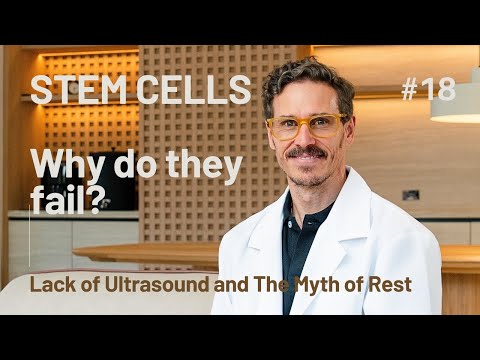
















Share this listing