


Advanced Platelet-Rich Plasma Therapy for Tendon Injuries: A Non-Surgical Solution
Regenerative medicine has revolutionized the way we approach sports injuries and chronic joint pain, offering a bridge between conservative physical therapy and invasive surgical intervention. One of the most prominent treatments in this field is Platelet-Rich Plasma therapy for tendon injuries, a biological approach that utilizes the patient's own blood to stimulate natural healing. This cutting-edge therapy is gaining massive popularity among professional athletes and active individuals who want to avoid the long downtime associated with surgery.
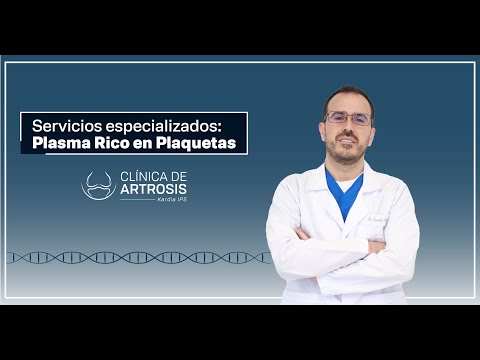
In this featured clinical demonstration, we observe how specialized regenerative treatments are applied to complex musculoskeletal issues, specifically a biceps tendon injury. By leveraging the concentrated power of growth factors, medical professionals can now target damaged tissues with microscopic precision. Watch as the medical team at Clinica de Artrosis demonstrates the application of ultrasound-guided PRP injections to facilitate rapid recovery and restore function without a single scalpel incision.
Video Chapters & Quick Navigation
Understanding Platelet-Rich Plasma (PRP) Biological Mechanisms
Platelet-Rich Plasma (PRP) is an autologous treatment, meaning it is derived entirely from the patient's own body. The process begins at [00:04] where the medical staff prepares for the specialized service. By drawing a small amount of the patient's blood and placing it in a centrifuge, the clinician separates the blood into different layers. The goal is to isolate the concentrated platelets, which are the body's primary response units for injury repair.
Platelets contain hundreds of proteins called growth factors which are crucial for the healing of injuries. When these are injected into damaged tendons or ligaments, they jump-start the body's natural repair cycle. This is particularly effective for tissues with poor blood supply, such as tendons, which often struggle to heal on their own through traditional methods. Regenerative medicine for athletes has seen a surge in PRP usage because it addresses the root cause of the pain rather than just masking the symptoms with cortisone or anti-inflammatories.
The Centrifugation Process and Concentration Levels
Not all PRP is created equal. The effectiveness of the treatment depends heavily on the concentration of platelets achieved during the spinning process. High-quality systems can concentrate platelets up to 5 to 10 times the normal baseline levels. This "liquid gold" is then precisely applied to the site of inflammation or structural damage.
In the video, we see the results of this process at [00:45], showcasing the plasma rich in growth factors ready for application. This concentration is what allows the body to bypass chronic inflammation and move straight into the proliferative phase of healing, where new, healthy tissue is actually constructed.
Biceps Tendon Injury Case Study: Sebastián Tamayo
The patient featured in this demonstration is Sebastián Tamayo, a presenter who maintains an active physical lifestyle. As introduced at [00:09], Sebastián suffered a significant biceps tendon injury. Tendonitis or partial tears in the biceps can be incredibly debilitating, affecting everything from weightlifting to simple daily tasks like lifting a grocery bag.
At [00:15], the doctor highlights the specific area of the elbow and arm where the lesion occurred. This type of injury often involves the distal biceps tendon, which attaches the biceps muscle to the radius bone in the forearm. When this tendon becomes frayed or partially torn, the traditional path often involves surgical reattachment—a process that involves significant trauma and months of immobilization.
Choosing Non-Surgical Tendon Repair
The primary objective for Sebastián was to avoid surgery for tendon injury. Surgical intervention carries risks of infection, nerve damage, and the formation of scar tissue that can permanently limit range of motion. By opting for PRP therapy, as explained at [00:24], the medical team aims to assist the natural scarring and healing process to strengthen the tendon without the need for an operating room.
This biological "boost" is essential for active individuals. It allows the tendon to regain structural integrity while the patient continues with a modified rehabilitation program. The goal is to turn a chronic, non-healing injury into an acute, healing one by re-introducing a high concentration of cytokines and healing proteins directly to the tear site.
The Role of Ultrasound Guidance in Regenerative Injections
Precision is the difference between success and failure in regenerative medicine. At [00:30], the doctor introduces the ecograph (ultrasound machine). This technology allows the clinician to see deep within the tissues in real-time. Without ultrasound guidance, an injection is essentially a "blind" procedure based on external landmarks, which can lead to the PRP being deposited in the wrong layer or missing the lesion entirely.
Using ultrasound-guided PRP injections ensures that the needle tip is positioned exactly within the tendon sheath or the specific area of the partial tear. This maximizes the biological impact of the growth factors and minimizes trauma to surrounding healthy nerves and blood vessels. It also allows the doctor to visualize the fluid as it is being dispersed into the tissue.
Non-Invasive Eco-Guided Blocks
As the video progresses to [01:06], we see the team performing "bloqueos ecoguiados no invasivos" (non-invasive ultrasound-guided blocks). This technique is used to manage pain and ensure the patient is comfortable during the procedure. By accurately numbing the nerve pathways surrounding the injury site using ultrasound, the clinician can perform the regenerative injection with minimal discomfort for the patient.
This level of technological integration is what defines a modern arthrosis and sports medicine clinic. It combines the biological power of the body with the diagnostic precision of high-resolution imaging to create a treatment plan that is as safe as it is effective.
Advanced Regenerative Therapies: Stromal Fraction and Mesenchymal Cells
While PRP is a powerhouse for many injuries, some conditions require even more advanced biological signals. The video mentions several high-tier options available at the clinic. At [00:50], the concept of Vascular Stromal Fraction (SVF) is introduced. SVF is a specialized component of adipose (fat) tissue that contains a rich mixture of regenerative cells, including stem cells, that can help repair more severe joint damage.
Furthermore, at [00:56], the focus shifts to Mesenchymal Cells. These are multipotent stromal cells that can differentiate into various cell types, including bone, cartilage, and muscle cells. When used in conjunction with PRP, these cells provide a "scaffold" and "building blocks" for complex tissue regeneration, making them ideal for treating advanced osteoarthritis or significant tendon ruptures.
| Treatment Type | Primary Components | Best For |
|---|---|---|
| Platelet-Rich Plasma (PRP) | Growth Factors & Cytokines | Tendonitis, Minor Tears, Ligament Sprains |
| Mesenchymal Cells | Multipotent Stem Cells | Cartilage Loss, Osteoarthritis, Severe Degeneration |
| Stromal Vascular Fraction | Adipose-Derived Regenerative Cells | Chronic Joint Pain, Complex Inflammation |
Maximizing Results with Non-Surgical Regenerative Therapies
The injection is just the beginning of the journey. To ensure the Platelet-Rich Plasma treatment benefits are fully realized, the clinic uses supportive therapies. At [01:01], we see the application of kinesiology tape and other non-surgical regenerative therapies. These external supports help stabilize the area, improve lymphatic drainage, and reduce the mechanical load on the healing tendon.
Patients are typically advised to rest the area for a few days following the injection to allow the biological signal to take hold. Unlike surgery, which might require weeks of a heavy cast, PRP recovery often involves early, controlled movement to "guide" the healing fibers in the correct orientation. This proactive approach to non-surgical tendon repair keeps the muscles from atrophying and keeps the joint mobile.
The Advantage of Holistic Joint Care
Clinica de Artrosis emphasizes a holistic approach to joint health. As seen throughout the video, they combine diagnostics, biological therapies, and functional rehabilitation. This ensures that the patient doesn't just feel better temporarily but gains long-term structural improvement. Whether it's managing "artrosis" (osteoarthritis) or a sports-related tear, the goal is always to maximize the body's innate ability to repair itself.
By integrating various modalities, the medical team can customize the treatment for different stages of injury. A patient might start with a series of PRP injections and later transition to more intensive cell-based therapies if the degeneration is advanced. This flexibility is a hallmark of high-authority regenerative medicine centers.
Ready to Restore Your Mobility?
PlacidWay Medical Tourism connects you with top-rated regenerative medicine clinics worldwide, offering world-class Platelet-Rich Plasma and Stem Cell treatments at unbeatable prices. Let us handle the details while you focus on your recovery.
GET A FREE QUOTEFull Video Transcript
[00:00] Services specialized in: Platelet-Rich Plasma (Plasma Rico en Plaquetas).
[00:04] Hello, hello! How are you all? Here we are at the Clinica de Artrosis.
[00:08] We are here today with Sebastián Tamayo (Presenter).
[00:11] Well, today what we are going to do is an application of Platelet-Rich Plasma in the arm and elbow.
[00:15] Showing us a little bit here, we had a lesion of the biceps tendon.
[00:21] Which was initially treated without surgery.
[00:24] So what we are going to do is help him with the healing processes to avoid the surgery of his tendon.
[00:29] We are going to do it with the ecograph (ultrasound), here we are with all the things ready so that you can follow us.
[00:35] (Visuals of patient preparation and ultrasound placement on the arm).
[00:42] Find out about our advanced treatment options here.
[00:45] Platelet-Rich Plasma in Platelet Growth Factors.
[00:50] Vascular Stromal Fraction.
[00:56] Mesenchymal Cells.
[01:01] Non-surgical regenerative therapies.
[01:06] Non-invasive ultrasound-guided blocks.
[01:11] Schedule and discover which one is right for you.
[01:15] (Website: clinicadeartrosismedellin.com and contact details displayed).
[01:21] WhatsApp icon and clinic logo.















Share this listing