


Reconstructing Hope: Lucas’s Journey Through Pediatric Hand Reconstructive Surgery in Mexico
In the world of pediatric medicine, few challenges are as delicate and emotionally taxing as reconstructive surgery for a child’s hand. Lucas’s story is a profound testament to the intersection of parental resilience, specialized surgical expertise, and the advanced medical infrastructure available in Navojoa, Mexico. When a routine medical procedure resulted in an unexpected and severe burn, Lucas’s family found themselves in a race against time to save the functionality of his fingers.
This deep dive into Lucas’s case highlights the critical importance of a multidisciplinary approach, combining the precision of plastic surgery with the structural expertise of orthopedic hand surgeons. Watch as we explore how the team at Hospital San José Navojoa utilized cutting-edge techniques in skin grafting and tissue flaps to restore a young boy’s future, proving that world-class medical outcomes are accessible through dedicated care and specialized medical tourism.
Video Chapters & Medical Insights
At the heart of Lucas's recovery is the specialized care provided at Hospital San José. The video opens with Lucas expressing his gratitude [00:00], a powerful moment that highlights the human impact of complex reconstructive procedures. When we talk about specialized pediatric hand surgery, we are not just discussing biological repair; we are discussing the restoration of a child's ability to play, learn, and interact with the world.
The Multidisciplinary Reconstructive Surgical Team
One of the hallmarks of high-tier medical centers in Mexico is the collaborative nature of their specialist teams. In Lucas's case, two primary experts led the charge. Dr. Matías Ceballos [00:07], a renowned plastic and reconstructive surgeon, focused on the soft tissue restoration and aesthetic recovery. Complementing his work was Dr. César Meza [00:11], an orthopedist and hand surgeon who ensured the underlying bone and tendon structures remained functional.
The "Hand Surgeon" designation is a sub-specialty that requires immense precision, as the hand contains a dense network of nerves, blood vessels, and small bones that must be meticulously managed. Having both a plastic surgeon and an orthopedist on the case meant that every aspect of the injury—from the skin surface to the bone—was addressed with equal importance.
Understanding the Complexity of Pediatric Burn Care
Burns in children are particularly complex because of the continuous growth of the patient. Dr. Ceballos notes that burn patients are "very difficult to treat" [00:28]. This is especially true when the burn is located on a "special area" like the hand [00:35]. If not treated correctly, scar tissue can contract, leading to permanent deformities or loss of movement as the child grows.
Specialized pediatric burn reconstruction requires a long-term vision. The surgeon must choose techniques that will expand and adapt as the child matures. In Mexico, medical tourism for such specialized cases is growing because clinics like Hospital San José offer the same advanced protocols found in the US or Europe but with a level of personalized attention that is often lost in larger systems.
| Procedure Stage | Medical Focus | Expected Outcome |
|---|---|---|
| Initial Valuation | Assessment of nerve/tendon damage. | Clear surgical roadmap. |
| Surgical Debridement | Removal of necrotic (dead) tissue. | Infection prevention; healthy bed for grafts. |
| Skin Grafting | Transfer of healthy skin to the wound. | Closure of the open wound. |
| Skin Flaps (Colgajos) | Moving skin with its own blood supply. | Robust coverage for exposed bones/tendons. |
The Critical Role of Surgical Cleaning and Debridement
One of the most intense phases of Lucas's treatment involved "aseos quirúrgicos" or surgical cleanings [00:54]. When a burn is caused by a chemical or physical reaction—in this case, from a plaster cast—the tissue damage can continue to evolve over several days. Frequent debridement is necessary to ensure that only healthy tissue remains, providing a viable "bed" for future grafts.
Dr. Meza highlights that the process was not a single event but a series of nine revisions [05:09]. This meticulous attention to detail is what prevents post-operative infections and ensures the long-term viability of the reconstructive work. For pediatric patients, these cleanings are often done under sedation to minimize trauma and pain.
Advanced Reconstructive Techniques: Skin Grafts vs. Flaps
In complex hand cases, simple skin grafts aren't always enough. Dr. Ceballos explains the use of "colgajos" or skin flaps [01:14]. While a graft is just a layer of skin, a flap involves moving a portion of skin and underlying tissue that remains attached to its own blood supply. This is essential when covering areas where bone or tendons are exposed, as these structures do not have enough blood supply to support a simple graft.
The ability to perform these microsurgical techniques is a key differentiator for the specialized hand surgery available in Mexico. By "mobilizing a portion of skin" [01:57], surgeons can close complex wounds that would otherwise lead to amputation or severe dysfunction. Lucas’s case required a combination of both grafts and flaps to ensure total coverage and flexibility of his fingers.
The Parent's Perspective: Navigating a Medical Crisis
Lucas’s parents, Tony Lastra and Anaís Aldaco [01:34], share the terrifying reality of seeing their son's condition worsen. The burn was initially treated as a routine matter [01:40], but complications arose within a week. Their story highlights a vital lesson for all parents: the need for a specialist when an injury doesn't respond to standard care.
They speak about the "clouded panorama" they faced [02:45] until they met Dr. Matías Ceballos. Finding a surgeon who is not only a technical expert but also "empathetic and professional" [04:06] makes a world of difference during a medical emergency. The trust they placed in the hospital’s team allowed them to move from panic to a structured plan of action.
A Favorable Evolution: Restoring Life and Functionality
The success of reconstructive surgery is measured by the patient's return to normal life. Dr. Meza proudly states that Lucas is "evolving favorably" and has begun to perform his daily activities with normality [01:31]. For a young child, "normal activities" mean being able to hold a pencil, play with toys, and dress themselves—milestones that were at risk before the intervention.
The collaborative effort of Dr. Ceballos, Dr. Meza, and Dr. Guillermo Félix [04:43] resulted in a comprehensive recovery. This case serves as a beacon for other families seeking affordable but high-quality reconstructive plastic surgery in Mexico. The hospital’s staff, including nurses like "Nurse Asu" [06:39], provided the round-the-clock "attention of quality and warmth" [06:03] that is crucial for pediatric healing.
Ready to Give Your Child the Best Chance for Full Recovery?
Discover how specialized pediatric reconstructive surgery at Hospital San Jose in Navojoa, Mexico, can restore function and quality of life. Trust the experts who are dedicated to your child’s healing journey.
GET A FREE QUOTE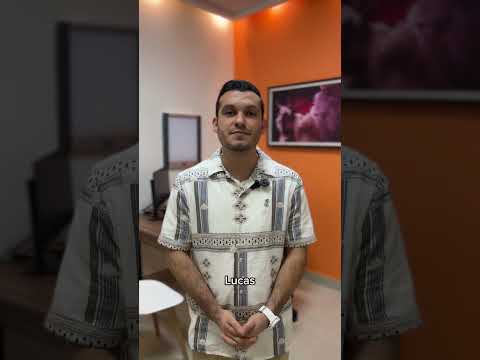




.png)
.png)


.png)

.png)
.png)








Share this listing