


Revolutionary Stem Cell Therapy for Back Pain: Analyzing Rafael Nadal's High-Stakes Recovery Journey
In the grueling world of professional tennis, few names resonate with as much grit and determination as Rafael Nadal. However, even the most legendary athletes are not immune to the wear and tear of elite competition. This video explores the fascinating intersection of cutting-edge biology and professional athletics as Rafael Nadal undergoes stem cell therapy for back pain. By leveraging the power of regenerative medicine, Nadal aims to repair damaged tissues and extend his storied career, moving beyond the limitations of traditional surgical interventions.
Why does a top-tier athlete choose stem cells over conventional treatments? Today, we dive deep into the science behind mesenchymal stem cells, the specific biomechanical stresses of a tennis serve, and the medical protocols that allow the world's best to return to the court stronger than ever. Watch to see how this revolutionary treatment is changing the landscape of non-surgical back pain relief for professional athletes.
Video Chapters & Quick Navigation
The Science of Regeneration: Healing from the Inside Out
At [00:01], the video introduces the primary objective of Rafael Nadal's medical team: to regenerate and repair the damaged lumbar area using stem cells. Unlike traditional medicine, which often focuses on managing symptoms through medication or physically removing damaged tissue via surgery, regenerative medicine for spinal injuries seeks to rebuild the anatomical structure.
Stem cell therapy involves the use of undifferentiated cells that have the unique ability to transform into various types of specialized tissue, such as bone, cartilage, or muscle. When injected into the lumbar region, these cells act as a biological repair kit. They migrate to the site of inflammation and injury, releasing growth factors and cytokines that stimulate the body's natural healing processes.
For an athlete like Nadal, whose back is subject to extreme rotational forces, this cellular approach offers a chance at structural restoration. The goal is not just to "fix" the pain, but to ensure the underlying vertebral discs and connective tissues can once again withstand the rigors of a 120-mph serve. This transition toward biological therapy represents a significant shift in high-performance sports recovery protocols.
Why the Best Athletes Break: The Strain of High Competition
Dr. Ramón Rodríguez, a traumatologist at Hospital NISA Aljarafe, explains at [00:09] that the sheer level of competition in modern professional sports often pushes the human body past its physiological limits. The body is an incredible machine, but it requires time to repair microscopic tears in muscle and connective tissue.
In the case of elite tennis, the schedule is relentless. Between the four Grand Slams and the ATP tour, athletes are rarely given the luxury of a full recovery window. Dr. Rodríguez notes that Nadal’s organism is sometimes unable to react and recover at the speed required by the intense tournament schedule. This gap between the rate of injury and the rate of natural repair is where stem cell therapy becomes essential.
The pathology of overload mentioned at [00:31] is a common affliction for elite performers. When the lumbar spine is repeatedly compressed and twisted, the micro-trauma accumulates. Stem cell injections provide a concentrated boost of healing power, effectively "speeding up" the biological clock of recovery to match the demands of the sport.
Strategic Timing: The Five-Week Recovery Protocol
Professional sports medicine is as much about timing as it is about biology. At [00:22], the report highlights that the World No. 3 took advantage of a forced competitive break following an appendix operation to address his chronic back issues. This strategic "two-for-one" recovery period is crucial for maintaining ranking points while ensuring long-term health.
The treatment protocol requires Nadal to remain away from the competitive courts for approximately five weeks [00:28]. This duration isn't arbitrary; it is the time required for the initial phase of cellular integration and the reduction of inflammatory markers. During this window, the patient undergoes controlled physical therapy to ensure the new cells are being "trained" to handle the specific mechanical loads of their lifestyle.
| Feature | Traditional Surgery | Stem Cell Therapy |
|---|---|---|
| Invasiveness | High (Incision, Scarring) | Minimal (Injection) |
| Recovery Time | 6-12 Months | 5-8 Weeks |
| Hospital Stay | Several Days | Outpatient / Same Day |
| Mechanism | Removal/Fixation of Tissue | Biological Regeneration |
The Biomechanical Nightmare: Tennis and the Lumbar Spine
While the video focuses on Nadal's specific case, it touches on a broader issue in the sport. Tennis players are uniquely prone to lumbar spine injuries due to the asymmetric nature of the game. Every time Nadal hits a "whippy" topspin forehand or arching serve, his lower back acts as the pivot point for extreme torque.
This repeated torsion can lead to disc herniation, facet joint syndrome, or spondylolysis. When Dr. Rodríguez mentions "overload pathology," he is referring to the cumulative stress on the L4-L5 and L5-S1 vertebrae. Stem cell therapy is particularly effective here because it can address multi-level degeneration without the need for spinal fusion, which would permanently limit an athlete's range of motion.
By using autologous stem cell therapy (cells derived from the patient's own body), the risk of rejection is eliminated. These cells are typically harvested from bone marrow or adipose tissue, concentrated in a lab, and then re-introduced precisely where the structural failure has occurred.
The Australian Open Incident: A Career-Defining Pain
One of the most poignant moments in the video occurs at [00:43], recalling the final of the 2014 Australian Open against Stanislas Wawrinka. During that match, Nadal suffered a sudden "block" in his lumbar region. Millions of viewers watched as the Spaniard, known for his physical dominance, was reduced to tears and limited movement.
This incident was a wake-up call for Nadal's camp. It demonstrated that even the most rigorous strength and conditioning programs cannot fully protect against acute spinal locks when the underlying tissue is compromised. The decision to pursue stem cell treatment for back pain was born out of the necessity to prevent a recurrence of such a debilitating event during a major tournament.
It’s important to note that this wasn’t Nadal’s first foray into regenerative medicine. At [01:02], the report mentions he had previously used similar treatments to solve chronic knee problems. His success with knee regeneration likely gave him the confidence to apply the same technology to his back, highlighting the versatility of stem cell therapy in sports medicine.
Regenerative Medicine: The New Standard for Longevity
The implications of Nadal's treatment extend far beyond the tennis court. We are entering an era where "retirement" due to injury is becoming less of a certainty. By repairing tissue at the cellular level, athletes can maintain their peak performance into their late 30s and even early 40s—a feat previously thought impossible in high-impact sports.
Patients worldwide are now looking to top-rated regenerative medicine clinics to solve their own chronic pain issues. Whether it is a weekend warrior with a runner's knee or a professional athlete with a disc issue, the principles remain the same: enhance the body's innate ability to heal. As technology advances, the cost of these treatments is expected to decrease, making affordable stem cell therapy for back pain a reality for the general public.
Benefits of Stem Cell Therapy for Athletes:
- Reduces Chronic Inflammation: MSCs release anti-inflammatory agents that soothe irritated nerves and joints.
- Promotes Tissue Repair: Stimulates the production of collagen and other structural proteins needed for healthy discs.
- Avoids Surgical Trauma: No cutting of muscles or ligaments means a much faster return to activity.
- Long-term Resilience: Regenerated tissue is often more durable than scar tissue formed after a traditional injury response.
Nadal's journey serves as a beacon of hope for anyone suffering from chronic pain. It proves that with the right combination of rest, medical expertise, and 21st-century biological innovation, the "unfixable" can indeed be repaired. As we watch him prepare for the upcoming season, his back is no longer a liability, but a testament to the power of advanced orthopedic stem cell treatments.
Ready to Live Pain-Free with Stem Cell Therapy?
Discover how stem cell therapy helped Rafael Nadal conquer chronic back pain and extend his career. Watch his journey and see how this cutting-edge treatment can restore your body’s natural healing ability.
GET A FREE QUOTE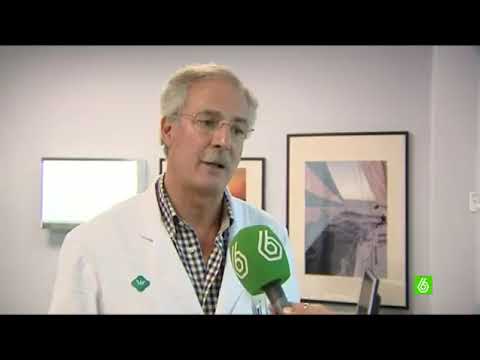


















Share this listing