


Immunity Therapy Center Success: Overcoming Stage 4 Pancreatic Cancer in Tijuana
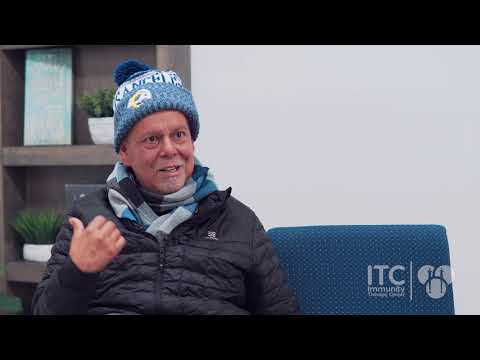
When Martin Ocegueda received a diagnosis of stage 4 pancreatic cancer, the news was more than a medical update; it was a profound shock to his system. Pancreatic cancer is often considered one of the most aggressive and difficult-to-treat malignancies in modern medicine, especially when it has reached the fourth stage. Faced with limited options in conventional oncology, Martin turned his gaze toward Mexico, specifically the Immunity Therapy Center (ITC) in Tijuana, searching for a path that offered not just survival, but quality of life. Watch this moving testimony to see how an integrated, optimistic approach to cancer care changed his life forever.
Video Chapters & Quick Navigation
Facing the Unthinkable: A Stage 4 Pancreatic Cancer Diagnosis
Martin Ocegueda, a resident of Temecula, California, describes the moment his life changed at [00:06]. Like many who are diagnosed with late-stage cancer, the physical symptoms were not the primary challenge initially; rather, it was the psychological weight of the prognosis. Stage 4 pancreatic cancer often implies that the disease has spread to distant organs, making surgical intervention difficult and standard chemotherapy often palliative rather than curative.
Martin reflects at [00:22] that he was in shock for quite some time. The processing of such news is a long road. Interestingly, he notes that he wasn't in physical pain when he first heard the news, which added to the surreal nature of the diagnosis. This underscores a dangerous reality of pancreatic cancer: it often remains silent until it has significantly progressed, making regular screening and body awareness vital for early detection.
The Search for Alternative Cancer Treatment in Mexico
Dissatisfied with the options presented by local oncologists in California, Martin and his family began investigating alternative cancer treatments in Mexico. Tijuana has become a global hub for medical tourism, specifically for patients seeking non-traditional or integrative oncology. Clinics in this region often utilize therapies that are not yet widely available or standardized in the United States, despite showing promise in international clinical trials.
Martin arrived at the Immunity Therapy Center (ITC) on October 17th [01:48]. His expectations were simple but profound: he wanted to feel better. Many patients choose ITC because they are looking for a customized treatment plan that focuses on boosting the immune system's natural ability to target cancer cells rather than solely relying on aggressive toxins that can leave a patient depleted.
Why Tijuana is a Leading Hub for Integrative Oncology
For decades, Tijuana has built a reputation for offering compassionate, patient-centered care. The regulatory environment in Mexico allows for the implementation of innovative cancer therapies—such as hyperthermia, high-dose vitamin C, and specific immunotherapies—that focus on metabolic health and immune modulation. For Martin, this represented a "second chance" that he felt was missing from the rigid protocols of conventional medicine.
Dr. Bautista and the Philosophy of Hope
A central figure in Martin's journey is Dr. Carlos Bautista, the founder of ITC. Martin shares his first impression of the doctor at [02:01]. What struck Martin most wasn't just Dr. Bautista’s clinical knowledge, but his unwavering optimism. In many Western hospitals, stage 4 patients are often met with "grim reality" talks that can inadvertently crush the patient's spirit.
At ITC, the approach is different. "He was very optimistic. He wasn't shocked about it," Martin recalls. This level of confidence from a lead physician can have a measurable impact on a patient’s stress levels and, consequently, their immune function. Hope is not just a feeling in the context of cancer recovery; it is a clinical necessity that allows the body to stay in a "rest and repair" state rather than a constant "fight or flight" mode.
The ITC Experience: Therapies Without the Trauma
One of the most significant differences Martin noticed during his time at the clinic was how his body responded to the treatments. Discussing the therapies at [02:24], he mentions that there was absolutely no pain involved. Standard chemotherapy and radiation are notorious for causing debilitating side effects, including nausea, extreme fatigue, and hair loss.
At ITC, the focus is on non-toxic cancer therapies. These can include:
- Intravenous Immunotherapy: Using the body's own defense mechanisms to identify and destroy malignant cells.
- Hyperthermia: Elevating the body temperature to weaken cancer cells and make them more susceptible to other treatments.
- Metabolic Support: Nutrition and supplementation designed to starve the cancer of the glucose it needs to thrive.
Within just one week of starting his program, Martin reported feeling significantly better [01:52]. This rapid improvement in energy and well-being is a common testimonial from ITC patients, who often feel "broken down" by the time they finish conventional treatments in the US.
A Medical Miracle: Results from the PET Scan
The turning point in Martin’s story comes at [03:05], where he shares his recent results. In December, he underwent a PET scan in the United States to measure the progress of his treatment. The results were nothing short of miraculous for a stage 4 diagnosis.
| Area of Concern | Initial Diagnosis | Results After ITC |
|---|---|---|
| Pancreas Mass | 3 cm Active Mass | Barely detectable; too small to measure. |
| Liver Lesions | 3 Significant Lesions | Completely Gone / Resolved. |
| Overall Health | Terminal Stage 4 Status | Significant clinical remission. |
Martin describes the emotional moment of reading these results with his daughter at [03:32]. His daughter had been his "rock" through the entire ordeal. The news that the three liver lesions were entirely gone and the primary 3cm mass in the pancreas was now unmeasurable sent the family into a state of joyous disbelief. "We were jumping up and down... praising God," Martin says at [04:40].
The Support Structure: Faith, Family, and Community
One aspect Martin highlights repeatedly is the environment at the Immunity Therapy Center. He speaks warmly of the entire staff—from the janitors to the kitchen team—at [02:12]. He describes them as "beautiful spirits." When treating a disease as heavy as cancer, the energy of the caregivers matters. Patients at ITC aren't just room numbers; they are part of a community fighting for life together.
Furthermore, Martin emphasizes the role of his faith and his daughter's support. He believes that the combination of advanced immunotherapy and spiritual strength created the foundation for his healing. For those considering this path, Martin’s story suggests that the mind-body connection is a powerful ally in the fight against late-stage cancer.
A Message for Those Hesitant About Mexico Cancer Treatment
It is natural for patients to feel hesitant about traveling to another country for medical care. Martin addresses this head-on at [05:01]. His advice is to "do your due diligence," but also to recognize that there are options that can help you without hurting you further. "Why not try that?" he asks, referring to treatments that don't break the body down.
He closes with a powerful reminder: "Don't lose hope. Once you lose hope, you're done." His story stands as a beacon for thousands of people currently battling pancreatic cancer, proving that a terminal diagnosis is not always the final word. By combining a positive environment, optimistic medical leadership, and innovative treatments, Martin Ocegueda didn't just fight cancer—he reclaimed his life.
Explore Your Path to Healing at ITC
Are you or a loved one seeking advanced, alternative options for cancer treatment? PlacidWay Medical Tourism connects you with world-class facilities like the Immunity Therapy Center in Tijuana.
GET A FREE CONSULTATIONView Full Video Transcript
00:06: My name is Martin Ocegueda. I'm from Temecula, California, and I was diagnosed with pancreatic cancer, stage four.
00:17: There was no pain when I heard the news. I must have been in shock for a bit. It takes me a while to process what's been presented, especially a thing like that. I knew I was going to be alright for some reason.
00:46: I didn't have any expectations; I was just hoping to feel better than I felt then. And I did. Within a week, I was already feeling good.
01:15: When I met Dr. Bautista, he was very optimistic. He wasn't shocked about it. He was very hopeful. Hope goes a long way. If someone shows you hope, you just get on that ride.
01:38: There was no pain involved in the treatments. Luckily, I haven't had pain throughout this. The treatments were easier on my body here because I didn't feel broken down afterward.
02:06: You guys are great. From the janitors to Mr. Bautista, everybody is top-notch. They seem to know you even if you haven't met them. Beautiful spirits.
02:38: Tijuana has been an experience. A different part of your day, a different lifestyle. It's been pleasant, especially getting good results.
03:05: In December, I had a PET scan in the US. A week later, I got the results. My doctor was away, so I picked them up and took them to my daughter's house. She's been my rock through this ordeal.
04:00: We read the results. The 3cm mass I had on the pancreas was barely detectable. It wasn't even measurable enough for them to put a measurement on it. And the lesions on the liver? Three of them... gone.
04:40: We were jumping up and down, praising God. I still couldn't believe it. I sent them to Dr. Rivera and he was so excited for me too.
05:01: Do your due diligence on your options. This stuff is working and it's not hurting you. Why not try that? Don't lose hope. Surround yourself with positive thinking people.
.png)









Share this listing