


Global Advancements in Regenerative Medicine: Insights from the Havana Stem Cell Conference
About this video: The landscape of modern healthcare is undergoing a paradigm shift, moving away from merely treating symptoms to actively repairing and regenerating damaged human tissues. At the heart of this medical revolution is regenerative medicine, a field that thrives on international collaboration and shared scientific breakthroughs. Recently, global experts gathered at a pivotal regenerative medicine conference in Havana, Cuba, to discuss the future of cellular therapies and tissue engineering.
This gathering represents a crucial milestone in global medical knowledge sharing. Featuring insights from renowned pioneers like Dr. Anthony Atala, alongside organizations like Regenestem, the conference highlighted the importance of breaking down geographical borders in the pursuit of medical innovation. By sharing cutting-edge research globally, these medical professionals are accelerating the development of accessible, life-saving stem cell treatments for patients worldwide.
Video Chapters & Quick Navigation
The field of regenerative medicine is not confined to the laboratories of a single nation. It is a highly collaborative, global endeavor that requires the brightest minds from various disciplines to come together, share data, and debate clinical methodologies. When world-renowned scientists gather at international summits, the entire medical community benefits from the accelerated pace of innovation.
The Significance of Global Regenerative Medicine Conferences
Scientific isolation is the enemy of medical progress. For decades, researchers working on complex cellular therapies often found themselves siloed by geographical and institutional boundaries. Today, international medical conferences serve as vital incubators for cross-pollination of ideas, allowing researchers to present peer-reviewed data, discuss clinical trial outcomes, and establish multinational partnerships.
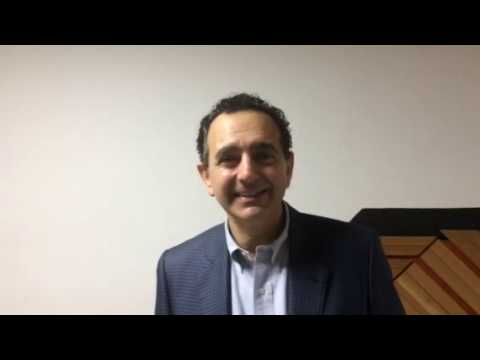
In the brief video excerpt, Dr. Anthony Atala expresses that [00:00] "it's been really a great pleasure to be at this conference here in Havana Cuba." This sentiment underscores a profound truth about modern science: physical gatherings remain an irreplaceable mechanism for building trust among global researchers. When experts meet face-to-face, they can discuss the nuanced successes and failures of stem cell therapies that rarely make it into formal medical journals.
Furthermore, these conferences help standardize global treatment protocols. Stem cell therapy is a rapidly evolving field, and without international consensus on best practices, patient safety can be compromised. Summits like the one in Havana allow regulatory bodies, clinicians, and biotech developers to align their standards, ensuring that patients receive safe, efficacious, and ethically sourced treatments regardless of where they are treated.
Fostering Innovation Through Cross-Border Dialogue
Innovation often happens at the intersection of different disciplines. At regenerative medicine conferences, tissue engineers, immunologists, orthopedic surgeons, and bioethicists share the same space. This multidisciplinary environment is essential for solving complex problems, such as preventing immune rejection in allogeneic stem cell transplants or scaling up the production of lab-grown organs.
When scientists from diverse backgrounds collaborate, they bring unique regional perspectives to universal healthcare challenges. A clinical approach developed in South America might hold the key to overcoming a laboratory bottleneck in Europe. This global synergy is the driving force behind the exponential growth of the regenerative medicine sector over the past decade.
Dr. Anthony Atala: A Pioneer in Tissue Engineering
Any discussion about the future of regenerative medicine must acknowledge the monumental contributions of Dr. Anthony Atala. As the Director of the Wake Forest Institute for Regenerative Medicine, Dr. Atala is globally recognized as a trailblazer in the fields of tissue engineering and 3D bioprinting. His work has shifted the paradigm from treating organ failure with traditional transplants to actively manufacturing biocompatible human tissues in the laboratory.
Dr. Atala's presence at the Havana conference highlights the high caliber of scientific exchange taking place. His laboratory was among the first in the world to successfully engineer laboratory-grown organs that were subsequently implanted into human patients. This groundbreaking achievement proved that the concept of regenerative medicine was not just science fiction, but a viable clinical reality capable of saving lives.
The Science of 3D Bioprinting
One of the most exciting areas of Dr. Atala's research involves 3D bioprinting. This technology utilizes precision robotics to deposit layers of living human cells, along with biocompatible scaffolding materials, to create complex three-dimensional tissue structures. The ultimate goal of this technology is to print solid, vascularized organs, such as kidneys and livers, on demand.
The implications of this technology are staggering. Currently, thousands of patients die every year while waiting for viable donor organs. By advancing 3D bioprinting and sharing this knowledge on international platforms, researchers are inching closer to a future where the organ shortage crisis is completely eradicated. Dr. Atala's commitment to disseminating his findings globally accelerates the timeline for these life-saving technologies to reach the general public.
Regenestem and the Vision for Accessible Cellular Therapies
The advancement of regenerative medicine relies not only on academic research but also on organizations dedicated to clinical application and physician training. Regenestem, mentioned prominently in the conference, is an international medical organization focused on expanding access to adult stem cell therapies. They operate at the crucial intersection of clinical practice, continuing medical education, and biotechnology development.
During the event, the collaboration with key figures is noted, as Dr. Atala mentions being there [00:06] "with rajendra stem [Regenestem] and Ricardo de Cubas and Kitty Karella." Ricardo de Cubas, the founder of Regenestem, has been instrumental in establishing a global network of clinics and training facilities. These facilities are designed to educate physicians on the latest, evidence-based protocols for harvesting, processing, and deploying autologous stem cells.
Standardizing Stem Cell Protocols Worldwide
One of the greatest challenges in the global stem cell market is the lack of standardized treatment protocols. Regenestem aims to bridge this gap by offering comprehensive certification programs for medical professionals. By hosting international conferences and training seminars, they ensure that a doctor practicing in Latin America is utilizing the same rigorous safety and efficacy standards as a doctor in North America.
This commitment to standardization is vital for patient safety and the long-term credibility of the regenerative medicine industry. When organizations facilitate the sharing of knowledge with international colleagues, as highlighted at [00:11] "to share our knowledge with our colleagues internationally," they help weed out unproven treatments and elevate the overall standard of care across the globe.
Key Pillars of Modern Stem Cell Treatments
To fully appreciate the gravity of international conferences, it is important to understand the complex science being discussed. Regenerative medicine encompasses a wide variety of cellular and biological therapies. The foundation of this field rests on the unique properties of stem cells, which possess the remarkable ability to differentiate into various specialized cell types and modulate the body's immune and inflammatory responses.
Not all stem cells are created equal. Researchers and clinicians must carefully select the appropriate cellular lineage based on the specific pathology being treated. The ongoing global dialogue helps refine these selection criteria, ensuring optimal patient outcomes.
Understanding Cellular Lineages
| Stem Cell Type | Primary Source | Primary Clinical Applications |
|---|---|---|
| Mesenchymal Stem Cells (MSCs) | Bone Marrow, Adipose Tissue (Fat), Umbilical Cord Tissue | Orthopedics, Autoimmune Disorders, Tissue Repair, Anti-inflammatory treatments. |
| Hematopoietic Stem Cells (HSCs) | Bone Marrow, Peripheral Blood, Umbilical Cord Blood | Leukemia, Lymphoma, Blood Disorders, Immune System Reset. |
| Induced Pluripotent Stem Cells (iPSCs) | Genetically reprogrammed adult somatic cells (e.g., skin cells) | Disease modeling, Drug testing, Advanced experimental tissue engineering. |
Conferences extensively debate the merits and limitations of these cellular types. For example, while MSCs are heavily favored in clinical practice today due to their potent anti-inflammatory properties and lack of ethical controversies, iPSCs represent the frontier of personalized medicine, offering the potential to create patient-specific organ replacements without the risk of immune rejection.
Cuba's Unique Position in the Biotechnology Landscape
Hosting a major regenerative medicine conference in Havana, Cuba, is highly significant. While Cuba is often recognized for its complex political history, it is less commonly known that the island nation possesses a robust and highly advanced biotechnology sector. For decades, Cuba has invested heavily in medical research, preventative care, and pharmaceutical development.
The Center for Genetic Engineering and Biotechnology (CIGB) in Havana is a testament to this commitment. Cuban scientists have developed innovative vaccines, cancer therapeutics, and treatments for diabetic foot ulcers that have garnered international acclaim. This strong foundational infrastructure makes Havana an ideal setting for high-level scientific discourse on cellular therapies.
The Intersection of Global Expertise
When international experts like Dr. Atala travel to Havana, it creates a unique opportunity to merge cutting-edge Western technological advancements with Cuba's profound expertise in immunology and population health. Cuban researchers bring valuable insights regarding the scalable production of biologics and the implementation of advanced therapies within a public health framework.
This bilateral exchange of information is exactly what drives the medical field forward. By looking beyond traditional geographic hubs of innovation—such as Silicon Valley or Boston—the global medical community can discover novel approaches to tissue engineering and cellular repair that might otherwise remain overlooked.
The Clinical Applications of Stem Cells: Beyond the Hype
The enthusiasm surrounding regenerative medicine is frequently accompanied by hype. It is the responsibility of the global scientific community, through rigorous peer review and international conferences, to separate scientifically validated treatments from unproven claims. The clinical applications of stem cells are expanding rapidly, but they must be grounded in solid empirical evidence.
Currently, one of the most successful applications of stem cell therapy is in the field of orthobiologics. Millions of patients suffer from degenerative joint diseases, such as osteoarthritis, which traditionally require invasive surgical interventions like total knee or hip replacements. Mesenchymal stem cells, when injected directly into the affected joint, can significantly reduce inflammation, alleviate pain, and in some cases, promote the regeneration of damaged cartilage.
Addressing Autoimmune and Degenerative Conditions
Beyond orthopedics, international researchers are making incredible strides in treating autoimmune disorders. Conditions like Multiple Sclerosis, Lupus, and Rheumatoid Arthritis occur when the body's immune system erroneously attacks healthy tissue. Stem cells possess powerful immunomodulatory properties, meaning they can effectively "reset" a malfunctioning immune system and halt the progression of these debilitating diseases.
Furthermore, the fields of neurology and cardiology are keenly focused on regenerative medicine. Clinical trials are currently underway to assess the efficacy of stem cells in repairing heart tissue following a myocardial infarction (heart attack) and in neuroprotective strategies for patients with Parkinson's or Alzheimer's disease. While these applications are largely experimental, the data shared at global summits brings them closer to routine clinical use every year.
Overcoming Global Regulatory Challenges
One of the most pressing topics discussed at international medical conferences is the complex web of global regulatory frameworks. The rules governing the extraction, processing, and application of human cells vary drastically from one country to another. In some regions, patients have rapid access to innovative cellular therapies, while in others, regulatory bottlenecks can delay treatments for a decade or more.
These discrepancies often lead to the phenomenon of medical tourism, where patients travel internationally to access life-saving treatments unavailable in their home countries. While this provides immediate hope for patients, it also underscores the urgent need for international regulatory harmonization. Conferences provide a neutral ground where policymakers from the FDA, EMA, and other global regulatory bodies can converse with scientists to draft sensible, safety-focused guidelines.
The Importance of Ethical Data Sharing
To convince regulatory bodies to approve new stem cell therapies, researchers must present massive amounts of clinical data demonstrating long-term safety and efficacy. No single institution can generate this volume of data alone. Ethical data sharing across international borders is paramount.
- Global Patient Registries: Creating centralized databases where international clinics can securely log patient outcomes and adverse events.
- Standardized Efficacy Metrics: Agreeing upon universal methods for measuring the success of a stem cell treatment, ensuring that data from a clinic in Havana is directly comparable to data from a clinic in London.
- Open-Source Biotech: Encouraging the publication of negative results, which prevents different laboratories worldwide from repeating the same expensive and time-consuming mistakes.
The Trajectory of Global Medical Knowledge Sharing
As we look to the horizon of healthcare, the importance of global interconnectedness cannot be overstated. The insights shared by leading figures like Dr. Anthony Atala at international summits are not merely academic exercises; they are the blueprints for the next generation of medical treatments. The transition from chemical pharmaceuticals to living, biological therapeutics is the most significant medical advancement of the 21st century.
The dedication of professionals to travel, collaborate, and openly share their findings ensures that the benefits of regenerative medicine will eventually reach all corners of the globe. By continuing to foster environments of transparent scientific exchange, the global medical community is laying the groundwork for a future where chronic disease, tissue degeneration, and organ failure are no longer definitive diagnoses, but highly treatable conditions.
Ultimately, the fusion of advanced tissue engineering, international clinical training networks, and collaborative regulatory strategies will unlock the full potential of the human body's innate ability to heal itself. This is the promise of regenerative medicine, and it is a promise that can only be fulfilled through relentless, borders-free scientific cooperation.
Ready to Explore Advanced Regenerative Medicine?
Discover how global innovations in stem cell therapy and cellular treatments can help you achieve optimal health and recovery. Connect with leading international clinics and pioneering specialists today.
DISCOVER CLINICS WORLDWIDEView Full Video Transcript
[00:00:00] it's been really a great pleasure to be at this conference here in Havana Cuba with rajendra stem and Ricardo
[00:00:06] the kuvasz and Kitty karela would have closer to be at this meeting and to share our knowledge with our
[00:00:11] colleagues internationally




.png)










Share this listing