


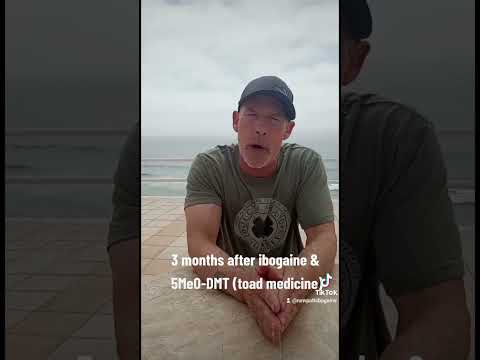
Bradley Montoya’s powerful testimonial regarding his struggle with an eight-year dependency highlights the life-changing potential of highly specialized clinical settings. Exploring profound ibogaine treatment for opiate addiction recovery offers a revolutionary path forward for individuals who have tried traditional detoxification without success.
For individuals facing the relentless, debilitating cycle of substance dependency, standard rehabilitation models often fall drastically short, leaving patients feeling hopeless. By integrating ancient plant medicines with modern medical protocols, specialized addiction recovery centers are helping patients bypass severe withdrawal symptoms and discover a renewed sense of purpose.
Video Chapters & Quick Navigation
The Relentless Cycle of Opiate Addiction
Substance dependency is a highly complex neurobiological condition that physically and psychologically rewires the human brain. Over time, the constant introduction of external opiates completely shuts down the brain's natural ability to produce dopamine and endorphins. This creates an environment where the individual is no longer using the substance to experience euphoria, but rather just to feel normal and stave off agonizing sickness.
As noted at [00:50] in the video, enduring eight years with an opiate in the system every single day creates a seemingly insurmountable physiological trap. The body becomes completely dependent on the chemical structure of the drug to perform basic daily functions. Traditional tapering methods using synthetic opioid replacements often merely substitute one addiction for another.
This prolonged exposure damages neural pathways and creates deep psychological scarring that traditional talk therapy struggles to penetrate while the physical addiction remains active. The fear of experiencing acute withdrawal symptoms keeps millions of people locked in this devastating cycle. Without a profound neurological reset, breaking free from this biochemical prison feels impossible for the vast majority of chronic users.
Breaking Chains: What is Ibogaine Therapy?
Extracted from the root bark of the Tabernanthe iboga plant native to West Central Africa, this powerful psychoactive alkaloid has gained tremendous international recognition for its unique addiction-interrupting properties. Holistic ibogaine treatment for opiate addiction works fundamentally differently than standard pharmaceutical interventions. Instead of binding to opiate receptors to satisfy a craving, it resets the receptors to their pre-addiction state.
During a medically supervised flood dose, the medicine actively targets multiple neurotransmitter systems simultaneously, particularly the serotonin and dopamine pathways. This process effectively eliminates up to ninety percent of physical opiate withdrawal symptoms within a matter of hours. The elimination of the debilitating acute withdrawal phase is what makes this plant medicine a revolutionary tool for drug detoxification.
Beyond the physical detoxification, the alkaloid induces a prolonged oneirophrenic, or dream-like, state that allows the patient to access deeply repressed subconscious memories. This introspective journey provides individuals with an objective, third-person perspective on the root traumas that initially drove their substance abuse. By addressing both the chemical dependency and the psychological trauma simultaneously, it offers a comprehensive pathway to holistic recovery.
Navigating the Tough Initial Phase
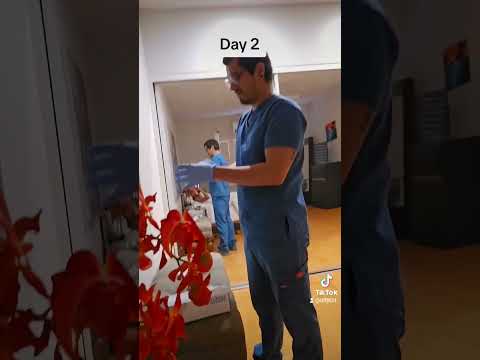
While the long-term results are often described as miraculous, it is crucial to understand that undergoing a medically supervised plant medicine retreat is not a magic pill that requires no effort. As highlighted at [00:06], the initial process can be physically and emotionally demanding. The body is undergoing a massive neurological rewiring, and the nervous system must process years of suppressed emotional weight in a very short period.
During the first 24 to 48 hours after administration, patients frequently experience ataxia, which is a temporary loss of muscle coordination, making movement difficult. Nausea, intense fatigue, and sensory sensitivity are also extremely common during the acute metabolic processing phase. The mind is flooded with rapid-fire visions and suppressed memories, which requires intense psychological endurance to navigate successfully.
Acknowledging the difficulty of these first few days is a vital part of setting realistic clinical expectations. However, moving through this transient discomfort is what allows the profound healing to take place on the other side. As the physical side effects dissipate, patients emerge from the acute phase with a clear mind, free from chemical cravings, and ready to begin the vital work of behavioral integration.
The Importance of Compassionate, Specialized Care
Because the physical and psychological toll of detoxification is so high, the environment in which the treatment occurs dictates the ultimate success of the protocol. High-end medical tourism for alternative addiction therapy emphasizes a delicate balance between strict hospital-grade medical monitoring and compassionate holistic care. An advanced clinical team continuously monitors electrocardiograms (EKGs), blood pressure, and oxygen saturation to ensure absolute physical safety.
Yet, medical safety is only one half of the equation; the emotional support provided by specialized clinic staff is equally critical. Around [00:26], it becomes clear how much staff intervention matters when patients feel too exhausted to push forward. Compassionate nurses and recovery coaches actively encourage patients to engage in mild physical activity, which stimulates blood flow and significantly accelerates the somatic healing process.
A sterile, cold hospital environment can often trigger anxiety and exacerbate feelings of isolation during a deeply vulnerable psychedelic experience. Conversely, recovery environments that integrate nature, ocean elements, and comfortable residential settings naturally regulate the nervous system. When patients feel genuinely cared for and physically safe, they can fully surrender to the introspective nature of the medicine, maximizing its therapeutic efficacy.
The Synergy of Ibogaine and DMT Therapy
While clearing the physical opiate dependency is the primary goal, addressing the spiritual and existential void left behind by addiction requires additional therapeutic intervention. This is where combining DMT therapy with ibogaine treatment creates an unparalleled holistic synergy. Often administered a few days after the initial physical detox, DMT acts as a powerful catalyst for profound spiritual awakening and emotional release.
As mentioned at [01:05], facing a potent psychedelic like DMT can initially induce nervousness, especially when integrating traditional shamanic practices. However, this ancient medicine facilitates an experience of complete ego dissolution, temporarily separating the individual from their entrenched negative self-beliefs. This profound cosmic perspective shift helps patients realize that their identity is not permanently defined by their history of substance abuse.
If the first phase of treatment physically resets the brain, the DMT ceremony psychologically "seals the deal" by answering the deep-seated questions of *why* the addiction started in the first place. This dual-protocol approach breaks down the residual walls of trauma, replacing feelings of shame and guilt with radical self-acceptance. It leaves the patient with a profound clarity that is essential for long-term sobriety maintenance.
Cold Turkey vs. Plant Medicine Detoxification
Attempting to overcome severe opioid dependency through unassisted abstinence is notoriously dangerous and possesses an incredibly low success rate. At [00:11], the visceral difference between enduring a brutal "cold turkey" detox and a medically supported plant medicine intervention is brought to light. Unassisted withdrawal forces the nervous system into absolute shock, resulting in excruciating bone pain, severe gastrointestinal distress, and dangerous cardiovascular spikes.
Furthermore, traditional abstinence models do nothing to address the immediate neurochemical imbalance, leaving patients to suffer through months of Post-Acute Withdrawal Syndrome (PAWS). This extended period of anhedonia, severe depression, and relentless drug cravings is the primary trigger for relapse among recovering addicts. Below is a comparative breakdown of how standard detoxification methods differ from advanced psychedelic therapy interventions.
| Treatment Modality | Physical Withdrawal Severity | Psychological Trauma Resolution | Post-Acute Withdrawal (PAWS) |
|---|---|---|---|
| Unassisted "Cold Turkey" | Extreme / Dangerous shock to the nervous system. | None. The mind remains trapped in the addiction loop. | Severe and prolonged, often lasting 6 to 18 months. |
| Medication-Assisted (Suboxone/Methadone) | Moderate. Symptoms are managed through opioid substitution. | Minimal. Requires separate, long-term cognitive behavioral therapy. | Delayed. The patient must eventually taper off the secondary medication. |
| Specialized Ibogaine Therapy | Minimal. The alkaloid blocks receptors and mitigates acute distress. | Profound. Forces a deep, introspective review of root emotional pain. | Dramatically reduced. The brain's dopamine pathways are rapidly reset. |
Awakening to a New Neuroplastic Life
The true success of any holistic addiction protocol is not just measured by the absence of drugs, but by the presence of a renewed vitality and zest for living. By around [00:55] in the therapeutic timeline, the heavy fog of chemical dependency lifts, revealing an individual who genuinely feels alive and motivated to conquer life. This dramatic emotional shift is rooted in the science of induced neuroplasticity.
Plant medicines create a unique, temporary window of heightened neuroplasticity in the brain following the acute treatment phase. During this crucial period, the brain is highly adaptable, allowing the individual to rapidly build new, healthy habits and dismantle destructive behavioral patterns. The intense cravings that previously hijacked their decision-making processes are silenced, providing a blank slate for profound personal development.
Maximizing this neuroplastic window requires comprehensive aftercare and ongoing integration coaching. Returning home with a newfound perspective is incredibly empowering, but maintaining that clarity demands structural life changes, healthier coping mechanisms, and continued community support. When properly integrated, this powerful neurological reset serves as the ultimate catalyst for permanent, life-long sobriety.
Taking the Next Step Toward Holistic Recovery
Choosing to pursue alternative addiction treatments abroad is a significant decision that requires meticulous research and careful planning. Because these advanced clinical therapies are strictly regulated, finding a fully licensed, medically supervised plant medicine retreat is the absolute highest priority. Patients must ensure that their chosen facility adheres to rigorous international healthcare standards and comprehensive safety protocols.
When evaluating potential international clinics for complex substance detoxifications, individuals should look for specific, non-negotiable medical qualifications. The highest-tier centers seamlessly combine indigenous healing wisdom with advanced Western medical technology. Consider the following crucial elements when preparing for your transformative recovery journey:
- Comprehensive Cardiac Screening: Mandatory pre-treatment EKGs and liver panel blood work to ensure you are a safe, viable candidate for psychoactive alkaloid administration.
- Advanced Life Support (ACLS) Certification: An on-site medical doctor and registered nurses who are fully certified in emergency cardiovascular care and available 24/7.
- Multi-Disciplinary Therapeutic Staff: A balanced team that includes experienced medical professionals, specialized psychotherapists, and traditional medicine facilitators to guide the spiritual journey.
- Structured Integration Programs: Dedicated post-treatment coaching to help translate the profound visions and psychological breakthroughs into actionable, daily habits upon returning home.
- Transparent Success Metrics: Willingness to provide verifiable testimonials and connect prospective clients with clinic alumni who have successfully achieved long-term sobriety.
Ready to Break Free and Reclaim Your Life?
Don't let substance dependency define your future. PlacidWay Medical Tourism connects you with fully vetted, world-class specialized addiction clinics globally, offering highly monitored, holistic plant medicine therapies. Take the first step toward permanent healing today.
GET A FREE, CONFIDENTIAL QUOTE







.png)
.png)
.png)








Share this listing