


Recovering from severe burns is one of the most grueling medical journeys a patient can endure, often leaving behind physical limitations and deep emotional trauma. For decades, patients suffering from third-degree burns have been limited to traditional skin grafts and painful laser scar removal procedures. These conventional methods often fall short, leaving patients with highly sensitive, raised, and discolored hypertrophic scars.
Today, a revolutionary approach is changing the landscape of burn recovery. Advanced regenerative medicine, specifically mesenchymal stem cell therapy for burn scars, is offering unprecedented hope. By leveraging the body's cellular healing mechanisms, top-tier institutions like Cellstime Clinique and the Lcells Foundation are flattening severe scars and restoring skin elasticity. Watch Perla Nayeli's incredible journey at [00:04] to see how this cutting-edge science is transforming lives and reshaping the future of dermatology.
Video Chapters & Quick Navigation
Understanding Third-Degree Burns and Complex Scarring
When the human body encounters extreme thermal trauma, the skin's natural defense mechanisms are immediately overwhelmed. Third-degree burns, also known as full-thickness burns, are categorized by their complete destruction of both the epidermis and the underlying dermis. As Perla explains at [00:06], her recovery from these severe wounds was agonizingly slow and complicated.
Because the deepest layers of skin are obliterated, the body cannot regenerate new tissue in the normal way. Instead of smooth, pliable skin, the body aggressively produces rigid collagen fibers in a frantic attempt to close the wound. This biological panic response is what ultimately leads to the formation of dense, elevated, and unyielding hypertrophic scars.
For patients seeking the best regenerative medicine clinics for severe burns, understanding this underlying pathology is crucial. The structural integrity of a third-degree burn scar lacks essential components like sweat glands, hair follicles, and vital sensory nerves. Consequently, these areas remain perpetually dry, highly prone to secondary tearing, and overwhelmingly sensitive to environmental friction.
The Grueling Reality of Traditional Skin Grafts
In acute hospital settings, the immediate medical priority is preventing systemic infection and fatal fluid loss. To achieve this, surgeons rely heavily on split-thickness and full-thickness skin grafts. Perla vividly recalls this traumatic phase at [00:10], noting she spent three exhaustive months hospitalized while doctors repeatedly operated on her arms to secure these necessary grafts.
While skin grafting is undoubtedly a life-saving procedure, it is notoriously imperfect when it comes to long-term aesthetic and functional outcomes. The procedure involves harvesting healthy skin from a donor site on the patient's own body, which effectively creates an entirely new, painful wound. As the grafted skin attempts to integrate with the burned tissue, the borders often contract violently.
This aggressive contraction is exactly what Perla experienced at [00:15], explaining how the medical interventions caused her scars to expand and grow irregularly. These overgrown scars are not merely a cosmetic burden; they restrict mobility, cause chronic physical discomfort, and act as a constant visual reminder of the initial trauma.
Why Traditional Laser Scar Removal Falls Short for Severe Burns
Once a burn patient survives the critical acute phase, the focus inevitably shifts toward scar management. For years, the gold standard in cosmetic dermatology has been laser resurfacing. Many patients automatically assume that high-powered ablative lasers are the guaranteed solution for flattening hypertrophic burn scars naturally.
However, the reality for third-degree burn survivors is vastly more complicated. Burned skin is fundamentally altered at a cellular level; it is exceptionally fragile, prone to severe inflammation, and highly reactive to external heat sources. When Perla sought help at [00:30], a specialized laser doctor delivered a harsh but honest warning.
The physician explicitly cautioned that using intense laser heat on her specific graft sites would likely cause paradoxical worsening. Instead of breaking down the scar tissue, the thermal energy from the laser could trigger further inflammation, effectively making her delicate scars much worse and more prominent. This stark limitation of traditional dermatology highlights why finding safe alternatives to laser scar removal for sensitive skin is an urgent medical necessity.
Enter Regenerative Medicine: The Science of Stem Cell Therapy
When conventional medicine reaches its limits, advanced biotechnology steps in. Regenerative medicine represents a massive paradigm shift in how we approach incurable tissue damage. At the forefront of this medical revolution is mesenchymal stem cell therapy for third degree burn recovery, a treatment modality that focuses on genuine tissue repair rather than superficial cosmetic masking.
Unlike surgical excisions or burning laser treatments, stem cell therapy utilizes the body's fundamental biological building blocks. Mesenchymal stem cells (MSCs) are multipotent cells capable of differentiating into various cell types, including the precise fibroblasts and keratinocytes required for healthy skin formation. When introduced into heavily scarred environments, these cells act as intelligent biological directors.
The Lcells Foundation recognized this incredible potential and accepted Perla's complex case at [00:38]. By utilizing high-grade stem cell formulations, clinicians can target the rigid collagen structures of the burn scar, breaking down the stiff fibers while simultaneously promoting the growth of soft, healthy, and vascularized new tissue.
Perla’s Healing Journey at Cellstime Clinique and Lcells Foundation
Embarking on a regenerative medicine protocol is not a quick overnight fix; it requires dedication, medical precision, and patience. Perla's transformative journey officially began when she underwent her comprehensive initial medical evaluation at [00:50]. The specialists carefully mapped her scar density to determine her exact biological suitability for the procedure.
The Customized Treatment Protocol
After being approved as an ideal candidate, the medical team presented a structured, long-term healing blueprint. At [00:57], Perla details that her initial therapeutic timeline was set for eight rigorous months. This duration is clinically significant, as stem cell integration, tissue remodeling, and cellular turnover operate on a deeply biological schedule that cannot be artificially rushed.
The Role of Lcells Biotechnology
The driving force behind this advanced treatment is the Lcells Foundation and Cellstime Clinique. These organizations specialize in isolating, culturing, and deploying highly viable stem cells and exosomes. Their state-of-the-art laboratory protocols ensure that every patient receives a sterile, potent, and highly bioactive cellular product tailored to their specific dermatological needs.
| Treatment Approach | Mechanism of Action | Impact on Sensitive Burn Scars |
|---|---|---|
| Traditional Skin Grafts | Transplants skin from a donor site to the wound. | Saves lives but often results in tight, irregular, and raised hypertrophic scarring. |
| Ablative Laser Therapy | Uses thermal energy to burn away top layers of scar tissue. | High risk of paradoxical worsening; heat can severely damage already fragile skin. |
| Mesenchymal Stem Cells | Modulates immunity, reduces inflammation, remodels collagen. | Highly safe. Flattens scars, improves natural coloration, and restores skin pliability. |
The Patient Experience: Managing Pain and Sensitivity
A common apprehension among severe burn survivors is the fear of enduring even more physical agony. Burn victims live with chronically hyper-sensitized nervous systems, meaning treatments that might cause mild discomfort in a healthy individual can feel excruciating to them. Addressing this hypersensitivity is a primary focus for top-tier regenerative clinics.
At [01:05], Perla openly admits that while there is some pain associated with the cellular micro-injections, the sheer humanity of the medical staff makes all the difference. The clinicians at Cellstime Clinique employ advanced pain management protocols tailored specifically for burn patients. They constantly monitor her comfort levels and immediately adjust their techniques to mitigate any spikes in pain.
This profound level of empathetic care goes beyond standard bedside manner. Because her skin is exceptionally delicate, the doctors utilize microscopic delivery mechanisms that distribute the stem cell serum precisely where it is needed, minimizing unnecessary tissue trauma. This compassionate approach ensures that the path to recovery is physically tolerable and emotionally supportive.
Measuring Clinical Success: Visible Improvements in Burn Scars
The ultimate metric of any advanced dermatological therapy lies in its visible, undeniable results. For patients investing in stem cell therapy for burn scars cost, the expectation is a tangible reduction in scar severity. Regenerative medicine excels in this area by targeting the scar from the inside out, rather than just polishing the surface.
The visible transformations Perla has experienced are medically profound. At [01:32], she happily reports that her once raised and aggressive scars are now significantly less swollen and noticeably flatter. The stem cells have actively halted the overproduction of abnormal collagen, allowing the tissue to relax and integrate more naturally with her surrounding healthy skin.
Furthermore, the persistent red and purple hues typical of heavy grafting have begun to fade. As highlighted at [01:39], the overall coloration of her arms has vastly improved. This indicates that the stem cells are successfully promoting angiogenesis—the formation of new, healthy blood vessels—which restores normal blood flow and natural skin tone to the damaged areas. By her own estimation at [01:47], she has already achieved a staggering 45% overall improvement, a milestone rarely seen with conventional methods.
The Psychological Impact: Restoring Inner Confidence
While the clinical data and physical flattening of scars are critical, the psychological healing provided by regenerative medicine is equally vital. Severe burns strip away more than just skin; they often devastate a patient's self-esteem, leading to social withdrawal, chronic anxiety, and severe body image dysmorphia. Healing the mind is intrinsically linked to healing the body.
The emotional shift in Perla's demeanor is the most powerful testament to the efficacy of the Lcells Foundation's work. At [01:24], she expresses a profound sense of happiness and relief. Seeing genuine, fast-paced results in the mirror has broken the cycle of despair that often accompanies long-term scar management.
Regaining bodily autonomy and feeling physically comfortable in one's own skin is a priceless victory. She notes at [01:54] that the foundation is quite literally changing her world. This renewed self-confidence allows patients to stop hiding their scars beneath long sleeves and start re-engaging with their lives fully, demonstrating the holistic power of stem cell therapy.
Comprehensive Burn Care: The Medical Tourism Advantage
As the demand for high-quality regenerative medicine grows, many patients find themselves geographically restricted by the slow regulatory approvals of their home countries. In the United States and Canada, comprehensive stem cell therapies for severe burn recovery can be prohibitively expensive or entirely inaccessible. This reality is driving a massive surge in specialized medical tourism.
Clinics operating under strict ethical and clinical guidelines, like Cellstime Clinique, offer international patients a beacon of hope. They provide access to highly concentrated, ethically sourced mesenchymal stem cells in modern, luxurious medical facilities. Patients are no longer forced to accept the permanent disfigurement of traditional skin graft recovery treatments.
- Advanced Laboratory Protocols: Ensuring the highest viability and safety of the cellular products used in every session.
- Cost-Effective Excellence: Accessing cutting-edge therapies at a fraction of the cost found in traditional Western healthcare systems.
- Multidisciplinary Support: Combining cellular therapy with advanced pain management and psychological counseling for a complete recovery.
Preparing for Your Advanced Regenerative Treatment Journey
Making the decision to pursue stem cell therapy for burn scars is the first critical step toward reclaiming your skin and your life. If you have been told by local doctors that nothing more can be done, or if you have been warned away from traditional laser therapies due to skin sensitivity, it is time to explore the vast potential of regenerative medicine.
Proper preparation begins with a comprehensive virtual consultation. Specialized medical tourism facilitators can connect you directly with the leading scientists and physicians at institutions like the Lcells Foundation. During this phase, doctors will meticulously review your medical history, analyze the current state of your skin grafts, and determine if you are a viable candidate for this life-changing procedure.
Your journey out of the shadow of severe burn trauma is entirely possible. By embracing the proven science of mesenchymal stem cells, you can finally achieve the softer, flatter, and more natural-looking skin you deserve. The power to heal is already written in your biology; it just needs the right scientific key to unlock it.
Ready to Transform Your Scars with Stem Cell Therapy?
PlacidWay connects you directly with world-renowned regenerative medicine centers like Cellstime Clinique. Stop settling for the pain and limitations of traditional scar treatments. Let us help you coordinate a customized, safe, and highly effective stem cell healing journey today.
GET YOUR FREE MEDICAL EVALUATION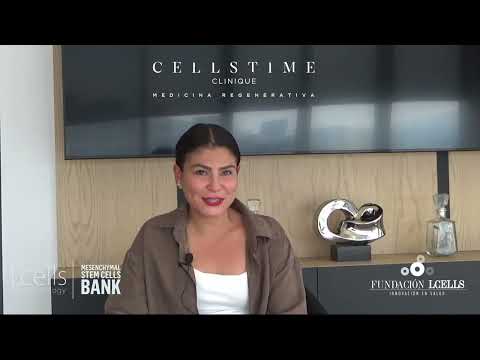















Share this listing