


Living with progressive lung conditions often feels like a constant, exhausting battle for a simple breath of air. For decades, patients diagnosed with severe respiratory scarring have been told that their condition is a one-way street, with conventional medicine offering only ways to manage the decline rather than reverse it.
Today, regenerative medicine is changing that narrative. [00:03] Watch this vital presentation to explore how umbilical cord-derived mesenchymal stem cells (UC-MSCs) might offer unprecedented new hope for patients battling pulmonary fibrosis. Discover how these advanced therapies work to halt harmful scarring, reduce chronic inflammation, and potentially regenerate damaged lung tissue.
Understanding Pulmonary Fibrosis: The Challenge of Progressive Lung Disease
To fully grasp the revolutionary nature of regenerative medicine, we must first understand the devastating pathology of the disease it aims to treat. [00:10] Pulmonary fibrosis is officially classified as a progressive lung disease, meaning that without intervention, the condition will continually worsen over time. It is a highly debilitating condition that silently robs patients of their respiratory independence.
The disease is fundamentally characterized by deep, permanent scarring within the lung tissue. [00:14] This severe scarring physically alters the architecture of the respiratory system, making the simple act of breathing incredibly difficult and labored. Healthy lung tissue is naturally spongy, highly elastic, and highly efficient at expanding and contracting with every breath you take.
The Physiological Impact of Stiffened Lungs
When pulmonary fibrosis takes hold, the delicate air sacs (alveoli) and the supportive tissue surrounding them (the interstitium) become damaged. [00:20] As the body attempts to heal this unknown damage, it overproduces collagen, leading directly to stiff, heavily scarred lungs. Because this fibrotic tissue is rigid and unyielding, the lungs physically struggle to expand fully, drastically reducing lung volume.
More importantly, this thick scar tissue forms a highly impenetrable barrier. [00:24] As a result, the damaged lungs struggle to exchange oxygen effectively into the bloodstream. Patients often experience chronic fatigue, a persistent dry cough, and a terrifying sensation of breathlessness even during minor physical exertion, such as walking up a single flight of stairs.
The Limitations of Conventional Medical Care
For years, the standard of care for progressive pulmonary fibrosis has been heavily reliant on pharmaceutical interventions. Physicians typically prescribe powerful immunosuppressants, corticosteroids, and targeted anti-fibrotic medications like pirfenidone or nintedanib. [00:27] While these current treatments may successfully slow the progression of the disease, they have a glaring limitation.
Traditional medications are strictly preventative in their scope. [00:30] Unfortunately, they absolutely cannot reverse the existing lung damage that has already occurred. This leaves patients dealing with permanent respiratory deficits and managing a host of severe gastrointestinal and systemic side effects from the medications themselves. This stark limitation highlights exactly why the medical community is urgently looking toward regenerative therapies.
What Are Umbilical Cord-Derived Mesenchymal Stem Cells (UC-MSCs)?
To understand the future of respiratory treatment, we must look at the building blocks of biological repair. [00:05] The central focus of today's most promising regenerative research revolves around umbilical cord-derived mesenchymal stem cells, commonly abbreviated by scientists and clinicians as UC-MSCs. These are not just ordinary cells; they are the master coordinators of the body's natural healing responses.
Mesenchymal stem cells are multipotent stromal cells that have the extraordinary ability to differentiate into a variety of cell types, including osteoblasts (bone cells), chondrocytes (cartilage cells), and adipocytes (fat cells). However, in the context of treating high-level systemic diseases, it is not their ability to become other cells that is most valuable. Instead, it is their powerful role as "cellular paramedics" that makes them so critical to modern medicine.
The Ethical and Biological Advantages of Wharton's Jelly
There are many sources of stem cells in the human body, including bone marrow and adipose (fat) tissue. However, UC-MSCs are ethically sourced from the Wharton's Jelly found within the umbilical cord of healthy, full-term, live births. This tissue is typically discarded as medical waste, making the collection process entirely non-invasive, pain-free, and ethically sound without any controversy.
Biologically, umbilical cord-derived mesenchymal stem cells are considered "Day Zero" cells. Because they are so young and untouched by environmental toxins, aging, or systemic disease, they possess a much higher proliferation rate than adult stem cells. Furthermore, UC-MSCs are highly immunoprivileged. This means they lack the specific surface markers that normally trigger a rejection response from a patient's immune system, allowing them to be safely administered to anyone without the need for matching blood or tissue types.
The Mechanism of Repair: How UC-MSCs Combat Lung Scarring
The true magic of regenerative medicine lies in the microscopic actions that take place once these cells enter the body. [00:33] Clinical data shows that UC-MSCs may help patients through a highly complex, multi-faceted approach. Their primary goal is not just symptom management, but fundamentally altering the highly destructive internal environment of a fibrotic lung.
One of their most crucial functions is actively reducing profound inflammation within the respiratory system. [00:36] By calming the hyperactive immune responses that constantly attack healthy lung tissue, stem cells help stabilize the disease environment. Following this anti-inflammatory action, they actively work toward preventing any further scarring from taking hold in the delicate alveolar spaces.
But the ultimate goal of regenerative medicine goes beyond stopping disease progression. [00:39] By interacting directly with damaged cells, UC-MSCs are essential for actively promoting complex tissue repair. They create a highly supportive microenvironment that encourages the body's own native lung progenitor cells to wake up and begin the arduous process of rebuilding healthy, functional respiratory tissue.
The Power of Paracrine Signaling and Growth Factors
Stem cells achieve these miraculous tasks through a process known as the paracrine effect. [00:41] Essentially, these therapeutic cells release a highly concentrated payload of beneficial growth factors directly into the surrounding tissue. These specialized proteins act as chemical messengers, instructing damaged cells to survive, instructing immune cells to calm down, and signaling blood vessels to repair themselves.
Through the release of these potent growth factors, UC-MSCs successfully rebalance the entire immune system. [00:44] In pulmonary fibrosis, the immune system is often caught in a runaway feedback loop of injury and improper healing. By shifting macrophages from a pro-inflammatory state to an anti-inflammatory state, stem cells cut off the fuel supply that drives the continued progression of fibrotic lung disease.
Cellular Level Benefits: Modulating Fibroblasts and Oxidative Stress
To truly appreciate the value of umbilical cord-derived mesenchymal stem cells for lung disease, we must examine their highly targeted actions against the very cells responsible for scarring. [00:46] One of their most vital mechanisms is the ability to specifically inhibit harmful fibroblast activity within the lung interstitium.
Fibroblasts are connective tissue cells that normally help heal wounds. However, in pulmonary fibrosis, they mutate into myofibroblasts and relentlessly deposit thick collagen into the lungs. By stopping these rogue cells, UC-MSCs halt the physical construction of scar tissue. [00:48] This vital inhibition is what paves the way to actually encourage the natural regeneration of healthy, elastic lung tissue.
Specific Molecular Actions of UC-MSCs
Researchers have documented several highly specific molecular pathways that stem cells utilize to rescue failing respiratory systems. [00:52] Specifically, when you observe the action of UC-MSCs under laboratory and clinical conditions, they consistently demonstrate the ability to significantly lower the presence of pro-inflammatory molecules (cytokines) that ravage the lungs.
By drastically altering the chemical landscape of the respiratory system, these cells visibly reduce existing fibrotic scarring. [00:57] Furthermore, they actively stimulate new blood vessel growth (a process medically known as angiogenesis). [00:59] This crucial neovascularization ensures that damaged areas of the lung receive the increased oxygen and critical nutrients required for profound cellular healing.
Finally, pulmonary fibrosis creates a highly toxic local environment filled with free radicals. [01:02] Stem cells secrete powerful antioxidants that protect the surviving native lung cells from severe oxidative stress. This protective mechanism ensures that the healthy tissue you still possess remains safeguarded against the ongoing biological storm caused by the underlying disease.
| Mechanism of Action | Impact on Pulmonary Fibrosis | Patient Benefit |
|---|---|---|
| Immunomodulation | Lowers pro-inflammatory cytokines and rebalances T-cell and macrophage activity. | Reduces chronic lung inflammation and slows disease progression. |
| Fibroblast Inhibition | Stops fibroblasts from transforming into collagen-depositing myofibroblasts. | Prevents new thick scar tissue from forming in the alveolar spaces. |
| Angiogenesis (VEGF release) | Stimulates the creation of new, healthy capillary networks in damaged tissue. | Improves local blood flow, aiding in cellular repair and nutrient delivery. |
| Anti-Apoptotic Effects | Protects native lung epithelial cells from premature death due to oxidative stress. | Preserves existing healthy lung function and maintains current lung volume. |
Targeted Delivery Methods: Administering Stem Cells to the Lungs
The success of regenerative medicine is heavily dependent on how effectively the cellular therapy can be delivered to the site of injury. [01:06] Fortunately, when it comes to respiratory diseases, the anatomical pathways of the human body naturally favor targeted lung delivery. These potent stem cells are most commonly administered to patients through a standard intravenous (IV) infusion.
In many fields of medicine, the "pulmonary first-pass effect" is viewed as a hurdle, because blood returning to the heart is immediately pumped straight through the lungs before reaching the rest of the body. [01:11] However, for patients treating pulmonary fibrosis, this physiological trait is incredibly advantageous, allowing millions of therapeutic cells to physically reach and become trapped in the pulmonary capillary beds directly where they are needed most.
Exploring Nebulized Inhalation Therapies
While intravenous delivery remains the gold standard for high-dose systemic cellular therapy, medical researchers are constantly innovating new methods for improved efficacy. [01:14] Some cutting-edge clinical studies also investigate the highly targeted benefits of inhalation delivery, often utilizing specialized medical nebulizers to aerosolize the stem cells or their derived exosomes.
This specialized respiratory technique is designed to specifically target the deepest structures of the lungs in a highly localized manner. [01:17] By inhaling the therapeutic biologic agents directly into the airway, patients can bathe the inflamed alveolar tissues and heavily scarred bronchial pathways in a concentrated mist of anti-inflammatory and regenerative growth factors, providing immediate topical therapy to the damaged respiratory mucosa.
Clinical Trials and Outcomes: The Efficacy of Regenerative Lung Therapies
The transition from theoretical science to tangible patient outcomes is marked by rigorous clinical observation. [01:20] Fortunately, early scientific research and multiple phase 1 and phase 2 clinical trials are beginning to paint a highly optimistic picture for respiratory patients worldwide. The data generated by these global studies strongly suggest that targeted UC-MSC therapy may offer unprecedented measurable benefits.
One of the most heavily monitored metrics in these studies is Forced Vital Capacity (FVC), which measures how much air a patient can forcibly exhale. Data suggests these therapies may significantly improve overall lung function and halt the rapid decline typically seen in severe IPF patients. [01:27] High-Resolution Computed Tomography (HRCT) scans of trial participants frequently demonstrate a visible ability to reduce objective fibrosis markers and stabilize honeycombing within the lung architecture.
Transforming the Patient's Daily Quality of Life
While stopping cellular degradation is the primary goal of the physician, the ultimate goal of the patient is reclaiming their life. [01:29] Beyond the clinical imaging and spirometry metrics, regenerative medicine consistently demonstrates the profound ability to greatly enhance a patient's daily quality of life. Patients frequently report increased exercise tolerance, reduced reliance on supplemental oxygen, and a drastic reduction in chronic fatigue.
Furthermore, these life-changing improvements are typically achieved with an exceptional safety profile. [01:32] Across extensive clinical evaluations, umbilical cord-derived stem cell infusions are generally well-tolerated, providing deep systemic healing all with minimal adverse side effects, especially when compared to the highly toxic nature of prolonged high-dose corticosteroid usage or traditional anti-fibrotic pharmaceuticals.
The Future of Respiratory Care: Integrating Stem Cells into Treatment Plans
We are standing on the precipice of a massive paradigm shift in how we approach chronic, irreversible diseases. [01:35] While it is critical to acknowledge that these advanced biologics are still considered highly experimental in many western regulatory jurisdictions, the overwhelming momentum of the clinical data cannot be ignored. The medical community is rapidly recognizing the profound value of targeted regenerative medicine.
As global research expands and more standardized dosing protocols are established, [01:39] UC-MSC stem cell therapy may very well become a highly integrated, foundational component of future standard treatment plans for pulmonary fibrosis. Rather than a treatment of last resort, early intervention with cellular therapy could soon become the primary strategy to preserve vital lung capacity before severe scarring occurs.
This powerful shift from pure symptom management to profound cellular healing is what makes this field so exciting. [01:42] By actively treating the root biological dysfunction rather than just the resulting symptoms, stem cells are potentially offering a highly viable, long-term regenerative alternative to the harsh limitations and inevitable failures of standard conventional treatment options.
Navigating the Landscape of Experimental Regenerative Medicine
For patients who feel they have exhausted all standard avenues of respiratory care, exploring medical tourism and international regenerative clinics can offer incredible hope. However, it requires careful navigation. As explicitly stated in clinical disclaimers, these highly advanced stem cell therapies are still classified as experimental and may not be the optimal, suitable choice for absolutely everyone.
It is absolutely imperative to approach regenerative medicine with a well-informed, highly analytical mindset. Patients must prioritize clinics that utilize strict, internationally recognized laboratory standards, third-party cellular viability testing, and transparent clinical reporting. You should always ensure that the facility sources their Wharton’s Jelly MSCs from rigorously screened, ethically sound tissue banks.
Finally, open communication with your primary healthcare team is essential. Please ensure you always consult a highly qualified, board-certified pulmonologist or healthcare professional before making any significant changes to your medical regimen or before considering flying abroad to pursue any experimental regenerative treatment for a severe progressive lung disease.
Ready to Explore Stem Cell Therapy for Pulmonary Fibrosis?
Don't let progressive lung disease dictate your future. PlacidWay Medical Tourism connects you with world-class, fully vetted international medical centers specializing in cutting-edge umbilical cord-derived mesenchymal stem cell therapies. Discover your options for restorative respiratory care today.
GET A FREE EVALUATION & QUOTE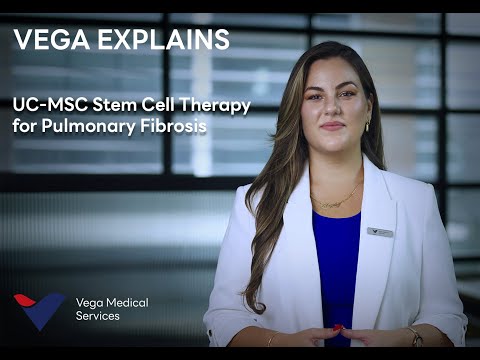

















Share this listing