


Are you or a loved one struggling with degenerative vision loss and seeking new alternatives beyond traditional medicine? Navigating the complexities of ocular health can be overwhelmingly difficult, especially when faced with chronic conditions that standard pharmacological treatments simply cannot cure. Today, stem cell therapy for eye conditions is emerging as a groundbreaking approach in the rapidly expanding field of regenerative medicine. This highly innovative therapy offers unprecedented hope for patients globally who are dealing with severe, progressive vision impairment and the fear of losing their independence.
By actively harnessing the body's natural cellular healing mechanisms, stem cell treatment for vision loss aims to comprehensively repair and regenerate damaged ocular tissues rather than merely managing the daily symptoms. From replacing degraded retinal layers to fortifying the optic nerve against devastating pressure spikes, biological therapies are setting a new standard for ophthalmological care. In this detailed, medically focused guide, we will delve deeply into how these advanced cellular interventions are systematically reshaping the entire future of eye care and offering the tangible potential to restore functional sight.
Video Chapters & Quick Navigation
The Limitations of Ocular Healing in the Human Body
The human eye is an incredibly complex, neurologically dense organ responsible for processing vast amounts of visual information every single second of our waking lives. However, despite its magnificent biological sophistication, it possesses a notoriously limited ability to heal itself once severe cellular damage occurs. [00:11] The eye has limited ability to heal itself, especially in critical areas like the retina and cornea. This biological limitation is the primary reason why so many ophthalmological conditions are considered irreversible by standard medical practitioners.
Why the Retina and Cornea Struggle to Regenerate
The retina consists of highly specialized neural tissues that act as light receptors, transmitting intricate visual signals directly into the visual cortex of the brain. Because retinal cells are fundamentally part of the central nervous system, they do not naturally multiply or regenerate in adult humans. Once these vital photoreceptor cells are lost to genetic disease or physical injury, they are permanently destroyed, leading to unyielding blind spots that expand over time.
Similarly, the clear cornea relies entirely on a very specific, isolated population of stem cells located at its outer edge to maintain its pristine clarity. If these specialized limbal cells are depleted due to harsh chemical burns, infections, or chronic autoimmune inflammation, the cornea rapidly becomes opaque and scarred. Without a healthy cellular foundation to naturally clear away the accumulating scar tissue, the eye progressively clouds over, resulting in a devastating loss of functional sight that traditional eye drops simply cannot fix.
The Burden of Degenerative Eye Diseases
[00:19] This makes conditions such as age-related macular degeneration, retinitis pigmentosa, glaucoma, and corneal injuries very challenging to treat. Millions of people worldwide are heavily affected by these progressive degenerative eye diseases, creating a massive global health burden. Patients often face a slow, deeply agonizing decline in their visual acuity, which severely and permanently impacts their overall quality of life, mobility, and mental well-being.
Living with progressive vision loss essentially means slowly losing independence, forcing individuals to give up everyday tasks like reading, cooking, or safely driving a vehicle. Standard pharmaceutical therapies may temporarily slow the relentless progression of these ailments, but they rarely offer any viable pathway to actually restoring lost vision. Consequently, the global medical community is urgently and decisively pivoting toward regenerative medicine for vision loss to actively rebuild the damaged physiological structures of the eye.
How Stem Cell Therapy for Eye Conditions Works
Stem cell therapy represents a monumental paradigm shift in how modern medicine approaches seemingly incurable ocular diseases. Instead of relying indefinitely on synthetic medications or highly invasive mechanical implants, this innovative therapy utilizes the body's own extraordinary biological building blocks. [00:29] Stem cell therapy may help by regenerating damaged tissues and supporting the healing process.
These unique cellular constructs possess the remarkable, inherent ability to differentiate into various highly specialized cell types when introduced into the correct biological environment. When carefully injected or surgically implanted into the complex ocular ecosystem, they can be biologically guided to become functioning retinal cells, clear corneal cells, or vital supportive tissues. This targeted, microscopic cellular replacement is the absolute cornerstone of regenerative medicine, opening the clinical door to potentially reversing cellular damage that was once universally thought to be permanent.
The Paracrine Effect: Nature's Healing Molecules
Direct cellular replacement is remarkably effective, but it is not the only way these powerful regenerative treatments work to restore ocular health. [01:10] Beyond direct replacement, stem cells may release helpful molecules that reduce inflammation, promote blood vessel growth, and support natural tissue repair. This profound biological phenomenon is widely known in the medical and scientific community as the paracrine effect.
The paracrine effect essentially acts as a powerful biological catalyst, reawakening the body's dormant, natural healing mechanisms. The transplanted stem cells actively secrete a robust cocktail of growth factors, cytokines, and highly protective proteins directly into the surrounding diseased ocular environment. These vital molecules instantly create a highly nurturing microenvironment that actively rescues distressed native cells and prevents further irreversible cellular death, making the therapy exceptionally potent.
| Treatment Paradigm | Traditional Eye Treatments | Regenerative Stem Cell Therapy |
|---|---|---|
| Primary Clinical Goal | Manage daily symptoms and attempt to slow the inevitable disease progression. | Regenerate damaged tissue at the cellular level and potentially restore lost vision. |
| Mechanism of Action | Chemical intervention (drops) or mechanical/laser surgery. | Biological cellular replacement combined with the healing paracrine effect. |
| Long-Term Patient Outlook | Typically results in a gradual, frustrating visual decline over several years. | Aims for absolute long-term cellular stabilization, neuroprotection, and structural repair. |
Stem Cell Treatment for Complex Retinal Diseases
Retinal diseases represent some of the most devastating and psychologically taxing conditions in the entire realm of clinical ophthalmology. The retina acts essentially as the highly sensitive film of a camera, positioned precisely at the back of the eye to capture the incoming light. When the specialized cells within the retina begin to heavily deteriorate due to age, inherited genetics, or harsh environmental factors, patients experience a profound and progressive visual loss.
[00:36] For example, in retinal diseases like macular degeneration and retinitis pigmentosa, stem cells might replace damaged cells to slow vision loss or even restore some sight. This revolutionary therapeutic approach focuses heavily on fortifying the delicate photoreceptor cells and the critical supportive layer known as the retinal pigment epithelium (RPE). By directly addressing the underlying cellular degradation, regenerative medicine for vision loss seeks to permanently halt the march of blindness rather than just temporarily delaying the inevitable.
Age-Related Macular Degeneration (AMD)
Age-related macular degeneration is a leading global cause of severe, irreversible vision loss in adults over the age of fifty. It specifically targets the macula, the incredibly small central area of the retina that is entirely responsible for sharp, detailed, straight-ahead vision. Patients suffering from advanced AMD struggle immensely to recognize the faces of loved ones, read standard print books, or successfully perform everyday tasks requiring fine visual acuity.
Stem cell treatment for macular degeneration primarily focuses on replenishing the dying RPE cells that are meant to perpetually nourish the photoreceptors. In the highly prevalent dry form of AMD, severe cellular atrophy causes the macula to dangerously thin out and lose all visual function. By carefully transplanting healthy, lab-cultivated RPE cells directly into the subretinal space, specialized surgeons aim to rapidly rescue the dying photoreceptors and permanently stabilize the patient's central visual field.
Retinitis Pigmentosa Stem Cell Therapy
Retinitis pigmentosa is a highly complex group of rare, genetic disorders that involve a relentless breakdown and systematic loss of light-sensitive cells in the retina. Unlike AMD, which attacks central vision, retinitis pigmentosa typically begins in early childhood or adolescence with severely decreased night vision and a noticeable loss of peripheral sight. Over several decades, patients develop severe "tunnel vision," which tragically and almost inevitably progresses to complete and total blindness.
Retinitis pigmentosa stem cell therapy utilizes incredibly advanced cellular biology to aggressively tackle this genetic deterioration at its very core. Because the disease is primarily driven by immutable genetic mutations, simply providing new cells is only a fraction of the solution. The transplanted stem cells actively release crucial neurotrophic factors that fiercely protect the remaining healthy photoreceptors from dying, thereby preserving the patient's existing visual field for significantly longer periods than ever previously imagined.
Repairing the Cornea with Advanced Regenerative Medicine
The clear cornea acts as the eye's tough, protective outer window, playing an absolutely vital role in sharply focusing incoming light onto the retina. For human vision to remain crisp and clear, the cornea must remain perfectly transparent and flawlessly smoothly contoured at all times. However, harsh chemical burns, severe bacterial infections, or chronic autoimmune diseases can cause extensive, disfiguring scarring and severe clouding of this highly delicate exterior surface.
[00:48] For cornea injuries or limbal stem cell deficiency, transplanting healthy stem cells could help rebuild the cornea surface, improving clarity and vision. Traditional corneal transplants require securing matched donor tissue, which carries a massive risk of immune rejection and involves spending months on agonizingly long waitlists. Stem cell therapies offer a highly personalized, completely bio-compatible alternative that is fundamentally changing the entire medical landscape of permanent corneal repair.
Combating Limbal Stem Cell Deficiency
Limbal stem cell deficiency (LSCD) is a highly debilitating ocular condition where the eye prematurely loses its entire natural reservoir of vital regenerative cells. These indispensable cells normally reside deep within the limbus, the circular anatomical border situated between the clear cornea and the white sclera. When the delicate limbus is chemically or physically destroyed, the conjunctiva aggressively grows completely over the cornea, causing severe pain, immense chronic inflammation, and profound, blinding opacity.
Effectively treating severe LSCD has historically been an incredibly steep uphill battle for even the most skilled ophthalmologists in the world. However, breakthrough limbal stem cell deficiency treatment now allows doctors to safely harvest a tiny, healthy cellular biopsy from a patient's unaffected eye. These robust cells are then carefully cultivated, exponentially expanded in a sterile laboratory environment, and surgically transplanted back onto the damaged eye to perfectly restore the cornea's natural ability to endlessly renew itself.
Innovative Approaches to Glaucoma and Optic Nerve Repair
Glaucoma is notoriously known throughout the medical world as the "silent thief of sight" strictly because it almost always presents with absolutely no early warning signs. This highly complex disease involves abnormally high fluid pressure building up inside the eye, which systematically and irreversibly crushes the delicate optic nerve. The optic nerve serves as the single critical biological data cable that physically transmits all visual information from the eye directly into the brain for processing.
[00:59] In glaucoma, stem cells might protect and regenerate the optic nerve or repair the eye's drainage system, potentially preventing further damage. While traditional mainstream treatments rely entirely on artificially lowering intraocular pressure via daily chemical drops or invasive surgical drains, they do absolutely nothing to heal the dying optic nerve. Utilizing stem cells for glaucoma and optic nerve repair represents a truly monumental, historical leap forward in the specialized field of neuro-ophthalmology.
Protecting and Regenerating the Optic Nerve
The relentless destruction of specialized retinal ganglion cells, the very cells which form the optic nerve bundle, is the sole primary driver of glaucoma-induced blindness. Once these highly specialized nerve fibers sever under immense pressure, the brain instantly and permanently stops receiving visual signals from that specific portion of the eye. Consequently, achieving active biological neuroprotection is widely considered the absolute holy grail of modern, advanced glaucoma research and treatment.
Stem cells strategically introduced directly into the ocular cavity can act as powerful biological guardians for these highly vulnerable, stressed nerve fibers. Through the continuous secretion of incredibly powerful neuroprotective cytokines, the transplanted stem cells physically and chemically shield the optic nerve from the deeply toxic effects of high intraocular pressure. This vital protective mechanism is entirely necessary for stabilizing the patient's current, remaining field of vision and strictly preventing any further irreversible neural degradation.
Rejuvenating the Eye's Natural Drainage System
Another highly innovative and promising application of stem cell therapy in severe glaucoma precisely targets the trabecular meshwork itself. This intricate biological drainage system carefully regulates the continuous outflow of aqueous humor fluid, seamlessly maintaining the eye's perfect internal pressure equilibrium. In patients suffering from advanced glaucoma, this vital meshwork becomes chronically clogged, highly rigid, and completely dysfunctional, trapping the fluid inside.
Ophthalmological researchers are aggressively investigating sophisticated ways to utilize stem cells to fully repopulate and physically rejuvenate this faulty biological drainage system. By expertly injecting highly vibrant, healthy, lab-engineered cells directly into the anterior chamber of the eye, they hope to completely restore the meshwork's natural, youthful elasticity and fluid filtration capacity. If permanently successful, this groundbreaking biological repair could entirely normalize intraocular pressure, rendering the need for expensive daily medicated eye drops completely obsolete.
Types of Stem Cells Used in Regenerative Eye Therapies
It is crucial to understand that not all stem cells are created strictly equal, and the ultimate clinical success of regenerative eye treatments depends heavily on selecting the correct cellular lineage. Medical professionals must carefully and scientifically match the specific biological properties of the stem cell directly to the exact ocular disease being treated. [01:21] These therapies use various stem cell types, including embryonic stem cells, induced pluripotent stem cells, and mesenchymal stem cells.
The immense biological diversity of these cellular tools allows for highly customized, pinpoint medical interventions. From repairing a chronically scratched outer cornea to painstakingly rebuilding a rapidly deteriorating retina, the specific type of stem cell entirely dictates the necessary surgical approach and the anticipated visual outcome. Deeply understanding these distinct cellular categories is absolutely essential for proactive patients who are researching their ultimate regenerative treatment options globally.
- Mesenchymal Stem Cells (MSCs): Sourced from bone marrow, adipose fat tissue, or umbilical cord Wharton's jelly. Highly prized for their massive anti-inflammatory paracrine effects and universally safe profile.
- Induced Pluripotent Stem Cells (iPSCs): Adult somatic cells (like common skin cells) that have been genetically reprogrammed in a lab to behave identically to embryonic cells, offering zero risk of immune rejection.
- Embryonic Stem Cells (ESCs): Highly potent, pluripotent cells utilized primarily in strictly controlled clinical trials specifically aimed at engineering complex retinal layers and completely curing advanced blindness.
The Power of Mesenchymal Stem Cells (MSCs)
Utilizing mesenchymal stem cells for eye diseases is currently one of the most widely applied and heavily documented clinical options in the world today. These robust adult stem cells are relatively simple to harvest and expand, making them incredibly accessible for specialized medical clinics. Because they are highly adaptive, MSCs have swiftly become the reliable biological backbone of many modern regenerative ophthalmology protocols worldwide.
MSCs are particularly and specifically renowned for their incredibly robust paracrine effects and their potent, long-lasting anti-inflammatory properties. When precisely injected into the diseased eye, they aggressively and swiftly combat the rampant chronic cellular inflammation that fundamentally drives so many degenerative ocular conditions. Furthermore, their powerful, innate immunomodulatory capabilities make them incredibly safe for patients, resulting in minimal risks of severe adverse immune reactions or dangerous tissue rejection.
The Future of Regenerative Eye Health and Global Trials
The incredible intersection of advanced cellular biology and clinical ophthalmology is currently advancing at a truly unprecedented, historical pace. What was once universally considered to be futuristic science fiction is rapidly and undeniably transitioning into highly tangible, evidence-based medical reality. Stem cell therapy for eye conditions is no longer just a mere experimental concept; it is actively moving through massive, highly rigorous FDA clinical trials across the globe.
As this remarkable biological technology rapidly improves, we can fully expect these cellular therapies to become significantly more refined, much less surgically invasive, and increasingly accessible to the general, affected public. The scientific focus is boldly shifting toward intelligently combining cellular treatments with other cutting-edge medical disciplines, such as advanced bio-engineering. This highly comprehensive, multi-faceted medical approach ensures that patients ultimately receive the most robust, visually restorative, and durable clinical outcomes possible.
Integrating Stem Cells with Advanced Bio-Engineering
The true, permanent future of regenerative eye health unquestionably lies in the seamless, highly calculated integration of stem cell therapies with complementary biomedical technologies. Brilliant scientists are actively developing incredibly advanced synthetic bio-scaffolds and microscopic 3D matrices that flawlessly help guide transplanted stem cells directly into their correct anatomical positions. These tiny, microscopic structures essentially act like a biological trellis, ensuring the newly transplanted cells integrate perfectly with the patient's existing host tissue.
Additionally, revolutionary gene editing tools like CRISPR are actively being combined with induced pluripotent stem cells in heavily funded research laboratories. This brilliant scientific combination allows doctors to safely correct the underlying genetic mutations in a petri dish before eventually transplanting the healthy, corrected cells back into the patient's deteriorating eye. This dual, simultaneous approach of absolute gene correction and precise cellular replacement clearly holds the ultimate key to permanently eradicating hereditary blindness once and for all.
Evaluating the Logistics of Your Regenerative Journey
Deciding to actively pursue stem cell therapy for eye conditions is a profoundly personal, deeply monumental, and often life-altering medical decision. Prospective patients must absolutely take the time to thoroughly educate themselves and extensively consult with leading, internationally recognized experts in the highly specialized field of regenerative ophthalmology. Understanding the complete, comprehensive patient journey, from the initial diagnostic screening all the way to post-operative visual rehabilitation, is absolutely crucial for establishing highly realistic expectations.
Due to widely varying, highly complex international regulatory environments, global medical tourism has rapidly become a highly prominent and necessary aspect of modern regenerative eye care. Many advanced countries globally possess incredibly progressive, heavily regulated medical frameworks that securely allow for the perfectly safe, legal administration of highly potent cellular therapies that may still be pending bureaucratic approval elsewhere. This massive global medical disparity routinely prompts thousands of visually impaired patients to boldly travel internationally to secure access to these life-changing treatments.
Connecting with World-Class Medical Facilities
When seriously considering undergoing highly advanced medical treatment abroad, patients must conduct exhausting, meticulous research to absolutely ensure they are selecting internationally accredited, universally reputable medical sanctuaries. Navigating language barriers, reviewing complex clinical success rates, and independently verifying international ISO sterilization certifications can be an overwhelmingly daunting task for anyone. Partnering with deeply established, highly respected medical tourism facilitators can seamlessly and safely bridge this intimidating logistical gap.
These highly specialized organizations thoroughly and strictly vet top-tier overseas clinics, meticulously ensuring strict adherence to the highest global safety protocols and world-class surgical standards. By taking advantage of these dedicated services, patients can effortlessly secure highly competitive medical pricing, arrange seamless global travel logistics, and obtain direct access to the brightest minds in regenerative eye health. This ultimately provides absolute peace of mind, allowing the patient to focus entirely on successfully restoring their vision and firmly reclaiming their independence.
Ready to Explore Advanced Stem Cell Eye Therapies?
PlacidWay connects you directly with top-rated regenerative medicine clinics worldwide, offering cutting-edge stem cell therapy for eye conditions at competitive prices. Let our dedicated global team handle all the medical logistics while you focus entirely on your healing journey.
GET A FREE QUOTE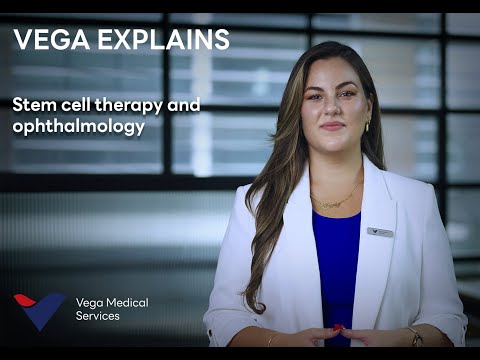


















Share this listing