


Welcome to the ultimate resource on advanced facial rejuvenation surgery. If you are noticing the progressive signs of aging, you are likely exploring effective, natural-looking solutions to restore your youthful vitality.
This comprehensive guide breaks down cutting-edge cosmetic procedures, from imperceptible facelift incisions to autologous fat transfer and eyelid surgery. Watch to discover how highly trained, board-certified plastic surgeons customize these transformative aesthetic techniques to match your unique facial anatomy.
Video Chapters & Quick Navigation
The Evolution of Comprehensive Facial Rejuvenation
Facial aging is a complex, multi-layered process that goes far beyond simple wrinkles or surface-level skin changes. As we age, our bodies naturally lose collagen, bone density, and subcutaneous fat, leading to a sunken or sagging appearance. Modern cosmetic surgery addresses these structural changes through a combination of highly specialized techniques rather than relying on a single, outdated approach.
In the past, facial cosmetic procedures often focused solely on pulling the skin tight, which frequently resulted in an unnatural, "windblown" appearance. Today's board-certified plastic surgeons approach the face as a three-dimensional canvas. They combine skin lifting, muscle repositioning, and targeted volume restoration to create harmonious, youthful results that look completely natural.
As highlighted at [00:13] in the video, there is no one-size-fits-all solution for anti-aging facial surgery. Each patient presents unique anatomical features, skin laxity levels, and aesthetic goals. A customized surgical plan might include a traditional facelift, localized fat grafting, or delicate eyelid surgery to achieve the most balanced and aesthetically pleasing outcome possible.
Mastering the Art of Imperceptible Facelift Incisions
One of the most common anxieties patients have regarding a surgical facelift, clinically known as a rhytidectomy, is the fear of visible, permanent scarring. However, advancements in surgical precision have revolutionized how and where incisions are placed. Expert plastic surgeons utilize the natural contours and hidden creases of your facial anatomy to completely conceal surgical marks.
The standard technique for a comprehensive facelift involves an incision that begins discreetly at the edge of the hairline. As the surgeon details at [00:26], this delicate line continues downward, tracing the natural border of the ear from front to back. By placing the incision within the temporal hairline and the natural folds around the earlobe, the resulting scar is expertly camouflaged from day one.
The SMAS Layer and Long-Term Healing
Beyond the surface-level skin incision, true facial rejuvenation requires manipulating the underlying Superficial Musculoaponeurotic System (SMAS). By lifting and securing this deeper muscle layer, surgeons ensure that the tension of the lift is supported by the muscle rather than the skin. This critical step prevents the skin from stretching prematurely and significantly enhances the longevity of your cosmetic results.
Because the skin itself is not placed under heavy tension, the incision sites heal rapidly and smoothly. Within just a couple of weeks post-surgery, these meticulously placed incisions become practically imperceptible to the naked eye. Patients can confidently wear their hair up or cut it short without fear of exposing their cosmetic journey to the world.
Restoring Youthful Volume with Facial Fat Transfer
While a traditional facelift excellently addresses loose skin and sagging muscles, it cannot replace the facial fat that naturally depletes as we grow older. This is where the highly advanced technique of autologous facial fat transfer, also known as lipofilling, becomes an essential component of comprehensive facial rejuvenation.
At [00:34], the discussion shifts to how specific areas of the face require volume correction rather than just lifting. The procedure involves gently harvesting excess fat from another area of the patient’s body—typically the abdomen or thighs—using a specialized micro-liposuction technique. This fat is then carefully purified in a centrifuge before being strategically re-injected into targeted areas of the face.
Rejuvenating Cheekbones and Nasolabial Folds
The mid-face region, particularly the cheekbones, is often the first area to show signs of volume loss, resulting in a hollow or tired appearance. By precisely injecting purified fat cells into the cheek area, surgeons can recreate the high, plump cheekbones associated with youth. Because the injected material is your own biological tissue, the results are incredibly natural both to the eye and to the touch.
Similarly, at [00:43], it is noted that autologous fat is highly effective for softening deep nasolabial folds—the lines that run from the sides of the nose to the corners of the mouth. Unlike synthetic dermal fillers that dissolve after several months, transferred fat establishes its own blood supply. Once the newly transferred fat cells integrate, they provide a permanent, structural enhancement that ages naturally alongside you.
| Feature | Autologous Fat Transfer | Synthetic Dermal Fillers |
|---|---|---|
| Material Source | Patient's own natural body fat | Hyaluronic acid or calcium hydroxylapatite |
| Longevity of Results | Potentially permanent once integrated | Temporary (typically 6 to 18 months) |
| Risk of Allergic Reaction | Zero (100% biocompatible) | Very low, but possible |
| Cost Effectiveness | Higher initial cost, excellent long-term value | Lower initial cost, requires costly upkeep |
Blepharoplasty: Illuminating Your Eyes for a Youthful Look
They say the eyes are the windows to the soul, but they are also one of the earliest indicators of chronological aging. The skin surrounding the eyes is exceptionally thin and delicate, making it highly susceptible to gravity, sun damage, and the loss of skin elasticity. This often results in drooping upper eyelids and heavy, puffy bags beneath the eyes.
To combat this, many patients require a highly specialized procedure called blepharoplasty, which is detailed at [00:46]. This delicate eyelid surgery involves meticulously removing excess, heavy skin from the upper eyelid region. By lifting this hooded skin, the eyes immediately appear wider, brighter, and significantly more alert, erasing years of perceived fatigue from your facial profile.
Correcting Under-Eye Bags
Lower blepharoplasty focuses on the stubborn fat pads that accumulate and bulge beneath the eyes, commonly referred to as "eye bags." These bags are largely genetic and can make you look chronically exhausted, regardless of how much sleep you actually get. A skilled plastic surgeon can access these fat pads through a microscopic incision hidden inside the lower lash line.
During the procedure, the excess fat is either removed or precisely redistributed to smooth the transition between the lower eyelid and the upper cheek. When combined with a traditional facelift or facial fat transfer, blepharoplasty ensures that the entire upper and lower facial regions reflect a unified, harmonious, and deeply rejuvenated appearance.
Understanding Age Limits and Health Requirements for Surgery
A frequent and highly understandable question among prospective plastic surgery patients relates to the ideal age for undergoing cosmetic procedures. Many individuals wonder if they are "too young" to start preventative treatments or "too old" to safely undergo surgical intervention. The modern medical consensus provides a highly encouraging answer.
As clearly stated at [00:59], there is strictly no arbitrary upper or lower age limit when it comes to facial rejuvenation surgery. The decision to proceed is not dictated by the number of candles on your birthday cake, but rather by your specific anatomical needs and your overall biological health. Some patients exhibit premature skin laxity in their early forties, while others maintain excellent skin elasticity well into their sixties.
Health Protocols and Patient Safety
The ultimate determining factor for any elective cosmetic surgery is the patient's baseline health status. Before any surgical intervention, comprehensive medical clearance is mandatory. This includes evaluating cardiovascular health, pulmonary function, and comprehensive blood work to ensure the body can safely handle anesthesia and the subsequent healing process.
Even if a patient suffers from chronic conditions such as hypertension or type-2 diabetes, they are not automatically disqualified from achieving their aesthetic goals. As noted at [01:14], as long as these underlying medical conditions are well-managed and medically controlled, facial rejuvenation surgery can be performed safely. Top-tier medical facilities utilize stringent, international safety protocols to monitor patients continuously throughout the procedure and recovery.
- Comprehensive Medical Clearance: Requires an EKG, full blood panel, and clearance from a primary care physician.
- Medication Management: Blood-thinning medications and certain supplements must be paused weeks prior to the surgical date.
- Lifestyle Adjustments: Smoking dramatically impairs circulation and healing; patients must commit to complete nicotine cessation before and after surgery.
The Critical Importance of Pre and Post-Operative Skincare
While your plastic surgeon provides the structural heavy lifting in the operating room, the longevity and quality of your results rely heavily on your personal skincare routine. Preparing your skin before surgery and maintaining it meticulously during the post-operative recovery phase is essential. Healthy, resilient skin heals faster, scars less prominently, and holds surgical contours much better than neglected tissue.
At [01:22], the foundational pillars of pre and post-operative skincare are outlined. First and foremost, keeping the facial skin perfectly clean prevents opportunistic bacteria from causing infections near the delicate incision sites. Utilizing gentle, non-abrasive cleansers twice a day ensures a safe healing environment.
Deep Hydration and UV Protection
Deep cellular hydration is the second pillar of successful surgical recovery. Post-operative swelling and healing demand significant moisture resources from the body. Applying high-quality, medical-grade hydrating serums, such as those rich in hyaluronic acid, helps repair the skin's moisture barrier and promotes optimal cellular regeneration.
Finally, rigorous, daily sun protection is absolutely non-negotiable following facial rejuvenation surgery. Fresh, healing incisions are incredibly vulnerable to ultraviolet radiation. Exposure to the sun without a high SPF broad-spectrum sunscreen can cause surgical scars to hyper-pigment, turning them dark and permanently visible. Daily application of SPF 50+ ensures your renewed, youthful skin stays pristine, protected, and beautifully even-toned for decades to come.
The Transformative Advantage of Medical Tourism for Plastic Surgery
Achieving a masterful, natural-looking facial rejuvenation requires the skilled hands of a highly experienced, board-certified plastic surgeon. Unfortunately, accessing this tier of medical expertise in the United States, Canada, or the United Kingdom often comes with an exorbitant, prohibitive price tag. This financial barrier prevents many deserving individuals from accessing the life-changing cosmetic care they desire.
This reality has driven the massive surge in high-quality medical tourism. Discerning patients are increasingly traveling abroad to modern, luxurious medical hubs to receive world-class cosmetic procedures at a fraction of domestic costs. By stepping outside their local healthcare systems, patients can access globally trained surgeons, state-of-the-art accredited surgical centers, and premium personalized care without incurring massive medical debt.
Beyond the undeniable financial savings, traveling for your facial rejuvenation surgery offers the profound benefit of a private, stress-free recovery. Patients can heal in beautifully appointed recovery boutiques or luxury resort settings, completely removed from the daily stresses of work and domestic life. This dedicated period of tranquil rest significantly reduces post-operative cortisol levels, thereby accelerating the body's natural healing processes and enhancing your ultimate aesthetic results.
Ready to Turn Back Time with Advanced Facial Rejuvenation?
PlacidWay Medical Tourism connects you with top-rated, board-certified plastic surgeons worldwide, offering premium cosmetic surgery at unbeatable prices. Let us handle the complex travel details while you focus on achieving your beautifully renewed appearance.
GET A FREE QUOTE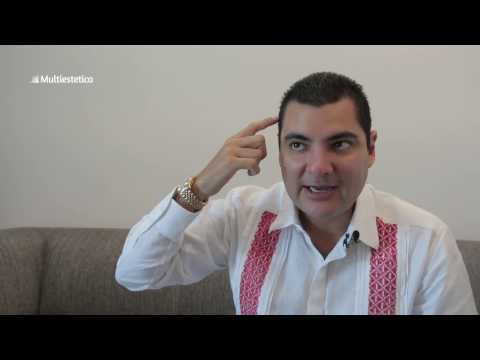








.jpg)








Share this listing