


The demand for highly specialized cosmetic enhancements has skyrocketed globally, with a significant surge in men seeking refined, balanced aesthetics. Among the most sought-after destinations, undergoing a comprehensive male facial contouring surgery in South Korea stands out for its exceptional precision and advanced surgical techniques. A complete facial transformation requires not just artistic vision, but profound anatomical expertise from specialized board-certified surgeons.
From correcting tired eyes to restructuring the jawline, modern surgical approaches offer profound, natural-looking results that enhance male features without feminizing them. Patients frequently travel across the globe to access the top-tier medical infrastructure available in Seoul. Combining multiple procedures into a single operation has become the gold standard for achieving comprehensive facial harmony.
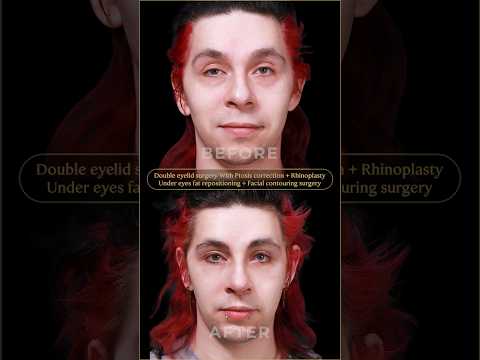
In this detailed surgical breakdown, we explore a remarkable transformation involving several intricate procedures performed simultaneously. By analyzing the visual transformation at [00:00], we can dissect the impact of combining eyelid surgery, rhinoplasty, and bone contouring. This guide will provide deep insights into what prospective patients can expect from these advanced interventions.
Video Chapters & Quick Navigation
Double Eyelid Surgery with Ptosis Correction Explained
The eyes are typically the first focal point of human interaction, making upper facial aesthetics highly prioritized in cosmetic surgery. For many men, structural differences in the eyelid crease can create an unintended appearance of fatigue or sternness. Double eyelid surgery creates a distinct, natural-looking crease that opens up the visual field.
When paired together, double eyelid surgery with ptosis correction addresses both the aesthetic crease and the underlying muscle function. Ptosis refers to the drooping of the upper eyelid caused by a weak levator muscle. If a surgeon only creates a crease without addressing the weak muscle, the patient may still struggle to fully open their eyes.
As seen in the transformation at [00:04], correcting the ptosis lifts the eyelid margin to sit perfectly just below the iris. This provides a vibrant, alert, and more youthful expression. The procedure involves tightening the levator aponeurosis or Müller's muscle to elevate the lid margin effectively.
Incisional vs. Non-Incisional Approaches
Surgeons select the approach based on the amount of excess skin and orbital fat present. The non-incisional (suture) method is ideal for younger patients with thin eyelids and minimal fat. It offers a rapid recovery and leaves virtually no visible scarring.
Conversely, the full incisional method allows for maximum control over tissue manipulation. This is often necessary for severe ptosis or when significant skin excision is required. Despite the incision, skilled surgeons hide the fine scar perfectly within the newly formed eyelid crease.
Mastering Male Rhinoplasty for Facial Harmony
Rhinoplasty for men requires an entirely different aesthetic framework compared to female rhinoplasty. A masculine nose typically features a strong, straight dorsum, a slightly wider base, and a tip projection that aligns seamlessly with the chin. The goal is structural refinement without creating an overly sloped or overly rotated tip.
The best rhinoplasty clinics in South Korea utilize precise anatomical mapping to ensure the new nasal structure complements the patient's underlying bone framework. Surgeons often address dorsal humps while simultaneously reinforcing the nasal tip. This dual approach prevents the tip from drooping over time as swelling subsides.
Viewing the profile transformation at [00:12] highlights how a well-executed rhinoplasty balances the entire mid-face. The alignment of the nasal bridge dramatically improves the side profile. It creates an optical illusion that balances both the forehead and the jawline projections.
Grafting Materials in Modern Rhinoplasty
Achieving durable results heavily relies on the choice of grafting materials used to build the nasal structure. Autologous cartilage—tissue harvested from the patient's own body—remains the gold standard for safety and longevity. This significantly reduces the risk of rejection or infection compared to synthetic implants.
- Septal Cartilage: Harvested from inside the nose during the procedure, ideal for subtle tip refinement and structural support.
- Ear Cartilage: Extremely pliable, making it perfect for reshaping the nasal tip to achieve a natural, rounded masculine contour.
- Rib (Costal) Cartilage: Utilized for major structural changes or revision surgeries where robust support is required to build the bridge.
The Rejuvenating Power of Under Eye Fat Repositioning
Dark circles and pronounced eye bags can make a person appear exhausted, regardless of their actual energy levels or age. This occurs when the orbital fat that normally cushions the eyeball begins to herniate forward. Concurrently, the tear trough valley below the fat pad deepens, creating harsh shadows.
Under eye fat repositioning recovery time is remarkably short because the procedure is often performed transconjunctivally. This means the incision is made completely inside the lower eyelid. There are no external incisions, completely eliminating the risk of visible facial scarring.
Instead of simply excising and removing the protruding fat—which can lead to a hollowed-out appearance later in life—the surgeon carefully slides the fat downward. This repositioned fat is secured over the orbital rim to fill in the hollow tear troughs. The result is a smooth, flush transition from the lower eyelid to the upper cheek.
Long-Term Benefits of Repositioning
By preserving the patient's native fat, the mid-face retains its youthful volume. Over time, traditional fat removal often requires secondary fat grafting procedures to correct age-related hollowing. Repositioning strategically avoids this pitfall entirely.
Furthermore, the repositioned fat provides a structural buffer that minimizes the appearance of superficial dark circles. The improvement in light reflection off the smoothed skin surface brightens the entire lower eye region. This subtle yet powerful change is a cornerstone of comprehensive facial rejuvenation.
Advanced Male Facial Contouring Surgery
Bone structure dictates the foundational shape and aesthetic balance of the entire face. For men, a strong, angular jawline and proportionate cheekbones are widely considered markers of attractiveness and vitality. Male facial contouring surgery surgically alters the facial skeleton to achieve these desired proportions.
Unlike female contouring, which often aims for a soft, slender "V-line" shape, male contouring focuses on retaining masculine width while refining disproportionate angles. The procedures require immense skill, utilizing advanced 3D CT scanning to map nerves and blood vessels precisely. This ensures maximum safety during the osteotomy (bone cutting) phase.
Noticing the structural shift at [00:10] reveals the profound impact of altering the lower facial third. The reduction of bulky angles creates a leaner, more chiseled appearance. This structural foundation perfectly supports the softer tissue enhancements made during the rhinoplasty and eyelid surgeries.
Key Components of Facial Bone Surgery
Comprehensive contouring typically involves addressing three primary anatomical zones: the mandible (jaw), the zygoma (cheekbones), and the mentum (chin). Each zone requires distinct surgical instruments and mathematical precision. Surgeons carefully shave or cut the bone before fixing it into its new, optimized position.
- Mandible Reduction: Reduces the flare of the lower jaw angles, creating a smoother line from the ear to the chin without losing masculine definition.
- Zygoma Reduction: Pushes excessively wide or protruding cheekbones inward and upward. This narrows the mid-face width, balancing the facial width-to-height ratio.
- Genioplasty (Chin Surgery): Involves advancing, retracting, or narrowing the chin bone. A well-projected chin is crucial for maximizing the visual benefits of a rhinoplasty.
The Strategic Advantage of Combined Procedures
Opting for multiple surgeries simultaneously might seem daunting, but it presents several strategic advantages for suitable candidates. From a logistical standpoint, it requires only one session under general anesthesia. This reduces the cumulative risks associated with multiple separate anesthetic inductions over several years.
Financially and practically, a combined approach is highly efficient for medical tourists. Booking a single trip for male facial contouring surgery in South Korea minimizes travel expenses, time off work, and accommodation costs. The recovery period is consolidated, allowing the patient to heal from all interventions concurrently.
Aesthetically, the combined approach allows the head surgeon to harmonize all features perfectly in real-time. Designing the nose profile while considering the exact new projection of the chin guarantees superior facial symmetry. This holistic methodology prevents the "piece-meal" look that sometimes occurs when procedures are spaced years apart by different practitioners.
Navigating the Two-Week Post-Op Recovery Journey
Understanding the healing trajectory is crucial for managing expectations after extensive facial reconstruction. As highlighted in the video text at [00:16], "Swelling and bruising are temporary and part of the normal healing process." The initial post-operative phase requires patience and strict adherence to medical protocols.
The first 72 hours represent the peak of facial swelling and bruising. Patients are advised to keep their heads elevated and apply cold compresses continuously to mitigate inflammation. During this window, dietary restrictions are strict, focusing entirely on liquid or very soft foods to avoid disturbing intraoral incisions from the contouring surgery.
By the end of the second week, visual improvements become undeniable. While residual micro-swelling will persist for several months, the patient is generally comfortable returning to public life and light work. The structural changes to the eyes, nose, and jawline are clearly visible, presenting a refreshed and completely refined appearance.
| Recovery Phase | Expected Symptoms & Milestones |
|---|---|
| Days 1-3 | Peak swelling and bruising. Liquid diet required. Pain managed with prescribed medication. |
| Days 5-7 | External nasal splints and primary non-absorbable sutures are carefully removed by the clinical team. |
| Week 2 | Major bruising subsides (often turning yellow). Patient appears presentable. Soft food diet continues. |
| Months 1-3 | Bone fusion progresses. Micro-swelling in the nasal tip and jawline slowly dissipates to reveal final contours. |
Why Global Patients Choose South Korea for Transformation
South Korea has cemented its reputation as the epicenter of global medical tourism, particularly for complex maxillofacial and plastic surgeries. The surgical volume handled by top specialists in Seoul provides them with unparalleled hands-on experience. This high frequency of operations translates directly to refined surgical techniques and lower complication rates.
The best rhinoplasty clinics in South Korea operate out of state-of-the-art medical towers equipped with intensive care units and advanced sterilization systems. These clinics prioritize patient safety above all, employing dedicated, in-house anesthesiologists who monitor the patient continuously. This infrastructure provides immense peace of mind for international travelers.
Furthermore, the medical tourism ecosystem is designed for flawless international patient experiences. Top clinics provide in-house English translators, airport transfer services, and partnered hotel accommodations. This allows the patient to focus entirely on their healing process without the stress of navigating a foreign healthcare system alone.
Post-Operative Care Best Practices for Optimal Results
Securing an outstanding surgical outcome extends far beyond the operating table. Diligent post-operative care directly dictates the quality of the final healed result. Following a comprehensive male facial contouring surgery in South Korea, patients receive extensive guidelines tailored to their specific combination of procedures.
Oral hygiene is paramount following facial contouring. Since incisions are made inside the mouth, using prescribed antibacterial mouthwash prevents infection and ensures the mucosal tissue heals rapidly. Patients must avoid strenuous cardiovascular exercise for at least four weeks to prevent blood pressure spikes that could trigger secondary bleeding.
Finally, long-term sun protection is critical for the delicate skin around the newly healing eyelids and nose. UV exposure can cause hyperpigmentation on fresh incision sites. Adhering to these strict maintenance routines guarantees that the investment in these transformative procedures yields permanent, spectacular results for decades to come.
Ready to Begin Your Transformation Journey?
Connect with top-rated board-certified surgeons in South Korea for personalized facial contouring, rhinoplasty, and eyelid correction plans. Discover the options tailored specifically to your aesthetic goals.
Get Free QuoteView Full Video Transcript / Visual Context
[00:00]
Visual text on screen: Double eyelid surgery With Ptosis correction + Rhinoplasty
Visual text on screen: Under eyes fat repositioning + Facial contouring surgery
[00:04]
Visual text on screen: WHATSAPP: +82 10 3095 9006
Visual text on screen: BEFORE
[00:06]
Visual text on screen: AFTER 2W
Visual text on screen: VERYGOOD PLASTIC SURGERY
[00:10]
Visual text on screen: AFTER 2W
Visual text on screen: Filmed in the early post-op stage. Swelling and bruising are temporary and part of the normal healing process.
[00:16]
Visual text on screen: AFTER 2W
Visual text on screen: Filmed in the early post-op stage. Swelling and bruising are temporary and part of the normal healing process.







.jpg)









Share this listing