


Undergoing nasal tip revision surgery in South Korea has become the gold standard for patients seeking to correct unsatisfactory results from previous rhinoplasty procedures. A botched primary surgery often leaves patients dealing with functional breathing issues and severe aesthetic concerns like a pinched tip or severe asymmetry. Identifying the root cause of these complications requires a highly specialized surgeon who understands complex facial anatomy.
Many international patients travel specifically to find the best clinic for nasal tip rhinoplasty in Seoul due to the advanced techniques developed by local board-certified surgeons. The combination of cutting-edge 3D imaging technology and unparalleled surgical precision makes this destination ideal for secondary nose jobs. Correcting a previously altered nasal structure demands an entirely different approach than a first-time procedure, making surgeon selection the most critical factor.
In this comprehensive guide, we will break down the intricacies of fixing a bulbous or collapsed tip and explain the realistic recovery timeline. We will also explore the exact methods used by top professionals, like Dr. Im at VeryGood Plastic Surgery, to restore natural facial harmony. By understanding the surgical framework, patients can make informed decisions regarding their medical travel plans.
Video Chapters & Quick Navigation
- Understanding Secondary Nasal Tip Revision Surgery
- Why Choose Dr. Im at VeryGood Plastic Surgery
- The Complexities of Bulbous Nasal Tip Correction
- Step-by-Step Process of Ethnic Rhinoplasty Revision
- Analyzing Affordable Rhinoplasty Revision Costs
- Medical Tourism Plastic Surgery Packages in Seoul
- Expected Recovery Time for Secondary Rhinoplasty
- Long-Term Maintenance and Final Nasal Contours
Understanding Secondary Nasal Tip Revision Surgery
Secondary rhinoplasty is universally recognized as one of the most challenging cosmetic procedures in the medical field. When a primary surgery fails, the structural integrity of the lower third of the nose is often severely compromised. Scar tissue buildup from the initial operation complicates the dissection process during the revision surgery.
The delicate alar cartilages that shape the nasal tip can become weakened, leading to a visible collapse or a polybeak deformity. Addressing how to fix a botched nose job abroad requires a deep understanding of structural grafting techniques. Surgeons must frequently harvest rib or ear cartilage to rebuild the foundational support that was removed during the first surgery.
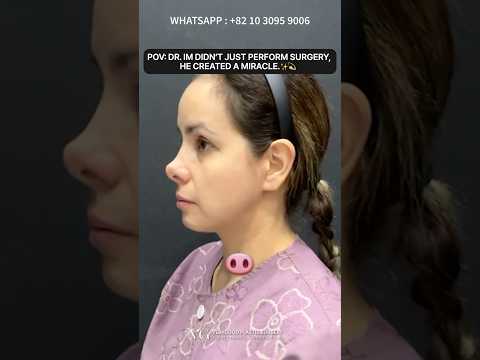
Patients viewing initial evaluations, as seen at [00:00], often present with significant asymmetry and tip drooping. The goal of the secondary operation is not merely aesthetic enhancement but restoring adequate airflow through the nasal valves. Functional impairment is a common byproduct of overly aggressive primary reductive rhinoplasty.
Asian and ethnic nose types often require specific augmentation rather than reduction to achieve projection. The soft tissue envelope must be meticulously managed to prevent necrosis or further contour irregularities. Successful outcomes hinge on the surgeon’s ability to predict how the thick skin will drape over the newly reconstructed cartilage framework.
Why Choose Dr. Im at VeryGood Plastic Surgery
When researching specialists, Dr. Im VeryGood Plastic Surgery reviews consistently highlight his meticulous approach to complex revisions. His expertise lies in identifying the precise anatomical failures of previous surgeries without resorting to generic templates. During the direct consultation process at [00:04], customized surgical plans are mapped out using advanced physical examinations.
Many patients travel from Western countries specifically to access his proprietary techniques for tip refinement. The clinic operates with state-of-the-art diagnostic imaging, allowing the surgical team to visualize internal scarring before making the first incision. This level of preparation drastically reduces unexpected complications once the patient is on the operating table.
The philosophy at VeryGood Plastic Surgery revolves around structural integrity rather than temporary cosmetic fixes. They utilize autologous cartilage grafts almost exclusively, avoiding synthetic implants like silicone in the nasal tip to prevent long-term extrusion risks. This approach guarantees that the results are not only visually appealing but structurally sound for decades.
Patient safety protocols at this facility meet the highest international healthcare standards. Board-certified anesthesiologists are present throughout the entire procedure, monitoring vital signs meticulously. The combination of surgical mastery and rigorous safety measures cements their reputation as the best clinic for nasal tip rhinoplasty in Seoul.
The Complexities of Bulbous Nasal Tip Correction
Correcting a bulbous tip requires a nuanced approach that goes far beyond simply removing excess cartilage. In many ethnic profiles, the bulbous appearance is caused by thick sebaceous skin rather than wide lower lateral cartilages. A surgeon must carefully thin the subcutaneous fat layer without compromising the dermal blood supply.
When calculating the bulbous nasal tip correction surgery cost, patients must factor in the extensive time required for this precise defatting process. Once the skin is properly managed, the underlying cartilages are reshaped using specialized suturing techniques. Cephalic trimming is performed conservatively to prevent the dreaded pinched look that plagues amateur rhinoplasties.
To create a refined, elegant point, a columellar strut graft is often inserted to provide a strong central pillar. This graft supports the tip and prevents it from drooping when the patient smiles or talks. The structural reinforcement allows the thick skin to be stretched over a sharper, more defined skeletal framework.
Advanced Tip Refinement Techniques
Modern revision procedures rely on several highly specific techniques to guarantee natural-looking results. Surgeons avoid the destructive methods of the past in favor of preservation rhinoplasty concepts.
- Dome Binding Sutures: Used to narrow the tip defining points without cutting the cartilage.
- Alar Contour Grafts: Placed in the nasal rim to prevent nostril retraction and valve collapse.
- Shield Grafts: Custom-carved pieces of cartilage placed at the very tip for maximum projection.
- Diced Cartilage Fascia: Used to smoothly camouflage any minor irregularities under thin skin.
Step-by-Step Process of Ethnic Rhinoplasty Revision
The journey for an affordable ethnic rhinoplasty revision South Korea begins long before the actual surgery date. Patients undergo comprehensive blood work, EKGs, and 3D CT scans upon arriving at the clinic. These scans provide a three-dimensional map of the septum, allowing the surgeon to see exactly how much viable cartilage remains.
On the day of surgery, patients are typically placed under deep sedation or general anesthesia, depending on the complexity of the rib harvest. The surgeon utilizes an open rhinoplasty approach, making a tiny incision across the columella to fully expose the nasal framework. This visibility is mandatory for revision cases where scar tissue distorts normal anatomical landmarks.
The immediate transformation can be witnessed in the dramatic before and after comparisons at [00:11]. Once the scarred tissues are excised, the new structural grafts are meticulously carved and secured with dissolving sutures. The skin envelope is then re-draped, and the external incisions are closed with incredibly fine threads to minimize visible scarring.
Internal splints and an external cast are applied immediately to hold the newly formed structures in place. These protective barriers are crucial for controlling immediate post-operative swelling and preventing hematomas. Patients are closely monitored in the recovery suite before being discharged to their hotel.
Analyzing Affordable Rhinoplasty Revision Costs
Financial planning is a major component for patients seeking to correct prior surgical mistakes. Western countries often charge exorbitant fees for secondary procedures due to high hospital facility costs and malpractice insurance premiums. This extreme pricing forces many to explore international options without sacrificing medical quality.
South Korea operates on a highly competitive, transparent pricing model for elective cosmetic surgeries. The overall affordable ethnic rhinoplasty revision South Korea pricing is generally 40% to 60% less than comparable top-tier clinics in Beverly Hills or London. This cost reduction includes the surgeon's fee, anesthesia, facility use, and post-operative medications.
| Procedure Type | Average US/UK Cost | Average Cost in South Korea |
|---|---|---|
| Primary Bulbous Tip Correction | $8,000 - $12,000 | $3,500 - $5,500 |
| Secondary Tip Revision (Ear Cartilage) | $12,000 - $18,000 | $5,000 - $7,500 |
| Complex Revision (Rib Cartilage Harvest) | $18,000 - $25,000+ | $7,500 - $10,500 |
It is vital to remember that revision cases demand longer surgical times and specialized grafting materials. Using autologous rib cartilage will naturally increase the price compared to using standard septal cartilage. However, the investment is necessary to secure a permanent, complication-free nasal structure.
Medical Tourism Plastic Surgery Packages in Seoul
Navigating a foreign healthcare system can seem daunting for international travelers seeking cosmetic enhancements. Top-tier facilities streamline this entire process by offering comprehensive South Korea medical tourism plastic surgery packages. These all-inclusive bundles are designed to remove logistical stress so the patient can focus entirely on healing.
Dedicated in-house translators provide seamless communication from the initial virtual consultation to the final in-person post-op check. Airport transfer services guarantee that patients are transported safely to their accommodations immediately upon arrival in Seoul. Many clinics have partnered with nearby luxury recovery hotels located right in the heart of the Gangnam medical district.
These packages often include hyperbaric oxygen therapy sessions and specialized deswelling laser treatments as standard aftercare protocols. Daily hair washing services and customized soft-food meal deliveries are also frequently arranged by dedicated concierge teams. This level of comprehensive care significantly accelerates the early stages of the healing timeline.
Patients can experience peace of mind knowing that emergency medical support is available around the clock. Navigating pharmacies for prescription antibiotics and pain medication is handled entirely by the clinical staff. The emphasis on VIP patient experience is heavily reflected in the joyful post-operative reactions visible at [00:16].
Expected Recovery Time for Secondary Rhinoplasty
Patience is the most important requirement when dealing with the recovery time for secondary rhinoplasty in Korea. Revision procedures inherently produce more inflammation because the lymphatic drainage pathways were disrupted during the primary surgery. The initial external cast and internal splints are typically removed exactly seven days post-operation.
Once the cast is removed, the nose will appear quite swollen and slightly over-rotated, exposing more of the nostrils than intended. This 'piggy' appearance is entirely normal and is a calculated surgical technique to account for the inevitable gravity drop over time. The majority of the aggressive bruising around the eyes will fade within the first fourteen days.
Patients are generally cleared to fly back to their home countries after the seven-to-ten day mark. By the end of the first month, approximately sixty percent of the major soft tissue swelling will have dissipated. However, the thick skin surrounding the nasal tip is notorious for holding onto microscopic edema for much longer.
Essential Post-Operative Care Rules
Strict adherence to the surgeon's aftercare protocol directly impacts the final aesthetic outcome. Minor mistakes during the fragile early weeks can shift grafts and ruin the symmetry.
- Sleep Elevated: Keep your head propped up on two to three pillows to encourage fluid drainage.
- Avoid Glasses: Do not wear heavy prescription glasses or sunglasses that rest on the bridge for at least six weeks.
- No Strenuous Exercise: Keep blood pressure low by avoiding heavy lifting and cardio for one full month.
- Maintain Low Sodium: Consume a low-salt diet to prevent the body from retaining excess water in the facial tissues.
Long-Term Maintenance and Final Nasal Contours
The final results of a nasal tip revision surgery cannot be accurately judged until at least one to two years have passed. The intricate scar tissue deep within the nasal envelope must undergo a long process of remodeling and softening. Only when this scar maturation is complete will the true definition of the underlying cartilage work be revealed.
Protecting the nose from harsh UV radiation is critical to prevent hyperpigmentation of the delicate incision lines. Applying high-grade medical silicone scar gel to the columellar base will ensure the external scar fades into an invisible fine line. Routine, gentle massage techniques may be prescribed by the surgeon specifically to break down stubborn internal fibrosis.
Patients who commit to the proper lifestyle adjustments and long-term care routines enjoy permanent, life-changing aesthetic improvements. The psychological relief of finally achieving facial harmony after years of dealing with a botched surgery cannot be overstated. A successful revision procedure restores not only the physical airway and appearance, but the patient's underlying self-confidence.
Ready to Correct Your Nasal Contours?
Take the first step toward restoring your facial harmony. Connect with top-tier, board-certified surgeons in South Korea for a personalized evaluation and transparent pricing package.
Get Free QuoteView Full Video Transcript
[00:00] On-screen text: WHATSAPP : +82 10 3095 9006
[00:00] On-screen text: POV: DR. IM DIDN'T JUST PERFORM SURGERY, HE CREATED A MIRACLE.
[00:04] Visual: Patient in consultation with Dr. Im, discussing structural changes.
[00:11] On-screen text: NASAL TIP REVISION SURGERY BEFORE AFTER
[00:16] Visual: Patient and Dr. Im smiling together, celebrating the successful recovery.
[00:18] End of video short.







.jpg)









Share this listing