


Struggling with thinning hair can be incredibly frustrating, but advanced exosome therapy for hair loss procedures in the United States offers a groundbreaking non-surgical solution. By harnessing the power of cellular communication, these innovative exosome injections for scalp rejuvenation stimulate dormant hair follicles and encourage robust new growth.
This specialized approach delivers highly concentrated growth factors directly to the affected areas, providing renewed hope for individuals experiencing pattern baldness, shedding, or general hair thinning over time. Rather than relying on invasive surgical methods or daily topical applications with limited efficacy, modern regenerative dermatology leverages these microscopic extracellular vesicles to orchestrate tissue repair at a fundamental cellular level.
When introduced into the scalp environment, regenerative exosomes target the precise biological mechanisms responsible for maintaining a healthy hair growth cycle. This comprehensive guide details the intricate biological processes behind this cutting-edge treatment and exactly how cellular couriers can completely transform your follicular health naturally.
Video Chapters
Understanding Exosome Injections for Scalp Rejuvenation
When discussing non-surgical hair restoration treatments, exosome therapy consistently emerges as a leading scientific advancement. Exosomes are microscopic extracellular vesicles naturally produced by your body's cells, serving as vital communication vehicles between differing biological structures. In the context of regenerative medicine, these potent vesicles are carefully extracted, purified, and prepared for clinical application to address pattern baldness.
During a typical procedure, the exosomes are [00:00] injected into the scalp to directly target areas experiencing visible thinning or complete hair loss. These vesicles carry a rich cargo of genetic information, proteins, and messenger RNA designed to instruct surrounding cells to regenerate and heal rapidly. Unlike traditional therapies that merely attempt to increase blood flow superficially, exosome treatments directly alter the underlying cellular behavior of compromised hair follicles.
By delivering specific regenerative signals, they wake up dormant cells and encourage them to return to an active growth phase. Patients seeking long-term solutions for androgenetic alopecia frequently turn to this specialized method because it directly tackles the root biological cause of follicular degradation. The precision of these localized injections ensures that the therapeutic compounds reach the exact dermal depth required to strongly influence cellular function.
The Science Behind Dermal Papilla and Hair Follicle Stimulation
Understanding this advanced treatment requires a fundamental review of human hair anatomy. At the very base of every single hair strand lies the dermal papilla, a highly sensitive cluster of specialized cells entirely responsible for regulating the hair growth cycle. The therapeutic exosomes are strategically deposited around the dermal papilla of the hair follicle [00:03], ensuring that these vital control centers receive the maximum concentration of regenerative signals.
The human scalp exists in a constant, dynamic state. It sits in a transient stage in the scalp [00:06] that constantly fluctuates based off the specific zone it is in and its current growth cycle. This biological cycle consists of the anagen (active growth), catagen (transition), and telogen (resting) phases. In individuals suffering from progressive hair loss, these follicles prematurely enter the resting phase and severely struggle to re-enter the anagen phase.
Over time, this disruption leads to follicular miniaturization, where the hair shaft becomes progressively thinner and weaker until it ceases to emerge entirely. By intervening directly at the level of the dermal papilla, exosome therapy effectively resets this dysfunctional biological rhythm. The signaling molecules within the concentrated exosomes instruct the dermal papilla to prolong the anagen growth phase while simultaneously preventing premature entry into the destructive shedding phases.
Effective Tissue Saturation for Maximum Hair Regrowth
The clinical administration technique plays a paramount role in the ultimate success of regenerative hair therapies. Experienced practitioners do not merely administer a single localized drop of serum. Instead, they meticulously saturate the area essentially trying to heal [00:11] the damaged foundational structures entirely. Proper tissue saturation ensures that the exosome concentration remains high enough to trigger a deeply meaningful biological response across widespread regions of thinning hair.
This comprehensive saturation approach is crucial because hair loss rarely affects an isolated, microscopic pinpoint on the scalp. It typically presents as a diffuse thinning across broader zones, including the crown, vertex, or the temporal regions. By ensuring complete and thorough coverage, practitioners can heal not only the surrounding tissue but the hair follicle itself [00:15]. The surrounding dermal tissue absolutely provides the crucial structural support and microenvironment necessary for healthy follicular function.
If the surrounding tissue is actively inflamed, fibrotic, or heavily lacking proper vascularization, even a perfectly healthy follicle will eventually succumb to degradation. Rejuvenating the extracellular matrix and reducing localized scalp inflammation creates a highly hospitable environment for sustained hair growth. This comprehensive saturation technique guarantees that every struggling follicle within the treatment zone receives the necessary biological support to completely reverse miniaturization.
The Role of Growth Factors in Non-Surgical Hair Restoration
At the absolute core of exosome therapy's effectiveness is its unparalleled payload of bioactive molecules. By injecting it, you are seamlessly introducing a vast number of growth factors [00:18] directly into the compromised scalp environment. Growth factors are naturally occurring, powerful proteins capable of stimulating cellular proliferation, enhanced wound healing, and rapid cellular differentiation.
In the direct context of reversing hair loss, these specialized proteins act as the necessary biological fuel to aggressively jumpstart stalled regenerative processes. They bypass the body's often sluggish natural repair mechanisms, forcing the localized cellular environment into an accelerated state of active regeneration. This massive influx of regenerative proteins provides tangible, visible improvements for individuals seeking highly effective non-surgical hair restoration treatments.
Essential Growth Factors for Scalp Revitalization
- Vascular Endothelial Growth Factor (VEGF): Promotes the critical formation of new blood vessels, ensuring oxygen and vital nutrients consistently reach the hair bulb efficiently.
- Fibroblast Growth Factor (FGF): Directly stimulates the rapid proliferation of dermal papilla cells, visibly increasing the overall structural size and health of the follicle.
- Platelet-Derived Growth Factor (PDGF): Accelerates basic cellular division and promotes significant, lasting wound healing within the dermal layers of the scalp tissue.
How Exosomes Act as Cellular Couriers for Tissue Repair
Understanding the precise mechanics of how exosomes operate definitively reveals why they are superior to older, traditional treatments. Practitioners are using the exosomes to actually essentially signal and communicate [00:21] with compromised cells that have heavily lost their regenerative capacity. In a completely healthy biological system, cells constantly exchange chemical messages to smoothly coordinate daily repair and necessary maintenance.
In a scalp environment heavily affected by androgenetic alopecia or chronic localized inflammation, this critical cellular communication completely breaks down, leaving hair follicles stranded in a dormant, unproductive state. Exosomes expertly bridge this communication gap by acting as a highly efficient biological courier [00:24]. They safely navigate through the extracellular space, actively seeking out damaged or rapidly aging cells that desperately require intervention.
Once they specifically locate these compromised structures, they deliver a highly specific set of instructions that activate previously dormant genes entirely responsible for cellular repair. This sophisticated delivery system transports different things that will help heal the surrounding tissue [00:26] and swiftly restore optimal biological function. This profound tissue repair mechanism ensures that the resulting hair growth is a sustainable restoration of the scalp's natural ability to produce healthy hair strands over an extended period.
Plasma Membrane Adhesion and Cellular Nourishment Mechanisms
The physical interaction occurring between the administered exosomes and the patient's existing cellular structures is a true marvel of microscopic biology. Once precisely injected, these specialized regenerative vesicles immediately adhere to the plasma membrane of cells [00:30] located within the targeted scalp region. The plasma membrane represents the critical protective outer layer of a cell, and successful adhesion is the absolute first step in seamlessly transferring the exosome's regenerative payload.
Following this highly secure adhesion, the exosomes seamlessly merge with the cellular boundary. This allows them to kind of feed it lipids and proteins [00:33] directly into the deeply compromised cell's interior cytoplasm. Lipids serve as essential structural components that directly help rebuild and strongly fortify damaged cell walls, rapidly restoring cellular integrity and fully preventing premature cell death under oxidative stress.
Proteins, on the other hand, actively serve as the necessary functional machinery that smoothly drives internal cellular processes, entirely including energy production and robust structural reinforcement. This highly direct cellular nourishment is vastly superior to systemic, oral nutritional supplements, which frequently fail to reach the scalp in therapeutically adequate concentrations. This precise, localized feeding mechanism rapidly revitalizes exhausted cells, providing the exact biological building blocks strongly required to synthesize durable keratin structures.
Molecular Transfer Mechanisms for Follicular Organ Repair
The human hair follicle is frequently described by top dermatologists and research scientists as a highly complex micro-organ, complete with its own distinctly unique immune system, dedicated blood supply, and complex hormonal receptors. Because of this intricate complexity, fully reversing long-term hair loss requires a remarkably sophisticated approach. Once the exosomes have successfully and completely integrated with the target cells, they essentially start transferring different molecules [00:38] that fundamentally alter the overarching trajectory of the follicle's remaining lifespan.
These specialized transferred molecules include immensely powerful microRNAs that carefully regulate broad gene expression within the recipient cell structure. If a specific cell has been previously programmed by distinct genetic factors or extreme DHT sensitivity to rapidly miniaturize and shut down entirely, the exosomal microRNA can actively intercept and completely rewrite these incredibly destructive cellular instructions. This profound molecular intervention seamlessly provides the highly crucial components that you might need to repair the organ [00:41] entirely from the inside out.
By heavily repairing the core structural and underlying genetic integrity of the follicular organ, localized exosome therapy reliably achieves profound clinical results that daily topical serums simply cannot ever match. The continuous, steady transfer of highly beneficial molecules completely fortifies the sensitive follicle against future oxidative damage stemming from harsh environmental stressors, sudden hormonal fluctuations, and standard chronological aging. This deep, structural repair strongly allows previously dormant and severely miniaturized follicles to fully recover their lost capacity to naturally produce thick, visually impressive terminal hair shafts.
Comparing Exosome Hair Therapy to Traditional PRP Treatments
For many years in the aesthetic industry, Platelet-Rich Plasma (PRP) therapy served as the basic gold standard for non-surgical hair restoration. As regenerative cosmetic medicine has aggressively advanced, specialized exosome therapy has rapidly emerged as a vastly superior alternative for highly discerning patients. While both clinical treatments actively aim to strongly stimulate hair follicles naturally by reliably delivering concentrated growth factors, the overarching concentration, formulation consistency, and fundamental biological mechanisms wildly differ.
Traditional PRP completely relies on performing a clinical blood draw and spinning it down to isolate the natural platelets. Consequently, the distinct quality and overall clinical potency of standard PRP are entirely dependent on the individual patient's age, baseline underlying health, and localized cellular vitality. If a specific patient is older or actively suffering from chronic systemic inflammation, their autologous PRP may heavily lack the required robust regenerative properties deemed necessary for optimal, noticeable hair regrowth across the scalp.
In sharp contrast, highly therapeutic exosomes are carefully derived from intensely screened, heavily potent stem cell cultures located in strictly controlled clinical laboratory environments. This meticulous process flawlessly ensures a perfectly standardized, exceptionally high, predictable concentration of growth factors, restorative lipids, and potent messenger RNA in every single prepared treatment vial, entirely regardless of the individual patient's fluctuating daily health status. This provides unparalleled reliability for individuals seeking the most advanced treatment for thinning hair and baldness available today.
Key Differences: Exosomes vs Platelet-Rich Plasma (PRP)
| Clinical Feature | Advanced Exosome Therapy | Traditional PRP Therapy |
|---|---|---|
| Biological Source Material | Lab-derived, perfectly standardized stem cell cultures | Patient's own drawn blood (Highly Autologous) |
| Treatment Consistency & Potency | Highly consistent, optimal laboratory concentration of growth factors | Highly variable, depends entirely on patient's current age and health |
| Particle Size & Mobility | Microscopic vesicles allowing significantly deeper tissue penetration | Much larger platelets possessing highly limited mobility in dermal tissue |
| Pain & Invasiveness | No painful blood draw required, purely topical/injectable application | Absolutely requires phlebotomy (blood draw) prior to every treatment |
Take the First Step Towards Natural Hair Restoration
Ready to definitively reverse thinning hair using cutting-edge regenerative medicine? Connect directly with our top-rated medical specialists today to carefully determine if advanced exosome therapy is the ideal, customized solution for your highly unique hair loss needs. Secure your comprehensive consultation and customized treatment plan right now.
Get Free QuoteView Full Video Transcript
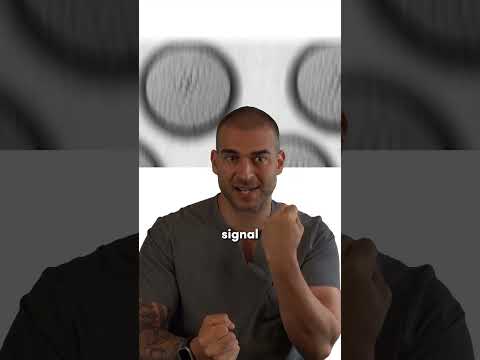
[00:00] So exosomes are injected into the scalp essentially around the dermal papilla of the hair follicle, which kind of in a transient stage in the scalp fluctuates based off the zone it's in and its growth cycle.
[00:11] And so you saturate the area essentially trying to heal not only the surrounding tissue but the hair follicle itself. So by injecting it, you're introducing a vast number of growth factors.
[00:21] And then you're using the exosomes to actually essentially signal and communicate and courier different things that will help heal the surrounding tissue as well as the dermal papilla itself.
[00:30] That adhere to the plasma membrane of cells and then they can kind of feed it lipids and proteins which they actually carry. And then they can essentially start transferring different molecules and things that you might need to repair the organ.
[00:42] It does many other things as well but that's one of the core components that you see that actually improves your hair loss situation.


















Share this listing