


Are you considering a permanent, highly effective solution to combat severe hair loss? Watching a successful hair transplant before and after transformation can be incredibly inspiring for those suffering from thinning hair. In recent years, securing a high-quality hair transplant in Turkey has become the absolute gold standard for men and women dealing with male pattern baldness. This comprehensive guide will analyze stunning visual results, explain the advanced techniques used, and help you understand exactly what to expect from your own hair restoration journey.
Modern techniques like Follicular Unit Extraction (FUE) allow skilled surgeons to extract individual hair follicles and implant them seamlessly into thinning areas. This advanced approach minimizes scarring and guarantees a highly natural-looking finish for the patient. For individuals seeking a high graft hair transplant procedure, choosing an experienced and internationally accredited clinic is paramount to achieving optimal density.
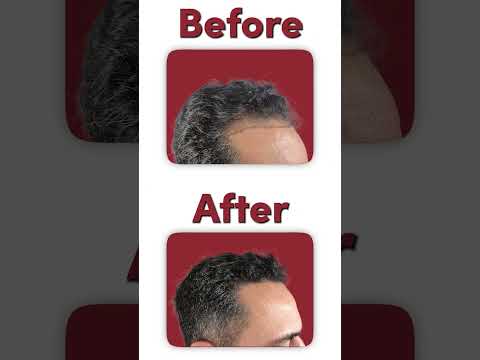
In the provided visual breakdown, we can see exactly how precise graft placement creates a flawless hairline that frames the face perfectly. Examining these documented outcomes helps prospective patients set realistic expectations for their own upcoming surgeries. By analyzing every angle of this transformation, you can gain a deeper understanding of what modern aesthetic medicine can achieve.
Video Chapters
Analyzing the FUE Hair Transplant Clinic Results Visually
At [00:00], the footage highlights an impressive close-up of the newly transplanted hairline being combed through. The overall density is incredibly thick, showcasing the undeniable success of high-density FUE implantation. It is immediately clear that the hair follicles were positioned with expert precision.
By the [00:05] mark, the dramatic difference between the pre-surgery state and the final result is fully revealed to the viewer. The surgical marker lines visible from the initial "before" image illustrate exactly where the surgeon planned the new aesthetic hairline. The final growth perfectly matches this preoperative mapping, framing the patient's face beautifully.
These initial frames set the tone for evaluating the true quality of a hair restoration surgery. When executed by top-tier medical professionals, the transplanted hair blends seamlessly with the native hair. There are no harsh pluggy looks, which were unfortunately common in older hair plug procedures from previous decades.
What Causes Male Pattern Baldness and Hair Loss?
Androgenetic alopecia, most commonly known in the medical community as male pattern baldness, is the primary underlying driver behind most hair loss cases globally. This inherited genetic condition causes specific hair follicles to become highly sensitive to a hormone known as Dihydrotestosterone (DHT). Over a period of years, DHT steadily shrinks these vulnerable follicles, leading to shorter hair growth cycles.
Understanding your specific progression stage on the well-known Norwood scale is critical before booking any hair restoration surgery. Men experiencing only early-stage thinning might initially benefit from preventative non-surgical interventions. However, once the follicles become completely dormant and the scalp appears entirely smooth, a surgical hair transplant becomes the only proven, viable solution.
Many distressed patients spend years trying expensive shampoos, topical oils, and unproven holistic remedies before realizing the truth. Permanent, visible restoration strictly requires physical follicular redistribution from a healthy donor area. Recognizing the right time to undergo an FUE hair transplant can save prospective patients significant time, money, and emotional distress.
Primary Factors Contributing to Severe Hair Loss
- Genetic Predisposition: A strong family history of baldness inherited from either the maternal or paternal side.
- Hormonal Sensitivity: Elevated sensitivity to DHT which progressively miniaturizes the hair shafts.
- Environmental Stress: Prolonged high-stress environments that can aggressively accelerate the natural shedding phase.
- Nutritional Deficiencies: Poor diet and a severe lack of essential vitamins impacting overall scalp health and hair vitality.
The Advanced Follicular Unit Extraction (FUE) Process Explained
The innovative Follicular Unit Extraction (FUE) method has completely revolutionized the modern hair transplant industry over the last decade. Unlike the heavily outdated FUT method, which involved surgically removing a large strip of scalp and leaving a permanent linear scar, FUE relies on a much more minimally invasive approach. Surgeons utilize a specialized, motorized micro-punch tool to extract individual follicular units one by one.
Once successfully extracted from the genetically resistant donor area at the back of the head, these grafts are carefully preserved. They sit in a specialized, nutrient-rich chilled solution to maintain their highest possible viability. The lead surgeon then meticulously creates microscopic incisions, known within the industry as channel openings, across the thinning recipient area.
Finally, the dedicated medical team delicately implants each individual graft into the newly created microscopic channels. Achieving a remarkably high graft survival rate depends heavily on the speed, care, and precision of this final implantation phase. Elite clinics specializing in FUE hair transplant techniques consistently achieve impressive survival rates exceeding 90 percent.
Key Steps in the FUE Surgery Journey
- Initial Consultation: A detailed scalp analysis and customized hairline design mapping session.
- Anesthesia Application: The administration of local, needle-free anesthesia for a comfortable, painless surgical experience.
- Graft Extraction: The precise and careful removal of donor grafts using advanced micro-punch technology.
- Strategic Implantation: Careful insertion into the recipient areas directly mimicking natural biological growth angles.
Designing a Natural Hairline: Receding Hairline Transplant Breakdown
A genuinely successful receding hairline transplant hinges almost entirely on the lead surgeon's artistic vision and hands-on technical skill. The frontal hairline inherently frames the patient's face and is arguably the most visible aspect of any hair restoration procedure. If the new hairline is drawn too straight, densely packed at the front, or placed unusually low, the final result will look blatantly artificial.
Expert surgeons will meticulously analyze the patient's unique facial proportions, current age, and predicted future hair loss trajectory. They purposefully incorporate subtle micro-irregularities into the very front rows of the newly created hairline. By strategically placing single-hair grafts at the absolute front and gradually transitioning to thicker multi-hair grafts further back, the surgeon flawlessly mimics the natural growth pattern of biological human hair.
Observing the side profile shown precisely at [00:13] emphasizes the incredible restoration of the temporal peaks. Rebuilding this delicate temple region is a highly advanced surgical skill that immediately separates top-tier hair transplant surgeons from average practitioners. The soft, feathered edge visible in these results creates a seamless, undetectable transition.
Achieving Crown Hair Transplant Success at the Vertex
Restoring the highest point of the scalp, commonly referred to as the crown or vertex, presents highly unique challenges during a hair restoration surgery. The crown area features a very distinctive, natural whorl pattern, meaning the individual hairs grow in an outward, sweeping spiral direction. Successfully replicating this intricate, circular pattern requires immense surgical precision and a deep, practiced understanding of natural hair exit angles.
Additionally, treating the crown typically demands a significantly higher volume of follicular grafts just to achieve an illusion of full coverage. Moving the camera to [00:19], the top-down viewing angle reveals exactly how successfully the severe mid-scalp thinning was addressed through high-density packing.
Finally, focusing at [00:24], the dedicated crown hair transplant before and after highlights a completely, wonderfully filled vertex. Because the blood supply circulating in the vertex area is generally slightly lower than in the frontal scalp, clinics often recommend combining this specific procedure with Platelet-Rich Plasma (PRP) therapy to intensely stimulate localized blood flow.
The Complete Hair Transplant Recovery Timeline Expectations
Unwavering patience is an absolute necessity for anyone electing to undergo an FUE hair transplant procedure. It is crucial to understand that the newly implanted hairs will absolutely not grow immediately following the surgery. In fact, the vast majority of patients experience an expected phase known medically as "shock loss" occurring between weeks two and six post-operation.
During this alarming but temporary period, the visible transplanted hair shafts naturally fall out, which is a completely normal, anticipated part of the scalp's healing process. Around the highly anticipated three to four-month mark, brand new, fine hairs will slowly begin to sprout directly from the healed scalp. These initial, early hairs may appear quite thin and wispy at first, but they will reliably thicken over the subsequent months.
By reaching the sixth month, patients will typically see about 50 to 60 percent of their final intended density, marking a highly encouraging milestone in the hair transplant recovery timeline. The absolute final, fully mature, and thickened results take anywhere between 12 and 18 months to materialize completely.
Month-by-Month Recovery Breakdown
- Month 1: The natural shedding phase occurs rapidly as transplanted hairs fall out to make way for new biological growth.
- Month 3 to 4: Early, incredibly fine baby hair growth begins to firmly break through the surface of the scalp.
- Month 6 to 8: Significant, noticeable thickening and cosmetic density improvements become highly visible to others.
- Month 12 to 18: The fully matured, ultimate final hair restoration result is permanently and completely achieved.
Why Choosing an FUE Hair Transplant Clinic in Turkey is the Global Standard
For well over a decade, traveling to get a hair transplant in Turkey has been the overwhelmingly preferred option for thousands of patients traveling from the US, UK, and across Europe. Leading Turkish clinics have directly pioneered many of the most crucial advancements in both FUE and Direct Hair Implantation (DHI) medical technologies. The sheer, staggering volume of procedures successfully performed daily gives Turkish medical surgeons an absolutely unparalleled level of hands-on experience.
Beyond the impressive medical expertise available, the booming medical tourism industry in Turkey offers incredibly comprehensive, fully all-inclusive treatment packages. These highly convenient packages typically cover VIP private airport transfers, luxury five-star hotel accommodations, the comprehensive surgery itself, and all necessary post-operative medications. This totally seamless, concierge-style experience completely removes the logistical stress from traveling abroad for a major medical procedure.
The undeniable affordability factor simply cannot be ignored by prospective patients. Due to highly favorable currency exchange rates and a generally lower regional cost of living, top-tier clinics located in Istanbul or Antalya can offer absolute world-class medical treatments at a tiny fraction of standard Western prices. This perfect, unmatched combination of extremely high quality and deep affordability consistently drives thousands of men and women to seek their hair restoration abroad every single month.
Comparing the Average Cost of Hair Transplant Procedures Globally
The significant financial aspect of undergoing hair restoration surgery is very often a primary, major deciding factor for researching patients. In nations like the United States and the United Kingdom, local clinics generally charge patients strictly on a per-graft pricing basis. This specific pricing model means that treating extensive hair loss requiring a massive 3,000 to 4,000 grafts can very quickly become exorbitantly, prohibitively expensive.
In stark contrast, the vast majority of clinics offering a high-quality hair transplant in Turkey operate entirely on a transparent, fixed-price package model. Whether a specific patient medically needs 2,000 or a maximum of 4,500 grafts in a single session, the total out-of-pocket cost remains relatively stable and predictable. This highly transparent pricing structure allows international patients to budget effectively without any lingering fear of hidden, last-minute surgical fees.
To put this vast financial disparity into a clearer perspective, a high graft hair transplant procedure performed in a major US city could easily exceed fifteen to twenty thousand dollars. The exact same comprehensive procedure, utilizing the exact same cutting-edge FUE surgical technology in Turkey, typically ranges between a highly affordable two thousand and four thousand dollars, generously including your hotel accommodation.
Global Hair Transplant Cost Comparison
| Country Location | Average Cost Range | Standard Pricing Model |
|---|---|---|
| United States | $10,000 - $20,000 | Priced Per Individual Graft |
| United Kingdom | $8,000 - $15,000 | Priced Per Individual Graft |
| Canada | $9,000 - $16,000 | Priced Per Individual Graft |
| Turkey | $2,000 - $4,500 | All-Inclusive Fixed Package |
Maximizing Your Graft Survival Rate: Crucial Post-Operative Care
The ultimate cosmetic success of a hair transplant absolutely does not end the moment the patient leaves the clinic's operating room. Strict, diligent post-operative care is genuinely just as critical to the final outcome as the medical surgery itself. For the very first few nights following the procedure, patients must sleep securely in an elevated position, usually propped up at a strict 45-degree angle.
This vital sleeping adjustment actively prevents unwanted fluid swelling from moving down into the face and strictly protects the fragile, newly implanted grafts from dangerous friction against the pillow. Washing the healing scalp requires extreme, unprecedented delicacy during the crucial first two weeks. Clinics will directly provide specific, gentle medical shampoos and specialized lotions purposefully designed to soften scabs without aggressively dislodging the anchoring grafts.
Furthermore, recovering patients must strictly avoid engaging in any strenuous physical activity, heavily lifting weights, and exposing the scalp to direct, harsh sun exposure for at least one full month. Elevated bodily blood pressure resulting from vigorous exercise can significantly increase the risk of unexpected bleeding and ultimately compromise the overall graft survival rate. Following these provided post-operative care best practices rigidly ensures the hair follicles anchor securely.
Long-Term Hair Loss Prevention and Maintenance After Hair Restoration
It is profoundly vital to clearly understand that a surgical hair transplant does not magically cure the genetic underlying cause of progressive male pattern baldness. While the newly transplanted hairs harvested from the safe donor area are permanently resistant to DHT, the remaining native hairs existing on the top of the scalp absolutely remain highly susceptible to future thinning. Without proper, dedicated long-term maintenance, patients may unfortunately continue to lose their original hair directly behind the new transplanted hairline.
To proactively prevent further noticeable hair loss, top international hair transplant surgeons highly recommend formally incorporating FDA-approved medical treatments into your daily lifestyle routine. Taking oral or topical Finasteride effectively blocks the biological conversion of testosterone into damaging DHT, safely shielding the remaining native hair. Additionally, applying Minoxidil directly to the scalp actively prolongs the anagen growth phase and aggressively increases vital blood flow to the dormant follicles.
Routine, scheduled Platelet-Rich Plasma (PRP) clinical treatments can also serve as an absolutely excellent, powerful supplementary therapy for post-op patients. By directly injecting highly concentrated growth factors immediately into the scalp tissue, PRP deeply strengthens miniaturized hairs and actively promotes a much healthier overall scalp environment. Combining a highly successful FUE hair transplant with a strict, robust medical therapy protocol virtually guarantees a dense, youthful head of hair for decades.
Ready to Restore Your Hairline Permanently?
Take the definitive first step towards total hair restoration today. Request a fully customized, free treatment plan and highly competitive pricing quote from globally accredited specialists.
Get Free QuoteVisual Video Transcript: Complete Before and After Results
[00:00]
A high-resolution close-up shot showing a blue fine-tooth comb running smoothly through incredibly thick, dark, transplanted hair. The overall density is extremely high, and the newly implanted hairline looks completely natural with zero visible scarring.
[00:05]
A direct side-by-side comparison of the frontal hairline. The "Before" image clearly displays a severely receded hairline with pre-surgical marker lines drawn directly on the patient's scalp. The subsequent "After" image shows robust, dense hair growth fully covering the previously bald frontal areas entirely up to the drawn marker lines.
[00:13]
A detailed side profile comparison shot. The initial "Before" picture highlights a very deep, noticeable recession in the temple and frontal areas, which is a classic sign of advanced male pattern baldness. The "After" picture immediately reveals completely reconstructed temporal peaks and a beautifully lowered, highly youthful hairline.
[00:19]
A clear, top-down view of the patient's scalp. The "Before" image shows very significant, widespread thinning directly across the frontal band and the mid-scalp regions. The corresponding "After" photo powerfully demonstrates an impressive restoration of density, with thick, coarse hair completely hiding the scalp skin underneath.
[00:24]
A completely clear, unobstructed view of the crown (vertex) area taken from behind the patient. The initial "Before" photo shows a large, highly distinct circular bald patch located directly at the crown. The "After" photo beautifully showcases a perfectly executed crown restoration procedure, with the brand new hair swirling naturally and blending completely seamlessly with the rest of the existing hair.








.jpg)









Share this listing