


Welcoming a new life into the world is one of the most profound and transformative experiences a family can go through. In recent years, an increasing number of expectant mothers are seeking out natural, gentle, and empowering delivery methods that prioritize both maternal comfort and infant transition. Among these highly sought-after options, the water birth procedure in Turkey has emerged as a leading choice for both local residents and international medical tourists seeking holistic maternity care. This innovative approach offers a beautifully tranquil environment that eases the physiological transition for the newborn while significantly reducing physical discomfort and clinical anxiety for the mother.
By combining world-class medical expertise, state-of-the-art clinical facilities, and a deep, empathetic respect for the natural physiological processes of the human body, Turkish maternity clinics are setting remarkable new standards in global prenatal and postnatal care. The utilization of warm water as a natural therapeutic agent fundamentally changes the dynamic of the delivery room. If you are exploring alternative, holistic childbirth options and wish to understand the clinical safety, physical preparation, and emotional benefits of this method, understanding the intricate details of underwater delivery is absolutely essential.
Video Chapters & Quick Navigation
- Understanding Water Labor vs. Birthing in Water
- Main Benefits of Choosing a Natural Water Birth
- Who is an Ideal Candidate for Pool Birthing?
- How to Prepare for an Underwater Childbirth
- Debunking Myths: Infection and Drowning Risks
- The Father's Role During the Delivery Process
- Comparing Water Birth vs. Epidural Delivery
- Empathetic Approach in Modern Obstetrics
Understanding the Difference Between Water Labor and Birthing in Water
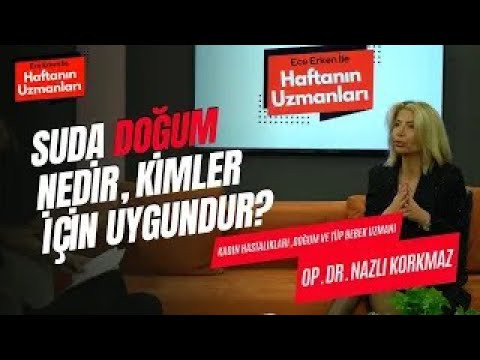
When discussing the intricacies of the water birth procedure in Turkey, it is fundamentally crucial to distinguish between two closely related clinical concepts. Many expectant parents and even some healthcare providers use the terminology interchangeably, but specialized medical professionals categorize them distinctively as "water labor" and "birthing into water." As clearly articulated by the expert obstetrician in the video at [01:32], water labor specifically involves the mother spending her active labor and contraction phases submerged in a warm therapeutic pool. This method is utilized primarily to manage severe pain naturally, promote deep muscular relaxation, and reduce clinical anxiety, though the actual crowning and delivery may ultimately occur outside the tub on a traditional gynecological bed.
Conversely, birthing into water indicates that the infant is born completely submerged within the warm water environment. During this comprehensive approach, the mother remains comfortably positioned in the birthing pool throughout the entirety of the intense pushing phase. The baby is delivered into the fluid and is only gently brought to the surface of the water moments after birth. Both distinct methods are highly effective and clinically proven strategies for pain management and maternal stress reduction.
The definitive choice between these two nuanced approaches depends heavily on the individual mother's comfort levels, the progression of dilation, and the medical team's continuous fetal assessment during active labor. If the physiological progression is deemed entirely healthy and steady without any unexpected complications, remaining in the aquatic environment for the final delivery creates a beautifully seamless transition. Thoroughly exploring these medical nuances early in the pregnancy allows parents to formulate highly informed, confident decisions regarding their ultimate birthing plan.
What Are the Main Benefits of Choosing a Natural Water Birth for Mother and Baby?
The extensively documented physiological and psychological advantages of giving birth in water are truly remarkable for both the mother and the newborn child. The natural buoyancy provided by the deep water pool offers immense, immediate relief from the heavy gravitational pressure that is so commonly experienced during late-stage pregnancy and active labor. This profound sense of weightlessness enables the expectant mother to move freely, adjust her posture effortlessly, and instinctively find the most comfortable anatomical positions to facilitate descent, a vital factor highlighted in the expert discussion at [02:30].
Furthermore, the precisely regulated warm temperature of the water serves to naturally neutralize severe physical tension, effectively acting as a powerful relaxant for the body's overexerted muscles. One of the most significant and highly praised medical benefits of this method is the drastic reduction in severe perineal tearing. The continuous exposure to warm water naturally increases the elasticity and pliability of the perineal tissues, allowing the delicate area to stretch much more organically as the baby's head begins crowning. Consequently, obstetricians rarely need to perform an episiotomy—a surgical incision of the perineum—which represents a major physical and psychological relief for expectant mothers.
From the delicate infant's perspective, the physical transition from the protective amniotic fluid of the womb to the outside world is exceptionally gentler. Being born directly into warm water closely mimics the secure, familiar environment of the maternal uterus, completely preventing the sudden sensory shock associated with abrupt temperature changes and harsh clinical lighting. Medical professionals consistently observe that babies born through this method are significantly calmer, exhibit far less distress, and cry considerably less immediately after birth.
Key Advantages of Aquatic Childbirth
- Enhanced Endorphin Production: The soothing warm water stimulates the brain to release higher levels of endorphins, acting as a potent natural analgesic.
- Lower Blood Pressure: The relaxing environment drastically reduces maternal anxiety, which helps in maintaining a stable and healthy blood pressure throughout labor.
- Improved Blood Circulation: Buoyancy promotes better oxygenation of the uterine muscles, which can lead to more efficient and less painful contractions.
- Prevention of Tearing: Softened perineal tissues significantly lower the risk of severe lacerations, meaning faster and more comfortable postpartum healing.
- Trauma-Free Newborn Transition: The infant experiences a peaceful, gradual introduction to the world, enhancing initial bonding and reducing fetal stress.
Who is an Ideal Candidate for the Safe Water Birth Procedure in Turkey?
While the natural water birth process offers an array of incredible holistic benefits, it is vitally important to understand that it is not a universally suitable option for every single pregnancy. Uncompromised medical safety remains the absolute top priority in any clinical setting, and rigorous prenatal screening is a mandatory prerequisite. According to the detailed specialist insights shared at [05:04], the absolute ideal candidate for this method is an expectant mother who is experiencing a completely uncomplicated, low-risk, and full-term pregnancy.
Additionally, the baby must be perfectly oriented in the correct head-down (vertex) position to ensure a smooth, unobstructed vaginal delivery. Mothers diagnosed with chronic or pregnancy-induced health conditions such as severe hypertension, preeclampsia, or gestational diabetes typically require much closer, continuous electronic monitoring that a standard water birth setup cannot safely accommodate. Furthermore, any sudden clinical signs of fetal distress, premature labor occurring before 37 weeks, or instances of active vaginal bleeding will immediately and definitively disqualify a patient from attempting a pool delivery.
The overarching and inflexible rule within modern obstetrics is that maternal and infant safety must never be compromised for the sake of a preferred birthing experience. To meticulously clarify these strict medical parameters, expectant parents must undergo thorough, comprehensive consultations with their primary obstetricians. These rigorous medical assessments ensure that the baby has reached full physiological maturation and that the mother's body is perfectly primed for a natural aquatic delivery.
| Ideal Candidates for Water Birth | Contraindications (Not Recommended) |
|---|---|
| Full-term pregnancy (37 weeks or more) | Premature labor (Under 37 weeks) |
| Single baby in a head-down (vertex) position | Multiple pregnancies (Twins, triplets) or breech position |
| Healthy maternal blood pressure | Preeclampsia or severe maternal hypertension |
| Clear amniotic fluid upon water breaking | Meconium presence or active severe bleeding |
How to Prepare for a Successful Underwater Childbirth Experience
Comprehensive preparation is the undeniable cornerstone of a highly successful, safe, and profoundly empowering delivery. Preparing for an aquatic birth goes far beyond the logistical steps of simply setting up a sterilized pool in the hospital's delivery room. As detailed thoroughly by the medical expert at [05:35], consistent physical and deep mental conditioning throughout the entirety of the pregnancy phase is highly recommended, if not entirely essential. Engaging in specialized prenatal pilates, customized yoga routines, and targeted birthing exercises helps to significantly strengthen the pelvic floor muscles.
These exercises effectively align the mother's body, creating optimal physical conditions for a natural, unobstructed labor process. Mothers are strongly encouraged by their healthcare teams to deeply connect with their bodies and cultivate a firm trust in the natural, biological, and physiological process of childbirth. The female uterus is inherently biologically coded to perform this exact function, and achieving a state of mental preparedness helps actively remove the subconscious fear and muscular resistance that so often prolong the labor timeline. Mastering specialized breathing techniques and practicing deep mindfulness play a massive, critical role in maintaining an aura of calm when uterine contractions reach their peak intensity.
On the clinical and hospital side, the preparation involves highly strict, standardized protocols to guarantee safety. Once the expectant mother's cervix successfully reaches the appropriate stage of active dilation, the customized birthing pool is meticulously filled with purified water that precisely matches the mother's internal core body temperature. The entire clinical setup is prepared using heavy-duty, single-use sterile covers to ensure maximum hygienic integrity, perfectly reflecting the uncompromising high standards of maternal care provided in modern, top-tier Turkish medical facilities.
Debunking Common Myths: Is Water Birth Safe from Infection and Drowning?
When actively exploring highly alternative or holistic delivery methods, many concerned parents inevitably encounter a heavy barrage of urban myths and unfounded medical misconceptions. The most prevalent, deep-seated fears surrounding the concept of birthing in a full pool are the assumed risks of the newborn baby drowning or the mother contracting a severe bacterial infection. Addressing these widespread anxieties head-on at [06:55], the specialist provides incredibly clear, undeniable medical facts to ease parent's minds. It is a biological reality that babies simply do not take their first breath while they are completely submerged in fluid.
They continue to safely receive rich, oxygenated blood directly through the intact, pulsating umbilical cord until their facial receptors physically meet the open air. This fascinating physiological phenomenon is medically known as the "mammalian dive reflex," an incredible natural, built-in mechanism that entirely prevents healthy newborns from inadvertently inhaling water into their fragile lungs. They remain in a highly secure, perfectly oxygenated state, existing exactly just as they did for nine months within the maternal womb. Only after the attending physician gently lifts the infant to the surface, and their facial skin contacts the cooler air, do their lungs physically expand to take in their very first breath of oxygen, making the brief underwater transition remarkably, inherently safe.
Regarding the equally common concerns about infection control, modern, well-equipped medical facilities employ the most rigorous, scientifically backed sterilization procedures available today. The specialized birthing pools are meticulously lined with heavy-duty, single-use, sterile industrial covers for every individual patient, ensuring zero cross-contamination. Furthermore, the water temperature and purity are continuously, carefully managed by the nursing staff. The dedicated medical team maintains strict, unwavering aseptic techniques throughout the entirety of the delivery, effectively and completely minimizing any realistic risk of bacterial transmission to either the vulnerable mother or the newborn child.
The Father's Role During a Water Birth: Can Partners Join the Birthing Pool?
The contemporary, progressive approach to modern childbirth heavily and actively emphasizes deep family integration and unwavering partner support throughout the entire clinical process. A very common and heartfelt question among modern expectant parents is whether the father is legally and medically permitted to physically participate in the water pool during the actual delivery. The answer provided by the expert is a resounding, enthusiastic yes, as discussed in beautiful detail at [07:50]. Many dedicated fathers consciously choose to enter the warm water alongside their partners to provide immediate, hands-on physical anchoring and profound emotional support.
Having a committed partner actively present in the birthing pool creates a deeply intimate, immensely bonding, and highly secure environment for the laboring mother. The father can practically help by supporting the mother's shifting body weight, offering targeted lower back massages during intense contractions, and providing a constant stream of comforting, familiar verbal reassurance. This deeply shared, collaborative experience often drastically elevates the emotional and psychological significance of the birth, beautifully transforming what is often viewed as an isolated, sterile medical procedure into a highly unified, joyous family milestone.
Furthermore, this close physical proximity and dedicated emotional support actively and powerfully stimulate the natural release of high levels of oxytocin within the mother's brain. Frequently and accurately referred to as the "love hormone," a steady flow of oxytocin is absolutely essential for progressing the rhythm of labor contractions naturally and managing perceived pain levels effectively. By bravely and actively participating in the aquatic environment, fathers directly, biologically contribute to a significantly smoother, undeniably faster, and vastly more comfortable delivery process for the mother of their child.
Comparing Birthing Options: Water Birth vs. Epidural Delivery Differences
As proactive expectant mothers carefully draft and finalize their personalized birth plans, they very often find themselves deeply weighing the complex pros and cons of vastly different clinical pain management strategies. The detailed comparison between holistic, natural water deliveries and highly medicalized, assisted epidural births is a very frequent and vital topic of obstetric consultation. Discussed in comprehensive clinical detail at [10:12], the primary and most significant distinction lies entirely in the fundamental use of aggressive pharmacological interventions. A dedicated pool birth relies completely and entirely upon the deeply soothing, therapeutic properties of warm water and the mother's own internal cascade of natural endorphins.
An epidural procedure, conversely, involves an anesthesiologist directly injecting powerful synthetic anesthesia into the delicate spinal space to completely and artificially numb the entire lower half of the mother's body. While undeniably and highly effective at entirely eliminating the physical sensation of pain, an epidural medication can very often severely restrict the mother's basic physical mobility and drastically decrease her natural, biological urge to push during the final stages. This heavy medical intervention also mandates continuous, restrictive electronic fetal monitoring and an intravenous (IV) fluid drip, effectively keeping the laboring mother permanently confined to a standard hospital bed for the duration of the event.
In a properly managed water delivery setting, the expectant mother retains complete, unhindered control over her physical body and all her bodily movements. If the natural labor process stalls unexpectedly, or if the mother eventually feels she can no longer safely tolerate the rising intensity of the contractions, she always, unconditionally retains the medical option to exit the pool safely and formally request an epidural block. However, many women report that the incredible freedom of unrestricted movement and the deeply comforting, weightless embrace of the warm water provide all the adequate pain relief they genuinely require to succeed.
An Empathetic Approach in Modern Obstetrics and Gynecology
Behind every single successful, safe, and positive medical procedure is a highly dedicated, compassionate professional equipped with a profound, personal understanding of holistic patient care. In the highly sensitive realm of modern obstetrics and gynecology, demonstrating genuine human empathy is just as absolutely vital as possessing top-tier clinical and surgical expertise. As beautifully and emotionally revealed at [12:12], a dedicated doctor's own deeply personal connection to the childbirth experience heavily and positively influences their daily clinical practice. Fully recognizing the immense physical vulnerability and psychological fragility that women face during active labor is the absolute essential foundation for providing truly trauma-free, supportive care.
Historical familial context very often powerfully shapes modern medical philosophy and a practitioner's bedside manner. Many generations ago, strong women were forced to endure childbirth in incredibly harsh, medically unsupported, and frightening conditions, sadly often resulting in deeply tragic, preventable outcomes. The highly poignant, deeply moving personal story shared by the specialist regarding her own grandmother's fatal childbirth experience in the rugged 1930s strongly underscores the immense, life-saving progress made in global maternal healthcare over the last century. This family history clearly fuels a passionate, unwavering professional commitment to ensuring that absolutely no modern mother ever feels painfully alone, ignored, or clinically unsafe during her delivery journey.
This deep-rooted, genuine clinical empathy drives the strong modern advocacy for natural, highly patient-centered birthing options like the water birth procedure. By consciously treating every single delivery with the utmost human respect, unparalleled dignity, and offering viable clinical choices that genuinely empower women, medical professionals can successfully transform childbirth from a feared medical event into a deeply joyful, highly triumphant life milestone. The ultimate, unwavering clinical goal is always, without exception, to deliver a perfectly healthy baby while ensuring a deeply fulfilled, psychologically strong, and physically well mother.
Ready to Plan Your Natural Water Birth?
Experience the safest, most empowering childbirth with top-rated medical professionals in state-of-the-art facilities. Connect with leading obstetricians today to discuss your birth plan, evaluate your eligibility, and receive comprehensive guidance for a beautiful delivery journey.
Get Free Quote & ConsultationView Full Video Transcript
[00:00] Ece Erken:
Haftan?n uzmanlar?na ho? geldiniz. Ho? geldiniz, merhabalar. Bugün konu?umuz Operatör Doktor Nazl? Korkmaz, Kad?n Hastal?klar? Do?um ve Tüp Bebek Uzman?. Ho? geldiniz Nazl? Han?m. Hemen soral?m, do?um çe?itlerini ve ideal do?um yöntemine nas?l karar verildi?ini?
[00:38] Op. Dr. Nazl? Korkmaz:
Do?um kad?n hayat?nda çok önemli bir nokta. Annelik serüveninin ba?lad??? nokta, asl?nda evlat olmaktan anne olmaya geçi? yap?lan nokta. O yüzden benim için maneviyat? çok büyük. Bu noktada tabii 9 ayl?k süreçte biz kad?nlar?m?zla tan???yoruz, psikolojik ve bedensel olarak zaten gözlemliyoruz. Kad?n?n hem psikolojisine hem fizyolojisine en uygun do?um hali. Tabii bizim burada en belirgin kriterimiz annenin ve bebe?in sa?l???na herhangi bir riske atmadan uygulanacak do?um yöntemi.
[01:13] Op. Dr. Nazl? Korkmaz:
E?er normal do?um pozisyonuna uygunsa ve buna psikolojik olarak da uygunsa tabii ki normal do?um tercih ediyoruz. Ama herhangi bir riziko durumu varsa ya da annenin farkl? bir iste?i, bebek için bir s?k?nt? söz konusuysa sezaryen do?umda tabii ki devreye giriyor.
[01:28] Selman Eke:
Burada iki kavram var birbiriyle çok benzeyen; suda do?um ve suya do?um. Aradaki fark ne acaba?
[01:35] Op. Dr. Nazl? Korkmaz:
Suda do?um benim çok kulland???m do?um yöntemlerinden biri. Asl?nda normal do?umun suya yap?lmas?. Bu noktada farkl? yöntemler kullan?labiliyor. Benim uygulad???m ve hastan?n da do?um eylemi el verirse tamamen bu sürenin suda geçirilip bebe?in de suya gelmesi ?eklinde oluyor.
[02:00] Op. Dr. Nazl? Korkmaz:
Ama bazen ilerlemedi?inde sadece sudan destek al?p, bunu du? ?eklinde uygulayan da var. Yine havuza sokup bir miktar suyla rahatlad?ktan sonra tekrar jinekolojik masaya al?p karada do?um yani o da yine suda do?um olarak geçiyor. Ama tercihimiz her ?ey el veriyorsa suya do?um.
[02:26] Selman Eke:
Avantaj? ne acaba?
[02:27] Op. Dr. Nazl? Korkmaz:
?öyle, su asl?nda hepimizin bar???k oldu?u bir kavram, çok da rahatlat?c?d?r. Asl?nda gerginli?imizi al?r her manada. Biz bunu do?umdaki stres an?nda da kullanm?? oluyoruz. Vücudu nötralize ediyor, gerginli?i önlüyor, rahatlat?yor, relaksasyon sa?l?yor. Bir di?er konu da asl?nda bu jinekolojik masa biz kad?nlar?n hepimizi korkutan bir ?ey.
[02:49] Op. Dr. Nazl? Korkmaz:
Yani orada savunmas?z jinekolojik pozisyonda bir ?eyi yapmakla yükümlü olmak bir kad?n için bence de travmatize edici. Ama suda çok daha rahat bir hareket alan? var. Kendi istedi?i rahat oldu?u pozisyonu alabiliyor. Suyla rahatlam?? oluyor, daha rahat hissediyor ve bebe?in de tabii suya gelmesi bebek için de ayr?ca avantajlar sunuyor bize.
[03:14] Selman Eke:
Evet, suda do?um süreci nas?l i?ler? Annenin ve bebe?in sa?l??? nas?l izlenir bu süreçte?
[03:20] Op. Dr. Nazl? Korkmaz:
E?er gebeli?imiz zaman? doldu ve normal do?um için uygun pozisyonda, annenin de suya kar?? herhangi bir fobisi yok, normal do?um eylemi ilerledi ve belli bir aç?kl??a geldi. O noktadan sonra biz suya al?yoruz gebeyi. Suda egzersizlerimize, birtak?m do?um pozisyonlar?m?za devam ediyoruz. Baba mutlaka yan?m?zda oluyor bu süreçte ve tamamen bebek suya ç?k?ncaya kadar bu süreci suda gerçekle?tirmi? oluyoruz.
[03:50] Op. Dr. Nazl? Korkmaz:
Avantajlar? ?öyle; kesi atm?yoruz. Yani ben mecbur kalmad???m noktada hiçbir do?um ?eklimde kesi kullanm?yorum ama kesi yok, y?rt?k yok, anne için perine zaten kendili?inden gev?emi? oluyor suyun etkisiyle. Bu da fevkalade oluyor o güzel kavu?ma an? için.
[04:10] Ece Erken:
A?r? da, ac? da daha m? az oluyor?
[04:13] Op. Dr. Nazl? Korkmaz:
Kesinlikle, çok etkiliyor. Çok etkiliyor. Ben hep ?unu söylerim; bir fizik profesörünü do?urtmu?tum ben suda. Bunu tabii bir bilim kad?n?ndan duymak apayr? bir ?eydi. ?kinci do?umunu biz gerçekle?tirdik. Çok rasyonel bir kad?n, 5 santimle geldi hastaneye ve sonras?nda yataktan suya ald???m?zda dedi ki: "Benim az önceki yataktaki halimle ?u an aras?nda da?lar kadar fark var ve her kad?n bunu deneyimlemeli gerçekten."
[05:04] Selman Eke:
Peki bu yöntem herkese uygulanabilir bir yöntem mi?
[05:07] Op. Dr. Nazl? Korkmaz:
?öyle, normal do?um için bir s?k?nt?s? yoksa, bebe?in geli? pozisyonu uygun, anne normal do?um için uygun bir aday, annenin kronik hastal??? söz konusu de?il, ileri derece bir ?eker, bir tansiyon söz konusu de?ilse, bir kanama durumu söz konusu de?ilse, 37 haftan?n üstünde yani bebek tam maturasyonunu sa?lam?? olmal?. ?artlar sa?lan?yorsa her normal do?um yapan kad?n suda do?um yapabilir.
[05:35] Ece Erken:
Haz?rl?k süreci ne oluyor bunun?
[05:37] Op. Dr. Nazl? Korkmaz:
Haz?rl?k süreci, benim kendi gebelerime özel mutlaka her ?ey müdahalesiz, do?as?nda olsun ve bu bir hissiyat ?eklinde. Çünkü rahim zaten asl?nda bu görevi yapmaya kodlu. Kollar?m?z, bacaklar?m?z gibi. Sadece biraz e?itmek gerekiyor. O yüzden biz mutlaka gebelik sürecinde pilates, gebelik pilatesi, do?um egzersizleri, bu pozisyonlar üzerine mutlaka çal???yoruz. Bunlar önemli ki suyun içinde kendi rahat etti?i pozisyonu bulabilsin.
[06:08] Op. Dr. Nazl? Korkmaz:
Onun d???nda mutlaka tabii ki hastanenin tam donan?m?n?n olmas? gerekiyor, su havuzunun haz?r olmas? gerekiyor ve mutlaka steril örtüm gerçekle?tiriliyor her hastan?n kendine özel. Bir di?er nokta da biz birebir hastayla takipte oluyoruz. Do?um eylemine girmeye ba?lad??? andan itibaren biz hastanede zaten haz?rl?klar? yapt?r?yoruz.
[06:42] Selman Eke:
?imdi her konuda hurafe, mitler oldu?u gibi ?üphesiz kuvvetle muhtemel bu konuda da vard?r. Bu konudaki mitler, hurafeler ve bunu bertaraf eden gerçekler neler?
[06:53] Op. Dr. Nazl? Korkmaz:
Çok fazla var. Enfeksiyon, bebek suyu yutar m?? Yutarsa eyvah bir ?ey olur mu? Bebek 9 ay boyunca zaten su dolu bir kesenin içinde. O ?ekilde geliyor. Biz kordonunu kesmedi?imiz sürece zaten daha oradan anneyle al??veri?i devam ediyor. O noktada biz anneyle gö?üs gö?üse ten tene temas? yapt?ktan ve zaten bir dakika bekledikten sonra kordonu kesiyoruz ve herhangi bir s?k?nt? olmas? söz konusu de?il.
[07:21] Op. Dr. Nazl? Korkmaz:
Yani tekni?i do?ru bilince nefes alm?? ya da kordonu kesilmi? bebe?i al?p da tekrar suya sokarsak bu tabii ki s?k?nt?. Ama ilk anda zaten anne rahmine e?de?er bir yere gelmi? oluyor, sonra annesiyle kavu?mu? oluyor. Bir di?er olay da enfeksiyon. Burada sterilizasyon tabii ki önemli. Ki?iye özel steril örtü mutlaka gerçekle?tirilir, o ?artlar zaten sa?lan?yor.
[07:49] Ece Erken:
Baba da girebiliyor mu havuza?
[07:51] Op. Dr. Nazl? Korkmaz:
?steyen babalar? evet al?yorum, benim videolar?mda da bolca var. ?stiyorlar gerçekten. Tepkileri nas?l oluyor? Onlar tabii o ac?y? bilmedikleri için... Asl?nda anneler biraz da bunu onlar da görsün ve bu payla??m? ya?as?n istiyoruz. Ben lohusal?k depresyonundan çok babalar?n rol d???na itildi?ini dü?ünüyorum. Çünkü anne bebekle ba?lan?yor, baba birden d??ar?da kal?yor. Asl?nda bu bütünlenmeyi hissetmek için ben ekstra bir direnci yoksa babalar? mutlaka al?yorum suya.
[09:01] Selman Eke:
Bu deneyimi tecrübe eden annelerin fikirleri nelerdir? Yani nas?l bir tecrübeyle size geliyorlar, ne anlat?yorlar?
[09:08] Op. Dr. Nazl? Korkmaz:
Fevkalade. Aç?kças? onlardan gördükçe ben de daha ?evkle yap?yorum. "Hocam suya girdi?im anda hissiyat?m tamamen de?i?ti, ben bunu yapabiliyormu?um gerçekten, ne kadar muazzam bir and?" ?eklinde. Nitekim o fizik profesörü hastam?z?n müspet fikirlerini de belirttim. Genel anlamda çok çok güzel. Hatta amiyane olacak ama bu gerçekten asl?nda bir kad?n?n ya?ayabilece?i en büyük haz duygusu, keyif duygusu.
[09:40] Op. Dr. Nazl? Korkmaz:
Do?urabilme yetene?i, bunu görerek yap?yor, bask? alt?nda de?il, acele yok, rahat rahat asl?nda bu ritüeli ya?am?? oluyor. Ve ?eyi de görüyorum ben, hem annelerle bebeklerin ba?? çok daha iyi hem de gözlemledi?im, henüz böyle bir çal??ma yapmad?k ama yapaca??m diye dü?ünüyorum, bebekler çok daha huzurlu ve sakin. Gerçekten öyle.
[10:12] Ece Erken:
Epiduralle yap?lan do?umlarla k?yasland???nda nas?l bir deneyim?
[10:19] Op. Dr. Nazl? Korkmaz:
Bu çok daha do?al olan bir yöntem. Herhangi bir ilaç, herhangi bir giri?imde bulunmuyoruz. Epidural (prenses do?um) da kulland???m yöntemler aras?nda, hastaya göre karar veriyoruz asl?nda. Bu da gebelik sürecinde çok net olmuyor. Do?um ba?lad?ktan sonra, bazen beklemedi?imiz durumlar oluyor; hastan?n aç?kl??? yok ama suyu geldi, do?umun ilerlemesi laz?m. Hasta a?r?y? tolere edemiyor ama daha yolumuz çok.
[10:48] Op. Dr. Nazl? Korkmaz:
Suya girmeye de zaman var, bo?una orada suda zaman geçirmenin çok bir esprisi olmayacak. O noktada epidural do?umu öneriyorum ben. Ne yap?yoruz? A?r?y? kesiyoruz. Epidural do?umun asl?nda sevilmeyen sonucu ç?k?m an?nda hasta ?k?namad??? için kesiye ihtiyaç duyulmas?. Ben o noktada ç?k?ma do?ru epidurali tamamen blokluyorum. Zaten hasta kendi do?urmu? oluyor.
[11:31] Selman Eke:
Son soru olarak, bir kad?n ve bir anne olarak do?urma ve anne adaylar?na yakla??m ya da öneriler ne olabilir?
[11:38] Op. Dr. Nazl? Korkmaz:
Ben burada çok empatik yakla?t???m? dü?ünüyorum. Belki her hekim söyleyecektir ama bende bu olay biraz çok özel, maneviyat? yüksek. ?öyle anlatay?m, bizzat bedeninizde ya??yorsunuz yani. Evet, asl?nda her konuda her hastaya her ameliyat? yaparken bir kad?n oldu?u için empatik yakla?mak laz?m çünkü benim bedenim ayn? ?eye nas?l tepki verirdi?
[12:12] Op. Dr. Nazl? Korkmaz:
Benim babaannem y?llar y?llar öncesinde, 1930'larda do?unun ücra bir kö?esinde bir do?um neticesinde hayat?n? kaybediyor. Ku? uçmaz kervan geçmez k?? zaman? karl?, o zaman doktor hastane ?artlar böyle de?il. Kötü olan do?um ba?l?yor, ilk bebek do?uyor tamam ama kanama devam ediyor çünkü arkadan gelen ikinci bir bebek var. Tabii ultrason yok bunun fark edilmesi mümkün de?il o dönemde. 24 saat içinde ikinci bebek do?uyor ve bebekler de hayat?n? kaybediyor peyderpey babaanne de kaybediyor.
[12:51] Op. Dr. Nazl? Korkmaz:
Bu hikayeyle büyüyünce ?imdi annesiz kalan bir baba, amcalar?n asl?nda o duygu durumunu görüyorsunuz ve nitekim bu olaylar çokça oluyordu. O yüzden anne sa?l???, çocu?un anneyle birlikte olmas? bende hep çok ba?ka bir yerdeydi. Bir ?ekilde kad?n do?uma evrildim, kad?nlara dokunmay? hep çok sevdim. Ben de anne olunca bu i? asl?nda taçland?, üzerine ikizlerim de gelince bu tesadüf de?il.




-Package-in-Kyrenia,-Cyprus-by-Kyrenia-IVF-Center.jpg)




.jpg)









Share this listing