


Watching your child take their first steps is a monumental milestone for any parent. However, if you notice your toddler persistently walking on the balls of their feet, it is natural to feel a deep sense of concern regarding their development. Addressing these specific concerns through comprehensive pediatric physical therapy for toe walking in Turkey offers families global access to world-class medical expertise. Early intervention can make a significant difference in preventing long-term structural abnormalities and ensuring healthy motor skill progression.
While occasional toe walking is a completely normal part of the early learning process, persistent tiptoe walking beyond the age of two warrants professional medical evaluation immediately. The root causes of this gait abnormality can range from simple physiological issues, such as [00:10] Achilles tendon tightness, to highly complex neurological conditions. By consulting with a specialized pediatric physical therapist, parents can obtain an accurate differential diagnosis. This extensive guide explores the multifaceted aspects of toe walking, critical diagnostic criteria, and the exceptional rehabilitation services available for international pediatric patients.
Video Chapters & Quick Navigation
- Understanding Persistent Toe Walking
- Achilles Tendon Tightness Treatment
- Diagnosing Neurological Causes
- Consulting an Orthopedic Specialist
- Cerebral Palsy Centers in Turkey
- Effective Idiopathic Protocols
- Long-Term Spasticity Management
- Comprehensive Diagnostic Tools
- Custom Ankle-Foot Orthoses
- Nutritional & Holistic Support
Understanding Persistent Toe Walking in Child Development
Toe walking is a specific gait abnormality characterized by an absence of normal heel-to-floor contact during the stance phase of walking. Between the ages of 12 and 18 months, children are actively developing their core balance, coordination, and spatial awareness. During this exploratory early phase, many toddlers naturally experiment with different foot strike patterns to find stability.
This early tiptoeing is generally considered a completely normal developmental variation. It most often resolves spontaneously as the child gains more physical confidence and structural stability on their feet. However, when a child continues to walk primarily on their toes beyond the age of three, it is medically classified as persistent or idiopathic toe walking.
This prolonged condition requires careful clinical observation and professional assessment to firmly rule out underlying physiological anomalies. Persistent toe walking can inevitably lead to negative structural changes in the developing foot and ankle over time. These detrimental changes primarily include the severe shortening of the calf muscles and the vital Achilles tendon.
This resulting adaptive shortening makes it biomechanically difficult for the growing child to place their heel flat on the ground. It creates a stubborn, self-perpetuating cycle of tiptoe walking that strictly requires clinical intervention. Parents should monitor their child's walking habits closely for any signs of muscle stiffness or frequent physical stumbling.
Achilles Tendon Tightness Treatment for Children
One of the most frequent physiological contributors to toe walking in pediatric patients is a functionally shortened Achilles tendon. As highlighted by medical rehabilitation experts [00:10], simple Achilles tendon tightness can forcefully compel a child to adopt a tip-toe gait. This physical structural restriction actively prevents the heel from properly reaching the floor during movement.
The Achilles tendon is a massively robust band of fibrous connective tissue linking the calf muscles to the heel bone. It plays an absolutely indispensable role in the complex biomechanics of walking, running, and jumping safely. When this essential tendon is abnormally tight, the entire ankle joint's range of motion becomes severely limited.
This severe limitation is particularly evident in dorsiflexion, which is the necessary action of bringing the foot upward toward the shin. Without adequate dorsiflexion flexibility, a normal and healthy heel strike is completely impossible to achieve. Developing children rapidly adapt to this mechanical limitation by simply walking on the balls of their feet constantly.
If left untreated early on, the chronic elevation of the heel further shortens the calf musculature drastically. Diagnosing Achilles tendon tightness always involves a thorough physical examination by a qualified pediatric orthopedic specialist. Identifying this musculoskeletal restriction early is absolutely vital for highly successful conservative medical treatment.
Neurological Causes and Diagnosing Cerebral Palsy
While mechanical tendon restrictions are very common, persistent toe walking can also heavily indicate underlying neurological disorders. As carefully noted in clinical guidance [00:15], major neurological problems must be carefully considered during any gait evaluation. The body's central nervous system directly controls muscle tone, complex coordination, and vital reflexive physical responses.
Any subtle disruption in these neural pathways can instantly lead to abnormal and restrictive muscle firing patterns. Cerebral palsy is globally recognized as the most prominent neurological condition associated directly with persistent toe walking. It represents a broad group of non-progressive motor disorders caused by early damage to the developing infant brain.
In young children diagnosed with spastic cerebral palsy, there is an abnormal, constant increase in muscle tone in the lower extremities. This severe localized spasticity disproportionately affects the calf muscles, pulling the heel upward forcibly and continuously. Recognizing the very early signs of cerebral palsy [00:36] is highly imperative for establishing a proper comprehensive care plan.
Beyond standard cerebral palsy, conditions like early-onset muscular dystrophy or hidden spinal cord anomalies can also manifest with toe walking. Differentiating accurately between these highly complex neurological etiologies requires a highly specialized multidisciplinary medical approach immediately.
Why You Must Consult a Pediatric Orthopedic Specialist
Given the incredibly diverse range of potential physical causes, seeking a professional medical evaluation is absolutely crucial for your child. Parents observing persistent toe walking should never adopt a passive "wait and see" approach indefinitely regarding their child's mobility. Elite rehabilitation experts [00:18] stress that a child must be thoroughly evaluated to establish a highly accurate medical diagnosis.
Delayed or denied medical intervention can frequently lead to irreversible joint deformities and chronic physical pain in adulthood. A comprehensive specialist evaluation always begins with a detailed medical and prenatal family history review. The orthopedic specialist will carefully conduct a meticulous physical examination to assess existing muscle tone and joint flexibility.
Advanced diagnostic imaging modalities may be safely utilized to perfectly pinpoint the exact cause of the gait abnormality. Once a clear, definitive diagnosis is firmly established, the specialist will formulate a completely customized treatment protocol. This highly individualized approach is paramount for ensuring and achieving optimal long-term mobility and comfort.
Cerebral Palsy Rehabilitation Centers in Turkey
In recent highly progressive years, Turkey has distinctly emerged as a premier global destination for advanced pediatric medical care. Families globally are actively seeking specialized cerebral palsy rehabilitation centers in Turkey due to the exceptional international standard of care. Turkish rehabilitation centers are fully equipped with the absolute latest robotic rehabilitation technologies and massive aquatic therapy facilities.
The vast clinical expertise of Turkish medical professionals in managing highly complex pediatric cases is internationally recognized and awarded. Facilities dedicated entirely to physical therapy employ holistic treatment paradigms deeply integrating physical, occupational, and focused speech therapies. This incredibly cohesive approach is particularly beneficial for treating children with multifaceted conditions like spastic cerebral palsy.
The deeply compassionate and strictly child-centric care environment successfully fosters highly positive psychological healing outcomes. This nurturing approach makes the incredibly intensive rehabilitation process far less daunting for both the child and their stressed family. Moreover, the unmatched cost-effectiveness of these high-tier medical treatments makes it an incredibly attractive option for international medical tourists.
Effective Treatment Protocols for Idiopathic Toe Walking
When the definitive primary cause of toe walking is safely identified as isolated Achilles tendon tightness, the clinical prognosis is excellent. The solid foundation of this treatment involves highly targeted physical therapy programs uniquely designed to gently elongate the calf muscles. According to strict clinical pediatric guidelines [00:25], a focused 2 to 3-week physical therapy program consistently yields significant structural improvements.
These intense physical therapy interventions include a powerful combination of passive stretching exercises and supervised active home workouts. Dedicated physical therapists often incorporate highly engaging, play-based physical activities to encourage the child to perform dorsiflexion naturally. Safely strengthening the vital muscles located on the front of the shin is also crucially important to achieve a proper, lasting heel strike.
In rare pediatric cases where physical therapy alone is unfortunately insufficient, highly effective adjunctive therapies like leg serial casting are rapidly employed. The child's lower leg is carefully encased in a lightweight cast, gently and firmly holding the ankle in a fully stretched position. This specialized casting gradually increases the functional angle of dorsiflexion until the desired healthy range of motion is fully and permanently restored.
Long-Term Spasticity Management for Neurological Conditions
Safely managing persistent toe walking associated with complex neurological conditions requires an extensive, heavily structured lifelong medical approach. Because the physical issue aggressively stems from central nervous system damage, the condition cannot be cured in a traditional sense. Dedicated medical professionals clearly assert [00:40] that these specific neurological issues completely necessitate careful, strict adherence to a lifelong rehabilitation program.
The absolute primary goal of long-term spasticity management for cerebral palsy is to brilliantly optimize the child's daily functional independence. Highly consistent therapy sessions focus deeply on safely maintaining joint flexibility and actively preventing severe secondary musculoskeletal complications. Warm aquatic therapy is often highly beneficial for these patients as buoyancy reduces joint stress while therapeutic warmth heavily relaxes spastic musculature.
Advanced pharmacological interventions, such as targeted Botulinum toxin injections, are frequently utilized to temporarily paralyze extremely spastic leg muscles. This highly localized reduction in muscle tone provides a vitally crucial window for dedicated physical therapists to stretch muscles effectively. In particularly severe clinical cases, major orthopedic surgical interventions may be absolutely necessary to properly restore adequate, pain-free foot biomechanics.
Comprehensive Diagnostic Tools for Pediatric Gait Abnormalities
Firmly establishing a highly precise medical baseline through comprehensive diagnostics is completely mandatory before ever initiating physical therapy. Modern pediatric rehabilitation centers actively employ incredibly sophisticated diagnostic technologies to move far beyond simple visual clinical observation. Advanced computerized gait analysis laboratories are currently positioned right at the cutting-edge forefront of these crucially important diagnostic efforts.
These specialized, high-tech labs actively utilize multiple high-speed cameras and sensitive force plates to perfectly capture the exact kinematics of the child's walking pattern. By deeply analyzing specific joint angles and hidden muscle firing sequences, brilliant clinicians can easily pinpoint exact biomechanical walking faults. Dynamic high-resolution ultrasound and advanced neuroimaging currently play incredibly pivotal roles whenever a deeper neurological etiology is clinically suspected.
A detailed MRI scan of the developing brain and delicate spine can easily reveal extremely subtle structural anomalies like periventricular leukomalacia. Very early and highly accurate differential diagnosis effectively and completely prevents the incredibly frustrating implementation of completely ineffective physical treatments. This careful scientific precision essentially ensures every single child receives a highly targeted, heavily customized, and physiologically appropriate medical intervention plan.
Custom Ankle-Foot Orthoses for Pediatric Gait Correction
Used tightly in conjunction with heavily active physical therapy, strict orthotic management is a massively critical component of treating toe walking. Custom ankle-foot orthoses for pediatric gait correction are routinely prescribed by doctors to directly provide continuous structural support daily. These highly specialized, rigid braces are precisely molded specifically to the exact natural contours of the growing child's leg, ensuring absolute precise biomechanical alignment.
These perfectly customized medical devices are meticulously designed to structurally hold the flexible ankle at a highly precise 90-degree resting angle. This sturdy orthotic barrier physically prevents the rapidly developing child from unconsciously rising onto their toes during chaotic daily play activities. For active children presenting with simply diagnosed Achilles tendon tightness, articulated leg braces allow natural, pain-free movement while totally blocking excessive plantarflexion.
In highly complex cases involving spastic cerebral palsy, deeply solid orthoses may be absolutely necessary to safely counteract incredibly severe leg spasticity. The modern medical process of acquiring these custom orthotics currently involves incredibly advanced digital laser scanning and rapid 3D printing technologies globally. This modern manufacturing results in incredibly lightweight, massively durable physical braces that young children can easily and happily wear safely inside standard footwear.
Holistic Support and Nutritional Considerations in Rehabilitation
Achieving highly successful pediatric physical therapy for toe walking actively encompasses a deeply holistic approach heavily focused on the child's overall well-being. A child's underlying nutritional status naturally plays an absolutely crucial, foundational role in rapid muscle recovery and maintaining vital tendon elasticity. A properly balanced diet heavily rich in essential daily vitamins is medically vital for fostering robust bone development and rapid muscle repair.
Expert pediatric clinical dietitians actively collaborate with dedicated rehabilitation teams to heavily ensure vital nutritional needs are strictly met during critical growth spurts. Medically mismatched muscle and rapid bone growth rates can very easily and rapidly exacerbate pre-existing Achilles tendon tightness. The necessary psychological and deep emotional support consistently provided to the entirely stressed family simply cannot be overstated medically.
Elite premier rehabilitation facilities actively and constantly prioritize a heavily child-friendly healing environment cleverly utilizing engaging play therapy techniques. Dedicated pediatric psychologists regularly offer incredibly vital counseling sessions to exhausted parents, actively equipping them with crucial coping strategies for rigorous daily care. This incredibly comprehensive, multi-layered emotional support network truly distinguishes elite, globally recognized medical tourism destinations completely.
Comparing Causes of Toe Walking: Physiological vs. Neurological
Understanding the vital medical distinction between vastly different physical causes of toe walking is completely crucial for concerned parents globally. Below is a highly detailed comparative clinical overview carefully highlighting the exact key differences in medical diagnosis and active treatment approaches.
| Diagnostic Factor | Achilles Tendon Tightness | Neurological (e.g., Cerebral Palsy) |
|---|---|---|
| Primary Medical Cause | Musculoskeletal restriction, structurally shortened heel tendon. | Early brain injury, massive central nervous system spasticity. |
| Observed Muscle Tone | Usually completely normal, presenting with highly localized tightness. | Almost always heavily hypertonic (spastic) or highly variable. |
| Estimated Treatment Duration | Highly short-term (weeks to months) with excellent lasting results. | Strictly lifelong, heavily ongoing intensive rehabilitation management. |
| Most Common Interventions | Intense physical therapy, active stretching, leg serial casting. | PT, Botox muscle injections, custom orthotics, major orthopedic surgery. |
Key Takeaways for Parents Navigating Gait Abnormalities
- Early Observation is Extremely Key: Carefully monitor your young child's daily walking patterns incredibly closely, especially if toe walking heavily persists past the crucial age of two.
- Seek Immediate Specialist Evaluation: Do not ever actively delay consulting a highly specialized pediatric physiatrist or skilled orthopedic specialist to safely rule out highly complex neurological conditions.
- Strictly Adhere to Prescribed Therapy Regimens: Absolute consistency in performing daily physical therapy exercises, whether for 2-3 short weeks for mild tendon tightness or spanning lifelong for severe cerebral palsy, is completely critical for clinical success.
- Actively Explore Premium Global Care Options: Seriously consider highly advanced international medical hubs for accessing incredibly comprehensive care, such as elite pediatric physical therapy centers in Turkey.
Secure the Best Care for Your Child's Mobility
Don't let undiagnosed gait abnormalities negatively hinder your child's physical development. Connect directly with top-tier pediatric rehabilitation specialists today and actively explore highly personalized physical therapy programs available in globally recognized medical facilities.
Get Free QuoteView Full Video Transcript
[00:00] Çocu?unuz parmak ucunda yürüyorsa tela?lanmal? m?y?z?
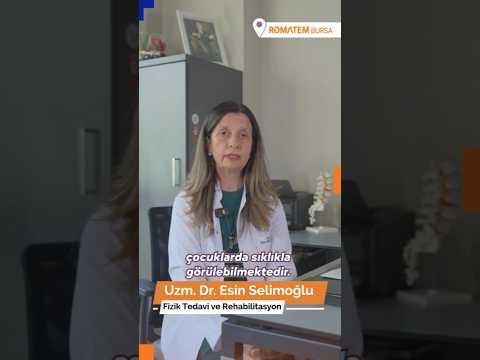
[00:04] Parmak ucunda yürüme çocuklarda s?kl?kla görülebilmektedir.
[00:08] Bizim için önemlidir.
[00:10] Çünkü parmak ucunda yürüme basit bir a?il tendon gerginli?inden kaynaklanabildi?i gibi
[00:15] nörolojik bir problemden de kaynaklanabilir.
[00:18] Dolay?s?yla çocu?u bir uzman de?erlendirmeli,
[00:21] tan?s?n? koymal?, tedavisine geçilmelidir.
[00:25] E?er sadece a?il gerginli?inden kaynaklan?yorsa
[00:28] bazen 2-3 haftal?k fizik tedavi programlar?
[00:32] ve egzersizle takip ömür boyu bir iyilik sa?layabildi?i gibi,
[00:36] serebral palsi gibi nörolojik bir problem varsa
[00:40] bir ömür dikkatle rehabilitasyon program?na uymas?n? gerektirecektir.










Share this listing