


Endometriosis is a complex, chronic condition acting as a hidden barrier to starting a family for millions of women. If you are struggling with unexplained pelvic pain or facing repeated infertility challenges, understanding your options for comprehensive endometriosis treatment and IVF in Czech Republic can be life-changing. Modern reproductive medicine offers tailored protocols specifically designed to address the inflammatory and structural obstacles of this disease.
By combining cutting-edge surgical techniques with personalized in vitro fertilization strategies, fertility specialists can significantly improve your chances of achieving a healthy pregnancy. The integration of reproductive immunology, specialized surgical interventions, and advanced embryology provides a clear pathway forward for patients who have previously struggled to conceive.
Video Chapters
- Understanding the Biological Mechanisms
- Recognizing Symptoms and Prevalence
- Navigating the Diagnostic Challenges
- How Inflammation Impacts Fertility
- Strategic Endometriosis Treatment and IVF
- Fertility Preservation Protocols
- Holistic Therapies and Nutritional Support
- Financial Planning for IVF Success
Understanding the Biological Mechanisms of Endometriosis
The endometrium is the specialized mucosal tissue that lines the interior of the uterine cavity. Under normal circumstances, this lining thickens throughout the menstrual cycle to prepare for embryo implantation and sheds during menstruation if pregnancy does not occur. Endometriosis develops when tissue structurally and functionally similar to this lining begins growing outside the uterine cavity [04:01]. These rogue tissue deposits can embed themselves on the ovaries, fallopian tubes, the outer surface of the uterus, the bladder, and even the intestines.
Because these ectopic lesions respond to the same hormonal fluctuations as the regular uterine lining, they also bleed during menstruation. However, unlike normal menstrual blood which exits the body, the blood from these external lesions becomes trapped inside the pelvic cavity. This trapped blood triggers a localized immune response, leading to chronic inflammation, the formation of scar tissue, and severe adhesions over time. Over months and years, this constant cycle of internal bleeding and healing distorts the natural pelvic anatomy, creating a hostile environment for natural conception.
Recognizing Severe Symptoms and Disease Prevalence
The statistical prevalence of this condition is alarming, affecting roughly one in ten women of reproductive age worldwide. The numbers become significantly more pronounced within the fertility care setting, where up to five out of ten women seeking treatment for infertility are diagnosed with endometriosis [06:01]. This high concentration in fertility clinics clearly highlights the severe impact the disease has on reproductive function.
Symptoms extend far beyond standard menstrual cramps. Women frequently endure severe dysmenorrhea that does not respond to over-the-counter painkillers. Deep pelvic pain during intercourse, known as dyspareunia, is another primary indicator, particularly when the disease infiltrates the rectovaginal septum [06:48]. Other red flags include chronic lower back pain, painful bowel movements, and intense fatigue.
Common Manifestations of Endometriosis
- Debilitating Menstrual Pain: Cramps that radiate to the lower back and legs, frequently causing missed work or school days.
- Pain During Intercourse: Sharp, deep pain during or after sexual activity caused by lesions near the vaginal canal.
- Gastrointestinal Distress: Symptoms mimicking Irritable Bowel Syndrome (IBS), including bloating, diarrhea, or painful bowel movements during menstruation.
- Infertility Issues: Difficulty conceiving after 12 months of unprotected intercourse, often prompting the initial diagnosis.
Navigating the Diagnostic Challenges in Modern Gynecology
One of the most persistent issues in women's healthcare is the diagnostic delay associated with endometriosis, which historically averages between seven to ten years from the onset of symptoms. This delay frequently stems from the normalization of severe period pain by both society and primary care providers. Women are often instructed to simply endure the discomfort or are prescribed basic hormonal contraceptives without further investigation into the root cause of their pain.
While standard transvaginal ultrasounds are excellent for identifying endometriomas—often referred to as "chocolate cysts" due to their dark, old-blood content—they routinely fail to detect superficial peritoneal lesions. These smaller, flatter lesions can cause immense pain and inflammation but remain invisible to standard imaging [09:25]. The absolute gold standard for a definitive diagnosis remains a diagnostic laparoscopy. During this minimally invasive surgical procedure, a camera is inserted through the umbilicus, allowing the surgeon to visually confirm the presence of ectopic tissue and take biopsies for histological verification [10:25].
| Diagnostic Method | Strengths | Limitations |
|---|---|---|
| Transvaginal Ultrasound | Highly effective for identifying ovarian endometriomas (chocolate cysts). Non-invasive and fast. | Cannot visualize superficial peritoneal lesions or deep infiltrating endometriosis on the bowel. |
| Magnetic Resonance Imaging (MRI) | Excellent for mapping deep infiltrating endometriosis prior to complex surgical planning. | Expensive, requires expert radiological interpretation, misses micro-lesions. |
| Laparoscopy (Gold Standard) | Provides direct visualization, allows for histological biopsy, and enables immediate surgical removal. | Requires general anesthesia, carries standard surgical risks, and involves recovery time. |
How Chronic Inflammation Impacts Fertility and Egg Quality
The relationship between endometriosis and infertility is multifaceted, involving both structural blockages and biochemical disruptions. From a structural standpoint, the recurrent inflammation creates dense, sticky scar tissue known as adhesions. In severe cases, these adhesions bind pelvic organs together, creating what specialists call a "frozen pelvis" [07:44]. When fallopian tubes are blocked or pulled out of alignment by this scar tissue, the natural journey of the egg and sperm is physically obstructed.
Beyond physical blockages, the biochemical environment of the pelvis becomes highly toxic to reproductive cells. Endometriosis lesions secrete high levels of inflammatory cytokines, prostaglandins, and macrophages into the peritoneal fluid. This toxic fluid bathes the ovaries and fallopian tubes, directly damaging sperm motility, impairing egg maturation, and significantly lowering the overall quality of oocytes. Furthermore, this systemic inflammation alters the uterine lining itself, making it highly unreceptive to embryo implantation even when fertilization successfully occurs [11:00].
Strategic Endometriosis Treatment and IVF in Czech Republic
Treating endometriosis in patients desiring pregnancy requires a highly delicate balance between managing pain and preserving ovarian function. Top-tier clinics providing endometriosis treatment and IVF in Czech Republic utilize a multidisciplinary approach, combining the expertise of reproductive endocrinologists, advanced laparoscopic surgeons, and reproductive immunologists. Specialized centers, such as Europe IVF in Prague, integrate all these disciplines under one roof to ensure cohesive patient care [03:04].
Medical management using hormonal suppression (such as Dienogest) can effectively shrink lesions and manage daily pain, but it fundamentally acts as a contraceptive, halting ovulation. Therefore, for patients actively trying to conceive, long-term hormonal suppression is counterproductive. Instead, the focus shifts to strategic surgical intervention combined with immediate in vitro fertilization. By expertly mapping the disease extent through advanced imaging and laparoscopy, surgeons can clear the pelvic cavity of inflammatory tissues, creating a narrow window of optimized fertility where IVF success rates dramatically increase.
The Multi-Specialty Advantage
- Reproductive Immunologists: Address natural killer cells and auto-immune responses that cause recurrent implantation failure.
- Clinical Geneticists: Screen embryos for chromosomal abnormalities, ensuring only the healthiest blastocysts are transferred.
- Expert Urologists: Address any concurrent male factor infertility issues to maximize fertilization rates.
Preserving Ovarian Reserve: The "Retrieve First" Protocol
One of the most critical paradigm shifts in modern fertility medicine involves the timing of surgical interventions for ovarian endometriomas. Historically, surgeons would immediately remove these chocolate cysts to alleviate pain. However, excising cysts directly from the ovary inherently strips away surrounding healthy ovarian tissue, causing a permanent, irreversible drop in a woman's Anti-Müllerian Hormone (AMH) levels and diminishing her ovarian reserve.
To prevent this iatrogenic loss of fertility, specialized IVF clinics now heavily advocate for a "Retrieve First" protocol [12:12]. In this scenario, the patient undergoes ovarian stimulation and egg retrieval while the cysts are still present. The retrieved eggs are fertilized, and the resulting embryos are safely cryopreserved. Only after the fertility potential is securely banked in the freezer does the patient undergo surgical excision of the endometriosis. Once she has fully recovered from surgery, the frozen embryos are transferred into a newly cleared, inflammation-free uterine environment, yielding superior pregnancy outcomes.
Enhancing IVF Success with Holistic Therapies and Nutrition
While advanced medical and surgical protocols form the core of endometriosis treatment, fertility specialists increasingly recognize the profound impact of complementary holistic therapies. Managing systemic inflammation is paramount, making an anti-inflammatory diet a highly recommended adjunct to clinical treatment. Patients are advised to minimize the intake of processed sugars, red meat, gluten, and dairy, which are known to trigger inflammatory cytokine production. Replacing these with omega-3 fatty acids, leafy greens, and antioxidant-rich foods can help stabilize the immune system.
Targeted supplementation also plays a critical role in pre-conception care. Specialists specifically highlight the importance of active folate (rather than synthetic folic acid) for cellular division, alongside high-dose Vitamin D, which possesses potent immunomodulatory properties that help calm the aggressive immune response associated with endometriosis [16:51]. Furthermore, establishing a healthy microbiome using both oral and vaginal probiotics is essential. A balanced vaginal flora dramatically decreases local inflammation, ensuring the uterine lining is as receptive as possible during the critical embryo transfer window.
Financial Planning and Logistical Considerations for IVF
Navigating the financial landscape of assisted reproduction requires careful planning, but patients seeking endometriosis treatment and IVF in Czech Republic often find highly favorable frameworks. Within the Czech healthcare system, public health insurance provides substantial coverage for in vitro fertilization treatments. Currently, the system covers the majority of costs for up to four complete IVF cycles for women until they reach 40 years of age [15:00].
For international patients, the Czech Republic stands as a premier destination for fertility tourism. Clinics offer transparent, highly competitive out-of-pocket pricing models compared to Western Europe and North America, without sacrificing medical excellence. Patients are generally responsible for the cost of hormonal stimulation medications and advanced laboratory add-ons—such as ICSI (Intracytoplasmic Sperm Injection), prolonged embryo cultivation, or preimplantation genetic testing (PGT). By working closely with dedicated clinic coordinators, couples can receive precise cost estimates tailored to their specific, individualized treatment protocols.
Take the Next Step in Your Fertility Journey
Don't let endometriosis delay your dreams of starting a family. Connect with top-tier specialists to explore tailored IVF treatments and comprehensive care plans in the Czech Republic today.
Get Free QuoteView Full Video Transcript
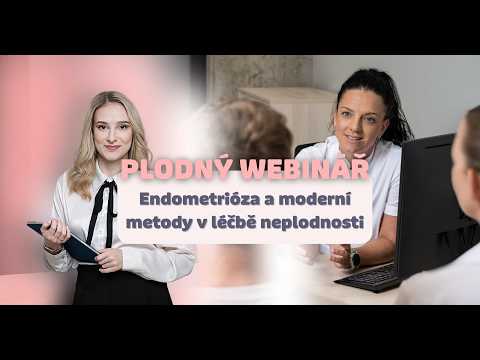
00:00 Dobrý den, dobrý podve?er. Vítáme vás u webiná?e kliniky Europe IVF, který bude mít téma endometrióza a moderní metody v lé?b? neplodnosti.
00:14 Mé jméno je Adriana Škvorová a dneska tady mám úlohu takové technické a administrativní podpory.
00:23 Vaše mikrofony i kamery jsou vypnuté, a to jednak z toho d?vodu, abychom se vzájemn? nerušili, a také kv?li ochran? vašich osobních údaj?.
00:33 Dnešní webiná? je nahráván a jeho záznam vám do t?í pracovních dn? pošleme na e-maily, kterými jste se nám registrovali.
00:43 I když jde obraz a zvuk jenom od nás k vám, vy s námi máte možnost komunikovat b?hem celého webiná?e prost?ednictvím chatu.
01:00 B?hem dnešního webiná?e vám p?edstavíme krátkou prezentaci, která se bude v?novat endometrióze, a p?edstaví vám ji naše zkušená reproduk?ní specialistka a gynekoložka, paní doktorka Jana Voborská Neudeckerová.
01:21 Já moc d?kuji Adrian? za úvod. Moc vás zdravím, mám velikou radost, jak slyším, jak to tady pípá a je vás stále víc a víc.
01:38 Za?neme zmi?ovanou prezentací. Budeme si povídat o endometrióze a o moderních zp?sobech, jak vám v rámci asistované reprodukce m?žeme pomoci.
02:05 Nejd?ív bych vám ráda p?edstavila naši kliniku Europe IVF v Praze 6. P?sobíme už dlouho, od roku 2010, takže máme opravdu bohaté zkušenosti s lé?bou neplodnosti.
02:20 Co je takovým naším velkým gró pé?e, je opravdu komplexnost. Snažíme se na tu lé?bu nekoukat jenom z úhlu gynekologického.
02:31 Máme tady i paní doktorku imunoložku, genetika, urologa a tak dále. Takže se opravdu snažíme tu lé?bu vést komplexn?.
03:00 Skv?lá imunoložka, celosv?tov? uznávaná paní doktorka Karin ?erná, se kterou spolupracujeme velmi úzce. Je tady s námi i na klinice jeden den v týdnu.
03:20 Pan doktor Jarábák, urolog, androlog, který nám pomáhá s mužským faktorem.
03:31 Pan doktor Schwarz, genetik, a paní inženýrka Martina Papavasileiou, nutri?ní poradkyn?.
03:56 A jdeme na to naše dnešní téma, a to je endometrióza. Co je endometrióza? Jsou to v podstat? ložiska tkán?, která je podobná endometriu (d?ložní sliznici).
04:12 P?i endometrióze se takováto tká? vyskytuje jinde než uvnit? d?lohy. ?asto je to na vaje?nících, vejcovodech, mo?ovém m?chý?i, nebo na povrchu st?ev.
04:36 Problém je v tom, že ona tká? prod?lává ten cyklus v rámci hormonálního cyklu p?i menstruaci a dochází tam k chronickému zán?tu, jizvení a velmi ?asto i k neplodnosti.
05:03 Primární projevy jsou r?zné bolesti p?i menstruaci, bolesti p?i styku a tak dále. Pro? ta endometrióza vzniká? Bohužel nedokážeme stoprocentn? odpov?d?t pro?.
05:22 Víme, že tam jsou ur?ité genetické a imunologické vlivy. D?ív se poukazovalo na tzv. Sampsonovu teorii, to je ta retrográdní menstruace.
06:01 Výskyt je pom?rn? ?astý. Jedna žena z deseti trpí endometriózou, což je pom?rn? hodn?.
06:15 Až 5 žen z 10, které se lé?í s neplodností, mají diagnostikovanou endometriózu. Vidíme tam to úzké spojení mezi endometriózou a problémy s neplodností.
06:37 Jaké jsou p?íznaky? Primárn? silná a bolestivá menstruace, chronické pánevní bolesti a typicky i bolest p?i styku.
06:48 Bolest p?i styku je ?asto zp?sobená tím, že máme mezi pochvou a kone?níkem takovou p?epážku, rektovaginální septum. Endometrióza tuto oblast infiltruje.
07:26 Následky jsou chronický zán?t, sr?sty v oblasti malé pánve. V krajních p?ípadech orgány k sob? pevn? srostou, ?emuž ?íkáme "frozen pelvis".
08:15 Co bych tady zmínila, je to, že stále mnoho žen na tu diagnózu ?eká strašn? dlouho. ?asto jsou bolesti bagatelizovány odpov?dí "to je normální, že menstruace bolí, vezm?te si ibuprofen".
08:50 Kde všude m?že endometrióza být? M?že vytvá?et tvz. endometroidní cysty (endometriomy) na vaje?nících, kterým se ?íká také "?okoládové cysty" kv?li obsahu tmavé, staré krve.
09:45 Další ložiska jsou t?žko diagnostikovatelná ultrazvukem. Drobná ložiska na povrchu tkání bohužel ultrazvukem vid?t nejsou.
10:18 Zlatým standardem, tou hlavní vyšet?ovací metodou, jak endometriózu potvrdit, je laparoskopie a potom histologické potvrzení.
10:31 Jak ovliv?uje endometrióza plodnost? M?že to být p?ímé ovlivn?ní, kdy sr?sty zabrání pr?chodnosti vejcovod?. Nebo nep?ímé ovlivn?ní chronickým zán?tem, který ovliv?uje kvalitu vají?ek i prost?edí uvnit? d?lohy.
11:21 Lé?ba je opravdu velmi individuální. Máme možnost chirurgické lé?by, farmakologické lé?by, a vždy je to odvislé od rozsahu endometriózy.
12:04 Pokud ?ekáme v?tší chirurgický zákrok, snažíme se v prvním kroku získat vají?ka, potažmo embrya. Pak se zahájí lé?ba a teprve poté se plánuje embryo transfer.
12:36 Kdy zvažovat pomoc centra asistované reprodukce? Doporu?uje se za 6 až 12 m?síc? po nechrán?ném styku, nebo pokud máte nižší zásobu vají?ek (AMH) ?i extrémní bolesti.
14:51 Co se tý?e úhrad pojiš?ovnou, lé?bu hradí pojišt?ným pacientkám v ?R pojiš?ovna do v?ku 40 let. Jsou hrazeny 4 IVF cykly, pokud je transferováno jedno embryo.
16:08 (Za?átek Q&A s diváky - Otázky ohledn? podp?rných produkt?). Nejsem léka?, který by zatracoval holistický p?ístup. Doporu?ujeme kyselinu listovou (aktivní formu) a vitamín D.
17:15 Dále probiotika (perorální i vaginální), zdravá mikroflóra je velmi d?ležitá. Podporujeme i ?ínskou medicínu, akupunkturu, hormonální jógu a protizán?tlivou stravu.
18:54 (Dotaz diváka s endometriomem, 36 let, 3 roky snahy o ot?hotn?ní). Pokud je cysta na vaje?níku menší (do 5 cm) a klinické projevy nejsou obrovské, doporu?ila bych nejd?íve stimulaci (získání embryí) a pak situaci ?ešit operativn?.
20:09 Operací na vaje?níku vždy riskujeme, že žena p?ijde o zásobu vají?ek. Proto se snažíme nejprve vají?ka/embrya získat.
21:50 (Dotaz na lék Visanne a rizika dlouhodobého užívání). Visanne (Dienogest) se bere i n?kolik let, aby se endometrióza uklidnila, pokud žena aktuáln? neplánuje ot?hotn?t.
24:15 (Dotaz na vliv zán?tlivého prost?edí na kvalitu vají?ek). Ano, chronický zán?t u endometriózy zhoršuje kvalitu vají?ek i implantaci. Proto p?ed transferem ?ešíme tento zán?t ?asto další hormonální lé?bou a spoluprací s imunologem.



.jpg)









Share this listing