


The Emotional Toll of the Two-Week Wait During IVF Treatment in Dubai
Navigating the complex landscape of reproductive medicine often brings patients to a highly anticipated crossroads. For couples pursuing affordable IVF treatment in Dubai, the final days before receiving the pregnancy blood test results represent a period of intense psychological vulnerability. This critical window, commonly referred to as the two-week wait, demands immense emotional resilience alongside strict adherence to medical protocols.
The transition from rigorous daily injections and clinical monitoring to a sudden standstill can leave patients feeling isolated with their thoughts. Understanding the physiological changes occurring during this phase and managing the natural anxiety that surfaces are vital components of a successful fertility journey. By dissecting both the clinical milestones and the human experience behind assisted reproductive technology, prospective parents can better prepare for the path ahead.
Video Chapters
Navigating Pre-Result Anxiety in Fertility Treatments
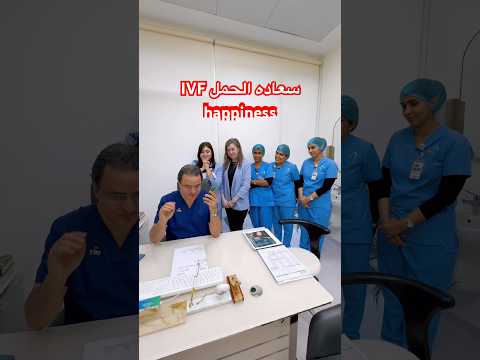
The anticipation surrounding a pregnancy test after an embryo transfer is universally described as the most challenging phase of the process. Patients often experience a hyper-awareness of every physical sensation, desperately searching for signs of success or failure. When the patient expresses her extreme nervousness at [00:07], she voices the internal struggle faced by thousands of women undergoing assisted reproduction worldwide.
It is incredibly common for patients to develop a defensive pessimism during this wait. By convincing themselves that the cycle has failed, as articulated by the patient at [00:26], they attempt to shield themselves from potential emotional devastation. This psychological armor is a natural coping mechanism when the stakes are incredibly high and the financial and emotional investments are substantial.
Fertility specialists recognize this phenomenon and often work alongside psychological counselors to support patients. Managing cortisol levels through stress reduction techniques is clinically beneficial, as excessive stress can negatively impact the delicate hormonal balance required for implantation. Spousal support also plays a critical role here, often balancing the patient's anxiety with grounded optimism, much like the husband's positive outlook noted during the consultation.
Coping Mechanisms for the Two-Week Wait
Enduring the wait requires structured coping strategies rather than just passive resting. Medical professionals advise against obsessively researching symptoms online, as the medications prescribed post-transfer closely mimic early pregnancy signs. Progesterone supplementation, a standard requirement, causes breast tenderness, fatigue, and mild cramping regardless of the actual outcome.
Patients are encouraged to engage in light, enjoyable distractions that do not elevate their heart rate excessively. Establishing boundaries around fertility discussions with friends and family can also prevent feeling overwhelmed by external expectations. Maintaining open, honest communication strictly with the clinical team ensures that any genuine medical concerns are addressed promptly.
The Science of Embryo Implantation and Development
To understand the gravity of the test results, one must grasp the biological intricacy of what happens after an embryo is transferred into the uterus. Once the blastocyst is placed via a fine catheter, it must break free from its outer shell, a process known as hatching. Following this, the embryo begins the complex task of adhering to the endometrial lining, seeking a secure location to establish a blood supply.
This dialogue between the embryo and the maternal tissue is mediated by hundreds of biochemical signals. The uterine lining must be perfectly receptive, which is why reproductive endocrinologists meticulously monitor endometrial thickness and structure prior to the transfer. If the dialogue is successful, the embryo burrows deeper into the tissue, initiating the production of Human Chorionic Gonadotropin (hCG).
Cellular Division and Early Growth
As implantation progresses, the cells rapidly differentiate into two distinct groups. The inner cell mass is destined to become the fetus, while the outer layer of cells, the trophoblast, will form the placenta. It is this developing placental tissue that secretes the vital pregnancy hormone into the mother's bloodstream.
This microscopic development happens entirely hidden from medical imaging in its earliest days. The only scientific method to confirm this miraculous microscopic attachment is through precise serological testing. This underscores why home pregnancy tests are often discouraged; they lack the sensitivity to detect very early or low-level hCG, potentially causing unwarranted despair.
Why Clinical Empathy Drives IVF Treatment Success Rates
The clinical environment significantly influences the overall patient experience and, arguably, the physiological response to treatment. When a patient feels seen as an individual rather than a statistic, their stress metrics noticeably decrease. The patient's heartfelt statement at [00:54], expressing gratitude for the unique, personalized care she received, highlights a major differentiator among top-tier fertility clinics.
High-volume clinics sometimes fall into the trap of processing patients through a rigid assembly line. Conversely, elite institutions prioritize continuity of care, ensuring the patient interacts with the same primary physician and specialized nursing team throughout the cycle. This builds profound trust, allowing patients to ask vulnerable questions and report symptoms accurately without fear of dismissal.
Furthermore, an empathetic team approaches bad news with compassion and delivers good news with genuine shared joy. When the entire medical staff gathers to deliver positive results, it transforms a clinical transaction into a deeply human milestone. This level of emotional intelligence in medical care fosters long-term patient loyalty and better compliance with complex post-treatment instructions.
Key Indicators of Patient-Centric Fertility Care
- Transparent Communication: Doctors provide clear, jargon-free explanations of ultrasound results and laboratory fertilization reports.
- Accessible Nursing Staff: Patients have direct lines to coordinators for urgent medication queries outside standard office hours.
- Psychological Support Integration: Clinics offer in-house counseling tailored specifically to the trauma and anxiety associated with infertility.
- Individualized Protocols: Medication dosages are adjusted dynamically based on daily blood work rather than applying a standard template to every patient.
Interpreting Beta hCG Levels in Reproductive Medicine
The culmination of the IVF process hinges on a specific laboratory analysis known as the quantitative beta hCG blood test. Unlike urine tests that provide a simple binary result, a blood draw measures the exact concentration of the pregnancy hormone in milli-international units per milliliter (mIU/mL). The collective celebration at [01:14] is the direct result of these numbers indicating a robust, viable implantation.
A single positive test is a monumental victory, yet it is only the first data point in determining the health of the pregnancy. Medical standards dictate that the initial hCG level must be assessed in relation to the number of days past the embryo transfer. A strong initial number provides reassurance, but the true indicator of a progressing pregnancy is the hormone's doubling time.
Typically, physicians require a repeat blood draw 48 to 72 hours after the initial positive result. In a healthy, early intrauterine pregnancy, the hCG concentration should approximately double within this timeframe. Monitoring this exponential growth allows the medical team to rule out biochemical pregnancies or identify potential ectopic complications before they become severe.
Post-Transfer Medication Protocols and Ongoing Monitoring
Achieving a positive pregnancy test does not mean the fertility treatments cease immediately. Because IVF often bypasses or overrides the body's natural ovulation cycle, the corpus luteum—the cyst that naturally produces hormones to sustain early pregnancy—may be absent or insufficient. Therefore, external hormonal support is absolutely critical.
The physician's explicit instruction to maintain the current medication regimen at [01:48] is standard protocol across all leading fertility centers. Patients are usually required to continue daily progesterone and often estrogen supplementation until the placenta fully takes over hormone production. This transition generally occurs between the eighth and tenth week of gestation.
Stopping these medications prematurely can lead to a sudden drop in hormone levels, severely compromising the uterine lining and risking an early miscarriage. The clinical team maps out a precise tapering schedule once the pregnancy reaches a safe developmental milestone, confirmed through rigorous ultrasound monitoring.
The First Obstetric Ultrasound
Following the confirmation of rising hCG levels, the next major hurdle is the viability ultrasound. The doctor strategically schedules the next appointment a little over a week later to visually confirm the pregnancy's location and development. Around the five to six-week mark, a transvaginal ultrasound can detect the gestational sac.
Shortly after, the yolk sac and fetal pole become visible. The ultimate confirmation of clinical viability is detecting the fetal heartbeat, which brings an entirely new level of relief and joy to the parents. This meticulous step-by-step monitoring bridges the gap between the fertility specialist's care and the eventual transition to a standard obstetrician.
Selecting High-Authority Clinics for International Fertility Care
Couples traveling across borders for medical care must base their clinic selection on stringent, verifiable criteria. The success of complex procedures like Intracytoplasmic Sperm Injection (ICSI) or Preimplantation Genetic Testing (PGT-A) relies heavily on the technological sophistication of the laboratory. A clinic's embryology lab should operate under strict cleanroom standards to prevent volatile organic compounds from harming developing embryos.
Furthermore, evaluating success rates requires looking past surface-level marketing statistics. Reputable clinics segment their success rates by patient age, diagnosis, and whether they utilized fresh or frozen embryo transfers. Transparency in reporting these figures indicates a clinic's commitment to ethical medical practices and managing patient expectations realistically.
Key Comparison Metrics for Medical Tourism
| Evaluating Criteria | Standard Clinics | Elite International Centers |
|---|---|---|
| Laboratory Technology | Basic incubators, standard air filtration. | Time-lapse incubators, strict HEPA filtration. |
| Patient Coordination | General reception desk, delayed email responses. | Dedicated bilingual concierge, 24/7 nursing line. |
| Treatment Customization | Standardized stimulation protocols for most. | Highly tailored dosing based on daily hormone panels. |
Ultimately, selecting the right partner for this intimate journey dictates not only the clinical outcome but also the psychological well-being of the parents. Ensuring that a facility holds international accreditations provides a necessary baseline of trust. However, interviewing the physician and assessing the team's bedside manner—just as the patient experienced in the emotional breakthrough shared earlier—remains the most critical deciding factor.
Ready to Start Your Journey to Parenthood?
Connect with top-rated fertility specialists and discover personalized, high-authority IVF treatment plans tailored to your unique medical needs.
Get Free QuoteView Full Video Transcript
[00:00] ???? ?????
[00:01] ?????
[00:02] ????????
[00:04] ??? ?????
[00:05] ??? ???????? ????? ???? ???
[00:07] ?????? ?????? ??????
[00:09] ???? ???? ????
[00:11] ?? ????? ???? ?????
[00:14] ??? ??? ???? ???? ????? ????? ????? ????? ?????
[00:18] ??? ?? ???? ????? ???????
[00:21] ???????
[00:24] ?? ???? ???? ??? ?????? ??? ????
[00:26] ?? ??? ?? ?? ??? ?????
[00:28] ????? ???? ????? ???? ?????
[00:32] ??? ???? ?????? ???? ????
[00:34] ?? ??? ?? ???? ??????
[00:38] ??? ??? ?????? ??? ?? ???????
[00:40] ?? ?? ??? ??? ?? ???? ?? ?????? ????
[00:44] ?? ??? ???? ???? ???? ???? ?? ????????
[00:46] ?? ???? ??? ???? ??? ???? ??????? ??? ??? ???? ?????? ????? ?????
[00:50] ??? ??? ???? ??? ????????
[00:51] ????? ????? ????
[00:54] ??? ??? ????? ???? ?????? ?? ??
[00:56] ??? ?? ??? ???? ????? ??? ??? ??? ????? ???? ????
[01:02] ???? ??? ????? ???? ????????
[01:04] ??? ??? ??? ???? ?????? ???? ???? ??? ??
[01:07] ?? ??? ??? ???? ??? ??? ??? ??? ???? ??? ?? ???
[01:10] ?? ???? ???? ??? ???? ?????? ???
[01:13] ????? ??????? ????
[01:14] ????????
[01:15] ?????
[01:17] ?????
[01:21] ??? ??? ????
[01:23] ????? ????? ???????? ??? ??? ????
[01:26] ???? ????? ?????
[01:28] ????? ??????
[01:31] ?????? ???? ?????
[01:34] ????? ???? ??? ?????? ???? ???? ??? ?????? ??
[01:38] ???? ??????? ????? ????? ???? ???? ??? ???
[01:42] ??????? ????? ??? ???? ???? ?? ??
[01:46] ?? ??? ???? ?????? ???? ????
[01:48] ?????? ??????? ?????? ????? ?????
[01:50] ??? ??? ???? ?????? ??? ?? ????
[01:54] ??? ?? ???? ????
[01:57] ??? ??? ???... ????????
[02:01] ???? ??? ???? ????
[02:03] ???????? ???? By the way ??
[02:05] ?? ???? ??????? ???? ???
[02:07] ???????? ???? ???? ??? ???
[02:09] ?????? ??? ??? ????? ??? ???
[02:13] ?? ???????










.png)
.png)















Share this listing