


The Complete Guide to Advanced Fertility Treatments with Dr. Mazen Dayeh
Millions of couples worldwide face the silent, often overwhelming struggle of infertility, a complex medical journey that demands both cutting-edge science and profound emotional support. Finding the right specialist is arguably the most critical step toward realizing your dream of building a family. Dr. Mazen Dayeh the IVF doctor is globally recognized for his exceptional success rates and deeply compassionate approach to reproductive medicine. His mastery of advanced fertility protocols offers a beacon of hope for patients who have previously struggled to conceive.
In the rapidly evolving field of reproductive endocrinology, settling for outdated protocols can severely limit your chances of a successful pregnancy. This comprehensive overview explores how modern medical interventions, guided by elite specialists, are rewriting the narrative of human fertility. Watch the insights to understand how advanced reproductive technologies are seamlessly integrated into personalized patient care, ensuring the highest possible chances of welcoming a healthy baby into your life.
Video Chapters & Quick Navigation
The journey to parenthood is deeply personal, and when natural conception proves difficult, the intervention of a highly skilled reproductive endocrinologist becomes essential. The landscape of reproductive medicine has advanced exponentially over the last decade, moving far beyond basic fertility treatments. Today, couples have access to highly tailored, genetically screened, and technologically optimized fertility pathways.
Understanding the Root Causes of Infertility
Infertility is officially diagnosed when a couple is unable to conceive after one year of unprotected intercourse, or six months if the female partner is over the age of thirty-five. The etiology of infertility is incredibly diverse, split almost equally between male and female physiological factors. As discussed at in the presentation, a precise diagnostic phase is the absolute foundation of any successful fertility treatment plan.
Female factor infertility often stems from ovulatory disorders such as Polycystic Ovary Syndrome (PCOS), diminished ovarian reserve, or structural issues like blocked fallopian tubes and endometriosis. These conditions prevent the natural release or transportation of a healthy egg. Thorough diagnostic imaging, including hysterosalpingography (HSG) and comprehensive hormonal blood panels, are utilized to map the patient's precise reproductive landscape.
The Importance of Accurate Ovarian Assessment
Measuring a woman’s ovarian reserve is a highly critical metric before beginning any advanced fertility treatment. The Anti-Müllerian Hormone (AMH) test, combined with an antral follicle count (AFC) conducted via transvaginal ultrasound, provides a clear picture of the remaining egg supply. This data allows specialists like Dr. Mazen Dayeh to perfectly calibrate the dosage of stimulation medications. Customizing these protocols prevents dangerous complications such as Ovarian Hyperstimulation Syndrome (OHSS) while maximizing the yield of mature, viable eggs.
Advanced IVF Treatment Protocols
In Vitro Fertilization (IVF) is the cornerstone of modern assisted reproductive technology, offering the highest success rates of any fertility intervention. The process bypasses many of the natural physiological barriers to conception by uniting the egg and sperm in a highly controlled laboratory environment. The initial phase of an IVF cycle involves controlled ovarian hyperstimulation, where injectable gonadotropins are administered to encourage the ovaries to produce multiple eggs simultaneously.
Throughout the stimulation phase, patients undergo rigorous monitoring via blood tests and ultrasounds to track follicular development. As highlighted at , precise timing is everything in reproductive medicine. Once the lead follicles reach optimal size, a carefully timed "trigger shot" of hCG or a Lupron agonist is administered to induce the final maturation of the eggs.
The Egg Retrieval Procedure
Exactly thirty-six hours after the trigger injection, the patient undergoes a minimally invasive surgical procedure known as transvaginal oocyte retrieval. Under light intravenous sedation, a fine needle is guided by ultrasound through the vaginal wall directly into the ovarian follicles. The follicular fluid is gently aspirated, and the precious eggs are immediately handed over to the embryology team.
This procedure is swift, usually lasting no more than twenty to thirty minutes, and is generally associated with minimal postoperative discomfort. Patients are monitored in recovery for a short period before returning home to rest. The retrieved eggs are then carefully washed, graded for maturity, and placed in specialized culture media within advanced incubators.
ICSI: Breakthroughs in Male Factor Infertility
Historically, severe male factor infertility—characterized by low sperm count, poor motility, or abnormal morphology—presented an almost insurmountable barrier to biological parenthood. The advent of Intracytoplasmic Sperm Injection (ICSI) revolutionized the field, essentially guaranteeing fertilization even in the most challenging cases. Rather than allowing sperm to naturally penetrate the egg in a petri dish, an embryologist manually selects a single, morphologically perfect sperm.
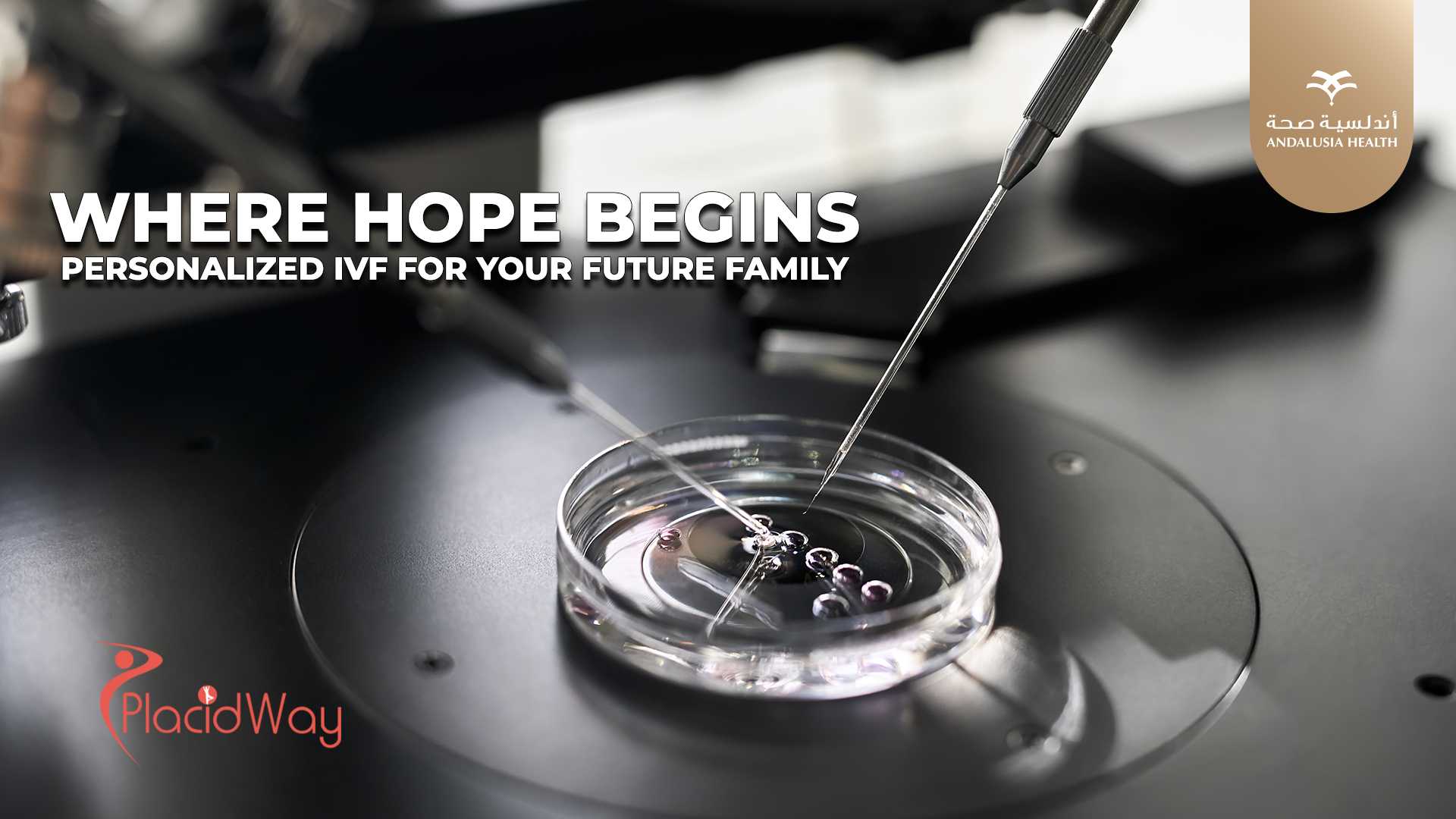
Using high-powered micromanipulation microscopes, the embryologist immobilizes the chosen sperm and injects it directly into the cytoplasm of the mature egg. Mentioned around , this highly delicate procedure bypasses the natural acrosome reaction required for a sperm to penetrate the egg's outer shell (zona pellucida). ICSI has become a standard protocol in many top-tier fertility clinics, heavily increasing the fertilization rates across all patient demographics.
| Feature | Conventional IVF | IVF with ICSI |
|---|---|---|
| Fertilization Method | Sperm and egg are placed together in a dish to fertilize naturally. | A single sperm is directly injected into the center of the egg. |
| Best Suited For | Unexplained infertility, tubal factors, or mild male factor issues. | Severe male factor infertility, previous fertilization failures, or surgical sperm retrieval. |
| Sperm Requirement | Requires a high concentration of highly motile sperm. | Requires only one viable sperm per mature egg retrieved. |
Preimplantation Genetic Testing (PGT)
One of the most profound advancements in modern fertility treatments is the ability to screen embryos for genetic and chromosomal abnormalities prior to transfer. Preimplantation Genetic Testing for Aneuploidies (PGT-A) examines the embryo to ensure it holds the correct number of forty-six chromosomes. Transferring a chromosomally normal (euploid) embryo dramatically reduces the risk of early miscarriage and implantation failure.
For couples who are known carriers of specific hereditary diseases, such as Cystic Fibrosis or Sickle Cell Anemia, Preimplantation Genetic Testing for Monogenic disorders (PGT-M) is highly recommended. As noted at , this specialized screening ensures that the genetic mutation is not passed down to the offspring. The biopsy procedure involves delicately removing a few cells from the trophectoderm layer of a day-five blastocyst, leaving the inner cell mass—which develops into the fetus—completely untouched.
The Psychological Relief of Genetic Screening
Undergoing multiple failed IVF cycles takes an enormous emotional toll on prospective parents. By utilizing PGT, fertility specialists can confidently select the healthiest embryo for transfer, significantly accelerating the time to a successful pregnancy. This scientific capability removes much of the heartbreaking guesswork from the equation, providing patients with profound peace of mind during the dreaded two-week wait.
The Crucial Role of Laboratory Excellence
Behind every successful IVF doctor is a state-of-the-art embryology laboratory, functioning as the artificial womb for the critical first five days of embryonic life. The environmental controls within top-tier IVF labs are staggeringly precise. Air quality is maintained by hospital-grade HEPA filters and positive pressure systems that eliminate volatile organic compounds (VOCs) that could be toxic to developing embryos.
Modern clinics utilize time-lapse incubators equipped with internal high-definition cameras. This allows embryologists to monitor the exact morphokinetic development of each embryo without ever removing them from their optimal, temperature-controlled environment. The ability to observe the exact timing of cellular division provides invaluable data for grading and selecting the most competent embryo for transfer.
The Embryo Transfer Process
The culmination of an IVF cycle is the embryo transfer, a remarkably simple yet profoundly significant procedure. Unlike the egg retrieval, the embryo transfer requires no anesthesia. A highly flexible, soft catheter is loaded with the selected embryo and guided through the cervix into the optimal location within the uterine cavity using continuous ultrasound guidance.
In contemporary practice, single embryo transfer (SET) is heavily advocated to prevent the high-risk complications associated with twin or triplet pregnancies. Discussed around , the goal of leading fertility experts is not just to achieve a pregnancy, but to ensure the birth of a single, healthy baby at full term. Following the transfer, patients are placed on a strict regimen of progesterone supplementation to support the endometrial lining and facilitate successful implantation.
Fresh vs. Frozen Embryo Transfers
There has been a massive paradigm shift in reproductive medicine toward Frozen Embryo Transfers (FET). By freezing all viable embryos via rapid vitrification, the female body is given a full menstrual cycle to recover from the intense hormone stimulation. The subsequent frozen transfer occurs in a much more natural, physiologically receptive uterine environment, which clinical studies have shown yields significantly higher implantation rates.
Fertility Preservation Options
Advancements in cryopreservation technology have also opened the door to proactive fertility preservation. Social egg freezing is becoming increasingly common among women who wish to delay childbearing to focus on career goals or finding the right partner. The rapid freezing technique known as vitrification prevents the formation of destructive ice crystals within the egg, resulting in survival rates exceeding ninety percent upon thawing.
Furthermore, oncofertility has emerged as a vital subspecialty, offering hope to patients facing cancer diagnoses. By undergoing expedited ovarian stimulation and egg retrieval prior to initiating chemotherapy or radiation, patients can safeguard their future reproductive potential. This holistic, forward-thinking approach is a hallmark of comprehensive fertility care provided by leading specialists.
Medical Tourism for Fertility Care
The prohibitive cost of advanced fertility treatments in countries like the United States and the United Kingdom has sparked a massive rise in fertility tourism. Patients are increasingly looking globally for high-quality, affordable alternatives. The Middle East, particularly the UAE, has positioned itself as a premier hub for world-class reproductive medicine. Clinics in this region boast state-of-the-art facilities, strict regulatory oversight, and highly credentialed specialists.
Choosing to travel for IVF allows patients to access premium interventions, such as ICSI and comprehensive chromosomal screening, at a fraction of Western prices. Beyond the financial savings, these medical travel packages often provide a highly discreet, stress-free environment. Patients receive personalized concierge services, ensuring their focus remains entirely on their treatment and emotional well-being.
Preparing for an International IVF Cycle
Embarking on fertility treatment abroad requires meticulous logistical and medical planning. Reputable international clinics facilitate remote initial consultations, allowing specialists to review local blood work and ultrasound results before the patient even books a flight. This highly coordinated strategy minimizes the required time abroad, typically requiring patients to travel only for the final monitoring days, egg retrieval, and embryo transfer.
- Comprehensive Record Review: Compile all previous medical records, HSG films, and semen analysis reports for your specialist to review.
- Remote Cycle Coordination: Begin your birth control or baseline suppression medications in your home country under the guidance of the international clinic.
- Travel Logistics: Coordinate with medical tourism agencies to secure accommodations near the clinic to minimize travel stress during daily monitoring appointments.
- Post-Transfer Care: Establish a relationship with a local OB/GYN who can perform the critical beta hCG pregnancy test and early viability ultrasounds once you return home.
The landscape of treating infertility is undeniably complex, demanding a delicate balance of aggressive medical intervention and deeply personalized care. The integration of high-resolution genetic testing, time-lapse embryology, and masterfully tailored medication protocols have redefined what is medically possible. Navigating this path with a globally recognized expert significantly elevates the probability of a joyful outcome, transforming the overwhelming diagnosis of infertility into an actionable, scientifically supported journey toward parenthood.
Take the First Step Toward Building Your Family
Don't let the high cost or complexity of fertility treatments delay your dreams of parenthood. Connect with world-renowned specialists and explore highly affordable, state-of-the-art IVF packages. Let experts manage the logistics while you focus on the journey to your new baby.
REQUEST YOUR FREE FERTILITY CONSULTATION









.jpg)









Share this listing