


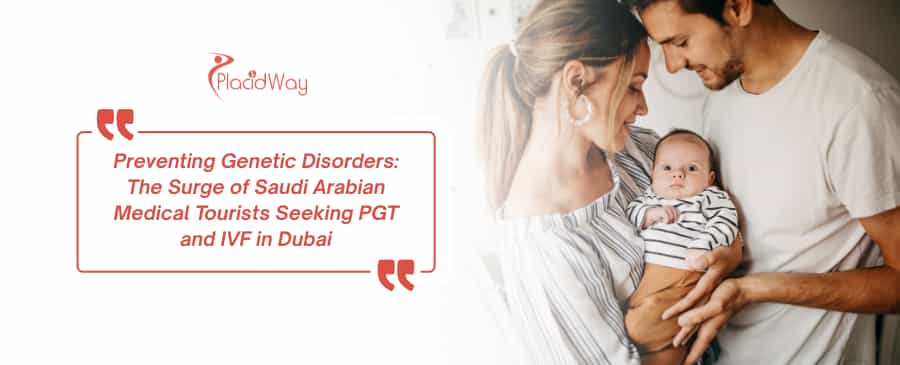
The prevalence of inherited genetic conditions in the Middle East has prompted many families to seek advanced reproductive solutions. In recent years, there has been a significant surge of Saudi Arabian patients pursuing PGT and IVF in Dubai. This trend is driven by a profound desire to build healthy families while mitigating the risks of passing on debilitating hereditary diseases. Preimplantation Genetic Testing (PGT) combined with In Vitro Fertilization (IVF) offers a scientifically advanced pathway to screen embryos before pregnancy occurs.
Dubai has emerged as a premier hub for medical tourism in Dubai, offering world-class healthcare infrastructure, renowned embryologists, and a culturally comforting environment for GCC residents. For couples navigating the emotional and physical complexities of genetic carriership, crossing the border into the United Arab Emirates provides access to cutting-edge technology that may not be as readily available or swiftly accessible in their home regions.
Consanguineous marriages (marriages between close relatives) are historically common in the Middle East, which can increase the likelihood of autosomal recessive genetic disorders. PGT helps identify these conditions before an embryo is implanted.
Why Saudi Medical Tourists Choose PGT and IVF Clinics in Dubai
The decision to travel for fertility treatments is rarely taken lightly, yet an increasing number of Saudi citizens are choosing PGT and IVF clinics in Dubai. A primary factor is the concentration of internationally accredited facilities equipped with state-of-the-art genomic laboratories. These clinics are staffed by multidisciplinary teams who specialize in complex infertility and genetic screening cases, ensuring that patients receive comprehensive care under one roof.
Furthermore, geographic proximity and excellent transportation links make traveling between Saudi Arabia and Dubai remarkably convenient. The seamless cultural similarities, shared language, and shared understanding of Islamic ethical guidelines surrounding assisted reproduction provide profound peace of mind. Patients typically find that navigating the healthcare system in Dubai feels both luxurious and reassuringly familiar.
According to regional health reports, the UAE has seen a steady annual increase of over 15% in international patients seeking specialized reproductive treatments, with Saudi Arabia being one of the top source countries.
The Science Behind Preventing Genetic Disorders with PGT and IVF in Dubai
The foundation of preventing genetic disorders through assisted reproduction lies in the intricate science of genomic sequencing. During a standard IVF cycle, eggs are retrieved and fertilized in a laboratory. Before the resulting embryos are transferred to the uterus, a highly precise biopsy is performed to extract a few cells. These cells are then analyzed using next-generation sequencing (NGS) to detect chromosomal abnormalities or specific genetic mutations.
This remarkable technology empowers clinicians to identify embryos that are free from the targeted hereditary diseases. While no medical procedure can offer absolute certainty, this scientific intervention drastically reduces the likelihood of conditions such as Thalassemia, Cystic Fibrosis, and Sickle Cell Disease. Patients generally appreciate that this proactive approach minimizes the emotional toll of recurrent miscarriages or challenging pediatric health battles.
Always consult with a genetic counselor prior to beginning your IVF journey. They can map out your family tree and determine exactly which specific gene markers the laboratory needs to screen for during the PGT process.
Cost of PGT and IVF in Dubai Compared to Saudi Arabia
Understanding the financial commitment is crucial for couples planning their reproductive journey. When evaluating the cost of PGT and IVF in Dubai, it is important to recognize that pricing reflects the integration of premium laboratory technologies, internationally trained specialists, and VIP-level patient care. While Dubai is known for luxury, the healthcare sector remains competitive, offering structured packages that appeal to regional medical tourists.
For many Saudi families, investing in affordable IVF in Dubai is viewed not just as a medical expense, but as an investment in the lifelong health of their future children. Below is a comparative breakdown of estimated market ranges for these procedures. Please note that prices are approximate and can vary based on the specific clinical protocol and individual patient needs.
| Procedure Name | Average Cost in Dubai (USD) | Cost Comparison with Saudi Arabia (USD) |
|---|---|---|
| Standard IVF Cycle (Excluding Meds) | $6,000 - $9,000 | $7,500 - $11,000 |
| PGT-A (Aneuploidy Screening per batch) | $3,000 - $4,500 | $4,000 - $6,000 |
| PGT-M (Single Gene Mutation Screening) | $4,000 - $6,000 | $5,500 - $8,000 |
| Comprehensive Package (IVF + ICSI + PGT-M) | $10,000 - $15,000 | $13,000 - $19,000 |
The costs outlined above typically exclude pre-cycle diagnostic testing, fertility medications, and travel expenses. Always request a detailed, itemized breakdown from your healthcare provider to avoid unexpected financial surprises.
Step-by-Step Process of PGT and IVF in Dubai
The clinical pathway for PGT and IVF in Dubai is highly structured to optimize safety and efficacy. The journey usually begins with ovarian stimulation, where hormonal medications are administered to encourage the ovaries to produce multiple eggs. Careful monitoring through ultrasounds and blood tests ensures the stimulation is proceeding as expected.
Once the eggs mature, they are retrieved during a minor surgical procedure. The eggs are then fertilized using Intracytoplasmic Sperm Injection (ICSI). As the embryos develop over five to six days, a biopsy is carefully performed. The biopsied cells undergo genetic analysis while the embryos are safely cryopreserved. Finally, after the genetic reports are finalized, a healthy embryo is thawed and transferred to the mother’s uterus.
The embryo biopsy for PGT is generally performed at the blastocyst stage (day 5 or 6 of development) because the embryo has hundreds of cells, making it safer to extract a few without harming its developmental potential.
Types of Genetic Testing Available During IVF in Dubai
Patients exploring genetic screening must understand that PGT is not a one-size-fits-all procedure. In Dubai, highly advanced laboratories offer three primary types of genetic testing tailored to the unique clinical backgrounds of the parents. The most common is PGT-A (Aneuploidy), which screens for missing or extra chromosomes, such as Down Syndrome, and is often used to improve IVF success rates.
For Saudi couples seeking treatment specifically for inherited diseases, PGT-M (Monogenic) is the critical tool. This tests for single-gene disorders known to run in the family. Lastly, PGT-SR (Structural Rearrangements) is utilized when a parent has a known chromosomal translocation. Identifying the correct testing protocol is a collaborative effort between the reproductive endocrinologist and the medical geneticist.
Advanced genomic screening in Dubai utilizes Next-Generation Sequencing (NGS), which boasts an accuracy rate of over 98% in detecting genetic abnormalities in biopsied embryo cells.
Who is an Ideal Candidate for PGT and IVF in Dubai?
Determining candidacy for PGT and IVF in Dubai requires a comprehensive medical evaluation. Typically, ideal candidates include couples who are known carriers of single-gene hereditary disorders or those who have previously experienced pregnancies affected by genetic conditions. It is also highly recommended for individuals with a strong family history of diseases prevalent in their region.
Additionally, women of advanced maternal age or couples who have suffered from recurrent IVF failures or miscarriages often benefit from PGT-A. It is important to remember that while this treatment offers profound benefits, it requires a sufficient ovarian reserve to yield enough embryos for biopsy, making early consultation a critical factor for success.
Before planning your medical trip, organize all previous medical records, blood test results, and any prior genetic screening reports. Having these readily available will streamline your initial consultation with Dubai specialists.
Success Rates of Genetic Screening and IVF in Dubai
The success rates of PGT and IVF are influenced by a multitude of variables, including maternal age, ovarian reserve, and the specific genetic disorder being targeted. However, clinical data suggests that utilizing PGT-A to transfer a chromosomally normal embryo generally increases the likelihood of a successful implantation and significantly decreases the chance of miscarriage.
Dubai’s premium fertility centers are recognized for maintaining success rates that rival leading clinics in North America and Europe. While outcomes cannot be guaranteed, most patients experience an enhanced sense of security knowing that the embryos being transferred have been scientifically vetted for viability and genetic health.
Studies indicate that transferring an embryo that has been verified as chromosomally normal through PGT can elevate implantation success rates to approximately 60-70% per transfer in favorable patient demographics.
Potential Risks and Contraindications of IVF and PGT
While reproductive technologies have advanced significantly, it is vital to approach treatment with a clear understanding of potential clinical risks. Most patients experience mild side effects from hormonal stimulation, such as bloating, mood swings, or localized discomfort. However, there is a small risk of Ovarian Hyperstimulation Syndrome (OHSS), a condition that requires prompt medical management.
Regarding the PGT process itself, there is a minor risk of damage to the embryo during the biopsy phase, though experienced embryologists generally minimize this risk effectively. Contraindications typically include severe underlying medical conditions that would make pregnancy dangerous, or an extremely diminished ovarian reserve where generating testable embryos is unlikely. Complete transparency with your physician is essential.
A phenomenon known as "embryo mosaicism" occurs when an embryo has a mixture of normal and abnormal cells. Interpreting these results requires highly specialized genetic counseling to understand potential clinical outcomes.
Cultural and Linguistic Comforts for Saudi Patients in Dubai
Medical tourism is not solely about clinical excellence; emotional and psychological comfort plays a tremendous role in patient outcomes. For Saudi families, undergoing PGT and IVF in Dubai offers an unparalleled cultural synergy. The shared Arabic language eliminates the anxiety of miscommunication during sensitive medical discussions.
Furthermore, medical facilities in the UAE strictly adhere to Islamic legal and ethical guidelines concerning assisted reproduction. From maintaining strict privacy protocols to ensuring gender-specific nursing care upon request, the healthcare ecosystem in Dubai is meticulously designed to make GCC residents feel respected, secure, and entirely at home.
Dubai healthcare providers are highly experienced in facilitating care that complies with Sharia law regarding fertility treatments, such as ensuring strict protocols that only biological material from married couples is utilized.
How to Prepare for Your Medical Travel for IVF in Dubai
Proper preparation is the key to a stress-free medical journey. Patients planning to travel for affordable IVF in Dubai should ideally begin by stabilizing their general health. Adopting a nutrient-dense diet, managing stress levels, and adhering to pre-natal vitamins recommended by a doctor can generally optimize the body for the rigorous IVF process.
Logistically, it is advisable to coordinate the timing of your travel with your menstrual cycle in close communication with your chosen clinic. Since an IVF cycle typically requires a stay of two to three weeks, ensuring that work and family obligations in Saudi Arabia are managed beforehand will allow you to focus entirely on your treatment and recovery.
Real Patient Experiences: Undergoing PGT and IVF in Dubai
Hearing about the experiences of others can be profoundly reassuring for families embarking on this challenging path. Many Saudi couples who have traveled to the UAE share stories of hope, meticulous care, and deep gratitude for the medical teams that guided them.
Below are brief, generalized summaries inspired by the experiences of international patients who sought genetic screening and fertility support across borders to build their families.
A Journey of Hope
After discovering we were both carriers of a rare genetic disorder, we felt devastated. Traveling for treatment felt daunting, but the team in the UAE explained every step of the PGT-M process. The care we received was culturally sensitive, making the entire process feel safe and dignified.
Peace of Mind Achieved
We had experienced multiple heartbreaks in the past. Deciding to cross the border for genetic screening was the best decision we made. Knowing that our embryos were scientifically screened gave us a level of peace we hadn't felt in years.
Exemplary Professionalism
The language barrier was a major fear for us when considering treatments abroad, but finding Arabic-speaking specialists nearby completely removed that stress. The embryologists were incredibly transparent about what the results meant, never offering false promises but always offering support.
A Seamless Process
From the initial tele-consultation from our home in Riyadh to the day of the embryo transfer, everything was coordinated flawlessly. The clinic understood that we were traveling patients and optimized our schedule so we could return home smoothly.
How PlacidWay Assists Your PGT and IVF Medical Tourism Journey in Dubai
Navigating the complex landscape of international medical travel can be overwhelming, especially when focused on highly sensitive fertility treatments. Patients often require a trusted partner to help bridge the gap between their healthcare needs and top-tier medical providers.
PlacidWay is dedicated to empowering patients by providing structured, value-based assistance for those seeking PGT and IVF in Dubai. Our core focus is on ensuring you make informed, confident healthcare decisions.
- Access to Accredited Providers: We connect patients with rigorously vetted, internationally recognized fertility centers equipped with advanced genomic laboratories.
- Specialized Medical Matchmaking: We help you find multidisciplinary teams that have extensive experience in complex genetic screening and IVF protocols.
- Transparent Information Sharing: We provide detailed insights into clinic capabilities, doctor profiles, and available medical technologies to aid in your research.
- Streamlined Communication: We facilitate the initial medical dialogue between you and the healthcare providers, ensuring your clinical history is reviewed promptly.
- Cultural Competency Focus: We prioritize connecting GCC patients with clinics that honor Islamic ethical guidelines and offer Arabic-speaking medical staff for optimal comfort.
Frequently Asked Questions About PGT and IVF in Dubai
When considering international medical treatments to prevent genetic conditions, having accurate information is vital. Many prospective patients share similar concerns regarding the clinical and logistical aspects of the journey.
Below are some of the most frequently asked questions regarding the procedures, safety, and protocols associated with seeking reproductive care in the UAE.
How long do I need to stay in Dubai for an IVF cycle?
Most patients generally need to stay in Dubai for about two to three weeks for a full IVF cycle. This timeframe covers ovarian stimulation, egg retrieval, fertilization, and the embryo transfer process.
Is gender selection allowed with PGT in Dubai?
Yes, family balancing or gender selection is generally permitted in Dubai as part of the IVF and PGT process, adhering to the local health authority regulations. It is frequently requested by international patients.
Will my Saudi health insurance cover IVF in Dubai?
Typically, basic health insurance policies do not cover international fertility treatments. Patients are advised to consult their specific insurance providers to see if out-of-network or cross-border medical tourism benefits apply.
What happens if the PGT test shows no healthy embryos?
If testing reveals that no embryos are free from the targeted genetic disorders, the clinical team will typically discuss options for a subsequent IVF cycle. They may adjust protocols to yield better outcomes in the future.
How safe is the egg retrieval procedure?
Egg retrieval is generally considered a safe, minimally invasive outpatient procedure. While most patients experience only mild cramping, there are rare risks such as infection or bleeding that your doctor will discuss.
Can embryos be transported from Saudi Arabia to Dubai?
Yes, cryopreserved embryos can typically be safely transported across borders using specialized medical courier services. This allows patients who started their IVF journey in Saudi Arabia to undergo PGT in Dubai.
Is a visa required for Saudi citizens seeking medical treatment in Dubai?
Citizens of Saudi Arabia typically do not require a visa to enter Dubai due to GCC visa exemption agreements. This makes traveling for time-sensitive fertility treatments highly convenient.
What is the typical recovery time after embryo transfer?
Most patients experience a rapid recovery and are generally advised to rest for a day or two after the embryo transfer. Normal, non-strenuous daily activities can usually be resumed shortly thereafter.
How is PGT-M different from PGT-A?
PGT-M screens for specific inherited single-gene disorders like sickle cell anemia, while PGT-A checks for abnormal chromosomal numbers. Both are utilized to improve the chances of a healthy pregnancy.
Can PGT guarantee a baby without genetic disorders?
While PGT significantly reduces the risk of passing on targeted inherited conditions, it cannot absolutely guarantee a completely healthy baby. Results may vary, and standard prenatal care remains highly recommended.
Medical Disclaimer: This article is for informational purposes only and is not medical advice. Always consult a qualified healthcare provider before any medical decisions. Results may vary. Read Full Disclaimer here.
References
- Cleveland Clinic. "Preimplantation Genetic Testing (PGT)." https://my.clevelandclinic.org/health/diagnostics/preimplantation-genetic-testing-pgt
- American Society for Reproductive Medicine (ASRM). "In Vitro Fertilization (IVF)." https://www.asrm.org/advocacy-and-policy/fact-sheets-and-one-pagers/just-the-facts-the-safety-of-in-vitro-fertilization-ivf/
- World Health Organization (WHO). "Infertility." https://www.who.int/news-room/fact-sheets/detail/infertility
















Share this listing