


IVF with family balancing is an advanced reproductive procedure combining In Vitro Fertilization (IVF) with Preimplantation Genetic Testing (PGT-A) to screen embryos for genetic abnormalities and identify their sex before implantation. This allows legally married couples to choose the gender of their child for family balancing purposes. In Dubai, this procedure is strictly regulated, completely legal for married couples, and highly sought after due to advanced clinical technologies.
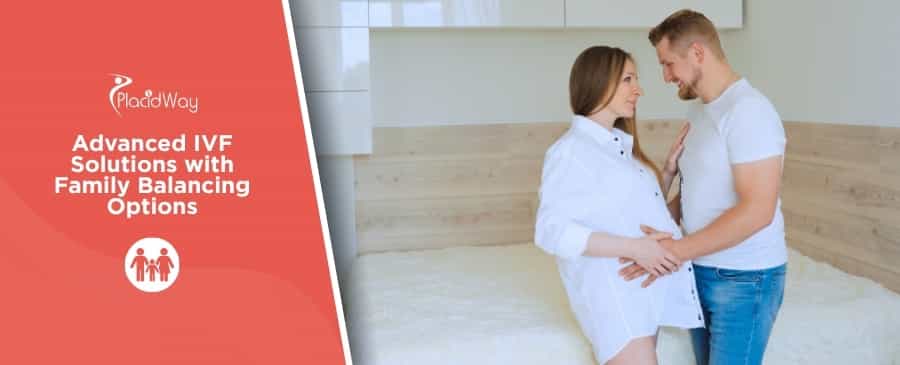
The journey to building a complete family is profoundly personal. For many parents who already have children of one gender, the desire to experience raising a child of the opposite gender is entirely natural. In recent years, IVF with Family Balancing in Dubai for Saudi Couples has emerged as the premier medical pathway to achieve this dream. With short flight times from Riyadh or Jeddah, shared cultural values, and exceptional healthcare infrastructure, the United Arab Emirates provides a safe, welcoming, and technologically advanced environment for reproductive medicine.
Advancements in genetic testing have made it possible to determine the sex of an embryo with over 99% accuracy prior to pregnancy. However, navigating the intersection of complex medical procedures, international legal frameworks, and financial planning requires clear, objective guidance. Medical tourism for fertility treatments is a significant emotional and financial investment, and preparation is critical to a safe, stress-free experience.
This comprehensive guide is designed specifically to help Saudi couples understand every facet of this journey. Throughout this article, we will clearly define the medical procedures involved, outline the strict legal requirements governing UAE fertility clinics, provide a transparent cost breakdown in both UAE Dirhams (AED) and Saudi Riyals (SAR), and give you a structured roadmap on how to confidently book your appointment.
What is IVF with Family Balancing?
Family balancing relies on sophisticated chromosomal analysis performed safely in a laboratory environment before a pregnancy ever begins.
Family balancing (often referred to as gender selection) is achieved through a specialized laboratory technique called PGT-A (Preimplantation Genetic Testing for Aneuploidies). During a standard IVF cycle, eggs are retrieved from the mother and fertilized with the father's sperm in an incubator. Once these fertilized eggs develop into early-stage embryos (blastocysts, usually by day 5), an embryologist safely removes a microscopic cluster of cells from the outer layer.
These cells are then genetically analyzed. PGT-A evaluates the chromosomes to ensure the embryo is genetically healthy (euploid) and simultaneously identifies the presence of XX (female) or XY (male) sex chromosomes. Only a healthy embryo of the couple's desired gender is subsequently transferred to the mother’s uterus to establish a pregnancy.
Why Saudi Couples Choose Dubai?
The market context for fertility travel in the Middle East is heavily driven by geographical convenience and legal permissibility. While many European or Asian nations strictly prohibit gender selection for non-medical reasons, the UAE allows family balancing for legally married couples. For Saudi nationals and residents, Dubai offers unparalleled advantages:
- Geographic Proximity: A brief 2-hour flight allows for manageable travel, minimizing the physical stress of travel during delicate hormonal treatments.
- Cultural & Religious Alignment: Dubai clinics operate in full compliance with Islamic ethical frameworks. Patients benefit from a Halal environment, Arabic-speaking medical staff, and rigorous chain-of-custody protocols preventing sample mixing.
- World-Class Infrastructure: Dubai Healthcare City (DHCC) and the Dubai Health Authority (DHA) oversee state-of-the-art clinics utilizing the latest embryoscope incubators and next-generation sequencing (NGS) technologies.
Cost Comparison: SAR & AED
Financial transparency is a vital component of medical tourism. Because the UAE Dirham (AED) and the Saudi Riyal (SAR) are both pegged to the US Dollar, the exchange rate remains highly stable (approximately 1 AED = 1.02 SAR). This makes cost estimation exceptionally straightforward for Saudi patients.
Below is a comparative breakdown of average costs for a comprehensive IVF cycle inclusive of PGT-A for gender selection.
Note: Costs are estimates and vary based on clinic prestige, medication protocols required for the individual patient, and the exact number of embryos tested. Always request an itemized quote.
Understanding Inclusions and Exclusions
When reviewing quotes for IVF with Family Balancing in Dubai for Saudi Couples, it is imperative to read the fine print. Medical clinics typically structure pricing in packages. A standard high-quality package generally includes ultrasound monitoring during stimulation, egg retrieval anesthesia and facility fees, ICSI (Intracytoplasmic Sperm Injection) to maximize fertilization, PGT-A testing for a set number of embryos (often 4 to 6), and the initial frozen embryo transfer (FET).
However, patients must independently budget for common exclusions. These frequently include hormonal stimulation medications (which can add 5,000 to 10,000 SAR depending on dosage), advanced testing if more than the allotted embryos require biopsy, annual storage fees for frozen embryos, and all travel, accommodation, and lifestyle expenses in Dubai.
Step-by-Step Clinical Procedure for IVF Family Balancing
Understanding the clinical timeline alleviates anxiety and helps couples coordinate their travel from Saudi Arabia. An IVF cycle with genetic testing is a precise, time-sensitive process requiring strict adherence to medical protocols.
- Ovarian Stimulation (Days 1-12): The female partner self-administers daily hormonal injections to stimulate the ovaries into producing multiple mature eggs, rather than the single egg naturally released each month. During this phase, you will visit the Dubai clinic every few days for blood tests and transvaginal ultrasounds to monitor follicular growth.
- Trigger Shot and Egg Retrieval (Days 13-15): Once the follicles reach optimal size, a "trigger shot" is given to mature the eggs. Exactly 36 hours later, the eggs are retrieved through a minor, 20-minute minimally invasive procedure performed under light intravenous sedation.
- Sperm Collection & Fertilization (Day 15): On the day of the egg retrieval, the male partner provides a semen sample. The clinic uses ICSI (injecting a single healthy sperm directly into each mature egg) to ensure the highest possible fertilization rates.
- Embryo Development & Biopsy (Days 16-20): The fertilized eggs develop in highly controlled incubators for 5 to 6 days until they reach the blastocyst stage. An embryologist then carefully extracts 3 to 5 cells from the trophectoderm (the part that will become the placenta, leaving the fetal cells untouched).
- PGT-A Testing & Freezing: The embryos are flash-frozen (vitrified) while the biopsied cells are sent to the genetics lab. The PGT-A test screens for chromosomal normalcy and identifies the sex of each embryo. Results typically take 1 to 2 weeks.
- Frozen Embryo Transfer (Next Cycle): In a subsequent menstrual cycle, the mother’s uterine lining is prepared with oral or injectable medications. A healthy embryo of the desired gender is thawed and gently placed into the uterus using a thin catheter—a painless procedure requiring no anesthesia.
Legal Framework and Safety
A primary concern for international patients is navigating the legal landscape of a foreign healthcare system. The United Arab Emirates has enacted clear, robust legislation governing medically assisted reproduction to protect patients, ensure ethical practice, and align with Islamic jurisprudence.
The UAE Legal Requirements
To undergo IVF with family balancing in Dubai, strict legal prerequisites must be met. The most crucial requirement is that the treatment is strictly reserved for legally married couples. Single individuals or unmarried couples cannot legally access these services. Clinics are mandated by law to obtain and verify original documentation before initiating any stimulation protocols.
Saudi couples must present:
- Original valid passports for both partners.
- A legally recognized marriage certificate (if issued outside the UAE/GCC, it may require proper attestation, though Saudi certificates are generally easily recognized).
- Signed, informed consent forms from both the husband and the wife explicitly authorizing the creation of embryos and genetic testing.
Safety and Quality Standards
Is IVF safe in Dubai? Yes. The Dubai Health Authority (DHA) heavily regulates all fertility clinics, imposing strict licensing requirements for facilities and physicians. Top-tier clinics in Dubai boast safety records and success rates that rival or exceed those in Europe and North America.
To mitigate the risk of laboratory errors—such as the mixing of genetic materials—accredited Dubai clinics utilize sophisticated electronic witnessing systems (like RI Witness using RFID tags). This ensures an unbreakable chain of custody from the moment eggs and sperm are collected to the final embryo transfer, offering immense peace of mind to visiting patients.
Recovery, Aftercare, and the "Two-Week Wait"
The physical recovery from the egg retrieval procedure is generally swift. Most women experience mild pelvic cramping, bloating, and light spotting for 24 to 48 hours. During this immediate recovery phase, patients are advised to rest, hydrate aggressively with electrolyte-rich fluids, and avoid strenuous exercise to allow the ovaries to heal.
The more challenging phase is often emotional: the Two-Week Wait (TWW) following the embryo transfer. This is the 10 to 14-day period before a highly sensitive blood test (Beta hCG) can definitively confirm pregnancy. During this time, patients must rigorously adhere to their prescribed progesterone and estrogen regimens, as these medications physically support the uterine lining and prevent early miscarriage.
Warning Signs to Watch For
While severe complications are rare, patients should contact their healthcare provider immediately if they experience:
- Sudden, rapid weight gain (more than 1 kg in a day) and severe abdominal swelling.
- Shortness of breath or persistent nausea and vomiting.
- Heavy vaginal bleeding (soaking a pad in an hour) post-transfer.
- Fever exceeding 38°C (100.4°F).
Saudi patients who have returned home for the two-week wait should establish communication with a local obstetrician who can perform the beta hCG blood test and relay the results back to the Dubai clinic.
How to Choose The Right IVF Clinic in Dubai?
The success of your fertility journey depends heavily on the medical facility you select. When researching IVF with Family Balancing in Dubai for Saudi Couples, use this practical 6-step checklist to systematically evaluate providers.
- Verify DHA Accreditation: Ensure the clinic is fully licensed by the Dubai Health Authority and check for international accreditations (like JCI or CAP for their laboratories).
- In-House Genetics Lab: Clinics with an in-house PGT-A laboratory often provide faster results and reduce the risk of sample degradation compared to those shipping biopsies overseas.
- Investigate Success Rates: Ask for live birth rates specifically for your age group utilizing PGT-A tested embryos. Be wary of clinics promising 100% success.
- Review the Physician’s Credentials: Ensure your lead Reproductive Endocrinologist is board-certified with extensive experience in genetic screening and international patient management.
- Assess Financial Transparency: Demand a comprehensive, written estimate. Clarify whether medications, freezing fees, and the transfer procedure are included in the package.
- Evaluate International Support: Choose clinics that offer dedicated patient coordinators to assist with appointment scheduling, tele-health consultations, and travel documentation for your flights to and from KSA.
Medical Risks and Realistic Limitations
Every medical procedure carries inherent risks, and it is vital to approach IVF with realistic expectations. The highest hurdle in family balancing is the biological attrition rate. Not every retrieved egg will fertilize, not every fertilized egg will reach the blastocyst stage, and not every blastocyst will be genetically healthy (euploid). Furthermore, of the healthy embryos, the gender distribution is entirely random.
Key Risks to Consider
- Ovarian Hyperstimulation Syndrome (OHSS): A medical condition where the ovaries swell and leak fluid into the abdomen due to hormone injections. With modern "freeze-all" protocols, severe OHSS is now quite rare (less than 1% of cycles).
- No Desired Gender Available: There is a statistical possibility that after the rigorous process, all healthy embryos are of the opposite gender. Couples must mentally prepare for this outcome and decide whether to freeze, donate, or discard the embryos.
- Implantation Failure: Transferring a healthy, tested embryo significantly increases pregnancy chances but does not guarantee a live birth. Maternal uterine factors and underlying health conditions play critical roles.
Additionally, medical travel introduces logistical stress. Patients with uncontrolled systemic conditions (such as severe diabetes or hypertension) or significantly diminished ovarian reserve should have a thorough pre-travel consultation to assess eligibility.
How to Book Your an Appointment for IVF with Family Balancing?
If you are ready to explore IVF with family balancing, planning is essential. Saudi couples can streamline the process by following these actionable first steps.
- Gather Your Medical History: Compile recent pelvic ultrasounds, the female partner’s AMH (Anti-Müllerian Hormone) blood test results, and the male partner’s semen analysis. Having these ready expedites your initial consultation.
- Research and Shortlist: Utilize reputable medical tourism platforms like PlacidWay to review top-rated fertility clinics in Dubai. Compare patient reviews, clinic facilities, and doctor profiles.
- Schedule a Tele-Consultation: Before booking flights, schedule a video consultation with the Dubai-based specialist. Discuss your specific case, review your local test results, and confirm that you are a good candidate for PGT-A.
- Coordinate Your Travel Dates: IVF cycles are strictly tied to the female partner’s menstrual cycle. The clinic will instruct you exactly when to travel. Typically, the wife must be in Dubai by Day 2 of her period and stay for about 15-20 days.
- Prepare Legal Documents: Locate your original marriage certificate and ensure passports have at least six months of validity. Inform your bank of upcoming international medical transactions to avoid card blocks.
Start Your Family Balancing Journey Today
Connect with verified, top-tier fertility clinics in Dubai. Review expert specialist profiles, compare package costs in SAR, and schedule a secure tele-consultation to discuss your family planning goals.
Frequently Asked Questions
Empower Healthcare Decision
Choosing to undergo IVF with Family Balancing in Dubai for Saudi Couples is a deeply personal decision that intersects medical science, emotional resilience, and financial planning. By utilizing advanced PGT-A technology within a legally sound and culturally aligned healthcare environment, couples have an unprecedented opportunity to realize their dreams of a balanced family.
However, successful fertility journeys require comprehensive research and partnership with accredited professionals. Understand the clinical attrition rates, plan your budget carefully in SAR, and prioritize clinics with robust safety protocols. Your future family deserves the highest standard of evidence-based care.
If you are prepared to take the next step toward family balancing, begin by consulting with leading reproductive experts. Browse certified Dubai fertility clinics on PlacidWay, request transparent cost estimates, and book a preliminary virtual consultation to chart your course.
The information in this article is for educational purposes only and does not constitute medical advice. Individual results vary based on health status, case complexity, maternal age, and other biological factors. Always discuss your specific situation with a licensed healthcare professional before making treatment decisions. PlacidWay connects patients with verified healthcare providers but does not provide medical services directly.
- World Health Organization (WHO): Infertility Fact Sheet
- Mayo Clinic: In Vitro Fertilization (IVF) - What to Expect
- National Institutes of Health (NIH): Preimplantation Genetic Testing: Current Status and Future Prospects
- Dubai Health Authority (DHA): Health Regulation and Medical Tourism Framework
- PlacidWay Medical Tourism: Global IVF Treatment Options and Clinics


















Share this listing