


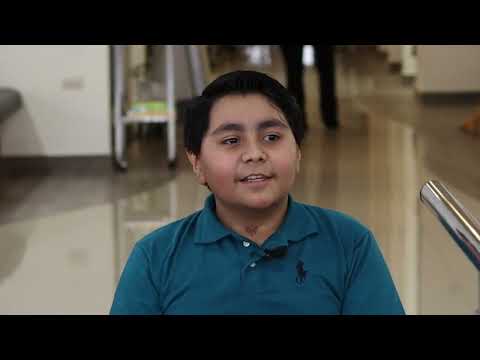
Guillain-Barré syndrome is a rare but exceptionally severe neurological condition that requires immediate medical intervention and extensive clinical rehabilitation. Finding specialized care can be a daunting task for overwhelmed families facing this sudden onset of full-body paralysis. Fortunately, effective Guillain-Barré syndrome physical therapy in Mexico offers a genuine beacon of hope for patients like twelve-year-old Roberto Manuel Encinas Ayala. After inexplicably waking up completely paralyzed, Roberto embarked on a grueling ten-month journey of intensive medical recovery.
This highly dedicated clinical approach at Hospital San José Navojoa heavily highlights the immense real-world value of specialized expert care. By actively leveraging targeted physical therapy techniques, recovering patients can successfully navigate the highly complex recovery process and permanently regain their childhood independence. Unwavering dedication from multidisciplinary medical teams consistently proves to be the ultimate defining factor in these miraculous pediatric success stories.
Video Chapters
Understanding Guillain-Barré Syndrome Recovery in Children
Guillain-Barré syndrome aggressively occurs when the human body's immune system tragically misfires and mistakenly attacks the delicate peripheral nerves. This devastating autoimmune response rapidly leads to progressive muscle weakness, severe numbness, and in highly critical cases, total body paralysis. For vulnerable pediatric patients, the sudden onset is incredibly frightening and entirely disorienting. Heartbroken parents often struggle immensely to comprehend how a perfectly healthy, active child can abruptly lose all voluntary motor function virtually overnight.
The highly complex process of Guillain-Barré syndrome recovery in children relies heavily on innate neuroplasticity and relentlessly consistent therapeutic intervention. Because a young child's nervous system is constantly still developing, they often possess a remarkably robust biological capacity for cellular regeneration. However, this natural physiological regeneration strictly requires precise, targeted stimulation through specialized clinical physiotherapy. Without proper guided physical movement, rapid muscle atrophy and severe, painful joint contractures can significantly delay the overall long-term healing process.
Medical professionals continuously emphasize that rapid early intervention heavily dictates the ultimate long-term prognosis for these terrified young patients. The initial hospitalization heavily focuses on immediately stabilizing failing vital signs and medically halting the aggressive immune system attack. Once the exhausted patient is finally deemed medically stable, the entire clinical focus permanently shifts entirely to rigorous physical rehabilitation. This critical transition officially marks the difficult beginning of a highly grueling but absolutely necessary path to restoring full daily mobility.
The Biological Mechanism of Nerve Demyelination
The human nervous system functionally operates much like a highly complex electrical grid. Crucial peripheral nerves are tightly wrapped in a protective fatty covering scientifically known as the myelin sheath, which effectively allows electrical impulses to travel rapidly from the brain down to the functioning muscles. In severe cases of Guillain-Barré syndrome, the malfunctioning immune system frantically produces rogue antibodies that systematically destroy this essential myelin insulation.
When massive demyelination aggressively occurs, the vital electrical signals become dangerously slow, entirely distorted, or completely blocked altogether. This severe biological disruption actively results in the profound, heavy muscle weakness and flaccid paralysis heavily experienced by suffering patients like Roberto. Accurately understanding this specific physiological mechanism is absolutely essential for families grasping exactly why neurological recovery painfully takes so many countless months to achieve. The human body must actively and literally rebuild the microscopic myelin insulation before the affected muscles can successfully receive the brain's commands to physically move.
The Initial Diagnosis and Acute Treatment Phase
Roberto's deeply personal and terrifying story is a classic textbook example of exactly how rapidly this rare neurological condition can medically escalate. At exactly [00:29], Roberto calmly recalls going to sleep feeling perfectly fine on the quiet night of July 2nd. By the very following early morning, he was completely unable to physically move his own body. This startlingly sudden physical onset is an unfortunate classic hallmark of the syndrome, forcefully demanding immediate emergency medical care to strictly prevent lethal, life-threatening internal complications.
His absolutely terrified family quickly transported him to a standard local medical center, but the extreme severity of his rapid paralysis highly required specialized advanced neurological attention. They were swiftly and urgently transferred to Hermosillo for highly advanced diagnostics and immediate acute treatment protocols. During this highly critical acute medical phase, attending doctors immediately administered specialized vaccines and frantically drew blood to officially and medically confirm the grim diagnosis. The rapid clinical administration of specialized blood filtering treatments is strictly the standard medical protocol during this highly narrow, life-saving window.
On August 3rd, after finally stabilizing his highly critical medical condition, Roberto was officially transferred to CEFIS at Hospital San José Navojoa. He physically arrived at the specialized facility strictly on a mobile stretcher, fully and entirely dependent on the trained medical staff and his loving family for basic daily survival. The aggressively destructive and vicious nature of the rare virus had left him entirely incapacitated. This grim, undeniable reality firmly set the immediate stage for a highly demanding, intensely painful, and long rehabilitation journey.
Managing Respiratory Complications and Tracheostomy Care
One of the absolute most dangerous and terrifying aspects of this specific neurological syndrome is its frightening biological ability to paralyze the involuntary internal respiratory muscles. When the vital nerves actively controlling the diaphragm ultimately fail, breathless patients require immediate intubation and mechanical ventilation to successfully survive the night. Roberto's severely compromised condition forcefully necessitated an emergency tracheostomy to strictly ensure he safely received adequate life-saving oxygen during his absolute lowest and most critical medical point.
Caring for an anxious pediatric patient completely reliant on an active tracheostomy introduces massive, highly delicate logistical challenges for attending physical therapists. As explicitly and carefully noted at [03:56], the highly dedicated therapy team had to be exceptionally careful not to accidentally dislodge the fragile breathing tube or cause traumatic physical harm during routine physical movement. Any rapid or overly jerky bodily movements could easily cause Roberto to become highly agitated and dangerously out of breath. The constant, heavy presence of excessive lung phlegm strictly required frequent, highly uncomfortable pulmonary aspiration to actively keep his delicate airways clear and entirely safe.
Structuring Pediatric Physiotherapy for Guillain-Barré Syndrome
Upon his initial arrival at the highly specialized rehabilitation center, the dedicated medical team squarely faced the seemingly impossible clinical task of actively rebuilding Roberto's lost motor skills completely from scratch. The absolute primary clinical goal of pediatric physiotherapy for Guillain-Barré syndrome is to heavily and constantly stimulate damaged nerve pathways while simultaneously actively preventing severe muscle wasting. This massive endeavor strictly requires a highly structured, distinctly individualized therapeutic treatment plan strictly tailored to the young child's highly specific physical deficits.
Skilled therapists almost always begin the long process with highly gentle, passive range of motion exercises. Since the completely paralyzed patient cannot physically move their own heavy limbs, the highly trained therapist manually and extremely carefully moves the arms and legs to actively maintain vital joint flexibility and continuously promote healthy blood circulation. As damaged peripheral nerve function slowly and inevitably begins to return, the daily therapy progressively and carefully transitions into active-assisted joint movements. During this crucial phase, the young child actively attempts the difficult movement while the expert therapist physically provides the exact necessary physical support to successfully complete the exhausting action.
Relearning Basic Movements: The Newborn Approach
The highly complex and lengthy timeline of nerve healing often fascinatingly and accurately mimics the natural developmental motor milestones of a newborn baby. Because the slowly healing nervous system must entirely and physiologically re-establish lost electrical connections with the muscle fibers, recovering patients must systematically relearn exactly how to control their entire bodies sequentially. At exactly [05:31], the attending physiotherapist highly accurately describes Roberto's physical progress as being exactly like a newborn infant slowly discovering physical movement for the first time.
The very first subtle, physical signs of highly anticipated neurological recovery almost usually appear strictly in the upper extremities. Roberto enthusiastically began his active recovery by slowly regaining the highly crucial ability to move his heavy arms, which instantly provided a massive and much-needed emotional morale boost for both him and the entire medical team. Once basic independent arm movement is firmly and successfully established, dedicated physical therapists immediately and strictly shift their entire focus onto heavy trunk control and deep core stability. Without a surprisingly strong core, actively sitting upright entirely independently is biologically and physiologically impossible.
Following the difficult achievement of core stabilization, the active daily therapy rapidly progresses to physically crawling on a soft mat. Crawling is an incredibly complex neurological task that strictly requires intense cross-lateral coordination between the healing brain's two hemispheres. By successfully mastering the physical act of crawling, young pediatric patients securely build the foundational muscular strength desperately needed for the ultimate long-term physical goal: safely standing up and successfully walking alone.
Targeted Pediatric Physical Therapy Exercises and Equipment
To systematically rebuild significantly lost muscle mass and successfully retrain the damaged brain, expert therapists utilize a highly wide array of specific physical movements. These highly targeted pediatric physical therapy exercises are meticulously designed to actively challenge the patient's current physical abilities without accidentally causing excessive neurological fatigue. Every single grueling session is a carefully calculated clinical effort to forcefully push the physiological boundaries entirely safely.
In the highly emotional video at exactly [02:25], highly trained clinical therapists are visibly seen utilizing brightly colored floor cones to effectively help Roberto safely practice high-stepping and strict visual-motor coordination. Actively stepping carefully over physical obstacles strongly forces the healing brain to rapidly calculate spatial distance, exact obstacle height, and the exact necessary muscle recruitment. We also clearly see him repeatedly utilizing thick red elastic resistance bands to safely build upper body and core strength while fully seated. Weighted therapeutic ankle cuffs are securely strapped on at exactly [05:29] to effectively add vital progressive overload to his highly repetitive leg extensions.
Additionally, clinical foot soaking in a specialized warm tub is explicitly seen occurring at [08:39]. This specific targeted technique is highly likely used for essential sensory nerve stimulation to actively reduce highly painful neuropathy and gently improve slow nerve signaling in the lower extremities. He is also prominently seen securely strapped to a heavy clinical tilt table at [00:55]. This is an absolutely critical piece of vital therapeutic equipment strictly utilized to gradually introduce the patient's delicate cardiovascular system to a fully upright standing position after prolonged, bed-ridden months.
- Tilt Table Acclimatization: Gradually exposes the fragile cardiovascular system to strictly upright positions to effectively prevent dangerous blood pressure drops.
- Visual-Motor Cone Drills: Strongly forces the healing brain to precisely calculate spatial distance and exact muscle recruitment for entirely safe foot placement.
- Resistance Band Training: Safely provides necessary heavy progressive overload to heavily rebuild severely atrophied upper body and core musculature.
- Sensory Contrast Foot Baths: Effectively stimulates completely damaged peripheral nerve endings to actively reduce painful neuropathy and highly improve tactile signaling.
Advanced Neurological Rehabilitation for Guillain-Barré
As slowly recovering patients finally and securely transition from basic bed mobility to advanced functional physical movements, the overall clinical intensity of the physical therapy significantly and rapidly increases. Comprehensive neurological rehabilitation for Guillain-Barré heavily involves sustained vertical weight-bearing exercises and highly demanding physical resistance training. Therapists consistently utilize highly specialized clinical equipment, such as heavy steel parallel bars, to successfully help patients safely and securely bear heavy body weight on their highly weakened legs.
Sturdy clinical parallel bars actively provide an incredibly secure, safe environment for highly anxious patients to continuously practice essential weight shifting and highly dynamic balance. Viewers can easily and clearly see Roberto actively using these long supportive bars at [00:06] to repeatedly practice his fundamental walking gait. At exactly [06:39], Roberto bravely and actively uses an upright elliptical stepping machine to actively rebuild his entirely depleted cardiovascular endurance and perfectly practice reciprocal leg movement.
Analyzing the Standard Clinical Phases of Neurological Healing
Fully understanding the highly complex trajectory of neurological healing helps successfully set realistic daily expectations for desperate families facing this entirely daunting diagnosis. The lengthy recovery timeline for Guillain-Barré is extremely rarely perfectly linear; it heavily involves significant physical plateaus and sudden, unexpected bursts of motor progress. The dedicated medical staff highly relies on tracking these vital phases to accurately adjust the therapeutic demands.
| Recovery Phase | Clinical Characteristics | Primary Physiotherapy Goal |
|---|---|---|
| 1. Acute Onset | Rapid loss of all motor function, potential respiratory failure, severe body numbness. | Passive range of motion, completely preventing contractures, strict airway management. |
| 2. Plateau Phase | Neurological degradation successfully halts. Patient remains highly paralyzed but medically stable. | Continuous gentle joint mobilization, delicate transition to early active-assisted movement. |
| 3. Early Regeneration | Initial return of basic upper extremity movement. Vastly improved core stability. | Establishing independent sitting balance, actively weaning completely off mechanical ventilation. |
| 4. Functional Mobility | Ability to physically crawl and bear limited weight heavily on lower extremities. | Parallel bar gait training, intensive proprioception drills, and heavy resistance exercises. |
The Psychological Impact and Family Support in Medical Recovery
Recovering from a highly catastrophic, totally paralyzing physical illness is absolutely just as much a grueling mental battle as it is a highly demanding physical one. Young children are exceptionally highly vulnerable to deep depression, severe daily anxiety, and explosive emotional frustration when their basic bodily autonomy is suddenly and aggressively stripped away. Establishing a highly robust, positive family support system is an absolutely indispensable clinical element of the entire long-term healing process.
Roberto's deeply emotional sister poignantly and clearly noted at exactly [03:32] exactly how heavily emotionally taxing it truly is to visibly see a beloved family member in such an incredibly vulnerable, helpless state. However, she strongly and continually emphasized the absolute necessity of continuously projecting sheer strength and actively providing unwavering daily emotional encouragement. When a highly frightened child clearly feels fully supported by their dedicated family, their overall willingness to heavily endure highly painful and completely exhausting physical therapy sessions increases highly dramatically.
Deeply personal motivations play a incredibly massive role in long pediatric medical recovery. Roberto's clearly stated desire to eventually become a successful automotive engineer, enthusiastically watch episodes of Dragon Ball, and happily play with his loving sister heavily fueled his daily intense determination. At [08:49], he explicitly names his loving family as his absolute primary emotional motivation for pushing forward every single grueling day.
Why Families Choose Treatment for Guillain-Barré Syndrome in Mexico
The notoriously high, financially ruinous cost of long-term medical care unfortunately successfully drives many desperate families to deeply explore viable international options for highly extensive physical rehabilitation. Opting for specialized treatment for Guillain-Barré syndrome in Mexico directly provides unmatched clinical access to world-class medical facilities at a mere fraction of the exorbitant cost typically found highly in the United States or Europe. Elite hospitals boast highly state-of-the-art rehabilitation equipment and highly specialized, dedicated pediatric physical therapists.
These premier international health centers strictly prioritize a highly holistic, deeply patient-centric daily approach to intense neurological care. Instead of feeling exactly like just another faceless number in a massive, completely overwhelming healthcare system, recovering patients receive highly individualized, deeply compassionate attention. The highly trained multidisciplinary medical teams strictly collaborate incredibly closely, guaranteeing that the physical, complex respiratory, and deep psychological aspects of the severe disease are treated actively and simultaneously.
As Roberto's incredibly grateful and emotional father tearfully expressed at [08:09], the completely relentless daily dedication of the therapists was entirely instrumental in his young son's impressive 90 percent recovery. The highly reliable ability to actively access this specific level of entirely transformative care ensures that children suffering from highly severe neurological conditions have the absolute best possible medical chance at fully reclaiming their entire childhood. This firmly makes Hospital San Jose Navojoa physiotherapy a truly shining global example of outstanding international medical excellence.
Begin Your Path to Recovery Today
If your child requires specialized neurological rehabilitation or intensive physical therapy abroad, contact our expert medical tourism coordinators to explore highly affordable, world-class treatment options in Mexico.
Get Free QuoteView Full Video Transcript
00:00 Hospital San José Navojoa
00:02 Hola, yo me llamo Roberto Manuel Encinas Ayala y tengo 12 años
00:11 Dicen que los desafíos de la vida no están para paralizarte...
00:14 Están para ayudarte a descubrir quién eres.
00:17 Y Roberto Encinas nos demuestra que es a través de los momentos difíciles,
00:22 cuando te vuelves más fuerte, para poder soportar las tormentas de la vida.
00:28 El 2 de julio estaba en mi casa, ahí dormido,
00:31 y a la mañana siguiente me levanté, bueno, no me levanté, no me podía mover.
00:36 Y después me llevó al hospital,
00:40 luego me dijeron que tenía Guillain-Barré y me llevaron a Hermosillo.
00:43 Y después me pusieron muchas cosas de vacunas, todo, me sacaron sangre.
00:49 Al niño le dio Guillain-Barré.
00:51 El 3 de agosto llegamos aquí.
00:53 Cuando llegamos aquí a CEFIS, a mi niño lo traíamos en camilla.
00:58 Porque esta enfermedad es muy agresiva, este virus.
01:03 Y de este, pues gracias a Dios, mi niño ahorita después de 10 meses de terapia,
01:08 ya está mejor. Él ya prácticamente, pues...
01:12 está, yo creo que a un 80%, 90% ya recuperado.
01:17 Ha sido difícil. Desde que le dio Guillain-Barré a mi hermano, ha sido complicado.
01:23 Ya que el Guillain-Barré es una enfermedad un poco... no muy común.
01:29 Recuerdo cuando Roberto llegó aquí, pues yo también iba entrando.
01:34 Ha sido una etapa muy bonita en mi vida, he aprendido muchas cosas.
01:39 Eh, tanto el tipo de paciente que viene siendo Roberto, que es el Guillain-Barré.
01:45 He aprendido cómo tratarlo, he aprendido a buscar diferentes maneras de ayudar
01:52 a que Roberto vuelva a ser pues un niño independiente.
01:56 Eh, ha sido una de las experiencias más bonitas, la verdad.
02:00 Me ha ayudado mucho a... a superarme como profesional.
02:06 Mi hermano ha tenido la fortuna de tener una recuperación muy larga.
02:11 Y la experiencia como hermana es que siempre tienes que estar fuerte.
02:15 Cuando ves a tu hermano que... está en una situación en la que es complicada para él.
02:22 Y tú siempre debes de darle todo el apoyo posible... eh, que tienes en tus manos.
02:27 Una de las primeras experiencias que me acuerdo con Roberto fue que él llegó totalmente en cama.
02:33 Pues obviamente con ayuda de mis compañeros, porque recuerdo que Roberto traía una traqueotomía.
02:40 Y era pues obviamente muy difícil, porque teníamos que cuidar de no lastimarlo.
02:46 El moverlo muy rápido hacía que él se agitara.
02:51 Y pues a él lo aspiraban de sus pulmones porque se le juntaba mucha flema debido a su problema.
02:59 Al principio daba mucho miedo. Daba mucho miedo el... cuando a él lo aspiraban.
03:04 Porque era algo sorprendente el que él se empezara a ahogar y no poder respirar.
03:10 Entonces... como que a la vez te daba el desespero y... y querías ayudarlo.
03:17 Entonces... esa, me acuerdo cuando él empezó a moverse.
03:22 Las primeras, que fueron sus brazos. Sus brazos fueron los primeros en poder movilizarse.
03:28 Eh, estábamos muy felices cuando él empezó a hacer todo desde un principio.
03:32 Era algo nuevo que íbamos descubriendo.
03:35 Era como un bebé recién nacido que iba empezando a moverse.
03:39 Que iba empezando a gatear, que iba empezando a sentarse, a tener fuerza para sentarse.
03:44 El tener fuerza en sus piernas...
03:46 Fue un proceso bastante... ha sido un proceso bastante largo, pero muy emocionante.
03:51 Y que nos me ha enseñado... nos ha enseñado a todos.
03:55 Tanto a mí, como a los familiares...
03:58 Nos ha enseñado a conocer la enfermedad que tuvo Roberto
04:01 y a ir mejorando con él, y a ayudarlo a que él mejore su situación
04:06 y sea un niño totalmente independiente.
04:09 Le falta poquito más para que camine. Y estoy muy agradecido aquí con los muchachos.
04:14 Muy... muy profesionales, y... pues qué le puedo decir.
04:19 Es algo que a uno como padre nos cambia la vida, porque este virus...
04:24 llegó de la noche a la mañana, y nosotros pues no...
04:28 Pues quién va a estar preparado para esas cosas que pasan, ¿verdad?
04:32 Pero Dios sabe por qué hace estas cosas.
04:35 Pues estamos contentos ahorita porque el niño ya lleva un buen avance.
04:39 Y pues, bendito Dios... ¿qué más les puedo decir?
04:44 Uno no tiene palabras para agradecerle a Dios, porque el niño pues...
04:48 está muy bien.
04:49 Con la ayuda de los terapeutas y...
04:52 que han hecho un buen trabajo. Y estoy muy agradecido con ellos, y con todo el equipo aquí.
04:57 Y gracias a ellos pues mi niño está muy bien, bendito Dios.
05:01 Y solo agradezco que a... a todo el grupo de CEFIS, que han apoyado a mi hermano.
05:07 A nuestra familia, amigos, que nos han apoyado tanto económica, moral y psicológicamente.
05:14 Listo, dale.
05:17 No...
05:29 Y a mí me gustaría... eh...
05:32 cuando ya me... ya me alivie, quisiera estudiar de ingeniero automotriz.
05:37 Y me gusta ver la serie de Dragon Ball y jugar con mi hermana.
05:41 Y luego también lo que me motiva a seguir adelante es mi familia.
05:46 ¿Cómo te sientes?
05:47 Bien, estoy feliz.
05:50 Saludos para mis tíos, tíos.
05:52 Hola...
05:57 ME GUSTA, COMPARTE, SUBSCRIBETE



.png)
.png)
.png)
.png)








Share this listing