


Maria's Success Story: Overcoming Diabetes with Stem Cell Therapy in Mexico
Living with chronic metabolic conditions often feels like fighting an endless uphill battle against your own body. For decades, conventional medicine has focused primarily on managing symptoms and mitigating damage rather than addressing the root cause of cellular dysfunction. However, Maria's inspiring journey highlights a groundbreaking alternative. By exploring stem cell therapy for diabetes in Mexico, she found a lifeline that traditional treatments could not offer.
Her transformative experience showcases how advanced regenerative medicine can significantly improve blood sugar control and overall quality of life. Discover how international medical tourism is providing tangible hope, measurable clinical results, and renewed vitality for patients worldwide who are tired of merely surviving their diagnosis.
Video Chapters & Quick Navigation
For millions of people worldwide, managing blood sugar levels is a relentless daily struggle that dictates every meal, activity, and travel plan. The traditional medical approach to this metabolic disorder relies heavily on insulin therapy and lifestyle modifications, which only mask the underlying cellular deterioration. Patients frequently experience progressive complications, leading many to search for more profound, restorative solutions beyond their local healthcare systems.
The Relentless Reality of Living with Chronic Diabetes
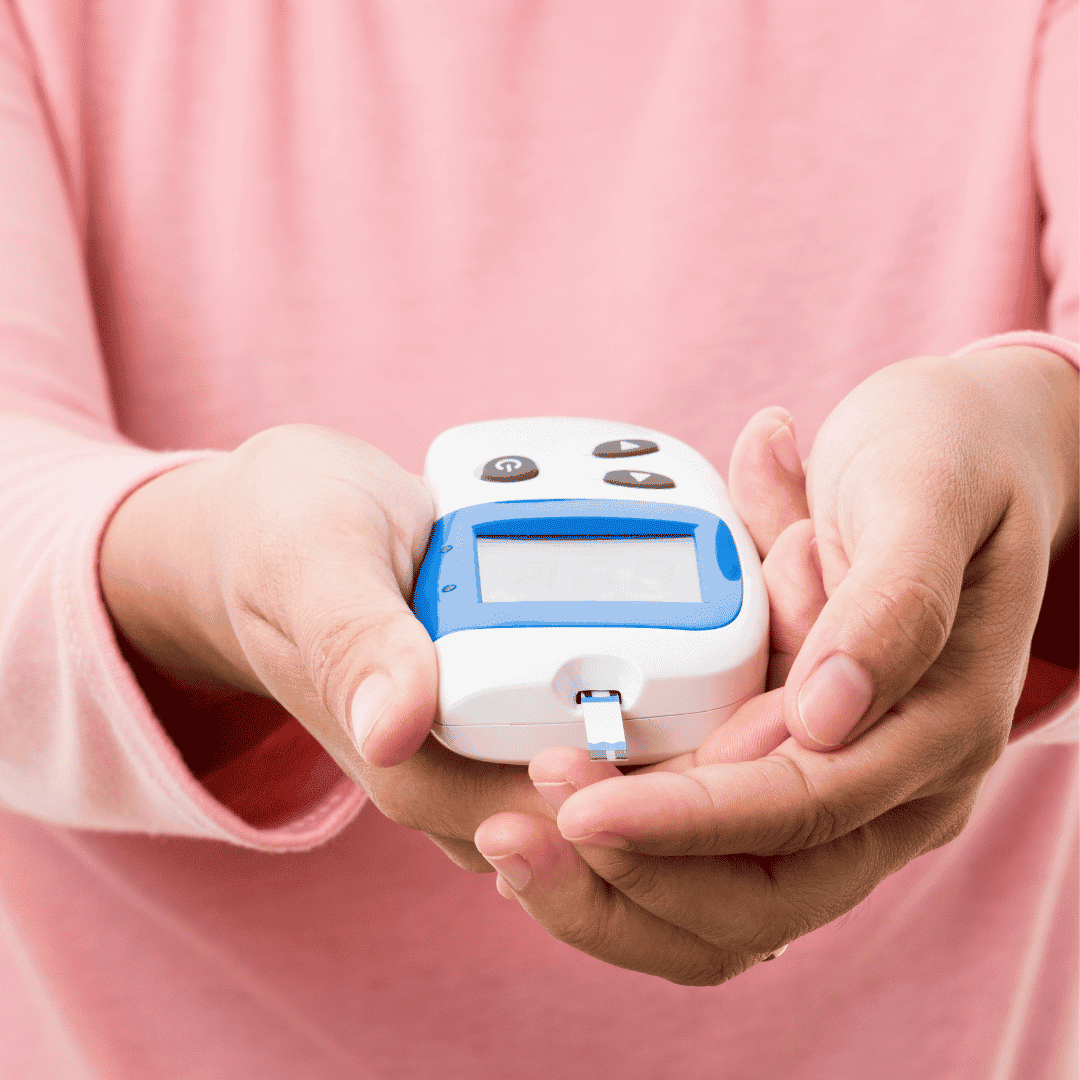
A diabetes diagnosis often feels like a life sentence governed by test strips, fluctuating energy levels, and restrictive diets. Patients must maintain a constant state of hyper-vigilance to prevent severe hypoglycemic or hyperglycemic episodes. Over time, the systemic burden of high blood glucose damages blood vessels, leading to a cascade of secondary health issues.
The Physical and Emotional Toll
The physical complications of uncontrolled blood sugar are well-documented, encompassing diabetic neuropathy, retinopathy, and cardiovascular disease. However, the emotional fatigue is frequently overlooked by primary care physicians. Maria described the overwhelming anxiety of constantly calculating carbohydrate intake and fearing sudden health declines. This perpetual stress drastically diminishes a patient's overall quality of life and mental well-being.
The Limitations of Conventional Treatments
Conventional pharmacology primarily addresses symptom management rather than cellular repair. Insulin injections and oral hypoglycemic agents are designed to artificially regulate blood sugar, but they do nothing to halt the progressive destruction of pancreatic cells. Patients often find themselves on a treadmill of increasing medication dosages as their body's natural insulin production continues to dwindle. This realization often serves as the catalyst for patients to explore alternative, regenerative therapies.
Decoding the Science: How Stem Cell Therapy Targets Diabetes
Regenerative medicine represents a paradigm shift from symptom management to cellular restoration. By utilizing the body's own biological building blocks, stem cell treatments aim to repair damaged tissues and restore lost functional capacity. This scientific approach has gained significant traction for metabolic disorders, offering a new frontier in chronic disease management.
Understanding Mesenchymal Stem Cells (MSCs)
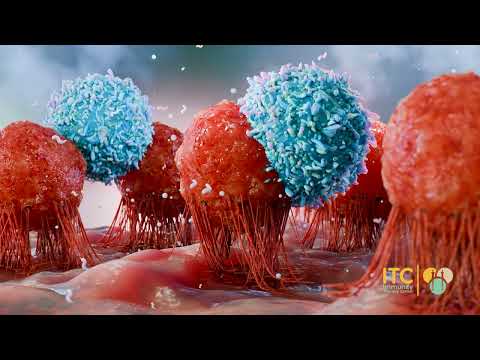
Mesenchymal stem cells (MSCs) are multipotent cells capable of differentiating into various cell types, including those found in bone, cartilage, and organ tissue. More importantly, MSCs are renowned for their powerful homing capabilities, meaning they naturally migrate to areas of inflammation and tissue damage within the body. Once they reach these damaged sites, they release a complex array of growth factors and cytokines that stimulate natural healing processes.
The Regeneration of Pancreatic Beta Cells
In patients with diabetes, the beta cells in the pancreas are either destroyed by an autoimmune response or exhausted by insulin resistance. Stem cell therapy aims to regenerate these vital beta cells, thereby restoring the body's intrinsic ability to produce and regulate insulin. Clinical studies have demonstrated that MSCs can promote the survival of existing beta cells while simultaneously encouraging the creation of new, healthy cells. This dual action is crucial for long-term blood sugar stabilization.
Immunomodulation and Reducing Systemic Inflammation
One of the most profound benefits of MSCs is their immunomodulatory properties, which are particularly relevant for autoimmune conditions like Type 1 diabetes. These cells can recalibrate the immune system, preventing it from continuing its assault on the pancreas. Furthermore, MSCs drastically reduce systemic inflammation, a primary driver of insulin resistance in Type 2 diabetes. By calming the inflammatory response, patients often experience improved cellular sensitivity to their own naturally produced insulin.
Why Patients Choose Mexico for Regenerative Medicine
The United States and Canada boast advanced medical infrastructures, yet they are heavily restricted by slow regulatory processes regarding regenerative therapies. As a result, patients are increasingly looking across the border to access innovative treatments. Mexico has rapidly established itself as a premier global hub for medical tourism, particularly in the field of stem cell therapy.
Access to Advanced, Safe Protocols
Mexican regulatory bodies, such as COFEPRIS (the equivalent of the FDA), have developed progressive yet stringent frameworks for cellular therapies. This allows the best regenerative medicine clinics in Mexico to offer treatments that are safely regulated but not yet widely available in the US or Europe. Patients like Maria can access expanded populations of highly viable mesenchymal stem cells derived from ethically sourced umbilical cord tissue.
World-Class Medical Facilities and Experts
The misconception that traveling abroad means sacrificing quality is quickly dispelled upon entering top-tier Mexican medical centers. Clinics in cities like Tijuana, Cancun, and Guadalajara feature state-of-the-art sterile laboratories and are staffed by internationally trained specialists. Many lead researchers and physicians hold dual board certifications and have trained extensively in North America or Europe, ensuring exceptional standards of patient care.
The Strategic Geographical Advantage
For North American patients, the proximity of Mexico makes medical travel highly convenient and less physically taxing. Short, direct flights eliminate the exhaustion associated with traveling overseas to destinations like Asia or Eastern Europe. Furthermore, many clinics offer seamless concierge services, picking patients up directly from border airports like San Diego and transporting them to their luxury recovery suites.
Breaking Down the Financial Barriers of Regenerative Care
Healthcare affordability is a major catalyst driving the medical tourism industry. In countries with privatized healthcare systems, innovative treatments are often priced out of reach for the average citizen. Understanding the stem cell therapy cost in Mexico vs USA is crucial for patients weighing their therapeutic options.
The Exorbitant Cost of Healthcare in the US and Canada
In the United States, regenerative treatments are rarely covered by traditional insurance plans because they are still classified as experimental by many providers. Patients can face out-of-pocket expenses ranging from $20,000 to over $40,000 for comprehensive cellular protocols. Additionally, these costs rarely include necessary follow-up care, specialized diagnostics, or hospital facility fees.
Comprehensive and Affordable Care Packages in Mexico
Conversely, the cost of living and lower administrative overhead in Mexico allow clinics to offer premium treatments at a fraction of the price. An affordable stem cell treatment for type 2 diabetes typically ranges between $5,000 and $12,000 depending on the required cell count and protocol duration. These packages are overwhelmingly comprehensive, usually covering pre-operative blood work, the stem cell infusions, specialist consultations, and even luxury hotel accommodations.
| Treatment Aspect | United States / Canada | Mexico |
|---|---|---|
| Average Cost | $20,000 - $45,000 | $5,000 - $12,000 |
| Cell Source Expansion | Heavily Restricted by FDA | Advanced Lab Expansion Allowed |
| Package Inclusions | Usually Treatment Only | Consults, Scans, Transfers & Hotel |
| Wait Times | Months for Specialist Booking | Days to Weeks |
Inside Maria's Transformative Patient Journey
Understanding the logistical flow of an international medical trip can alleviate much of the anxiety prospective patients feel. Maria's experience serves as a perfect blueprint for what individuals can expect when seeking medical tourism in Mexico for diabetes. Her journey was marked by profound professionalism, empathy, and streamlined clinical efficiency.
The Initial Consultation and Personalized Planning
Before ever booking a flight, Maria engaged in a comprehensive virtual consultation with a board-certified regenerative specialist in Mexico. The medical team meticulously reviewed her historical HbA1c records, current medication list, and specific neuropathy symptoms. Based on this thorough assessment, they crafted a highly customized cellular protocol designed specifically for her metabolic profile and health goals.
The Treatment Day: Precision and Comfort
Upon arriving at the clinic, Maria was struck by the modern, spa-like environment that contrasted sharply with the sterile, anxiety-inducing hospitals she was used to. The actual administration of the mesenchymal stem cells for blood sugar control was minimally invasive, usually delivered via a slow intravenous (IV) drip. She rested comfortably in a private suite, monitored continuously by specialized nursing staff throughout the painless two-hour procedure.
Post-Treatment Monitoring and Compassionate Care
Following the infusion, the medical team provided Maria with detailed nutritional guidelines and lifestyle adjustments to maximize the cellular engraftment process. Unlike the rushed appointments typical in her home country, the Mexican physicians took over an hour to address all her post-treatment questions. She remained in the city for a few days for follow-up observation before safely flying home, feeling optimistic for the first time in years.
The Ripple Effect: Life-Changing Health Improvements
The true measure of any medical intervention lies in the sustained clinical outcomes it produces. Stem cell therapy is not an overnight cure, but rather a profound catalyst for long-term physiological repair. The results Maria experienced over the ensuing months completely redefined her prognosis.
Stabilizing Blood Sugar and Lowering HbA1c
Within three to four months post-treatment, Maria noticed a dramatic stabilization in her daily glucose readings. The dangerous spikes and crashes that once dictated her schedule became increasingly rare. Most notably, her subsequent blood work revealed a significant drop in her overall HbA1c levels, indicating that her body was successfully processing glucose with a fraction of the exogenous insulin she previously required.
Reversing Diabetic Neuropathy Symptoms
One of the most debilitating side effects of her condition had been diabetic peripheral neuropathy, which caused agonizing burning and numbness in her feet. Because stem cells promote angiogenesis—the formation of new blood vessels—blood flow was restored to her damaged nerve endings. Managing diabetic neuropathy with stem cells proved remarkably effective, allowing her to walk comfortably and sleep through the night without pain.
Reclaiming Energy and Vitality
Beyond the measurable clinical markers, the subjective improvements in Maria's vitality were staggering. The chronic fatigue associated with poor metabolic function lifted, replaced by a sustained, natural energy. She was able to return to gardening, traveling, and actively playing with her grandchildren—activities she had previously abandoned due to physical exhaustion.
Essential Steps for Planning Your International Healthcare Journey
Embarking on a medical tourism journey requires diligent research and careful preparation. While the benefits are immense, patients must ensure they are making informed, secure decisions regarding their healthcare provider.
- Verify Clinic Credentials: Ensure the facility is fully registered with COFEPRIS and adheres to international ISO laboratory standards for cellular expansion.
- Review Physician Backgrounds: Look for specialists with specific backgrounds in immunology or endocrinology, preferably with international fellowships.
- Compile Medical Records: Gather all recent blood panels, endocrinologist notes, and medication histories to provide the overseas clinic with a complete medical picture.
- Partner with Facilitators: Utilizing experienced medical tourism agencies like PlacidWay can seamlessly connect you with vetted clinics and manage all travel logistics.
Evaluating the Long-Term Success of Regenerative Care
It is important to approach stem cell therapy with realistic expectations and an understanding of the biological timelines involved. Cellular regeneration is a gradual process that continues to unfold over many months. Patients who combine their therapy with dedicated nutritional protocols and moderate exercise consistently report the highest rates of long-term success.
Maria's story is a powerful testament to the fact that patients are no longer confined by the limitations of local medical systems. By taking proactive control of her health and looking across borders, she bypassed the prohibitive costs and regulatory red tape of her home country. Advanced regenerative therapies in Mexico offer a scientifically backed, highly accessible pathway for diabetics seeking to reclaim their health, autonomy, and zest for life.
Ready to Reclaim Your Health from Diabetes?
PlacidWay Medical Tourism connects you with top-rated, fully certified regenerative medicine clinics in Mexico. Discover affordable, world-class stem cell therapy customized for your condition. Let us handle the details while you focus on healing.
GET A FREE QUOTE TODAY




.png)
.png)
.png)
.png)








Share this listing