


Planning a family requires careful medical consideration, and understanding the specifics of a safe pregnancy after bariatric surgery in Mexico is vital for expectant mothers. Many patients undergo metabolic procedures to dramatically improve their health and significantly boost their fertility. However, the unique physiological changes that follow these operations demand a highly structured approach to maternal care.
Transitioning from a period of rapid weight reduction to a state of nurturing fetal development involves complex metabolic adjustments. Your body requires targeted nutritional management and strict adherence to clinical timelines to ensure optimal outcomes. By relying on expert medical guidance, you can successfully create a thriving internal environment for both you and your future child.
Video Chapters & Quick Navigation
Understanding the Timeline: Safe Protocols for Post-Operative Conception
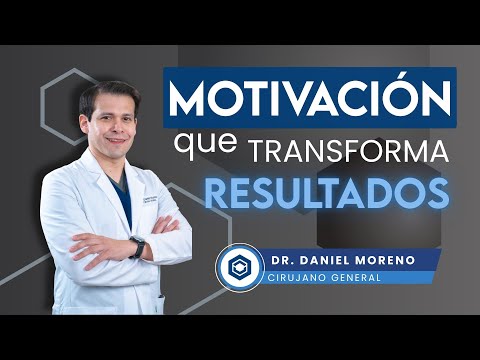
The decision to expand your family after undergoing massive weight loss requires strict adherence to established medical timelines. As highlighted in the clinical advice at [00:00], immediate post-surgical phases involve intense hormonal and physical shifts. Your body dedicates immense energy to healing the gastrointestinal tract and processing the rapid breakdown of adipose tissue.
During the first year, your digestive system is in a profound catabolic state due to severe caloric restriction. This fast-paced reduction in body mass creates a hostile environment for fetal development and maternal nutrient retention. As detailed at [00:11], giving your modified anatomy the opportunity to adapt is an absolute medical necessity.
Conceiving while your body is actively starving its fat stores can trigger severe developmental complications for the embryo. The internal mechanisms must shift from a state of controlled malnutrition to a baseline of metabolic maintenance. Establishing this dietary equilibrium guarantees that an incoming pregnancy will not deplete the mother's essential mineral reserves.
Patients are heavily advised to use reliable, non-oral contraception immediately following their operation. Oral birth control pills often suffer from poor absorption rates in altered digestive systems, leading to unexpected failures. Relying on barrier methods or intrauterine devices ensures that conception only happens when the body is truly prepared.
The physical trauma of the surgery itself also dictates a mandatory period of internal healing. The staple lines along the stomach or the newly created intestinal anastomoses must fully solidify before facing abdominal expansion. Waiting allows these surgical sites to mature, preventing life-threatening ruptures as the uterus grows.
The Critical Importance of the 12 to 18 Month Waiting Period
Surgeons and obstetricians globally mandate a specific waiting window before attempting to become pregnant. The widely accepted recommendation to delay conception for 12 to 18 months, as mentioned at [00:26], protects both maternal and infant health. This specific duration marks the point where the most aggressive weight loss naturally plateaus.
By the time a patient reaches the year-and-a-half milestone, their basal metabolic rate has established a new, stable baseline. Daily caloric intake finally matches the body's energy expenditure, ending the phase of active fat depletion. This stabilization provides a much safer foundation for the immense energetic demands of carrying a child.
This extended waiting period also grants the medical team ample time to identify and correct any underlying vitamin deficiencies. It takes months for patients to develop a consistent routine with their specialized bariatric supplements and dietary habits. Patience during this crucial recovery phase drastically lowers the incidence of severe gestational complications.
Women who adhere strictly to this timeline report significantly lower rates of extreme fatigue and hospitalization during their trimesters. They have learned how to manage portion sizes and identify foods that trigger dumping syndrome or discomfort. This experiential knowledge is vital when dealing with the added digestive challenges of normal pregnancy hormones.
How Gastric Alterations Dramatically Enhance Overall Fertility
Severe obesity is intrinsically linked to a variety of reproductive disorders, most notably polycystic ovary syndrome (PCOS). High volumes of fatty tissue act as an endocrine organ, producing excess estrogen that disrupts normal ovulation cycles. Surgically induced weight reduction effectively reverses these hormonal imbalances at a rapid pace.
As body mass drops, systemic insulin resistance decreases, which immediately lowers the production of disruptive androgens like testosterone. This profound metabolic reset often restores spontaneous ovulation within just a few months of the procedure. Many patients who previously spent years battling infertility are surprised by how quickly they can conceive naturally.
Because normal fertility often returns long before the mother's body is structurally ready for gestation, family planning discussions must happen pre-operatively. Medical professionals emphasize that the return of regular menstrual cycles is a sign of healing, not a green light for conception. Strict adherence to contraceptive protocols prevents the high risks associated with premature pregnancies.
The improvement in egg quality is another significant benefit of metabolic stabilization. Reduced systemic inflammation creates a much healthier ovarian environment, increasing the chances of a viable embryo. This physiological upgrade makes post-surgical patients excellent candidates for healthy, full-term deliveries once the waiting period expires.
Even for those pursuing assisted reproductive technologies like IVF, prior weight correction drastically improves success rates. Fertility clinics frequently require patients to lower their BMI to ensure safe egg retrieval and successful embryo implantation. The surgical route provides a permanent solution that maximizes the efficacy of these expensive fertility treatments.
Nutritional Considerations for a Healthy Post-Op Pregnancy
Sustaining two lives with an altered gastrointestinal tract presents unique and demanding nutritional hurdles. The primary obstacle is the drastically reduced capacity of the stomach, paired with varying degrees of intentional intestinal malabsorption. As the expert points out at [00:40], achieving baseline weight stability is the prerequisite for robust prenatal care.
Expectant mothers naturally experience a massive increase in blood volume and require higher caloric intakes to support fetal growth. However, physically consuming large, calorie-dense meals is impossible for patients with a restricted stomach pouch. The strategy must shift towards continuous grazing on small, highly nutritious meals throughout the entire day.
Preventing congenital anomalies requires aggressive and specialized vitamin saturation. As noted at [00:54], standard over-the-counter prenatal vitamins completely fail to meet the needs of a bypassed digestive system. Expectant mothers must utilize heavy-duty bariatric formulations that deliver micronutrients in highly bioavailable formats.
Protein intake becomes a daily clinical target that must be rigorously tracked and achieved. The physical lack of space in the stomach means lean meats can be difficult to digest, leading to reliance on clinical-grade protein shakes. Maintaining muscle mass and supporting placental development requires constant vigilance regarding macronutrient ratios.
Hydration also poses a significant risk, as drinking large amounts of water at once causes severe discomfort or vomiting. Pregnant post-op patients must sip fluids constantly between meals to prevent dangerous levels of dehydration. Failure to maintain fluid volume can lead to premature uterine contractions and recurrent urinary tract infections.
Essential Mineral and Vitamin Supplements for Expectant Mothers
Mineral deficiencies are the most common and dangerous complication for pregnant women with altered digestive anatomies. Iron deficiency anemia occurs at alarmingly high rates because the primary site of iron absorption has been bypassed or lacks sufficient gastric acid. Oral iron supplements often cause severe constipation, necessitating frequent intravenous iron infusions to protect fetal oxygenation.
Folate requirements are equally strict, as this nutrient is directly responsible for preventing catastrophic neural tube defects in the embryo. While standard obstetrical guidelines suggest basic folic acid, bariatric patients require much higher baseline doses to counteract poor absorption. Calcium and Vitamin D levels must also be aggressively managed to prevent the fetus from leeching minerals directly from the mother's bones.
To fully understand the intense supplementary demands, review the clinical breakdown of critical micronutrients required during this gestational period:
| Essential Nutrient | Primary Fetal Function | Post-Surgical Absorption Challenge |
|---|---|---|
| Iron (Ferrous Fumarate) | Facilitates oxygen transport and massive blood volume expansion. | Lack of stomach acid severely impairs the conversion of non-heme iron into a usable state. |
| Folic Acid / Folate | Critical for preventing brain and spinal cord developmental defects. | Accelerated digestive transit times reduce the window for natural intestinal uptake. |
| Vitamin B12 | Drives neurological development and cellular DNA synthesis. | The surgical removal of stomach tissue drastically reduces the intrinsic factor needed for absorption. |
| Calcium Citrate | Required for skeletal growth, muscle contractions, and heart function. | Duodenal bypassing eliminates the primary site where dietary calcium is naturally absorbed. |
Evaluating the Impact of Specific Surgical Techniques on Gestation
Not all weight correction procedures exert the same physiological influence on a woman's reproductive journey. The exact anatomical alterations dictate the specific clinical risks and dietary hurdles the mother will encounter. Properly identifying the mechanics of your exact operation is the first step in tailoring effective prenatal care.
Surgical interventions are generally classified as strictly restrictive, highly malabsorptive, or a combination of both mechanisms. Restrictive methods simply reduce the physical volume of food intake without fundamentally changing the intestinal pathway. Combination procedures shrink the stomach while actively bypassing extensive sections of the digestive tract to force calorie dumping.
The chosen surgical route dictates the intensity of nutritional surveillance required by your obstetric team. Women with highly malabsorptive profiles face a drastically elevated risk of fetal growth restriction if their blood work is ignored. A heavily customized, procedure-specific care plan is absolutely mandatory to secure favorable maternal outcomes.
Communication between the original surgical facility and the current obstetric provider is paramount. The obstetrician must know the exact length of the bypassed intestine to calculate accurate medication dosages. Without this specific surgical data, prescribing safe prenatal treatments becomes a dangerous guessing game.
Patients must keep a copy of their operative reports easily accessible throughout their entire gestation. In the event of emergency abdominal pain, attending physicians need immediate access to this structural information. Having these medical records on hand speeds up accurate diagnostic imaging and prevents catastrophic misdiagnoses.
Contrasting Gastric Sleeve and Roux-en-Y Bypass Pregnancies
The Vertical Sleeve Gastrectomy involves the permanent removal of roughly eighty percent of the stomach tissue, leaving a narrow, restrictive tube. Because the normal intestinal routing remains entirely intact, patients face fewer severe malabsorption crises compared to bypass patients. However, the extreme restriction in volume forces mothers to eat with military-like discipline to meet daily fetal caloric demands.
Alternatively, the Roux-en-Y procedure creates a tiny upper stomach pouch that is surgically attached directly to the lower intestine. This aggressive rerouting intentionally causes profound malabsorption of fats and complex carbohydrates. Mothers with a bypass require relentless serum monitoring and frequent adjustments to heavy-duty bariatric supplements to prevent malnutrition.
Bypass patients also face unique mechanical risks as the pregnancy progresses into the third trimester. The upward pressure of the expanding uterus alters the positioning of the reconfigured bowels, creating potential spaces for internal hernias. Any sudden, severe abdominal cramping in a pregnant bypass patient demands immediate surgical evaluation to rule out a strangulated bowel.
Managing Severe Risks: Why Premature Conception Must Be Avoided
Disregarding the mandated timeline introduces a multitude of entirely preventable medical crises for both the mother and the developing infant. Conceiving during the intense weight-shedding phase forces the fetus to fight the mother's body for incredibly scarce resources. This physiological starvation conflict rarely results in a healthy, uncomplicated gestation.
The most pressing clinical danger of premature conception is severe Intrauterine Growth Restriction (IUGR). When the embryo cannot extract adequate macronutrients from the mother's bloodstream, its cellular growth trajectory stalls. Infants born with significant growth restrictions face lifelong battles with respiratory distress, chronic infections, and neurological delays.
The physical devastation to the mother is equally alarming and often irreversible. The rapid extraction of her already depleted mineral stores triggers severe osteopenia, dangerous anemia, and debilitating physical exhaustion. Furthermore, inadequate protein synthesis compromises the maternal immune system, turning minor infections into life-threatening obstetrical emergencies.
Surgical complications also spike dramatically when pregnancy occurs before internal tissues have scarred and solidified. The abdominal wall and the digestive anastomoses remain fragile during the first several months post-op. The rapid expansion of early pregnancy can force these weak surgical sites to tear, requiring emergency reconstructive interventions.
Mentally, dealing with extreme morning sickness alongside acute post-surgical dumping syndrome is a grueling ordeal. Constant nausea prevents the intake of crucial hydration, landing premature mothers in the hospital for IV fluids repeatedly. Avoiding these compounding miseries is exactly why the 18-month waiting rule is fiercely enforced by specialists.
Navigating Gestational Diabetes Testing and Alternative Protocols
Ironically, undergoing a metabolic procedure dramatically lowers a woman's statistical risk of developing gestational diabetes compared to her pre-surgery baseline. However, the standard medical protocols for diagnosing this condition pose a severe problem for altered digestive tracts. The traditional oral glucose tolerance test requires rapidly drinking a heavily concentrated sugar solution.
For patients with a gastric bypass or a sensitive gastric sleeve, consuming fifty grams of liquid glucose causes instantaneous dumping syndrome. The rapid transit of raw sugar into the small intestine triggers extreme tachycardia, severe diaphoresis, and crippling abdominal cramps. Furthermore, the resulting reactive hypoglycemia can cause the mother to lose consciousness entirely.
Because the standard test is clinically unsafe, bariatric patients require alternative testing methodologies during their second trimester. The most widely accepted protocol involves traditional at-home capillary blood glucose tracking over a two-week period. Mothers check their fasting levels and post-prandial spikes using a standard glucometer to provide a safer, more accurate metabolic picture.
In some cases, endocrinologists may rely on checking Hemoglobin A1C levels, though this is less accurate for short-term gestational changes. Continuous glucose monitors (CGMs) are also becoming a popular, non-invasive tool for tracking blood sugar without triggering digestive distress. Establishing these alternative protocols early in the pregnancy prevents dangerous clinical standoffs in the testing lab.
Dietary management of blood sugar is also slightly modified for the post-op demographic. While standard gestational diabetes diets limit carbohydrates, bariatric patients already consume highly restricted carb loads. Treatment focuses more on precise pairing of complex proteins with fats to prevent dangerous blood sugar crashes between small meals.
The Essential Role of Continuous Medical Supervision and Care
Achieving a safe delivery following major gastrointestinal restructuring is never an isolated endeavor; it demands a highly synchronized clinical team. As clearly stated in the medical briefing at [01:05], every patient's metabolic fingerprint is entirely unique. Your collaborative team must include a maternal-fetal medicine specialist, your original surgical team, and a certified bariatric dietitian.
Standard prenatal obstetrical checkups must be heavily augmented with comprehensive, bariatric-specific blood panels. A basic complete blood count is entirely insufficient for detecting impending micronutrient crashes. Physicians must run extensive labs evaluating ferritin, fat-soluble vitamins, intact parathyroid hormone, and comprehensive metabolic markers every trimester.
Frequent, high-resolution growth ultrasounds are the only reliable way to track fetal development accurately. Because maternal weight gain is an incredibly poor indicator of fetal health in this demographic, direct imaging is mandatory. These serial ultrasounds allow the team to detect early growth restrictions and adjust maternal nutritional intake instantly.
Medication management also falls under intense scrutiny by the multidisciplinary team. Common pregnancy medications, such as anti-nausea drugs or safe pain relievers, must be evaluated for their absorption profiles. Extended-release formulations are typically banned, as they pass through the shortened digestive tract before the medication can actually be absorbed.
The transition into the postpartum phase requires just as much clinical vigilance as the pregnancy itself. The sudden drop in blood volume and hormonal shifts can drastically alter how the stomach pouch tolerates food. Continuous monitoring ensures the mother does not fall into extreme malnutrition while simultaneously attempting to breastfeed.
Preparing Mentally and Emotionally for Body Changes
The psychological intricacies of becoming pregnant after massive, surgical weight correction are incredibly complex. Many patients endure decades of physical trauma and societal stigma regarding obesity before achieving a healthy baseline. The prospect of watching the scale rapidly increase again, even for the purpose of sustaining a pregnancy, can trigger severe psychological distress.
It is clinically imperative to reframe this impending weight gain as a temporary, highly functional biological requirement. Engaging with behavioral therapists who specialize in post-bariatric body dysmorphia provides a crucial safety net for maternal mental health. Open, judgment-free discussions with your clinical team about the fear of "ruining" the surgery are highly encouraged.
Participating in specialized support groups tailored to post-operative mothers offers unmatched peer-level validation. Discussing the daily struggles of eating purely for function rather than pleasure, and managing chronic nausea, builds immense mental resilience. Mental and emotional stability directly translates to better physical compliance with rigorous dietary rules.
Patients must also temper their expectations regarding postpartum weight retention and physical bounce-back. While the surgical tool remains intact and will assist in losing the baby weight, the timeline may be slower than the initial post-op drop. Trusting the established nutritional protocols will safely guide the body back to its stabilized target weight over time.
The fear of passing on genetic predispositions to obesity also weighs heavily on many expectant mothers. Counseling focused on epigenetic changes—how the mother's healthier internal environment during pregnancy actually protects the baby—can alleviate massive amounts of anxiety. Focusing on creating a health-centric family culture permanently breaks the generational cycle of metabolic disease.
Achieving Your Health Goals With Expert Support in Mexico
Pursuing top-tier, comprehensive medical care requires partnering with globally recognized, specialized facilities. Mexico has firmly established itself as a premier destination for advanced metabolic interventions and subsequent high-risk obstetrical planning. The integration of world-class surgical precision with long-term, holistic follow-up care makes this region an ideal choice for medical tourists.
Facilities across the country boast internationally board-certified surgeons who utilize the latest in minimally invasive technology. Their comprehensive care packages frequently include extensive nutritional counseling and personalized family planning sessions long after the initial procedure. This continuity of care guarantees that patients are never left to navigate complex reproductive challenges blindly.
Through disciplined adherence to evidence-based medical advice, patients can easily conquer the unique challenges of post-operative reproduction. The foundational strategy relies on respecting the mandatory healing timeline and remaining hyper-vigilant regarding daily nutritional intake. By arming yourself with specialized knowledge, the dream of nurturing a perfectly healthy baby becomes a highly achievable reality.
Never hesitate to aggressively advocate for comprehensive laboratory testing and alternative diagnostic protocols with your local medical providers. Your proactive involvement in bridging the gap between your bariatric history and current obstetrical care is your greatest defense. Step forward into your family-building journey with the absolute confidence that you possess the tools necessary for clinical success.
- Strictly enforce a 12 to 18-month waiting period to guarantee total metabolic stabilization.
- Demand comprehensive, bariatric-specific blood panels every trimester to detect hidden deficiencies.
- Refuse traditional oral glucose tolerance tests to prevent severe reactive dumping syndrome.
- Maintain constant communication between your original surgical team and your maternal-fetal specialist.
- Utilize non-oral contraceptive methods during the volatile rapid weight loss phase.
Ready to Secure Your Bariatric and Family Planning Journey?
Connect directly with elite, board-certified medical professionals in Mexico who specialize in comprehensive weight loss surgeries and expert post-operative pregnancy management. Take the first step toward a healthier, optimized future today.
Get Free QuoteView Full Video Transcript
00:00 - Te has sometido a una cirugía bariátrica y estás pensando en tener un bebé.
00:05 - Aquí te contamos cuánto tiempo deberías de esperar antes de intentar concebir.
00:11 - Después de una cirugía bariátrica, ya sea una manga o un bypass...
00:16 - ...es fundamental darle tiempo a tu cuerpo para adaptarse y estabilizarse.
00:26 - Generalmente, se recomienda esperar al menos de 12 a 18 meses para poder intentar la concepción.
00:36 - Este período de 12 a 18 meses permite que alcances y mantengas un peso estable...
00:44 - ...ya que hayas perdido todo ese peso.
00:46 - Además que te asegura que tu cuerpo tenga todos los nutrientes necesarios para un embarazo saludable.
00:54 - Durante este tiempo es clave seguir las recomendaciones de tu equipo médico.
00:59 - Realizar los chequeos regulares para garantizar que todo esté en orden.
01:05 - Recuerda, cada persona es única. Habla con tu médico para definir el mejor plazo para el momento para planificar tu embarazo.
01:18 - Con una planificación adecuada puedes alcanzar tus metas de salud y tener un embarazo saludable.
01:24 - Estamos aquí para apoyarte en cada paso del camino.
01:29 - Tu bienestar y el futuro de tu bebé son nuestra prioridad.
01:33 - No dudes en consultar con nosotros.




.png)
.png)


.jpg)

.jpg)








Share this listing