


The demand for the safe mercury filling removal procedure in Mexico has experienced a significant surge as modern dental patients increasingly prioritize holistic and biological approaches to oral health. For decades, silver amalgam materials were the standard for treating dental caries due to their durability and low cost. However, growing awareness regarding the continuous off-gassing of heavy metal vapors has prompted a massive shift in patient preferences. Individuals seeking optimal systemic wellness are now actively looking for certified biological dentists who utilize specialized extraction protocols. Dental tourism has become a primary avenue for this specialized care, offering access to world-class holistic clinics equipped with advanced extraction technologies.
Navigating the complexities of replacing outdated dental restorations requires a thorough understanding of clinical safety standards, restorative material options, and specialized clinical techniques. Patients must ensure their chosen providers strictly adhere to established international safety guidelines to prevent unnecessary exposure to toxic particulates during the drilling process. By choosing advanced dental facilities abroad, individuals can access comprehensive holistic treatments that integrate safe extraction methods with biocompatible ceramic or composite restorations, ensuring both structural integrity and long-term health benefits.
Video Chapters & Quick Navigation
- Understanding the Anatomy of Silver Amalgam Dental Restorations
- The SMART Protocol for Safe Mercury Extraction
- Patient Comfort During Dental Amalgam Replacement
- Evaluating Biocompatible Alternatives for Dental Cavities
- Addressing Galvanic Toxicity in the Oral Cavity
- Financial Breakdown of Replacing Silver Fillings
- Selecting a Certified Biological Dentist Abroad
- Comprehensive Post-Extraction Care and Detoxification
Understanding the Anatomy of Silver Amalgam Dental Restorations
Silver amalgam has been utilized in the field of restorative dentistry for over a century due to its malleability and ability to withstand the extreme forces of human mastication. Despite the common terminology referring to these restorations as "silver," the material is actually a complex alloy consisting of approximately fifty percent elemental liquid mercury. The remaining composition includes varying percentages of silver, tin, copper, and trace amounts of zinc. The binding nature of the liquid mercury allows the powdered alloy to form a solid mass that sets rapidly within the prepared cavity structure.
Scientific research over the past few decades has fundamentally shifted the dental community's understanding of how these materials interact with the human body over time. It is now clinically documented that these fillings are not entirely stable inert structures within the oral environment. Mechanical friction generated through daily chewing, nocturnal bruxism, and the routine consumption of highly acidic or hot beverages stimulates the release of microscopic amounts of mercury vapor. This off-gassing process occurs continuously, leading to the gradual inhalation and subsequent absorption of these vapors into the systemic circulation.
The accumulation of these toxic elements over decades presents a complex challenge for the body's natural detoxification pathways, primarily impacting renal and neurological function. As awareness of these underlying physiological interactions spreads, the transition away from archaic metal restorations has become a primary objective in biological dentistry. Patients are prioritizing the extraction of these older materials to mitigate potential long-term systemic burdens. Understanding the inherent instability of traditional amalgam is the vital first step for individuals seeking to optimize their overall cellular health through proactive dental intervention.
The SMART Protocol for Safe Mercury Extraction
The conventional drilling of an amalgam restoration without specialized protective measures generates massive amounts of localized heat, instantly vaporizing the metallic components. This unprotected drilling process creates a highly concentrated toxic aerosol cloud within the operatory, presenting severe inhalation risks to both the patient and the attending clinical staff. To completely neutralize this hazard, certified biological dentists strictly adhere to the Safe Mercury Amalgam Removal Technique, internationally recognized as the SMART protocol. This comprehensive methodology was developed specifically to create an isolated, secure environment during the extraction phase.
Implementing the SMART protocol requires significant investment in specialized operatory equipment and rigorous staff training. The primary objective is to prevent any particulate matter or vapor from entering the patient's respiratory or digestive tracts. Every step of the procedure is meticulously calculated to minimize friction, control aerosol dispersion, and ensure the safe capture of the toxic bi-products. Specialized clinics prioritize these environmental controls to maintain a sterile and biologically safe workspace.
Core Components of the Holistic Extraction Protocol
The successful execution of this specialized procedure relies on a multi-layered defense strategy. Clinical practitioners utilize precise physical barriers alongside advanced filtration systems to manage the immediate micro-environment.
- Non-Latex Nitrile Dental Dams: A heavy-duty physical barrier is placed over the oral cavity, isolating the targeted tooth to prevent any debris from being swallowed or contacting the mucosal tissues.
- Alternative Oxygen Supply: Patients are fitted with a nasal cannula providing continuous medical-grade oxygen, completely eliminating the inhalation of ambient operatory air during the drilling sequence.
- High-Volume Evacuation (HVE): Specialized suction devices are positioned directly adjacent to the tooth, instantly capturing rapidly expanding vapors and contaminated cooling water.
- Copious Cold Water Irrigation: Dental drills are run with maximum water flow to rapidly decrease the temperature of the amalgam, significantly reducing the vaporization effect caused by mechanical friction.
- Sectional Chunking Technique: Instead of grinding the filling into a fine powder, the biological dentist uses specific carbide burs to segment the metal into large chunks, which are then easily elevated out of the cavity preparation.
Patient Comfort During Dental Amalgam Replacement
Undergoing specialized dental procedures can induce anxiety for many individuals, particularly when addressing complex restorative work. High-tier biological dental clinics recognize the profound connection between psychological comfort and optimal physiological healing. Providers operating in top medical tourism destinations prioritize comprehensive patient communication, taking the necessary time to explain each stage of the SMART protocol. This transparent approach effectively dismantles dental phobias, empowering individuals to feel secure and fully supported throughout the entirety of their treatment timeline.
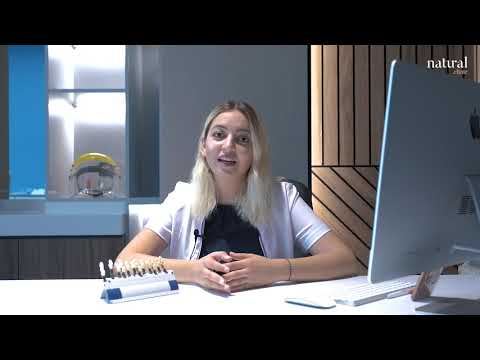
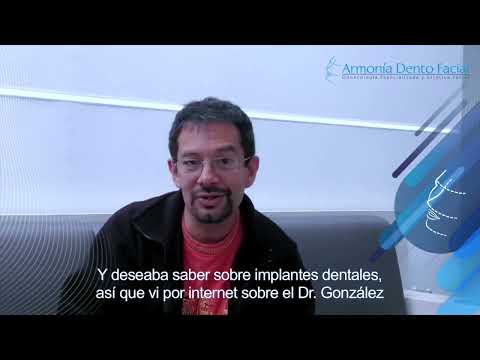
The clinical environment is specifically tailored to enhance relaxation, often integrating soothing ambient features alongside advanced pain management techniques. Local anesthesia is administered with absolute precision to ensure the extraction site is entirely numb before any mechanical intervention begins. As highlighted by a patient in a recent testimonial [00:00], the clinical team actively ensures that every aspect of the visit is a very pleasant experience. The dedication to individualized care guarantees that practitioners never rush the delicate extraction process.
Post-operative comfort is equally critical to the overall success of the holistic treatment plan. After the heavy metals are safely excavated, the subsequent application of biocompatible materials is performed with meticulous attention to the natural bite alignment. The attending clinicians invest the required time and patience [00:10] to meticulously adjust the new restorations, verifying that the occlusal surfaces feel normal and harmonious. This precise equilibration prevents post-procedural jaw discomfort and ensures long-lasting structural stability for the newly restored tooth.
Evaluating Biocompatible Alternatives for Dental Cavities
The removal of toxic restorative materials presents a critical opportunity to reconstruct the compromised tooth using advanced, tissue-friendly alternatives. The field of biological dentistry relies heavily on biocompatibility testing to determine which materials will integrate seamlessly with a patient's unique biological makeup. Unlike monolithic metal alloys, modern restorative options are carefully formulated to mimic the natural flexural strength, translucency, and thermal expansion properties of human dentin and enamel. This harmonious integration prevents the micro-fractures often associated with the expansion of traditional metal fillings.
Composite resin technology has evolved dramatically, offering highly durable, BPA-free solutions for direct cavity restorations. These advanced resins are applied in microscopic layers and cured using specialized light frequencies, creating a micro-mechanical bond with the natural tooth structure. This bonding process actually reinforces the remaining enamel, providing structural integrity that far exceeds traditional retention methods. For smaller to moderate cavities, these tooth-colored composites provide an immediate, aesthetically flawless result that blends imperceptibly with the surrounding smile.
In scenarios involving extensive decay or massive structural loss, biological dentists frequently recommend indirect ceramic restorations, such as inlays, onlays, or full-coverage crowns. Materials like lithium disilicate (e.max) or medical-grade zirconia are utilized for their unparalleled fracture resistance and complete absence of metallic components. These ceramic alternatives are fabricated using precision CAD/CAM digital milling technology, ensuring a microscopic marginal fit that prevents recurrent bacterial infiltration. By selecting high-grade ceramic solutions, patients receive durable restorations that support both optimal oral function and systemic biological harmony.
Addressing Galvanic Toxicity in the Oral Cavity
An often-overlooked phenomenon associated with the presence of multiple metal restorations is the development of oral galvanism. When dissimilar metals, such as an amalgam filling and a gold crown, are present within the same oral environment, human saliva acts as an excellent electrolytic conductive medium. This interaction effectively transforms the mouth into a functioning biological battery, generating measurable microscopic electrical currents. These abnormal electrical charges can severely disrupt the normal flow of neurological signaling within the cranial nerves.
The continuous generation of galvanic currents accelerates the corrosion process of the silver amalgam restorations. As the structural integrity of the metal alloy breaks down, the rate of heavy metal ion release into the digestive tract and surrounding mucosal tissues increases exponentially. Patients suffering from oral galvanism frequently report unexplained chronic metallic tastes, localized mucosal irritations, and persistent headaches. The chronic stimulation of the trigeminal nerve pathways by these electrical currents is a significant concern for holistic health practitioners.
The systematic removal of all reactive metals completely neutralizes this abnormal electrical activity. By transitioning exclusively to non-conductive materials like composite resins and high-strength ceramics, the electrolytic environment of the mouth is permanently stabilized. Eliminating oral galvanism is a crucial step in the biological dental protocol, providing immediate relief from localized neurological irritation and halting the accelerated degradation of previously compromised metallic restorative work.
Financial Breakdown of Replacing Silver Fillings
The financial investment required to undergo specialized holistic dental treatments in regions like the United States or Canada can be entirely prohibitive for many patients. The overhead costs associated with maintaining specialized extraction equipment, purchasing high-grade biocompatible materials, and securing advanced biological certifications drive procedural fees to exorbitant levels. A single quadrant of SMART protocol extraction paired with ceramic restorations can quickly accumulate to thousands of dollars, often with minimal support from conventional dental insurance providers.
Dental tourism has emerged as a highly strategic financial solution, allowing patients to access top-tier medical expertise at a fraction of the domestic cost. Countries equipped with advanced medical infrastructure, particularly in popular cross-border regions, offer highly competitive pricing due to lower administrative overhead and favorable currency exchange rates. These international biological clinics do not compromise on the quality of materials or clinical safety standards; rather, they provide equitable access to life-changing holistic healthcare interventions.
Comparative Analysis of Restorative Therapy Costs
Understanding the broader economic landscape of biological dentistry allows patients to make highly informed decisions regarding their treatment planning and travel logistics.
| Procedure Type | Estimated Cost (US/Canada) | Estimated Cost (Mexico) |
|---|---|---|
| SMART Protocol Amalgam Extraction (Per Tooth) | $250 - $450 | $80 - $150 |
| Biocompatible Composite Resin Filling | $200 - $400 | $70 - $120 |
| Digital CAD/CAM Ceramic Inlay/Onlay | $900 - $1,500 | $350 - $550 |
| Full Zirconia Biocompatible Crown | $1,200 - $2,500 | $450 - $650 |
Selecting a Certified Biological Dentist Abroad
Identifying a highly qualified practitioner is the most crucial variable in ensuring the safety and long-term success of the procedure. Patients must look beyond basic general dentistry credentials and actively seek providers who possess specific certifications in biological methodologies. Organizations such as the International Academy of Oral Medicine and Toxicology (IAOMT) provide rigorous training and accreditation programs specifically focused on the precise implementation of the SMART protocol. Verifying a clinic's standing with these international holistic boards is an essential preliminary research step.
Advanced technological integration is another key indicator of a premier biological dental facility. Prospective patients should inquire about the clinic's utilization of 3D Cone Beam Computed Tomography (CBCT) for comprehensive jaw diagnostics, as well as the presence of high-grade ambient air filtration systems within the operatories. Clinics that heavily invest in digital intraoral scanners, modern CAD/CAM milling units, and state-of-the-art sterilization protocols demonstrate a clear commitment to delivering precise, minimally invasive restorative care.
Analyzing authentic patient testimonials and detailed clinical reviews provides invaluable insight into the operational standards of international dental facilities. High-quality clinics maintain complete transparency, openly sharing detailed procedural protocols, material safety data sheets, and comprehensive post-operative outcome data. Establishing direct communication with the clinic's patient coordination team allows individuals to assess the provider's responsiveness, fluency in medical English, and willingness to accommodate specialized holistic requests.
Comprehensive Post-Extraction Care and Detoxification
The clinical extraction of the hazardous material is only the initial phase of the comprehensive holistic recovery timeline. Once the source of continuous heavy metal exposure is safely eliminated, the body requires strategic support to mobilize and excrete the accumulated cellular burden. Integrative health professionals strongly recommend initiating a structured heavy metal detoxification protocol immediately following the restorative dental appointments. This targeted therapy supports hepatic and renal function, optimizing the body's natural physiological clearing mechanisms.
Nutritional intervention plays a foundational role in the post-procedural healing phase. Clinical nutritionists often prescribe high-dose intravenous Vitamin C therapy directly following the extractions to neutralize localized oxidative stress and support rapid tissue regeneration. Integrating advanced chelating agents, liposomal glutathione, and specific mineral supplements helps bind circulating toxins and facilitate their safe removal through the gastrointestinal tract. Patients are advised to maintain a highly alkalizing, anti-inflammatory dietary regimen to reduce systemic inflammation during this critical recovery window.
Routine clinical monitoring ensures the long-term success of the biocompatible restorations and the overall stability of the oral microbiome. Patients should schedule follow-up diagnostic evaluations to verify the structural integrity of the new composite or ceramic materials. By strictly adhering to customized post-operative guidelines, individuals can maximize the profound systemic health benefits achieved through their transition to advanced biological dentistry.
Ready to Upgrade to Biocompatible Restorations?
Connect with certified biological dentists and receive a comprehensive, customized treatment plan for your safe amalgam extraction procedure today.
Get Free QuoteView Full Video Transcript
[00:00]
Thank you very much everybody, it was a very pleasant experience.
[00:05]
I got my mercury filling removed and they took all the time and patience.
[00:10]
To make sure that my teeth felt normal and good.
[00:15]
And I really appreciate everybody's help. Thank you.


.png)














Share this listing