



For individuals facing severe upper jaw bone loss, traditional dental implants often require lengthy, complex bone grafting procedures that extend the timeline for a functional smile. Fortunately, zygomatic implants in Puerto Vallarta have emerged as an advanced alternative, allowing patients to bypass extensive grafting by anchoring directly into the dense cheekbone. This specialized approach provides a stable foundation for a full-arch prosthesis, making it a viable option for those previously told they were not candidates for traditional implants.
The rise of dental tourism in Mexico has transformed the way international patients access this highly specialized procedure. Facilities located in this coastal city are heavily investing in specialized training and state-of-the-art diagnostic technology to accommodate the growing influx of patients seeking complex restorative dentistry. By utilizing advanced imaging and precise surgical protocols, restorative teams provide an alternative pathway to oral function for those suffering from significant maxillary atrophy.
- Anchors into the zygomatic bone rather than the upper jawbone.
- Eliminates the need for prolonged bone grafting protocols.
- Often allows for the immediate placement of a temporary fixed bridge.
- Supports full-mouth rehabilitation for severe bone deterioration.
The zygomatic bone (cheekbone) is exceptionally dense, making it an ideal, naturally stable anchor point for implants, even in patients who have suffered decades of bone resorption in their upper jaw.
Why Choose Puerto Vallarta for Advanced Dental Implants
International patients are increasingly turning to full mouth restoration in Puerto Vallarta due to a compelling combination of clinical expertise, modern infrastructure, and significantly reduced treatment expenses. The coastal destination is home to dedicated dental facilities that cater almost exclusively to medical tourists, meaning their operational models are designed around the logistical and clinical needs of international travelers. This focus ensures that communication is seamless, technology is up-to-date, and international hygiene protocols are strictly enforced.
Additionally, the location offers a low-stress environment that is highly beneficial for pre-surgical preparation and post-surgical recovery. Patients are generally drawn to the idea of recovering in a tranquil setting rather than dealing with the stress of standard urban commutes back home. The availability of direct flights from major US and Canadian cities makes coordinating the logistics of advanced dental surgery far more manageable than in decades past.
- Proximity to North America with numerous direct flight options.
- Facilities equipped with modern 3D imaging and surgical technology.
- Specialists who regularly pursue continuing education internationally.
- A restorative environment conducive to a relaxed healing process.
According to global health monitors, millions of North Americans cross the border annually for dental care, with complex reconstructive procedures like zygomatic implants seeing a rapid year-over-year increase in demand.
Who Is the Ideal Candidate for Zygomatic Implants in Mexico
Identifying the ideal candidate for severe bone loss solutions requires a thorough clinical evaluation, typically involving 3D cone beam computed tomography (CBCT) to assess bone density and facial anatomy. Generally, individuals who have worn traditional dentures for many years and experienced significant bone resorption in the upper maxilla are primary candidates for this intervention. It is also a suitable option for patients who have experienced failed bone grafts or those who wish to avoid the prolonged healing times associated with sinus lift procedures.
Prospective candidates must be in relatively good overall health, as the surgery requires general anesthesia or deep IV sedation. Chronic conditions such as uncontrolled diabetes, severe cardiovascular issues, or active periodontal disease must be stabilized before a patient can be considered for surgery. A comprehensive medical clearance from a primary care physician is typically mandated by surgical teams before proceeding.
- Individuals with severe bone loss in the upper jaw.
- Patients seeking to avoid sinus lifts and block bone grafts.
- Those looking for a stable alternative to removable upper dentures.
- Patients with a history of failed traditional maxillary implants.
Before traveling, obtain a digital copy of your most recent panoramic x-rays or 3D CT scans. Sharing these files with your international dental team ahead of time allows for a more accurate preliminary assessment.
Cost of Zygomatic Implants in Puerto Vallarta vs the US
One of the primary driving factors for patients seeking care across borders is the profound difference in the cost of dental implants in Mexico compared to domestic options. In the United States, complex rehabilitations involving zygomatic anchorage can impose a severe financial burden, often reaching tens of thousands of dollars per arch. This high domestic pricing includes hospital fees, specialist anesthesiology charges, and the high overhead costs associated with American healthcare infrastructure.
By opting for affordable zygomatic implants abroad, patients can realize substantial financial relief without necessarily compromising on the quality of materials used, such as medical-grade titanium and high-end zirconia prosthetics. The table below outlines a general estimation of costs; however, individual treatment plans will vary based on anatomical needs, the number of implants required, and the specific type of final restoration chosen.
| Procedure Name | Average Cost in Puerto Vallarta, Mexico | Estimated Cost in the US/Canada |
|---|---|---|
| Single Zygomatic Implant (Surgical Placement only) | $1,800 - $3,000 | $4,500 - $8,000 |
| Full Arch Restoration (2 Zygomatic + 2-4 Traditional Implants) | $10,000 - $15,000 | $28,000 - $45,000 |
| Quad Zygoma (4 Zygomatic Implants for extreme bone loss) | $14,000 - $18,000 | $35,000 - $60,000 |
| IV Sedation / Anesthesiologist Fee | $500 - $800 | $1,500 - $3,000 |
The prices listed above are estimates based on market averages and do not guarantee a specific quote. Your final cost will depend entirely on your clinical evaluation, the exact materials chosen, and any unforeseen anatomical complexities discovered during diagnosis.
The Medical Tourism Experience in Puerto Vallarta
Embarking on a journey for zygomatic implants in Puerto Vallarta involves more than just a dental appointment; it requires careful logistical planning typical of international medical travel. Facilities in this region are accustomed to treating international patients, often employing bilingual staff who assist in navigating the entire treatment timeline. This streamlined communication helps alleviate the anxiety associated with receiving complex medical care in a foreign country.
The experience is typically highly structured to maximize efficiency without rushing the clinical process. Patients generally arrive a day or two before the procedure for in-person consultations, 3D imaging, and final treatment plan discussions. Following the surgery, a mandatory stay of several days is required to monitor early healing, adjust the temporary prosthetics, and ensure the patient is medically cleared to fly back home.
- Initial remote consultations via video to discuss feasibility.
- Bilingual patient coordinators to guide you through appointments.
- Structured treatment timelines designed for international travelers.
- Post-operative check-ups integrated into your travel itinerary.
Puerto Vallarta’s international airport (PVR) serves millions of passengers annually, making it one of the most accessible international medical tourism hubs for residents of the Western United States and Canada.
High-Tech Dental Technology Used in Mexico
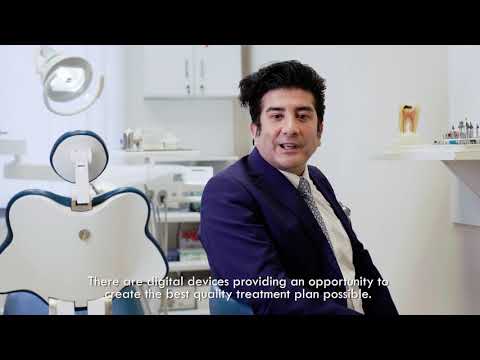
A critical factor ensuring the safety and precision of severe bone loss solutions is the reliance on high-tech diagnostic and surgical equipment. Modern dental centers in this region rely heavily on Cone Beam Computed Tomography (CBCT) scanners to generate exact 3D models of a patient's craniomaxillofacial anatomy. This allows the surgical team to map the precise trajectory of the implants into the cheekbone, safely avoiding critical structures such as the sinus cavities and ocular nerves.
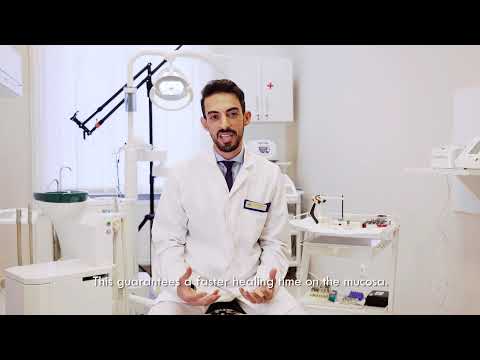
Furthermore, many facilities utilize advanced CAD/CAM (Computer-Aided Design and Computer-Aided Manufacturing) technology and intraoral scanners to design the provisional and final prosthetics. These digital impressions bypass the need for uncomfortable traditional putty molds and allow for the rapid milling of highly precise, aesthetically pleasing dental bridges that fit securely onto the newly placed implants.
- 3D CBCT imaging for precise anatomical mapping.
- Virtual surgical planning software to guide implant trajectory.
- CAD/CAM milling machines for accurate prosthetic creation.
- Digital intraoral scanners for comfortable, highly detailed impressions.
The use of computer-guided surgical stents—custom-printed guides that fit over the gums—helps surgeons precisely control the angle and depth of zygomatic implants, significantly reducing surgical time.
Preparing for Your Zygomatic Implant Procedure in Puerto Vallarta
Preparation is a critical phase for ensuring a smooth experience when pursuing dental tourism in Mexico. Prior to traveling, patients are usually asked to complete a comprehensive medical history questionnaire and may need to undergo blood tests or an electrocardiogram (EKG) locally to ensure they are fit for sedation. Discussing all current medications, especially blood thinners or bisphosphonates, with the surgical team is strictly required to prevent intraoperative complications.
On a logistical level, preparation also involves organizing a comfortable environment for your immediate recovery. Patients should plan to rest extensively for the first 48 to 72 hours post-surgery. Packing soft foods, ensuring you have a companion to assist you during the immediate post-operative phase, and strictly adhering to fasting guidelines prior to anesthesia are all essential steps in the preparation process.
- Obtain medical clearance from your primary care doctor if requested.
- Disclose all daily medications and dietary supplements to the surgical team.
- Arrange for a travel companion to assist you immediately after surgery.
- Pack items suitable for a liquid or very soft diet during early recovery.
When packing for your medical trip, include a travel neck pillow. Keeping your head elevated during sleep in the first few days post-surgery helps to minimize facial swelling and promotes better circulation.
The Step-by-Step Zygomatic Implant Process in Mexico
The clinical protocol for full mouth restoration in Puerto Vallarta is highly methodological, beginning from the moment you step into the facility. Following the initial consultation and a thorough review of the 3D CBCT scans, the surgical plan is finalized. On the day of the procedure, an anesthesiologist will administer IV sedation or general anesthesia, ensuring that the patient remains completely comfortable and unaware during the surgical intervention.
The surgical team then places the elongated titanium implants directly into the dense zygomatic bone, alongside any standard implants needed in the anterior region. Once the implants achieve adequate primary stability, abutments are attached. In many cases, a pre-fabricated temporary acrylic bridge is secured to the implants on the same day or the following morning, allowing the patient to leave with a functional, albeit temporary, set of teeth.
- Step 1: Final in-person diagnostic imaging and health assessment.
- Step 2: Administration of intravenous sedation by a licensed professional.
- Step 3: Precise surgical placement of the zygomatic and traditional implants.
- Step 4: Attachment of a temporary fixed prosthesis for immediate function.
The "immediate load" protocol allows patients to wake up from surgery with a fixed temporary bridge, effectively providing an instant aesthetic transformation while the bone slowly fuses to the implants over several months.
Recovery Timeline and Aftercare for Dental Implants in Puerto Vallarta
Recovery from zygomatic implants in Puerto Vallarta occurs in overlapping phases, starting with immediate post-surgical healing. Patients generally experience moderate facial swelling, bruising around the cheeks or eyes, and mild discomfort, which is typically managed effectively with prescribed analgesics and cold compresses. The first week requires strict adherence to a soft-food diet to prevent undue stress on the newly placed implants while the soft tissues heal.
The longer-term recovery phase involves osseointegration, the biological process where the zygomatic bone permanently fuses with the titanium surface of the implant. This crucial phase generally lasts between four to six months. During this time, patients must maintain impeccable oral hygiene and continue avoiding hard or chewy foods. Once osseointegration is confirmed via a secondary visit, the temporary bridge is replaced with a final, highly durable permanent prosthesis.
- Expect swelling and bruising around the cheeks and eyes for 7-10 days.
- Adhere strictly to a liquid and soft-food diet for several months.
- Utilize prescribed antimicrobial mouthwashes to maintain surgical site hygiene.
- Return for a follow-up trip in 4-6 months to receive the final prosthesis.
Clinical studies indicate that with proper post-operative care and adherence to soft-food diets, zygomatic implants exhibit survival rates closely mirroring those of traditional implants.
Risks and Safety Measures for Zygomatic Implants in Mexico
Any invasive surgical procedure carries inherent risks, and it is vital for patients to approach dental tourism in Mexico with a realistic understanding of potential complications. While zygomatic implants are generally safe when performed by highly trained maxillofacial surgeons, possible risks include sinus infections (sinusitis), altered nerve sensation in the cheek or lip, and, in rare cases, lack of osseointegration leading to implant failure. Bleeding and postoperative infections are also risks common to all dental surgeries.
To mitigate these risks, surgical facilities enforce stringent safety measures, including extensive preoperative 3D imaging and strict sterilization protocols that align with international standards. Most patients experience a smooth recovery when they closely follow the prescribed aftercare instructions and report any unusual symptoms, such as prolonged fever or severe pain, to their medical team immediately. It is crucial to remember that individual healing capacities and underlying medical conditions heavily influence outcomes.
- Potential for temporary or permanent nerve altered sensation.
- Risk of sinus-related complications such as sinusitis.
- Possibility of standard surgical risks like infection or bleeding.
- Stringent sterilization and 3D planning are utilized to minimize these risks.
Comparing Traditional Implants to Zygomatic Implants in Puerto Vallarta
When evaluating the cost of dental implants in Mexico, patients must also weigh the clinical differences between traditional implants and the zygomatic approach. Traditional implants are placed directly into the alveolar bone (the ridge containing the teeth sockets). If this bone has deteriorated due to long-term denture use or periodontal disease, extensive bone grafting or sinus lifts are required. These grafting procedures can add up to a year of healing time before traditional implants can even be placed.
Conversely, the zygomatic protocol circumvents the deteriorated jawbone by utilizing the cheekbone, which rarely suffers from bone loss. This usually eliminates the need for grafting, significantly shortening the overall timeline to receive fixed teeth. While the zygomatic procedure is surgically more complex and requires specialized maxillofacial training, it offers a much faster route to full oral rehabilitation for patients with severe maxillary atrophy.
- Traditional: Requires adequate jawbone density; may need extensive grafting.
- Zygomatic: Bypasses jawbone loss by anchoring into the cheekbone.
- Traditional: Timeline can extend up to 12-18 months if grafting is needed.
- Zygomatic: Often allows for immediate placement of a temporary bridge.
Zygomatic implants can range from 30mm to 60mm in length, which is significantly longer than traditional dental implants, which usually range from 8mm to 16mm.
Patient Success Stories with Zygomatic Implants in Mexico
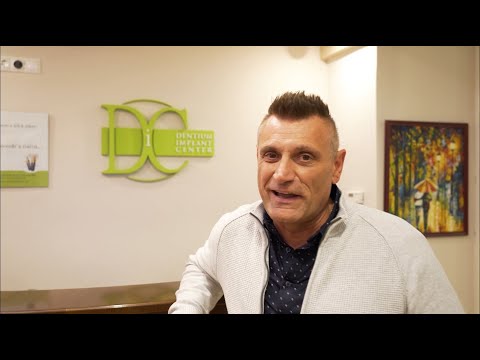
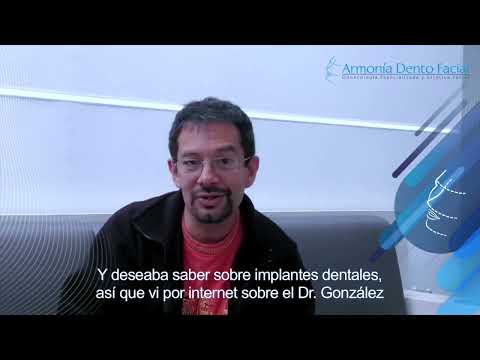
Reading about the experiences of others who sought affordable zygomatic implants can provide valuable perspective on the emotional and physical impact of the procedure. Many international patients arrive feeling discouraged by domestic consultations that presented long, painful grafting timelines, only to find a streamlined solution abroad. These patient summaries highlight the functional restoration and renewed confidence that typically follow a successful procedure.
Please note that individual results vary, and these summaries reflect the experiences of specific individuals based on their unique anatomical conditions and adherence to recovery protocols. They serve to illustrate the potential benefits of the procedure but do not guarantee identical outcomes for every patient.
Overcoming Severe Bone Loss
After 15 years of wearing upper dentures, Mary was told her jawbone was too thin for traditional implants. She traveled abroad for the zygomatic approach and successfully received a fixed temporary bridge on the same day, allowing her to chew comfortably again within months.
Bypassing Sinus Lifts
Robert required bilateral sinus lifts that would take a year to heal. Opting for the zygomatic technique abroad allowed him to avoid the grafting process entirely. He generally experienced manageable swelling and returned home to complete his healing process without complications.
Restored Confidence and Function
Susan struggled with failing dentition and severe gum disease, leading to extensive bone deterioration. Through 3D guided surgery, she received a quad-zygoma setup. She notes that her capacity to eat solid foods and smile openly has been completely revitalized.
Efficient Timeline for International Travelers
David was hesitant about the logistics of dental travel but found the structured timeline highly efficient. The bilingual support team helped him navigate the pre-surgical tests, and he was able to securely return to his home country just a few days post-operation.
How PlacidWay Assists Your Zygomatic Implants Medical Tourism Journey in Puerto Vallarta
Navigating the complexities of international healthcare can be a daunting task for patients seeking severe bone loss solutions. Partnering with a dedicated medical tourism platform streamlines the research and connection process, empowering patients to make informed decisions regarding their advanced restorative dentistry needs. PlacidWay serves as a crucial bridge between patients and internationally vetted healthcare facilities.
By offering transparent access to essential information and facilitating direct communication, PlacidWay helps alleviate the uncertainty often associated with cross-border healthcare. The platform is designed to focus entirely on the value, safety, and transparency of your medical journey.
- Facilitates direct connections with highly trained maxillofacial specialists.
- Provides access to detailed clinic profiles, credentials, and specialized capabilities.
- Offers a centralized platform to request informative quotes and treatment estimates.
- Assists in gathering necessary information regarding medical protocols and international standards.
- Empowers patients with comprehensive educational resources to understand their dental procedures.
Frequently Asked Questions About Zygomatic Implants in Puerto Vallarta
When considering advanced dental procedures abroad, international patients naturally have a multitude of questions regarding logistics, safety, and long-term care. Gathering accurate information is a vital part of preparing for your medical journey. Understanding the basics helps patients set realistic expectations for both the clinical experience and the required financial commitment.
Below is a curated list of frequently asked questions designed to provide quick, concise answers to the most common inquiries regarding this specialized maxillofacial intervention. Always discuss your specific medical and logistical concerns directly with your chosen healthcare provider.
What are zygomatic implants?
Zygomatic implants are specialized, longer dental implants designed for patients with severe upper jaw bone loss. They anchor directly into the cheekbone (zygoma) to provide a stable foundation for prosthetic teeth without the need for extensive bone grafting.
Is it safe to travel to Puerto Vallarta for dental implants?
Puerto Vallarta is generally considered a highly established destination for dental tourism, featuring internationally trained specialists and modern facilities. However, patients should always thoroughly research their options, understand the risks of travel, and follow all preoperative guidelines provided by their healthcare team.
How much can I save on zygomatic implants in Mexico?
Patients seeking zygomatic implants in Mexico often experience significantly lower procedure costs compared to the United States or Canada. Pricing varies depending on individual anatomical needs and the complexity of the restoration, but the cost difference typically makes it an attractive option for international patients.
Do I need a passport to visit Puerto Vallarta for medical treatment?
Yes, international patients traveling to Mexico from the United States or Canada are required to have a valid passport. It is also recommended to ensure your passport is valid for at least six months beyond your planned date of departure.
How long do zygomatic implants take to heal?
The initial soft tissue healing process usually takes a few weeks, while complete osseointegration—where the implant fuses with the bone—generally requires four to six months. Your restorative team will provide a personalized timeline based on your specific health indicators.
What happens if there is a complication after returning home?
International dental teams typically provide comprehensive aftercare instructions and coordinate with a local dentist in your home country if required. It is highly advisable to establish a relationship with a local prosthodontist or dentist who can assist with long-term maintenance or unexpected complications.
Can I get new teeth on the same day as surgery?
Many patients are eligible for an immediate load protocol, meaning a temporary fixed prosthesis is placed on the same day the implants are surgically inserted. However, this depends entirely on the initial stability of the implants and the individual patient's anatomical conditions.
Will I be put to sleep during the zygomatic implant procedure?
The procedure is typically performed under intravenous (IV) sedation or general anesthesia to ensure patient comfort and allow the surgical team to operate efficiently. An anesthesiologist closely monitors vital signs throughout the entire surgical process.
How do I maintain my zygomatic implants?
Maintaining zygomatic implants requires a diligent oral hygiene routine, including brushing, using a water flosser, and attending regular professional cleanings. Consistent follow-up visits are essential to monitor the health of the surrounding gum tissue and the stability of the prosthetic.
Are zygomatic implants permanent?
While zygomatic implants are designed as a long-term solution for severe bone loss, no medical device can be guaranteed to last a lifetime. Longevity depends heavily on lifestyle factors, oral hygiene habits, and ongoing professional dental care.
Medical Disclaimer: This article is for informational purposes only and is not medical advice. Always consult a qualified healthcare provider before any medical decisions. Results may vary. Read Full Disclaimer here.
- Cleveland Clinic. Dental Implants: Procedure, Types & Outcomes. https://my.clevelandclinic.org/health/treatments/10903-dental-implants
- Mayo Clinic. Dental implant surgery: What you can expect. https://www.mayoclinic.org/tests-procedures/dental-implant-surgery/about/pac-20384622
- WebMD. What to Know About Dental Implants and Bone Grafting. https://www.webmd.com/oral-health/guide/dental-implants


.png)
.png)













Share this listing