
Contents
Imagine needing a dental implant or a full mouth restoration, only to be handed an estimate that rivals the down payment on a car. For many folks across the US and Canada, the struggle to afford quality dental care is a frustrating reality, often forcing them to choose between their savings and their smile. Enter Los Algodones, affectionately known as Molar City, where getting your teeth fixed does not require emptying your retirement fund.
A single dental implant here often hovers around $1,200 to $1,500, which is a fraction of what you would pay just a few miles north of the border. However, affordable pricing should never mean sacrificing safety. When researching clinics, it is crucial to check for local accreditation from the Asociación Dental Mexicana (ADM) or international recognition from the American Dental Association (ADA). Knowing what credentials to look for ensures your dental vacation is both cost-effective and secure.
What You Should Know
Figuring out the logistics of dental care abroad is much simpler when you choose a comprehensive treatment package. Many top-rated clinics bundle the actual procedure, initial consultations, panoramic x-rays, and even ground transportation from the border into one clear, upfront price. This organized approach prevents unexpected fees from popping up while you are sitting in the dentist's chair.
Some premium packages may also include nearby hotel accommodations for procedures that require a multi-day stay. Take a moment to review the bundled options listed below to see which package offers the right level of convenience and care for your journey.

Price starting from $780
Complete Los Algodones Dental Implants Package by Marietta Dental Care
Marietta Dental Care Los Algodones
- Dentistry
Los Algodones,Mexico

Price starting from $7,500
All-On-4 Dental Implants Package in Los Algodones, Mexico by Marietta Dental Care
Marietta Dental Care Los Algodones
- Dentistry
Los Algodones,Mexico

Price starting from $700
Dental Implants in Los Algodones Mexico – Package by SANI Dental Group
Sani Dental Group
- Dentistry
Los Algodones,Mexico

Price starting from $5,950
Trusted All on Four Dental Implants Mexico Package from Care Smile Center
Care Smile Center
- Dentistry
Los Algodones,Mexico
Dental work in Los Algodones generally ranges from $800 for individual crowns up to around $8,000 for comprehensive full-arch implant systems. When you compare these figures with the steep quotes often found in the US or Canada, it becomes clear why thousands of patients look southward for relief. The savings stem from lower operational costs and differences in malpractice insurance, rather than a drop in material quality.
Transparency is vital when planning a medical trip, so you should always verify exactly what is included in your estimate to avoid hidden fees. Compare the cost estimates listed below to see which pricing structure makes the most sense for your specific dental needs.
Dentistry Centers Cost Comparison in Los Algodones,Mexico
| Provider | Procedure | Price |
|---|---|---|
| Marietta Dental Care Los Algodones | Dental Implants, Dentistry | $780 |
| Care Smile Center | All on 4 Dental Implants, Dentistry | $5500 |
Dentistry Cost Comparison in Mexico
| Country | Procedure | Price |
|---|---|---|
| USA | Dental Braces Abroad, Dentistry | $8537 |
| United States | Dental Implants, Dentistry | $3500 |
| United Kingdom | All on 8 Dental Implants, Dentistry | $18500 |
| United States | All on 4 Dental Implants, Dentistry | $35000 |
| United States | All on 6 Dental Implants, Dentistry | $35000 |
Finding a trustworthy facility in Molar City means looking past the flashy waiting rooms and focusing on the core fundamentals of medical safety. You want to verify that a clinic adheres strictly to international sterilization protocols and uses modern technology, like 3D CBCT scanners. Additionally, confirming local licenses from the Mexican Dental Association (ADM) helps ensure the facility operates with proper oversight.
Not all clinics offer the same level of specialized care, so matching your procedure to the right facility is crucial for a good outcome. Compare the clinic profiles below to check their verified credentials, technology, and facility standards before making your choice.
Sani Dental Group
Los Algodones,Mexico

Marietta Dental Care Los Algodones
Los Algodones,Mexico
Proesthetic Dental Care in Los Algodones, Mexico
Los Algodones,Mexico
Rose Dental Studio
Los Algodones,Mexico
Care Smile Center
Los Algodones,Mexico
It is perfectly normal to feel a bit apprehensive about crossing borders for medical treatment, but getting a visual feel for the clinics can help ease those nerves. Video walkthroughs provide an unfiltered look into the treatment rooms, showcasing the modern dental chairs and strict hygiene practices in place. They also give you a chance to see the layout of the surrounding neighborhood.
Hearing dentists explain their diagnostic process on camera can build trust long before you pack your bags. Watch the video tours and patient interviews below to get a realistic preview of what your dental vacation will actually look like.
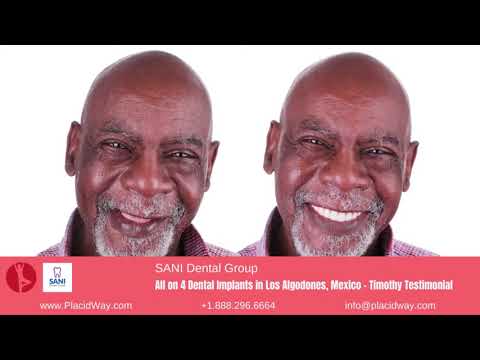


There is no better way to gauge the true quality of a clinic than by reading about another patient's firsthand experience. Honest reviews often reveal important details about bedside manner, how well the staff communicates in English, and how comfortable the actual procedure felt. They also provide insight into how well the dental work holds up months after returning home.
Pay close attention to how clinics handle any patient concerns, as this highlights their commitment to long-term care and accountability. Explore the patient testimonials below to compare experiences and find a clinic with a proven track record of satisfaction.

Planning a trip to Molar City naturally brings up a lot of logistical and medical questions. Here are clear answers to some of the most common concerns patients have when traveling to Los Algodones for dental care.
Why is dental work so much more affordable in Los Algodones?
The lower prices are primarily due to significantly lower overhead costs in Mexico, including real estate, labor, and malpractice insurance. Additionally, dental education is highly subsidized by the government, meaning dentists graduate with much less student debt than their US counterparts.
Do I need a passport to visit Los Algodones?
Yes. While Mexican customs rarely checks documents when you walk south into town, US Customs requires a valid US passport, passport card, or an enhanced driver's license to re-enter the United States.
Are the dentists in Molar City properly licensed and qualified?
Reputable dentists in this area are fully licensed and hold active certifications from the Asociación Dental Mexicana (ADM). Many top specialists also maintain memberships in the American Dental Association (ADA) and have completed advanced training internationally.
Is it safe to travel to Los Algodones for dental care?
Los Algodones is heavily dependent on medical tourism, and the local government prioritizes the safety of visiting patients. The main clinic area is compact, well-patrolled, and considered very safe for daytime tourists walking across the border.
How do I physically get to the clinics once I arrive?
Most patients drive to the Quechan Casino Resort parking lot in Andrade, California. From there, you can walk just a few minutes directly through the border checkpoint, where many clinics are located within a two- to four-block radius.
Can I use my US dental insurance in Mexico?
Many clinics will provide you with the necessary itemized paperwork to submit to your US insurance provider. Some PPO plans will reimburse you for out-of-network international care, but you must confirm this directly with your insurance company beforehand.
What materials are used for crowns and implants?
High-quality clinics use the same global brands and materials found in the US, including Straumann, Nobel Biocare, medical-grade titanium, and solid zirconia. You should always ask the clinic to verify the brand of implant they use.
How long does a typical dental vacation take?
The timeline depends strictly on the procedure. Simple crowns might take a few days for the lab work, while complex implant surgeries typically require two separate trips spaced three to six months apart to allow the jawbone to heal properly.
Do I need to speak Spanish to communicate with the dentist?
No. Because Los Algodones caters primarily to American and Canadian patients, nearly all clinic staff, receptionists, and dentists speak fluent English to ensure clear communication regarding your treatment.
What happens if I experience a complication after returning home?
Many reputable clinics offer warranties or guarantees on their restorative work and will fix the issue free of charge. However, you will usually be responsible for your travel expenses back to the clinic, which is important to factor into your decision.
Who are the Best Dentists in Mexico?
The best dentists in Mexico are board-certified specialists located in major hubs like Los Algodones, Cancun, and Tijuana. They provide premium dental care at prices fifty to seventy percent lower than standard United States and Canadian clinics. Key Takeaways: International Quality and Savings Massive Cost Savings: Patients typically save up to seventy percent on complex full-mouth restorations. Advanced Technology: Top facilities utilize 3D CBCT scanners, CAD/CAM milling, and state-of-the-art sterilization. Global Standards: Specialists often hold memberships with prestigious international associations. Convenient Locations: Clinics in border towns and resort cities are designed specifically for international visitors. No Language Barrier: Leading professionals and their medical staff are fully bilingual. How much does dental work cost in Mexico compared to domestic prices? Patients can save thousands of dollars on complex treatments without sacrificing quality. The dental work cost in Mexico is generally fifty to seventy-five percent lower than what patients pay in their home countries. Understanding the pricing landscape is the primary reason millions cross the border annually. The significant price difference is not a reflection of lower quality, but rather the result of a lower cost of living, reduced overhead for clinic operators, and subsidized medical education. This economic dynamic allows leading professionals to pass profound savings directly to their international patients. To provide a clearer picture of the financial advantages, here is a standard comparison of highly sought-after procedures: Single Titanium Implant: A procedure that might cost upwards of four thousand dollars locally can be completed for approximately eight hundred to one thousand two hundred dollars. Porcelain Veneers: Patients seeking a cosmetic smile makeover can expect to pay around two hundred and fifty to four hundred dollars per tooth, compared to over a thousand domestically. All-on-4 Restorations: Full arch replacements are exceptionally cost-effective, often priced between eight thousand and twelve thousand dollars per arch, saving patients tens of thousands overall. Zirconia Crowns: Highly durable and aesthetically pleasing crowns typically range from three hundred to four hundred and fifty dollars. Root Canal Therapy: Endodontic treatments are usually priced between two hundred and three hundred dollars, performed by dedicated specialists. What are the best destination cities for medical tourism in Mexico for dental care? Major border towns and beautiful resort cities are the absolute top choices for international patients. These locations cater heavily to medical tourism in Mexico with optimized infrastructure. Los Algodones, widely known as Molar City, is arguably the most famous destination globally for oral healthcare. Located just steps across the border from Yuma, Arizona, this small town hosts over three hundred clinics within a few walkable blocks. It is entirely designed around catering to seniors and medical tourists, offering an incredibly safe, walkable, and welcoming environment. Tijuana is another massive hub, perfectly situated just south of San Diego, California. It appeals to a younger demographic and professionals looking for highly advanced, luxurious facilities. The city boasts towering medical plazas equipped with cutting-edge technology, and many clinics offer fast-pass medical lane access to bypass border traffic on the return journey. For those who wish to combine their treatment with a tropical vacation, Cancun and Puerto Vallarta are unparalleled. These resort cities feature boutique facilities operated by master specialists. Patients can recover while enjoying ocean views, taking advantage of all-inclusive hotel packages that frequently partner with local medical professionals to provide a seamless healing holiday. Fun Fact Los Algodones has the highest concentration of dentists per square mile anywhere in the world! The town is so focused on international patients that English is spoken just as widely as Spanish, and businesses accept US dollars almost exclusively. Are the materials used for dentistry in Mexico safe and durable? Top facilities exclusively use internationally recognized, FDA-approved brands for all procedures. This commitment ensures your dentistry in Mexico meets or exceeds global safety and durability standards. A common misconception is that lower prices equate to inferior materials. In reality, elite practitioners import their materials from the exact same global suppliers used by top professionals in North America and Europe. They understand that international patients demand longevity and aesthetic perfection, which can only be achieved with premium supplies. For restorative work, specialists utilize high-grade titanium posts from world-renowned brands like Nobel Biocare, Straumann, and Hiossen. These brands are recognized universally, meaning that if you ever need an adjustment back home, your local provider will easily recognize the hardware and have the appropriate tools to work with it. When it comes to cosmetic finishes, top laboratories work with authentic E-max porcelain and monolithic Zirconia. These materials provide unmatched natural translucency and incredible bite strength. Many top-tier facilities even feature in-house CAD/CAM milling machines, allowing them to design and carve your custom crowns from solid blocks of premium porcelain right before your eyes. How can patients verify the quality of a dental clinic in Mexico? Verifying credentials through board certifications and international accreditations is a vital step. Finding a reputable dental clinic in Mexico requires looking beyond marketing and examining real qualifications. The first indicator of a high-quality professional is their educational background. Many of the leading specialists have completed postgraduate fellowships or specialized training programs in the United States, Europe, or at highly ranked national universities. Look for professionals who proudly display their degrees and specialty certificates on their public profiles. Membership in recognized organizations is another strong trust signal. Elite practitioners are often active members of the American Dental Association, the International Congress of Oral Implantologists, or the local regulatory body, the Asociacion Dental Mexicana. These memberships require practitioners to adhere to strict ethical guidelines and participate in continuous medical education. Finally, patient testimonials and facility accreditations paint a comprehensive picture. Look for clinics that hold ISO standardization certificates for sterilization protocols. Reading extensive, verified reviews from previous international visitors can provide real-world insights into the bedside manner, cleanliness, and long-term success of the treatments provided at a specific center. Expert Insight Always ask to see before-and-after photos of cases similar to yours. A master specialist will have a massive portfolio of successful restorations and will be completely transparent about the specific brands of materials they intend to use for your treatment plan. Why is the dental implants cost in Mexico so much lower than in other countries? The pricing difference is primarily driven by national economics rather than clinical shortcuts. Understanding why the dental implants cost in Mexico is so affordable gives patients immense peace of mind. The cost of running a specialized medical practice south of the border is a fraction of what it costs in major northern cities. Commercial real estate, utility costs, and administrative staffing expenses are significantly lower. Because overhead is drastically reduced, clinic owners do not need to inflate procedural prices to keep their doors open. Furthermore, the government heavily subsidizes higher education. Doctors graduate from rigorous medical programs with very little to no student loan debt. Unlike their northern counterparts who often start their careers hundreds of thousands of dollars in debt, local specialists are not forced to charge exorbitant fees just to pay off educational loans. Finally, malpractice insurance costs and general liability overhead are substantially lower. The streamlined administrative requirements mean less bureaucratic red tape, allowing professionals to focus their financial resources on acquiring the absolute best technology, such as 3D panoramic scanners and high-end sterilization centers, while keeping the final bill incredibly affordable. Is there a language barrier when visiting Mexican dental specialists? Language barriers are virtually nonexistent at facilities specializing in cross-border healthcare. Clinics catering to international patients employ fully fluent English-speaking doctors and administrative staff. Effective communication is the cornerstone of successful medical care. Recognizing this, premium facilities make fluency in English a mandatory requirement for their patient-facing staff. From the moment you send your first email to the final handshake after your procedure, you will be interacting with professionals who understand exactly what you need. Many of the top specialists have actually spent years studying or practicing in English-speaking countries, making their medical vocabulary completely flawless. They can explain complex surgical concepts, detail post-operative care instructions, and answer your nuanced questions with perfect clarity and deep empathy. In addition to bilingual doctors, these elite centers utilize dedicated international patient coordinators. These coordinators are your personal guides throughout the journey, handling everything from filling out medical history forms in English to explaining the breakdown of your treatment invoice, ensuring you never feel lost in translation. How does the remote consultation process work for international patients? The consultation process begins securely online long before you cross the border. Virtual assessments help specialists determine your specific needs and provide highly accurate cost estimates remotely. To make the journey as efficient as possible, highly rated centers utilize advanced telemedicine protocols. Before booking any appointments, you will be asked to provide recent panoramic X-rays or a 3D CBCT scan from your local provider, along with a few clear photos of your current smile. A master specialist will carefully review these digital files to assess bone density, root health, and structural alignment. Based on this thorough review, they will draft a comprehensive, itemized treatment plan. This document outlines the required procedures step-by-step, specifies the materials to be used, indicates the estimated timeframe, and provides an exact financial quote. Following the delivery of the treatment plan, you will typically have a virtual video call with the specialist or their lead coordinator. This gives you the opportunity to ask detailed questions about the surgical approach, discuss alternative options, and build a strong foundation of trust from the comfort of your living room. Do Mexican dental professionals offer warranties on their procedures? Yes, reputable practitioners provide comprehensive written warranties on both their workmanship and the materials used. This profound commitment provides ultimate peace of mind for traveling patients. Elite clinics stand firmly behind the quality of their restorative work. It is incredibly common to find facilities offering warranties ranging from two to five years on cosmetic work like porcelain veneers and zirconia crowns. If a crown chips or a veneer detaches under normal usage conditions, the clinic will repair or replace it at zero additional cost. For structural procedures, the warranties are even more robust. Many master implantologists offer lifetime guarantees on the titanium posts themselves. If an implant fails to integrate with the jawbone properly, they will remove it, allow the area to heal, and place a new post entirely free of charge. It is important to note that these warranties come with standard patient responsibilities. To keep the guarantee valid, patients must adhere strictly to post-operative care instructions, maintain excellent daily oral hygiene, and ideally return for routine annual cleanings and checkups to ensure the longevity of the restorations. How long does it take to complete complex full mouth restorations? Treatment timelines vary significantly based on individual healing capabilities and procedure complexity. Many simple restorations take a single day, while full architectural reconstructions require two separate visits. Because these clinics understand that international patients are operating on tight travel schedules, they run incredibly efficient operations. Procedures like root canals, single crowns, and full sets of porcelain veneers can frequently be completed in a single trip of roughly three to five days. In-house milling technology speeds this up drastically. For more intense surgical procedures, such as All-on-4 or traditional titanium posts, a two-trip approach is standard medical protocol. During the first trip, extractions and bone grafting are performed, and the foundational posts are surgically placed. The patient is usually fitted with a temporary healing denture before returning home to recover. After a mandatory healing period of four to six months allowing for successful osseointegration, the patient returns for their second trip. During this final visit, the master prosthodontist takes highly detailed impressions and attaches the permanent, flawless zirconia teeth, completing the transformative smile makeover. Why Choose PlacidWay for your dental journey across the border? Navigating international healthcare is infinitely safer with a trusted global partner. PlacidWay ensures you connect exclusively with top-rated specialists transparently, affordably, and securely. Making decisions about overseas medical care can feel overwhelming without expert guidance. PlacidWay acts as your premier advocate, removing the guesswork and ensuring a streamlined clinical experience. Here is why thousands trust PlacidWay for their cross-border healthcare needs: Rigorous Clinical Vetting: We partner exclusively with facilities that meet strict criteria for hygiene, technology, and specialist credentialing. Every center in our network is thoroughly evaluated to ensure absolute patient safety and world-class standards. Transparent Pricing Models: We believe in complete financial clarity. PlacidWay negotiates directly with top-tier centers to provide you with all-inclusive estimates, ensuring there are absolutely no hidden fees or unexpected surgical surcharges. Dedicated Patient Advocacy: Our knowledgeable team assists you throughout the entire clinical coordination process. From transferring X-rays to scheduling virtual consultations, we act as a seamless bridge between you and the surgical specialists. Access to Verified Patient Reviews: We maintain a massive repository of real patient testimonials and before-and-after portfolios, allowing you to make a highly informed decision based on authentic, proven results. Post-Treatment Follow-up Support: Our commitment does not end when your procedure finishes. We maintain communication post-treatment to ensure you are healing properly, completely satisfied with your new smile, and fully aware of your warranty protections. Frequently Asked Questions About Cross-Border Dentistry Can I use my domestic dental insurance at Mexican clinics? Many top-tier facilities accept major international PPO insurance plans. While they might not be able to bill your insurance directly in every case, they provide the necessary itemized receipts and paperwork for you to submit a claim for reimbursement upon returning home. Do Mexican dentists use the same anesthesia protocols as my local doctor? Yes, highly rated specialists use the exact same FDA-approved local anesthetics, such as lidocaine and articaine. For complex surgeries, many clinics also offer IV sedation administered by a licensed anesthesiologist to ensure a completely pain-free experience. How soon can I fly after getting oral surgery abroad? For minor treatments like crowns or fillings, you can usually fly the same day. For major surgeries involving sinus lifts or multiple extractions, specialists typically recommend waiting 48 to 72 hours to prevent discomfort from cabin pressure changes. What happens if I experience complications after returning home? Reputable practitioners offer comprehensive warranties on their work. If a complication arises, they will often fix the issue free of charge. Some premium facilities also partner with networks in your home country to address minor adjustments locally without requiring a return trip. Are cross-border dental facilities sanitary and highly sterilized? Top destinations feature state-of-the-art sterilization centers that meet or exceed international safety standards. They use medical-grade autoclaves, implement strict cross-contamination protocols, and open sealed, sterilized instruments directly in front of the patient. Can I cross the border back home immediately after my treatment? Yes, if you only received local anesthesia, you are perfectly fine to walk or drive back across the border immediately. If you received IV sedation, you must have a companion with you and should rest for a few hours before traveling. Do I need a passport to visit border town dental clinics? Yes, a valid passport or a passport card is required to re-enter your home country by land or air. While border agents sometimes allow re-entry with a birth certificate and driver license, having a valid passport is strongly recommended to avoid delays. What are the standard payment methods accepted for international treatments? Most recognized centers accept major credit cards, debit cards, cash, and sometimes traveler checks. Some may offer discounts for cash payments. Financing through third-party medical loan companies is also increasingly common for international patients. Is it better to drive or walk across the border for my appointment? Walking is generally preferred because border traffic for vehicles can be highly unpredictable and involve long wait times. Most top facilities are located within a five-minute walk from the pedestrian crossing, making it incredibly convenient. Will my local dentist be willing to provide follow-up care? Many local practitioners are happy to assist with routine cleanings and minor adjustments. However, some may be hesitant to work directly on major structural work performed abroad due to liability. It is advisable to maintain a good relationship with your local provider and share your treatment records. Transform Your Smile with Confidence Today Stop paying premium domestic prices for life-changing oral care. PlacidWay instantly connects you with thoroughly vetted, globally certified specialists across top destinations. Receive a comprehensive virtual consultation, review transparent itemized costs, and start your journey toward a perfect, healthy smile safely. Get Your Free Quote Now * Responses typically within 24 hours. Privacy completely guaranteed.
How Much Does All-on-4 Implants Cost in Los Algodones, Mexico?
Thinking about getting a full smile makeover with All-on-4 dental implants? You've probably heard whispers about the incredibly low prices in a little border town called Los Algodones, Mexico. Well, the rumors are true! The cost of All-on-4 dental implants in Los Algodones, Mexico, is significantly lower than in the US, making a life-changing new smile more accessible than ever. This guide will walk you through everything you need to know about the pricing, procedure, and what to expect when getting your dental implants in Mexico. We’ll break down the costs, answer your most pressing questions, and help you understand why so many people are heading south for their dental work. Get ready to explore how you can achieve a beautiful, permanent smile without breaking the bank. How Much Can I Really Save on All-on-4 in Los Algodones? "You can expect to save around 70% on the cost of All-on-4 dental implants in Los Algodones, Mexico, compared to the average prices in the United States." The savings are, without a doubt, the biggest draw for a majority of patients. While the exact amount you save will depend on your specific needs and the clinic you choose, a 70% reduction in cost is a realistic expectation. For a procedure that can cost upwards of $25,000 per arch in the US, this translates to tens of thousands of dollars in savings. These significant savings aren't a reflection of lower quality but are due to the lower cost of living and operating a business in Mexico. Dentists in Los Algodones can offer the same high-quality materials and technology as their US counterparts at a much lower price point. This makes a full-arch restoration, which might be financially out of reach for many in the US, a very real possibility. What is the Average Price for All-on-4 Implants in Los Algodones? "The average price for All-on-4 dental implants in Los Algodones, Mexico, typically ranges from $8,000 to $12,000 per arch." This price range is a general estimate and can vary. Some clinics might offer promotions or packages that could lower the cost, while others that use premium brands for implants and final restorations might be on the higher end of this spectrum. It's crucial to get a detailed quote from a few different clinics before making your decision. This will not only help you find the best price but also give you a feel for the clinic and their staff. Don't be afraid to ask questions and ensure you understand what is included in the quoted price. What Factors Determine the Final Cost of All-on-4 in Los Algodones? "The final cost of All-on-4 dental implants in Los Algodones is influenced by the brand of implants used, the material of the final prosthesis, any necessary tooth extractions or bone grafting, and the specific clinic's fees." Several key factors will play a role in the total cost of your treatment. Understanding these can help you make a more informed decision: Implant Brand: Just like with any product, there are different brands of dental implants, each with its own price point. Some of the well-known, premium brands may cost more. Prosthesis Material: The final fixed bridge that attaches to your implants can be made from various materials, such as acrylic, composite, or porcelain. Porcelain is generally the most durable and aesthetically pleasing, but it's also the most expensive. Preparatory Procedures: If you need any teeth extracted before your implant placement, this will add to the overall cost. Similarly, if you have insufficient bone density in your jaw, you may need a bone graft, which is an additional procedure with its own fee. Clinic Choice: Each dental clinic in Los Algodones will have its own pricing structure based on their overhead, the experience of their dentists, and the technology they use. Are There Different Types of All-on-4 Implants That Affect the Cost? "Yes, the specific type of implants and the materials used for the final bridge can affect the overall cost of your All-on-4 treatment in Los Algodones." While the "All-on-4" concept is a specific technique, the components used can vary. Some clinics may offer different implant systems, including those from top-tier international brands or more affordable, yet still high-quality, alternatives. The material of your permanent, fixed denture will also have a significant impact on the price. A standard acrylic bridge will be the most budget-friendly option, while a zirconia or porcelain bridge will be a more premium choice with a higher price tag. Be sure to discuss these options with your dentist to determine the best fit for your needs and budget. What is Included in the All-on-4 Package Price in Los Algodones? "Most All-on-4 packages in Los Algodones will include the surgical placement of the four implants, a temporary set of teeth to wear during the healing period, and the final, permanent fixed bridge." It's common for clinics in Los Algodones to offer all-inclusive packages for All-on-4 dental implants. These packages are designed to be transparent and convenient for international patients. A typical package will usually cover: Initial consultation and diagnostics (including X-rays and 3D scans) Surgical placement of the four dental implants A temporary, immediate-load denture The final, permanent fixed denture (after the healing period) Post-operative check-ups Always confirm in writing what is included in your treatment plan to avoid any surprises. Are There Any Hidden Costs I Should Be Aware Of? "While most Dental clinics in Los Algodones are transparent with their pricing, potential hidden costs for All-on-4 dental implants could include bone grafts, tooth extractions, or the cost of medications." Reputable dental clinics in Los Algodones will provide you with a detailed treatment plan that outlines all the anticipated costs. However, it's always wise to ask about potential additional charges. For instance, if it's discovered during your examination that you require a bone graft to ensure the stability of your implants, this will be an additional cost. The same applies to any necessary tooth extractions. Also, inquire about the cost of prescription medications, such as antibiotics or pain relievers, that you may need after your surgery. Is Financing Available for All-on-4 Implants in Los Algodones? "Yes, many dental clinics in Los Algodones offer or can help arrange financing options for All-on-4 dental implants to make the treatment more affordable." Recognizing that a full-mouth restoration is a significant investment, many clinics in Los Algodones have partnerships with third-party financing companies. These companies specialize in medical and dental tourism and can offer payment plans to help you spread out the cost of your treatment. When you're consulting with clinics, be sure to ask about the financing options they have available. They should be able to provide you with the necessary information and help you through the application process. Is it Safe to Get All-on-4 Dental Implants in Los Algodones? "Yes, getting All-on-4 dental implants in Los Algodones is generally very safe, provided you choose a reputable clinic with experienced and qualified dentists." Los Algodones has earned the nickname "Molar City" for a reason. The town is home to hundreds of dental clinics, many of which are modern, well-equipped, and adhere to international standards of hygiene and patient care. To ensure your safety, do your homework. Look for clinics that have good reviews, are transparent about their dentists' qualifications, and are willing to answer all of your questions. A good clinic will prioritize your health and safety above all else. How Qualified Are the Dentists in Los Algodones for This Procedure? "Many dentists in Los Algodones who perform the All-on-4 dental implant procedure have received advanced training and specialization, often from universities in the US or Europe." The best dentists in Los Algodones are highly skilled and experienced in implant dentistry. It's common for them to be members of international dental associations and to have completed extensive post-graduate training in their field. Don't hesitate to ask about a dentist's credentials and experience with the All-on-4 procedure. A reputable clinic will be happy to provide you with this information. You can often find a dentist's qualifications listed on the clinic's website. What Kind of Materials Are Used for All-on-4 in Los Algodones? "Clinics in Los Algodones use high-quality materials for All-on-4 dental implants, including titanium for the implants and acrylic, composite, or porcelain for the final prosthesis, often from the same manufacturers as US clinics." You can expect to find the same high-quality, internationally recognized brands of dental implants and materials in Los Algodones as you would in the United States. Reputable clinics will use implants made from medical-grade titanium, which is biocompatible and fuses well with the jawbone. For your final fixed bridge, you'll typically have a choice of materials to suit your aesthetic preferences and budget. Your dentist will explain the pros and cons of each option to help you make the best decision. How Long Does the All-on-4 Procedure Take in Los Algodones? "The initial surgical phase of the All-on-4 dental implant procedure in Los Algodones can usually be completed in one to three days." The All-on-4 treatment is a two-stage process. The first stage involves the surgical placement of the four implants. This can typically be done in a single appointment. You will be fitted with a temporary denture during this visit. You will then need to wait for a healing period of several months for the implants to fully integrate with your jawbone. After this healing period, you will return to Los Algodones for the second stage, which involves the fabrication and placement of your final, permanent fixed bridge. What Does the All-on-4 Treatment Process in Los Algodones Look Like? "The All-on-4 treatment process in Los Algodones involves an initial consultation and planning phase, a surgical phase for implant placement, a healing period, and a final phase for the placement of your permanent teeth." Here's a step-by-step breakdown of what you can expect: Initial Consultation: This can often be done remotely. You'll send your dental records and X-rays to the clinic for evaluation. First Visit: This is for the surgical placement of your implants. You'll have a thorough examination, and your dentist will perform the surgery. You'll leave with a temporary set of teeth. Healing Period: This typically lasts for three to six months. You'll need to follow a soft-food diet and maintain good oral hygiene. Second Visit: You'll return to Los Algodones for your final, permanent bridge. The dentist will take impressions and have your custom bridge fabricated. It will then be securely attached to your implants. What is the Recovery Time for All-on-4 Implants? "The initial recovery period after the All-on-4 surgery is a few days, but the full healing and integration of the implants with the jawbone takes three to six months." Immediately following your surgery, you can expect some swelling, bruising, and discomfort. This can be managed with pain medication and will typically subside within a few days. You'll need to stick to a soft-food diet during the initial healing phase. The most critical part of the recovery is the osseointegration process, where the implants fuse with your bone. This is why the extended healing period is necessary before your permanent teeth are placed. How Do I Choose the Best Clinic for All-on-4 in Los Algodones? "To choose the best clinic for All-on-4 dental implants in Los Algodones, look for patient reviews and testimonials, verify the dentists' credentials, and ensure the clinic uses modern technology and high-quality materials." With so many options, choosing the right clinic can seem daunting. Here are some tips to help you make a confident decision: Read Reviews: Look for reviews from previous patients on independent platforms. Check Credentials: Verify the qualifications and experience of the dentists. Ask Questions: A good clinic will be happy to answer all of your questions and provide you with a detailed treatment plan. Look for Technology: Clinics that use modern technology, such as 3D imaging, can often provide more precise and predictable results. What Are the Pros and Cons of Getting All-on-4 in Los Algodones? "The primary 'pro' of getting All-on-4 in Los Algodones is the significant cost savings, while a potential 'con' is the need for international travel." Pros: Affordability: The cost is a fraction of what you would pay in the US. Quality: Many clinics offer high-quality care with experienced dentists. Convenience: The town is easily accessible from the US. Cons: Travel: You will need to travel to Mexico for your treatment. Follow-up Care: If you have any issues after your treatment, you will need to travel back to Los Algodones for follow-up care. Research Required: It's essential to thoroughly research clinics to ensure you choose a reputable one. How Does the Cost in Los Algodones Compare to the US and Canada? "The cost of All-on-4 dental implants in Los Algodones is typically 60-70% lower than in the United States and Canada." To put it into perspective, a full-arch restoration with All-on-4 can cost between $20,000 and $30,000 per arch in the US. In Los Algodones, you can often get the same treatment for under $10,000. For many, this price difference is the deciding factor. This doesn't mean you're sacrificing quality. The lower prices are a direct result of the lower overhead costs in Mexico, allowing dentists to pass those savings on to their patients. Do I Need a Passport to Go to Los Algodones for Dental Work? "While you can enter Los Algodones from the US without a passport, you will need a valid passport or passport card to re-enter the United States." Walking into Los Algodones from the Andrade, California port of entry is a simple process, and you typically won't be asked for a passport. However, to get back into the US, you will need to present a valid form of identification that complies with the Western Hemisphere Travel Initiative. This includes a passport, passport card, or an enhanced driver's license. It's always recommended to travel with your passport to avoid any potential issues at the border. What Kind of Guarantee or Warranty Do Clinics in Los Algodones Offer? "Many reputable dental clinics in Los Algodones offer a guarantee or warranty on their All-on-4 dental implants and the final restoration." The terms of the warranty will vary from clinic to clinic, so it's important to get the details in writing. A typical warranty may cover the dental implants for a certain number of years, provided you follow all the post-operative care instructions and attend regular check-ups. Be sure to ask about the warranty before you commit to treatment. This will give you peace of mind knowing that the clinic stands behind their work. Ready to explore your options for affordable, high-quality All-on-4 dental implants? Let PlacidWay be your guide to finding the best dental care in Los Algodones, Mexico. Explore our network of trusted clinics and get a free quote today!
Which are the Best Dental Crowns Clinics in Los Algodones, Mexico?
The best clinics for dental crowns in Los Algodones, Mexico feature modern CAD/CAM technology, bilingual specialists, and high-quality materials like zirconia. Prices typically range from $180 to $450 per crown, offering substantial savings while maintaining exceptional international clinical standards. Key Takeaways: Dental Crowns in Los Algodones Unmatched Affordability: Save up to 75% on premium restorative procedures compared to standard North American pricing. Elite Materials: Clinics utilize globally recognized, FDA-approved materials including solid Zirconia and E-max lithium disilicate. Rapid Turnaround: On-site laboratories and 3D milling machines allow for same-day or next-day permanent crown placement. Pedestrian Convenience: Facilities are strategically located just steps away from the United States border crossing in Yuma, Arizona. Specialized Expertise: Complex cases are handled by dedicated prosthodontists rather than general practitioners. What is the average dental crowns cost in Mexico compared to the US and Canada? The average dental crowns cost in Mexico ranges from $180 to $450 per tooth, whereas the exact same procedure in the United States or Canada typically costs between $1,200 and $2,500. This massive price difference makes cross border care highly appealing. Understanding the profound financial advantages of seeking restorative dentistry south of the border requires looking at the overarching economic structure. The dramatic reduction in cost is not indicative of inferior quality or rushed work. Instead, it reflects the significantly lower cost of living, reduced commercial real estate expenses, and lower administrative overhead found in Los Algodones. Dentists in this region do not have to pay exorbitant malpractice insurance premiums, allowing them to pass those massive savings directly to the patient. When evaluating specific materials, a traditional porcelain fused to metal crown might cost roughly $180, while a state-of-the-art full zirconia crown usually caps at around $450. If a patient requires a full mouth reconstruction involving ten or more restorations, the total bill in North America could easily exceed the price of a luxury vehicle. By choosing to undergo this exact same treatment protocol in Los Algodones, patients routinely save tens of thousands of dollars out of pocket. Furthermore, consultations and initial panoramic x-rays are frequently provided entirely free of charge at premium centers. This transparent pricing model eliminates the hidden fees and confusing insurance copayments that frustrate countless patients back home. The straightforward financial approach is a cornerstone of why so many individuals consistently choose this vibrant border town for their complete smile transformations. How do I choose the right dental crowns clinic in Mexico securely? Selecting the ideal dental crowns clinic in Mexico requires verifying board certifications, checking for advanced on-site laboratories, and reading verified patient testimonials. You should prioritize facilities that maintain stringent international sterilization protocols. Verify international accreditations and ensure the practicing specialists maintain active memberships in recognized global dental boards. Look specifically for facilities offering dedicated in-house dental laboratories, which ensures faster fabrication and better quality control. Ensure the establishment actively uses top-tier, globally recognized brands for their raw dental materials and bonding agents. Check that they offer absolutely transparent pricing structures with comprehensive quotes that guarantee zero hidden fees. Confirm the direct availability of specialized prosthodontists who focus exclusively on complex restorative cases rather than relying on general dentists. Thoroughly review extensive before and after photo galleries to visually assess the cosmetic outcomes of their previous patients. What types of materials are used for dental crowns in Mexico? Facilities providing dental crowns in Mexico utilize the exact same FDA-approved materials found in North America. The most popular and durable options include full solid zirconia, porcelain fused to metal, and E-max lithium disilicate. The material selected for your restoration plays a crucial role in both the longevity and the cosmetic appearance of your new smile. Full solid zirconia has rapidly become the gold standard for posterior restorations. Zirconia is exceptionally strong, practically indestructible under normal chewing forces, and highly biocompatible. Because it contains no metal, it eliminates the unsightly dark line that can sometimes appear at the gumline as a patient ages. For anterior teeth where aesthetic perfection is the absolute highest priority, specialists highly recommend E-max lithium disilicate. This advanced glass ceramic material mimics the natural translucency of organic tooth enamel better than almost any other substance on the market. E-max beautifully reflects light, making it virtually impossible to distinguish the artificial restoration from your surrounding natural teeth. Porcelain fused to metal remains a viable, highly budget friendly option for patients looking to maximize their savings. While slightly less cosmetically perfect than pure ceramics due to its opaque metal core, it provides excellent structural integrity. Dentists will carefully evaluate your specific bite force, cosmetic goals, and financial budget before recommending the precise material that will yield the best long term clinical outcome. How long does it take to get dental crowns in Mexico during a visit? The timeframe for receiving dental crowns in Mexico usually spans between two to five days depending on the clinic capabilities. Facilities equipped with modern CAD/CAM technology can often deliver single-visit restorations within a few hours. Traditionally, obtaining a permanent restoration required at least two distinct visits separated by a couple of weeks. During the initial appointment, the tooth is prepared, an impression is taken, and a temporary acrylic cover is placed. The physical mold is then sent to an external laboratory. Many centers in Los Algodones operate massive in-house laboratories, allowing them to compress this traditional timeline down to merely two or three days, which is highly convenient for visiting tourists. However, the most significant breakthrough in restorative timelines comes from advanced digital dentistry. Premium centers now utilize chairside economical restoration of esthetic ceramics systems. The dentist uses a digital wand to take a 3D scan of your mouth, designs the tooth on a computer interface, and sends the file to an automated milling machine located right down the hall. This allows you to walk out with a permanent, flawlessly fitted tooth on the exact same afternoon. This rapid turnaround is a massive advantage for anyone engaging in medical tourism in Mexico. Instead of taking multiple trips across the border or spending weeks in a hotel, patients can finalize their entire treatment plan over a single long weekend. The ability to combine speed with spectacular clinical precision represents the pinnacle of modern cross border healthcare. Are warranties provided for restorative dental work during medical tourism in Mexico? Yes, reputable facilities catering to medical tourism in Mexico routinely provide robust written warranties on their work. These guarantees typically cover material defects and structural failures for a period ranging from two to five years. One of the primary concerns patients have when traveling internationally for healthcare is the question of accountability. Recognizing this anxiety, the elite providers in Los Algodones have implemented extensive warranty programs to give patients total peace of mind. These warranties are formal commitments that the structural integrity of the placed materials will hold up against normal daily usage without fracturing or dislodging prematurely. It is vital to understand the standard conditions attached to these guarantees. Warranties actively cover failures caused by laboratory fabrication errors or material weaknesses. They generally do not cover damage sustained from acute facial trauma, biting down on uncharacteristically hard objects like ice or popcorn kernels, or failures resulting from severe neglected periodontal disease. Proper daily hygiene remains the responsibility of the patient. If an issue does arise, the protocol is highly straightforward. The patient simply contacts their patient coordinator, provides a local x-ray if possible, and schedules a return visit. The facility will then replace or repair the restoration entirely free of clinical charge. Knowing this robust safety net exists allows thousands of individuals to proceed with complex treatments confidently. Is it safe to travel for dental crowns in Mexico specifically to Los Algodones? Traveling for dental crowns in Mexico is highly secure, especially in Los Algodones, which is entirely dedicated to medical tourism. The town is universally recognized as a remarkably safe, pedestrian-friendly destination. Los Algodones operates quite differently from massive metropolitan areas or typical vacation resort towns. Often affectionately referred to as Molar City, the entire local economy is built securely around providing healthcare services to American and Canadian senior citizens. Because the town relies exclusively on foreign visitors feeling comfortable, local authorities maintain an exceptionally high, highly visible security presence to ensure a perfectly tranquil environment. The layout of the area heavily contributes to this profound sense of security. The vast majority of the premium facilities are tightly clustered within a pristine four block radius immediately adjacent to the international border crossing. Patients simply park their vehicles on the United States side, walk through the pedestrian checkpoint, and find themselves instantly surrounded by welcoming English speaking medical staff, pharmacies, and souvenir shops. Navigating the area feels remarkably similar to walking through a bustling outdoor medical campus. Vendors are polite, clinical coordinators are helpful, and the streets are filled with thousands of other international tourists seeking similar treatments. Practicing basic travel awareness is always smart, but patients consistently report feeling entirely relaxed and exceptionally safe throughout their entire clinical journey. What technology should a top dental crowns clinic in Mexico utilize? A premium dental crowns clinic in Mexico should be equipped with digital panoramic x-rays, 3D CBCT scanners, and intraoral digital impression wands. This modern equipment ensures precise diagnostics and flawlessly fitting restorations. The technological landscape in top tier Mexican facilities frequently surpasses what many patients experience at their local hometown practices. The diagnostic foundation begins with 3D Cone Beam Computed Tomography scanning. This advanced imaging allows the specialist to view the tooth root, surrounding bone density, and nerve pathways in three dimensions, ensuring the underlying foundation is perfectly healthy before permanently cementing a new cap. Furthermore, the days of gagging on messy, uncomfortable physical impression putty are rapidly disappearing. Elite professionals now utilize high definition intraoral digital wands. These incredible devices capture thousands of microscopic images per second, creating a flawlessly accurate 3D model of your mouth on a computer screen. This digital precision eliminates human error associated with physical molds shrinking or warping during transport. Finally, the integration of computerized milling technology represents the ultimate technological advantage. Using specialized software, the prosthodontist designs the structural anatomy of the new tooth, adjusting margins down to the micron level. A robotic milling chamber then carves the final product out of a solid block of zirconia or porcelain. This seamless digital workflow guarantees a remarkably comfortable fit and a perfectly aligned bite. How do border logistics work for medical tourism in Mexico when visiting Los Algodones? Participating in medical tourism in Mexico via Los Algodones is incredibly convenient, as most patients park their cars securely on the US side in Yuma, Arizona, and simply walk across the border into the medical zone. The logistical simplicity of accessing care in Los Algodones is a massive draw for North American patients. The designated point of entry is the Andrade port, located directly adjacent to Yuma. The Quechan Indian Tribe operates heavily monitored, massive, inexpensive parking lots directly on the American side. Patients confidently leave their vehicles there for the day and utilize the covered pedestrian walkway to cross the border. Once you step through the checkpoint, you are immediately standing in the heart of the medical district. There is absolutely no need to hire a taxi, navigate complicated public transit, or worry about international driving laws. Every major facility, pharmacy, and optical center is situated within a brief five minute walk from the port of entry, making it exceptionally accessible even for patients with mild mobility issues. Returning to the United States is equally straightforward, though it does require a bit of patience depending on the time of day. You simply join the pedestrian line to pass back through US Customs and Border Protection. Presenting your valid passport allows for quick processing. Because the town is entirely designed around this daily influx and outflow of tourists, the entire border crossing experience is remarkably streamlined and heavily normalized. Why choose PlacidWay to find dental crowns in Mexico? PlacidWay is your ultimate partner for discovering the perfect facility for dental crowns in Mexico, offering unparalleled guidance, safety vetting, and transparent pricing to ensure a seamless restorative experience. Rigorous Safety Vetting: PlacidWay strictly partners with internationally accredited facilities and highly verified specialists, ensuring you only receive care from proven, licensed professionals. Transparent Cost Comparisons: We provide upfront, comprehensive clinical quotes so you can comfortably evaluate various treatment options without ever worrying about hidden fees or surprise billing. Dedicated Patient Advocacy: Our expert team serves as your personal liaison, ensuring all your complex medical questions are thoroughly answered by the specialists before you ever sit in a chair. Access to Verified Outcomes: We offer a vast, highly accessible repository of authentic patient testimonials and detailed clinical outcomes to help you make an entirely informed decision. Customized Clinical Planning: We expertly facilitate direct communication with top-tier prosthodontists to develop a personalized, highly precise restorative strategy tailored entirely to your unique oral health needs. Frequently Asked Questions About Dental Crowns in Los Algodones Do dentists providing dental crowns in Los Algodones speak fluent English? Yes, the vast majority of dental professionals and clinical staff in Los Algodones are highly fluent in English. Because the town caters almost exclusively to American and Canadian patients seeking restorative dentistry, clear communication regarding your treatment plan is guaranteed. Can I pay with US dollars for my dental crowns in Mexico? Absolutely. US dollars are the primary currency accepted across all medical facilities in Los Algodones. Most clinics also accept major credit cards, though bringing cash or traveler checks can sometimes help you avoid international credit card processing fees. Are Mexican dentists properly certified to perform dental crown procedures? Yes, reputable specialists in Los Algodones undergo rigorous education and hold certifications from national dental boards. Many top-tier prosthodontists also complete advanced training in the United States or Europe and hold memberships in prestigious international dental organizations. What happens if a dental crown placed in Mexico breaks after I return home? Premium dental facilities offer extensive warranties on their structural work. If a crown breaks under normal conditions within the warranty period, the clinic will replace it at no additional cost. Patients simply need to return to the facility to have the new restoration placed. Is a passport mandatory to cross into Los Algodones for dental crowns? While Mexican customs may not always check your documents when walking south, United States Customs and Border Protection strictly requires a valid passport or passport card to re-enter the US. You must have proper documentation when traveling for medical care. Can I use my American dental insurance for dental crowns in Mexico? Many dental facilities in Los Algodones can work with American PPO dental insurance plans. While you typically pay upfront, the clinic administration will provide you with the necessary itemized billing codes and paperwork to submit to your insurance provider for reimbursement. Are root canals performed concurrently with dental crowns in Mexico? Yes, multispecialty centers have endodontists and prosthodontists working under the same roof. If an x-ray reveals severe decay, the endodontist can perform the root canal, and the prosthodontist can immediately prepare the tooth and place the crown during the same visit. What is the environment like in Los Algodones for a first time patient? Los Algodones is incredibly welcoming, safe, and heavily monitored to protect tourists. The town functions as a massive, walkable healthcare campus filled with pharmacies, opticians, and restaurants, making it a comfortable and convenient environment for first time visitors. Is full mouth reconstruction with dental crowns possible in Los Algodones? Full mouth rehabilitations using multiple crowns are among the most common procedures performed in Los Algodones. Because of the complex nature of these cases, the tremendous cost savings allow patients to afford comprehensive, life changing care that would be financially impossible back home. How do dental clinics in Mexico ensure their equipment is properly sterilized? Top facilities adhere to strict international sterilization protocols mirroring OSHA standards. They utilize advanced autoclaves for surgical instruments, thoroughly disinfect clinical operatories between patients, and open sealed, sterilized instrument pouches directly in front of you before beginning the procedure. Restore Your Smile in Los Algodones Today Do not let the overwhelming cost of dental care hold you back from achieving the healthy, beautiful smile you deserve. PlacidWay connects you directly with the highest rated, thoroughly vetted dental specialists in Los Algodones. Get your customized treatment plan and transparent pricing today. Get Your Free Quote * Responses typically provided within 24 hours. Your privacy is strictly guaranteed.
What is the Average Price of Full Mouth Restoration in Los Algodones, Mexico?
The average price for full mouth restoration in Los Algodones, Mexico typically ranges from $10,000 to $25,000. Costs vary widely based on individual needs, the type of materials used, and whether you require bone grafting or extractions. When considering extensive dental work, many patients look across the border for more accessible pricing. Finding a high-quality full mouth restoration in Los Algodones, Mexico has become a popular choice for individuals from the United States and Canada. Nicknamed "Molar City," this small border town is home to hundreds of dental professionals catering specifically to international patients. However, navigating the costs, timelines, and logistical realities of cross-border healthcare requires careful research. This guide will walk you through what to expect regarding pricing, treatment variables, safety considerations, and the general process of seeking complex dental rehabilitation away from home. Key Takeaways Estimated costs range from $10,000 to $25,000 for a complete upper and lower jaw restoration. Pricing depends heavily on the materials used (e.g., acrylic vs. zirconia) and the need for preparatory surgeries like bone grafts. Full mouth reconstruction often requires two or more separate trips to Mexico, spaced several months apart. Patients should always seek an individualized assessment from a qualified dental professional before committing to treatment. Arranging local follow-up care in your home country is a crucial step for long-term oral health and managing potential complications. What exactly does a full mouth restoration include? A full mouth restoration involves a customized combination of dental treatments designed to rebuild or replace all the teeth in a patient's upper and lower jaws. Unlike a standard single-tooth implant or a routine set of veneers, full mouth restoration is a comprehensive approach. It addresses severe decay, extensive tooth loss, traumatic injury, or significant bite alignment issues. The specific procedures involved vary greatly from person to person depending on their baseline oral health. For some, the process relies heavily on implant-supported solutions, such as placing four to six titanium posts in the jawbone to anchor a fixed bridge or a specialized denture. For others, it might involve preserving natural teeth using a combination of crowns, bridges, and targeted periodontal therapies. Extractions are frequently necessary if the remaining teeth are deemed unsalvageable. Because the treatment plan is highly individualized, a thorough consultation utilizing 3D imaging (CBCT scans) is required. This helps the dental team determine bone density, locate nerve pathways, and design a blueprint that aims to restore both chewing function and aesthetic appearance. How much can you save compared to US and Canadian prices? Patients often report estimates for a full mouth restoration cost in Los Algodones, Mexico being roughly 50% to 70% lower than comparable treatment quotes in the United States or Canada. In North America, a complete upper and lower implant-supported restoration can easily range from $40,000 to over $80,000 depending on the provider and geographic location. The high overhead costs of running a dental practice, local labor rates, and insurance administration all contribute to these steep domestic prices. By comparison, estimates in Los Algodones typically sit between $10,000 and $25,000. This stark contrast is the primary driver of medical tourism in Los Algodones, Mexico. The lower cost of living, reduced real estate overhead, and different malpractice insurance structures allow Mexican dental providers to offer services at a lower price point while often using the same global brands of dental materials. Treatment Type (Estimates) US / Canada Average Los Algodones Average Single Arch (Implant Supported) $20,000 - $35,000+ $5,000 - $12,000 Full Mouth (Both Arches) $40,000 - $80,000+ $10,000 - $25,000 Note: The prices listed above are general estimates. Final costs depend on your unique medical needs, chosen clinic, and potential complications. What factors influence the final cost of your treatment? The final price you pay is determined by the need for preparatory surgeries, the specific materials chosen for your artificial teeth, and the complexity of your individual case. It is important to view initial clinic quotes as a starting point. Several variables can adjust the final amount you will pay. Understanding these factors can help you budget appropriately for your trips. Bone Grafting and Sinus Lifts: If you have experienced significant bone loss due to missing teeth or periodontal disease, your jaw may not be thick enough to support implants. Bone grafting adds volume but also adds to the overall cost and healing time. Material Selection: The final prosthetic teeth can be crafted from various materials. Acrylic over a titanium bar is generally more affordable but may show wear over time. Zirconia or porcelain options are typically more durable and offer a more natural aesthetic, but they come at a premium price. Tooth Extractions: The number of remaining teeth that need to be surgically removed before implants can be placed will increase the initial procedural costs. Sedation Requirements: While local anesthesia is standard, many patients undergo extensive reconstruction using IV sedation, which requires an anesthesiologist and incurs an additional fee per session. Are the dental materials used in Mexico the same quality? Many reputable clinics in Los Algodones utilize internationally recognized brands for dental implants and restorative materials, identical to those used by dentists in the US. A common misconception is that lower prices mean inferior materials. In reality, dentistry is a globalized industry. Top manufacturers of titanium implants and dental ceramics supply clinics worldwide. When researching a full mouth restoration clinic in Los Algodones, Mexico, patients can, and should, ask specific questions about the brands being used. Providers often use established systems such as Nobel Biocare, Straumann, or Zimmer. These companies have decades of clinical research supporting their products' longevity and success rates. Using established brands also provides an additional layer of security: if a patient needs an adjustment or repair years later back in their home country, local dentists will have the appropriate tools and parts to service the implants. You can request to see the certification or packaging of the implants being placed. A transparent provider will gladly share details about the materials, the dental laboratory they partner with, and the warranties provided by the manufacturers. How long does the full mouth restoration process take? A complete restoration is rarely a single-visit procedure; it typically requires two to three separate trips spaced across four to eight months to allow for proper biological healing. Rebuilding a smile is a phased process. Patience is crucial for a successful outcome, particularly when dental implants are involved. The human body requires time to integrate foreign materials into living tissue. Phase 1 (The Surgical Visit): Your first trip generally involves diagnostics, extractions, bone contouring, and the surgical placement of the titanium implants. Depending on the stability of the implants, you may receive a temporary, lighter-weight set of healing dentures so you do not leave without teeth. This trip usually requires staying in the area for a few days to a week for follow-up checks. The Healing Period: You will return home for three to six months. During this phase, a biological process called osseointegration occurs, where your jawbone slowly fuses to the titanium posts, creating a stable foundation. Phase 2 (The Restorative Visit): Once the implants are fully integrated and tested for strength, you will return to Los Algodones. Impressions or digital scans are taken to craft your final, permanent prosthetics. These are then attached to the implants, finalizing your restoration. This visit might require you to stay in town for several days while the lab custom-fabricates your teeth. Am I a suitable candidate for full mouth reconstruction? Suitable candidates are typically individuals with significant tooth loss or decay who are in good overall health and have adequately controlled chronic medical conditions. Not everyone is immediately eligible for complex dental surgery. Your overall systemic health plays a massive role in your body's ability to heal and fight off potential infections after surgery. Before clearing you for treatment, an appropriately qualified healthcare professional must evaluate your medical history. Conditions such as uncontrolled diabetes, autoimmune disorders, or a history of radiation therapy to the head and neck can impair healing and increase the risk of implant failure. Furthermore, patients who take certain medications, such as bisphosphonates for osteoporosis, may require special consideration due to risks involving jawbone healing. Smoking is another critical factor. Nicotine constricts blood vessels, significantly reducing blood flow to the gums and bone. Dentists often strongly advise patients to quit smoking several weeks before and after surgery, as smoking drastically increases the chance of implant rejection and post-surgical complications. What are the potential risks and complications of extensive dental work? Like any surgical procedure, full mouth restoration carries risks, including infection, nerve damage, sinus issues, and the potential failure of the implants to integrate with the bone. While modern implantology has high success rates in suitable patients, it is important not to minimize the risks associated with oral surgery. Complications can occur during or after the procedure, and acknowledging these possibilities is a vital part of informed consent. Surgical risks include localized infections, excessive bleeding, or damage to surrounding structures such as blood vessels or other teeth. In the lower jaw, there is a risk of injury to the inferior alveolar nerve, which can cause temporary or, in rare cases, permanent numbness or tingling in the lower lip, chin, or tongue. In the upper jaw, implants placed too deeply can protrude into the sinus cavities, potentially leading to chronic sinus issues. Long-term, patients must maintain excellent oral hygiene. Peri-implantitis, a destructive inflammatory condition affecting the soft and hard tissues surrounding dental implants, can develop if plaque is allowed to accumulate. This emphasizes why ongoing professional dental care is never optional, even after a full reconstruction. How should I prepare for dental surgery in Los Algodones? Preparation involves organizing your medical records, discussing your travel plans with your primary care physician, and budgeting for logistics like accommodation and local transportation. Preparation goes beyond just booking a clinic appointment. Because you are combining healthcare with international travel, a meticulous approach is required. Start by requesting a copy of your recent dental records and any relevant medical files from your local doctors. Sharing these with your prospective clinic in Mexico helps them assess your case accurately before you arrive. Discuss your plans with your primary care physician, especially if you have pre-existing conditions or take daily medications. They may advise you on managing blood thinners or diabetes medications around the time of your surgery. Logistically, many patients choose to fly into Yuma, Arizona, and drive or take a shuttle the short distance to the border. Research border crossing hours and requirements. While Los Algodones is heavily geared toward pedestrian tourists seeking medical care, knowing where to park on the US side and what documents you need to re-enter your home country smoothly is essential for a low-stress trip. What does the recovery and aftercare process involve? Recovery involves managing temporary swelling and discomfort, adhering to a strict soft-food diet for months, and establishing a relationship with a local dentist for ongoing maintenance. The first few days following your surgical phase will likely involve some swelling, bruising, and discomfort, which is typically managed with prescribed pain relievers and cold compresses. It is highly advisable to rest and avoid strenuous physical activity during this initial window. A critical component of aftercare is dietary restriction. Your newly placed implants need undisturbed time to integrate with the bone. Chewing hard, sticky, or crunchy foods can exert too much pressure, leading to micro-movements that disrupt osseointegration and cause the implants to fail. Patients must usually commit to a soft or liquid diet (like smoothies, mashed potatoes, and soups) for several weeks to months, as directed by their surgeon. Equally important is what happens after you return home. Medical tourism requires a proactive approach to follow-up care. You should inform your local dentist about your treatment abroad and schedule regular cleanings and check-ups. If you experience unusual pain, swelling, or loosening of the prosthetics once home, you must seek immediate professional evaluation locally rather than waiting for your next trip to Mexico. How do you select a reputable dental provider in this border town? Selecting a provider requires verifying the dentist's credentials, ensuring the clinic has specialists on staff, and asking detailed questions about their sterilization protocols and follow-up policies. Los Algodones has a high concentration of dental clinics, which means patients have many choices, but also the responsibility to choose wisely. Look for clinics that employ specialists rather than just general dentists for complex restorations. Ideally, your care team should include an oral surgeon or periodontist (for implant placement) and a prosthodontist (who specializes in designing and fitting the artificial teeth). Verify their education and affiliations. Many top dentists in the region have completed postgraduate training in the United States or Europe and hold memberships in organizations like the American Dental Association (ADA) or the International Congress of Oral Implantologists (ICOI). Do not hesitate to ask for a virtual consultation to discuss your specific needs. Use this time to ask about their infection control standards (look for mentions of autoclaves and international sterilization protocols) and to clarify what happens if a complication arises after you have paid and returned home. Transparency is a strong indicator of a trustworthy clinic. Why Choose PlacidWay for Medical Tourism in Mexico? Navigating international healthcare options can be overwhelming. PlacidWay serves as an educational resource to help patients gather information about medical travel. Access to Information: PlacidWay provides centralized profiles for various international clinics, allowing patients to review facility details and specialties in one place. Provider Comparisons: The platform enables users to compare estimated costs, facility amenities, and available treatments across different regions in Mexico. Educational Resources: PlacidWay offers articles and guides to help patients understand the general scope of medical tourism, typical procedures, and what to expect abroad. Direct Communication Tools: Patients can use the platform to send inquiries directly to clinics, facilitating the gathering of initial treatment plans and cost estimates. Global Reach: While focusing on destinations like Los Algodones, PlacidWay lists healthcare options worldwide, giving patients a broader view of their international choices. Frequently Asked Questions Do I need a passport to visit Los Algodones for dental care? Yes, a valid passport or passport card is typically required for US and Canadian citizens to cross the border into Mexico and return home. Always check current border regulations before planning your trip. Can I cross the border back to the US on the same day after surgery? While many patients walk back across the border the same day, it depends on the extent of your surgery and the type of sedation used. If you receive IV sedation, you will likely need to stay overnight or have a companion assist you. Do dental clinics in Los Algodones accept US dental insurance? Some clinics do assist with filling out reimbursement forms for US PPO dental insurance plans. However, you will typically need to pay out-of-pocket upfront and submit the paperwork to your provider yourself. What payment methods are generally accepted for large dental treatments? Most clinics accept major credit cards, cash (US dollars), and sometimes traveler's checks. Keep in mind that credit card transactions may incur international processing fees. Are language barriers an issue during dental appointments in Los Algodones? English is widely spoken by dentists and clinic staff in Los Algodones, as the town primarily serves patients traveling from the United States and Canada. Communication is rarely a significant issue. Will I need to make multiple trips for a full mouth reconstruction? Yes, treatments involving dental implants usually require at least two trips spaced several months apart to allow the implants to integrate with your jawbone before final crowns or dentures are placed. Is a consultation required before getting a precise price estimate? Yes. While clinics can offer general cost ranges, a precise estimate requires an in-person evaluation, 3D CBCT scans, and a thorough review of your oral health by a qualified professional. What happens if I experience a complication after returning home? It is crucial to establish a relationship with a local dentist in your home country who can handle routine follow-ups or emergencies. If a significant complication occurs, you may need to travel back to Mexico or seek immediate local emergency care. Do I need someone to travel with me for this procedure? It is highly recommended to bring a companion, especially for surgical phases involving sedation. A travel partner can help you navigate the border and assist you during the initial 24 to 48 hours of recovery. How soon can I eat solid foods after getting full mouth implants? You will typically need to follow a strict soft-food diet for several weeks to months while your implants heal. Chewing hard or crunchy foods too soon can cause implant failure. Explore Your Dental Treatment Options Gather the information you need to make an educated decision about your oral health journey. Request facility details, compare estimates, and learn more about clinics abroad. Request Treatment Information Medical Disclaimer: The information provided in this article is for educational and informational purposes only and does not constitute medical advice. Treatment outcomes, costs, and recovery times vary significantly by individual. Always consult with a qualified, licensed healthcare professional for medical diagnoses and before making any decisions regarding complex dental surgery or traveling abroad for medical care. References Dental Implants – American Dental Association (ADA) Medical Tourism: Travel for Medical Care – Centers for Disease Control and Prevention (CDC) Dental Implants: What You Should Know – U.S. Food and Drug Administration (FDA) Dental Implant Surgery: Risks and What to Expect – Mayo Clinic Tooth Loss Information – National Institute of Dental and Craniofacial Research (NIDCR) Dental Implant Procedures and Placement – American Academy of Periodontology
How long does it take to get veneers in Los Algodones Mexico?
Getting veneers in Los Algodones typically takes between 3 to 5 days, requiring 2 to 3 clinic visits. Some clinics with in-house labs may offer same-day CAD/CAM options, but traditional custom porcelain veneers usually require a few days for fabrication. Patients exploring dental care across the border frequently ask about the timeline. Knowing exactly what to expect helps you arrange lodging, navigate border crossings, and manage your time effectively. As medical tourism in Los Algodones Mexico continues to expand, local dental practices have streamlined their processes to accommodate international visitors. However, individual anatomical factors, the materials chosen, and the specific veneers clinic in Los Algodones Mexico you select will ultimately dictate how long you need to stay. Key Takeaways Standard porcelain veneers typically require a 3- to 5-day stay in or near Los Algodones. The process generally involves an initial consultation, tooth preparation, a waiting period, and final bonding. Same-day veneers are possible using CAD/CAM technology, though they may not be suitable for all aesthetic goals. Pre-existing dental issues, such as gum disease or decay, will delay the aesthetic timeline as they must be treated first. Many patients stay in nearby Yuma, AZ, crossing the border only on appointment days. What is the step-by-step timeline for getting veneers in Los Algodones? The standard process spans 3 to 5 days. It begins with preparation and impressions on day one, followed by a waiting period for lab fabrication, and concludes with final bonding on the last day. When you arrive for your first appointment, the dentist will conduct a comprehensive consultation, take X-rays, and evaluate your oral health. If you are deemed a suitable candidate, the dentist will prepare your teeth. This involves removing a thin layer of enamel to make room for the veneers. Following preparation, impressions or 3D digital scans are taken and sent to the dental laboratory. Temporary veneers are then placed to protect your teeth. The middle phase of the timeline—usually days two and three—is the waiting period. During this time, the dental lab manufactures your custom veneers. Because the town caters heavily to medical tourists, many clinics have adjacent or in-house labs that work quickly. On the final day (typically day four or five), you will return to the clinic. The temporary restorations are removed, and the permanent veneers are temporarily placed to check the fit, shape, and color. Once both you and the dentist are satisfied, the teeth are cleaned, polished, and etched, and the final veneers are permanently bonded into place using a special dental cement and curing light. Can I get same-day veneers in Los Algodones? Yes, same-day veneers are possible if the clinic utilizes CAD/CAM technology (like CEREC) to mill the veneers on-site in a single appointment. Computer-Aided Design and Computer-Aided Manufacturing (CAD/CAM) allow dentists to take digital impressions and mill ceramic veneers from a solid block of porcelain within a few hours. This eliminates the need for temporary veneers and a multi-day waiting period, allowing you to complete the entire process in just one long afternoon. However, same-day milling is not ideal for every patient. While it offers unmatched convenience, hand-layered porcelain created over several days by a skilled ceramist often yields a more translucent, natural appearance. If you are getting a single veneer or require highly specific color matching for front teeth, the traditional multi-day lab route may provide superior aesthetic results. Your dentist will evaluate your bite and aesthetic goals to determine if same-day milling is a viable option for you. How long should I plan to stay in Mexico for the procedure? Most patients plan for a 4- to 6-day trip if they are getting traditional lab-made veneers. This provides a safe buffer for lab work, initial fittings, and any necessary adjustments. Because dental work involves human biology and handcrafted materials, minor delays can happen. A veneer might need a slight color adjustment, or your gums might take a bit longer to settle. Planning for an extra day or two beyond the clinic's estimated schedule reduces stress and prevents you from having to change flights or accommodations at the last minute. Many patients opt not to stay in Los Algodones itself. Instead, they book hotels in Yuma, Arizona—just a few miles away—and walk across the border for their appointments. If you prefer this approach, your timeline remains the same, but you will need to factor border-crossing wait times into your daily schedule. Does the number of veneers affect how long the process takes? The overall number of days (the 3- to 5-day span) generally remains the same, but the hours spent in the dental chair increase significantly when placing more veneers. Getting a full set of upper veneers (usually 6 to 8 teeth) requires much more time for tooth preparation and temporary placement than getting just two veneers. A single tooth might take 45 minutes to prepare, while a full arch might keep you in the chair for three to four hours on the first day. Similarly, the final bonding day will be much longer for multiple veneers. Each tooth must be individually isolated, cleaned, etched, and bonded. The lab may also request an extra 24 hours if you are ordering a complex full mouth restoration, so it is important to communicate the scope of your desired treatment before booking your travel. Important Consideration: When estimating the veneers cost in Los Algodones Mexico, remember to factor in the cost of lodging, food, and potential lost wages during the 3- to 5-day stay. A longer stay may impact the overall affordability of your trip. What factors might delay my veneer treatment timeline? Unexpected dental issues discovered during the consultation, such as active gum disease, deep decay, or the need for a root canal, are the most common causes of delays. Veneers require a healthy foundation. If your X-rays reveal decay beneath a tooth intended for a veneer, the decay must be treated first. If there is significant infection, a root canal may be required, which could delay the placement of your permanent restorations by several weeks to allow for proper healing. Other potential delays include aesthetic adjustments. If the lab delivers the final veneers and the shade or shape does not meet your expectations, the dentist will send them back for modifications. Depending on the extent of the changes, this can add an extra 24 to 48 hours to your timeline. This is why building a buffer day into your travel schedule is highly recommended. Is the timeline different if I get prep versus no-prep veneers? No-prep veneers (such as Lumineers) require much less time in the dental chair for preparation, but the overall multi-day waiting period for lab manufacturing remains similar. Preparation Time: Traditional veneers require enamel removal under local anesthesia, taking up to several hours. No-prep veneers require little to no enamel removal, making the initial appointment much faster and often painless. Temporary Veneers: Because no-prep methods leave your natural enamel intact, you generally do not need to wear temporary veneers while waiting for the lab. Lab Time: Custom crafting ultra-thin, no-prep porcelain still takes 2 to 4 days, meaning you will still need to stay in the area or make a second trip. Suitability: Only a dentist can determine if you are a candidate for no-prep veneers, as they can sometimes look bulky if placed on naturally prominent teeth. How does the timeline for porcelain compare to composite resin veneers? Composite resin veneers are applied directly to the teeth by the dentist in a single visit, taking a few hours, whereas porcelain involves lab fabrication and takes days. If time is your strictest constraint, composite veneers offer a rapid solution. The dentist applies a tooth-colored resin directly to your teeth, sculpting, curing, and polishing it in one continuous appointment. You can walk into the clinic in the morning and leave with a finished smile by the afternoon. However, there are trade-offs. While much faster to apply, composite resin is more prone to staining and chipping over time compared to high-quality porcelain. Patients often weigh the immediate time-saving benefit against the longer-term durability of porcelain when making their decision. Will I need to return to Mexico for a follow-up appointment? A specific follow-up trip is typically not required unless you experience complications with the bite or fit after returning home. Before you leave your final appointment, the dentist will rigorously check your bite to ensure your lower teeth do not strike the new upper veneers forcefully, which could cause them to chip. They will also provide detailed aftercare instructions. Once you return home, your mouth will need a few days to adjust to the new shape of your teeth. Mild sensitivity to hot and cold is common. However, if your bite feels uneven or if you experience sharp pain after a week, you may need an adjustment. While you could return to the clinic in Mexico, minor bite adjustments can often be handled safely and affordably by a local dentist in your home town. What happens if my temporary veneers break while waiting? If a temporary veneer chips or falls off during your 2- to 3-day waiting period, you should contact the clinic immediately. They can quickly re-cement it to protect the exposed tooth structure. Temporary veneers are made of softer acrylic materials and attached with temporary cement so they can be easily removed. Because of this, they are fragile. During the waiting days, you must strictly avoid hard, crunchy, or sticky foods. Chew on the back molars to minimize stress on the front temporaries. If one does detach, keep the temporary piece safe and do not attempt to glue it back yourself using household adhesives, as this can severely damage the prepared tooth and pose a health hazard. The clinic will usually fit you in for a quick, routine re-cementing process at no extra cost. How long do dental veneers typically last once placed? Porcelain veneers typically last between 10 and 15 years with proper care, while composite resin veneers may need replacement every 5 to 7 years. Veneers are a long-term investment, but they are not permanent. Eventually, they will need to be replaced due to normal wear, gum recession, or accidental chipping. The lifespan of your restorations depends heavily on your daily oral hygiene and lifestyle habits. To maximize their lifespan, treat them like natural teeth. Brush twice daily with non-abrasive toothpaste, floss daily, and maintain regular check-ups. Patients who grind or clench their teeth at night (bruxism) are highly encouraged to wear a custom night guard, as the force from grinding can easily fracture even the strongest porcelain. Why Choose PlacidWay for Medical Tourism? If you are considering veneers in Los Algodones Mexico, researching your options is critical. PlacidWay serves as an educational platform and directory to help patients explore international healthcare options. Broad Network: PlacidWay provides access to detailed profiles of numerous clinics internationally, allowing you to view and compare different facilities. Educational Resources: The platform offers articles, guides, and patient resources regarding common procedures, timelines, and basic recovery expectations. Transparent Estimates: You can request and review initial cost estimates from different providers to help plan your budget. Direct Communication: PlacidWay facilitates initial contact between patients and international clinics to help you ask direct medical questions. Patient Support: The platform provides general guidance for navigating the research process when looking into cross-border care. Frequently Asked Questions (FAQs) Do I need a passport to cross into Los Algodones for dental work? Yes, U.S. and Canadian citizens typically need a valid passport or passport card to re-enter their home country after visiting Los Algodones, Mexico. A state-issued Enhanced Driver's License (EDL) may also be acceptable at land borders, but you should verify current requirements with customs. Can I cross the border daily during my treatment timeline? Many patients choose to stay in nearby Yuma, Arizona, and walk across the border for their daily dental appointments, as the crossing is pedestrian-friendly. Parking is available on the U.S. side for a small fee. How long does the initial consultation usually take? An initial consultation for veneers typically takes one to two hours. This includes physical examinations, X-rays, discussing your goals, and developing a treatment plan before any preparation begins. Is the timeframe different if I need a root canal first? Yes. If an underlying issue requires a root canal or other restorative work, this must be completed and healed before veneers can be placed, which may add days or require a separate trip to allow the tissue to recover fully. How long does it take for my gums to heal after placement? Mild gum sensitivity or inflammation usually resolves within a few days to a couple of weeks as your mouth adjusts to the new restorations and the excess cement is cleaned away. Can I speed up the manufacturing of my veneers? While some clinics offer expedited services for an additional fee, rushing the process can sometimes compromise the aesthetics. It is usually best to allow the standard two to four days for lab work to ensure precision. How long is a warranty typically valid for dental work in Mexico? Warranty terms vary widely by clinic, often ranging from one to five years. However, these rarely cover travel expenses to return for corrections, and coverage depends strictly on individual clinic policies rather than standardized regulations. What is the waiting time at the border when returning? Border wait times can range from 20 minutes to over two hours, depending on the time of day and season. Mid-afternoon during the winter months tends to be the busiest for returning pedestrians. How long after placement can I eat normally? You can generally eat normal foods once the local anesthesia wears off to avoid biting your lip or tongue. However, dentists often recommend sticking to softer foods for the first few days while any sensitivity subsides. Are there specific seasons where clinics take longer to complete work? During the peak winter season (December through March), clinics in Los Algodones are much busier with "snowbirds." This high volume can sometimes stretch lab wait times by an extra day or two. Compare Treatment Options for Veneers Gather information, view clinic profiles, and request details to make an informed decision about your dental care. Request Treatment Information References Veneers Overview – American Dental Association (MouthHealthy) Survival Rates of Porcelain Laminate Veneers – PubMed Central (National Institutes of Health) Medical Tourism Guidelines – Centers for Disease Control and Prevention (CDC) Parameters of Care for Dental Restorations – American College of Prosthodontists Border Wait Times – U.S. Customs and Border Protection CAD/CAM Dentistry and Chairside Restorations – Journal of Conservative Dentistry Medical Disclaimer: The information provided in this article is for educational and informational purposes only and does not constitute medical advice. Treatment timelines, eligibility, and outcomes vary by patient. Always consult with a qualified, licensed dental professional for a personalized diagnosis and treatment plan. Do not disregard professional medical advice or delay seeking it because of something you have read here. Traveling for medical care involves unique risks; thoroughly research all providers and destinations prior to making health decisions.
Which are the Best Dental Implants Clinics in Los Algodones Mexico
The best dental implants clinics in Los Algodones, Mexico, are chosen based on board-certified specialists, modern 3D imaging technology, and strict sterilization protocols. While specific names vary, top facilities prioritize patient safety and use globally recognized materials. Welcome to our comprehensive educational guide on navigating cross-border dental care. When seeking dental implants in Los Algodones, Mexico, patients are often amazed by the concentration of dental professionals in this small border town. Often referred to as "Molar City," this location has become a major hub for North Americans seeking restorative dentistry. Finding a reliable dental implants clinic in Los Algodones, Mexico, requires looking beyond marketing and focusing on specialized credentials, verifiable hygiene standards, and modern diagnostic technology. This article will help you understand the criteria for selecting a high-quality facility, provide estimates for dental implants cost in Los Algodones, Mexico, and explain the logistical aspects of medical tourism in Los Algodones, Mexico. Our goal is to provide medically responsible information to help you make educated decisions about your oral health. Key Takeaways Choosing the right clinic involves researching dentist credentials, particularly looking for specialized training in prosthodontics or oral maxillofacial surgery. Prices are generally lower than in the US or Canada, but costs vary widely based on the complexity of your case and the materials used. Successful implant dentistry typically requires multiple visits spaced months apart to allow for proper osseointegration (bone healing). Patient safety relies heavily on selecting facilities that adhere to international sterilization standards and utilize modern 3D CBCT imaging. It is strongly recommended to consult a local dentist for an initial evaluation and to secure local support for post-operative follow-up. How do I evaluate a dental implants clinic in Los Algodones, Mexico? To thoroughly evaluate a clinic, patients should verify the dentists' specialized training in implantology, ask for specific details about their sterilization protocols, and ensure the facility uses modern diagnostic equipment. Finding a trustworthy provider means looking past the waiting room decor and focusing on clinical excellence. One of the most important factors is the qualification of the individual placing the implant. General dentists can place implants, but specialists such as oral surgeons, periodontists, or prosthodontists have completed additional years of rigorous training specifically focused on complex restorations and surgical procedures. You can often verify their credentials through professional medical associations or international dental boards. Technology plays a critical role in safety and predictability. A highly rated clinic should utilize Cone Beam Computed Tomography (CBCT) scanners. These 3D imaging machines allow the dentist to assess your jawbone density accurately, locate important nerves, and plan the exact angle and depth of the implant before surgery begins. Without this technology, the risk of complications such as nerve damage or implant failure increases. Finally, do not hesitate to ask questions about infection control. You have the right to inquire about how instruments are sterilized, whether they use an autoclave, and how they maintain a sterile surgical environment. Many well-regarded clinics in Los Algodones proudly display their adherence to guidelines established by organizations like the American Dental Association (ADA) or the Centers for Disease Control and Prevention (CDC). What is the estimated dental implants cost in Los Algodones, Mexico? A single dental implant in Los Algodones generally ranges from $1,000 to $1,800, which includes the post, abutment, and standard crown, though complex cases will cost more. The primary reason patients travel to this region is the financial difference in healthcare costs. While prices are notably lower than the typical $3,000 to $5,000 per implant quoted in the United States or Canada, it is essential to understand that quotes are always estimates. The final price can fluctuate based on several variables, including the specific brand of the titanium implant used, the material chosen for the visible crown (such as zirconia versus porcelain-fused-to-metal), and the overall complexity of your mouth's anatomy. Many patients discover during their initial consultation that they require preparatory procedures before an implant can be safely placed. If a tooth needs to be extracted, or if there is insufficient bone density requiring a sinus lift or bone grafting, these procedures will add to the overall timeline and financial estimate. When comparing quotes from different clinics, ensure you are looking at comprehensive estimates that include the surgical placement, the abutment (the connector piece), and the final crown. Are clinics in Los Algodones safe for dental implant surgery? Dental surgery in Los Algodones can be safe when patients proactively select established facilities that adhere to international infection control guidelines and employ specialists with verifiable credentials. Safety in medical tourism is a shared responsibility between the provider and the patient. While Los Algodones hosts hundreds of dental practices, regulatory oversight can differ from what you might be accustomed to in your home country. Therefore, the burden of vetting the clinic falls heavily on the patient. Safe clinics are those that implement strict, documented protocols for instrument sterilization, utilize high-quality water filtration systems, and maintain clean, modern surgical suites. Any surgical procedure carries inherent risks, including infection, excessive bleeding, or adverse reactions to anesthesia. A responsible clinic will conduct a thorough review of your medical history, including current medications and underlying conditions, to mitigate these risks. They will also provide clear, written instructions on how to care for your mouth post-surgery and explain the signs of potential complications that would require immediate medical attention. Important Consideration: Never prioritize cost over safety. Extremely low-priced offers may indicate the use of counterfeit implant materials or a lack of proper diagnostic protocols. What types of dental implant procedures are available in Los Algodones? Clinics typically offer a wide range of procedures including single tooth replacements, implant-supported bridges for multiple missing teeth, and full-arch restorations such as All-on-4 or All-on-6. For individuals missing a single tooth, a standard implant involves placing one titanium post and attaching a single custom crown. This is the most straightforward procedure and preserves the adjacent natural teeth, unlike traditional dental bridges which require grinding down healthy neighboring teeth. For patients missing multiple teeth in a row, implant-supported bridges may be recommended. This involves placing two or more implants to anchor a bridge spanning the gap, providing greater stability than removable partial dentures. For those missing an entire upper or lower arch of teeth, full-mouth restorations like the All-on-4 concept are popular. This technique uses four strategically angled implants to support a full fixed denture. However, it is vital to note that not every patient is anatomically suited for full-arch immediate loading, and a detailed clinical assessment is required to determine the safest approach. How long does it take to get dental implants in Los Algodones, Mexico? Traditional implant treatment usually requires two separate trips to Los Algodones, spaced three to six months apart, to allow the titanium post to biologically fuse with your jawbone. Initial Consultation & Preparation: Your first visit involves 3D imaging, treatment planning, and potentially tooth extractions or bone grafting if necessary. Surgical Placement (Trip 1): The dentist surgically places the titanium implant into the jawbone. A temporary healing cap or temporary crown may be placed, depending on the situation. Healing Phase (Osseointegration): You return home for 3 to 6 months. During this time, the surrounding bone grows and integrates with the surface of the implant, providing a permanent, stable foundation. Abutment Placement: Once healing is confirmed, an abutment (the piece connecting the implant to the crown) is attached. Final Restoration (Trip 2): Impressions are taken, and your permanent, custom-made crown or denture is securely attached to the implant. Who is a suitable candidate for implant dentistry in Molar City? Suitable candidates generally possess adequate jawbone volume, healthy gum tissue free of periodontal disease, and well-managed overall health conditions that support normal healing. While dental implants are a highly effective treatment for many, they are not universally appropriate for everyone. A critical requirement is having enough dense bone in the jaw to hold the implant securely. If bone has deteriorated due to prolonged tooth loss or aging, bone grafting may be necessary before proceeding. Additionally, active gum disease (periodontitis) must be treated and resolved prior to surgery, as bacteria can attack the tissues around the implant, leading to failure. Your systemic health also plays a massive role in candidacy. Conditions that impair healing, such as uncontrolled diabetes, autoimmune disorders, or a history of radiation therapy to the head and neck, can increase the risk of complications. Heavy smoking is also a significant contraindication, as it restricts blood flow to the gums and drastically reduces the success rate of osseointegration. A thorough medical evaluation is non-negotiable before being cleared for surgery. What are the potential risks of getting dental work abroad? Risks of cross-border dentistry include surgical complications like infection or nerve injury, as well as the logistical challenge of managing post-operative emergencies once you have returned to your home country. Every surgical intervention, no matter where it is performed, carries a degree of risk. Specific complications related to dental implants can include peri-implantitis (a localized infection of the gums and bone), micro-movement that prevents the bone from fusing, sinus problems if implants protrude into the upper sinus cavities, or nerve damage resulting in numbness in the lips or chin. When traveling for medical care, the geographic distance complicates follow-up care. If an infection develops a week after you return home to Canada or the northern US, traveling back to Mexico may be impractical. Furthermore, some local dentists may be hesitant to intervene or correct work performed abroad due to liability concerns or unfamiliarity with the specific implant system used. It is crucial to have a contingency plan and speak with your local dentist about providing emergency support before you leave. What should I expect during recovery and aftercare? Recovery involves managing mild to moderate swelling and discomfort for a few days, adhering strictly to a soft-food diet, and maintaining meticulous daily oral hygiene to protect the surgical site. Immediately following the procedure, it is normal to experience some localized swelling, minor bruising, and discomfort as the anesthesia wears off. Your Mexican dentist will typically prescribe pain relievers and a course of antibiotics to prevent infection. It is highly advisable to fill these prescriptions locally before crossing the border back home, and to follow the dosage instructions exactly as directed. During the crucial first few weeks of healing, you will need to modify your diet significantly. Sticking to soft foods like yogurt, mashed potatoes, and soups prevents unnecessary pressure on the new implant, which could disrupt the delicate bone-fusion process. Long-term aftercare requires a lifelong commitment to excellent oral hygiene. Implants cannot get cavities, but the surrounding gums are still susceptible to disease. Regular brushing, flossing, and professional cleanings are necessary to maintain the health of your restoration. How does medical tourism in Los Algodones, Mexico, work for dental patients? Patients typically travel to Yuma, Arizona, park near the border, and walk across the Andrade port of entry directly into Los Algodones, where most clinics are situated within a four-block radius. Los Algodones is uniquely positioned to cater to international patients. Located at the intersection of California, Arizona, and Mexico, the town is extremely accessible. Many patients choose to drive or fly into Yuma International Airport in Arizona, which is roughly a 20-minute drive from the border. The Quechan Tribe operates a large, secure parking lot on the US side where visitors can leave their cars for a small daily fee. Once you walk through the pedestrian border crossing, you are immediately in the medical tourism district. Navigating the town is straightforward as the infrastructure is built almost entirely around serving North American patients. English is spoken fluently by clinic staff, pharmacists, and local vendors. US dollars are the standard currency accepted everywhere, meaning there is rarely a need to exchange money. However, travelers must remember that a valid passport is required to re-enter the United States. Why Choose PlacidWay for Medical Tourism Research? PlacidWay provides an extensive educational platform to help patients explore healthcare options globally. Here are factual ways the platform can assist your research: Broad Clinic Directory: PlacidWay offers access to a large database of international medical and dental facilities, allowing you to discover clinics you might not find through basic search engines. Provider Profiles: The platform lists detailed clinic profiles, often including information about the facility's technology, spoken languages, and the credentials of their practicing specialists. Cost Comparison Tools: Patients can view estimated pricing ranges for various dental procedures across different countries, helping you establish a realistic budget for your care. Direct Communication: PlacidWay facilitates initial contact between patients and clinics, making it easier to request quotes and ask preliminary questions. Informative Resources: The website provides educational articles and guides about medical tourism, giving you baseline knowledge of what to expect when seeking healthcare abroad. Frequently Asked Questions (FAQs) Do dentists in Los Algodones speak English? Yes, because the town caters heavily to North American patients, the vast majority of dentists, specialists, and clinic staff in Los Algodones speak fluent English. Can I use my US dental insurance in Los Algodones clinics? Some clinics in Los Algodones can help you fill out the necessary paperwork to submit for out-of-network reimbursement from your US or Canadian insurance provider, but you will typically need to pay upfront. What materials are used for dental implants in Mexico? Reputable clinics use globally recognized materials, primarily biocompatible titanium for the implant posts, and zirconia or high-quality porcelain for the crowns. Do I need a passport to travel to Los Algodones for dental implants? Yes, a valid passport or passport card is required by US Customs and Border Protection to re-enter the United States after your dental visit in Mexico. Is it safe to walk across the border into Los Algodones? Many patients find walking across the Andrade, California border into Los Algodones to be safe and convenient. The medical tourism area is concentrated within a few blocks of the crossing. Will I need a bone graft before getting an implant in Mexico? If you have experienced significant bone loss in your jaw, a bone graft may be necessary to provide a solid foundation for the implant. Your dentist will determine this using 3D imaging. How long do dental implants from Los Algodones last? With meticulous oral hygiene, regular dental check-ups, and good overall health, the titanium implant post can last for many years, often decades, though the crown may eventually need replacement. Can I get a full mouth restoration in one day? While immediate-load protocols like All-on-4 exist, they are not suitable for everyone. Often, temporary teeth are placed on the first day, but permanent restorations require months of healing. What happens if my dental implant fails after returning home? If complications arise, you should seek immediate evaluation from a local dentist or oral surgeon. It is highly recommended to establish a relationship with a local provider before traveling abroad. Are there pharmacies in Los Algodones for post-surgery medication? Yes, there are numerous pharmacies located near the dental clinics where you can safely fill prescriptions for antibiotics or pain management provided by your Mexican dentist. Ready to Compare Treatment Options? Gather more information about clinic facilities, credentials, and estimated costs to help you make an educated decision about your dental care. Request Treatment Information References Implants – American Dental Association (ADA) Infection Prevention & Control in Dental Settings – Centers for Disease Control and Prevention (CDC) Dental Implant Surgery: Risks and What to Expect – Mayo Clinic Mexico Travel Advisory – U.S. Department of State Oral Health in Older Adults (Tooth Loss & Replacement) – National Institute of Dental and Craniofacial Research Journal of Oral Implantology – American Academy of Implant Dentistry Medical Disclaimer: The information provided in this article is for educational and informational purposes only and does not constitute medical advice, diagnosis, or treatment recommendations. Always seek the advice of a qualified healthcare provider or licensed dentist with any questions you may have regarding a medical or dental condition. Treatment outcomes, recovery times, and eligibility vary significantly from patient to patient based on individual health factors. Cost ranges provided are estimates and subject to change. Medical tourism involves unique logistical and health risks; thoroughly research all providers and consider local follow-up care arrangements before traveling abroad for medical services.
The advanced technology in a clinic is only as good as the dentist wielding it, so checking your specialist's qualifications is a must. If you need implants, look for an oral surgeon or periodontist; for complex restorations, seek out a prosthodontist. Many reputable dentists in this region have completed advanced training in the US or Europe and hold cross-border certifications.
Choosing someone with specialized expertise greatly reduces the risk of complications down the road. Browse the dentist profiles below to compare their educational backgrounds, clinical specialties, and professional affiliations before booking your appointment.

Los Algodones is uniquely positioned right on the US-Mexico border, acting as a highly convenient healthcare hub for North Americans. Most travelers either drive down Interstate 8 or fly into Yuma International Airport in Arizona, which is just a short trip away. Once you park your car on the US side in Andrade, California, you simply walk through the border gates into a town dedicated almost entirely to medical tourism.
| Nearest US Airport | Yuma International Airport (YUM) |
| Border Crossing | Andrade Port of Entry (California) |
| Currency Accepted | US Dollars are standard everywhere |
| Language | English is widely spoken by staff |
The town itself is compact, pedestrian-friendly, and very accustomed to hosting English-speaking visitors. Review the destination guides and travel logistics below to help plan your border crossing and accommodation seamlessly.
Navigating the complexities of international dental care does not have to be a confusing or stressful process. Our goal is to empower you with accurate information so you can connect with vetted clinics, verify credentials, and plan a safe trip. Take the next step toward a healthier, more affordable smile by requesting a clear assessment based on your unique dental needs.
References
- Medical Tourism Guidelines - Centers for Disease Control and Prevention (CDC)
- Dental Implants Safety and Efficacy - American Dental Association (ADA)
- National Dental Standards - Asociación Dental Mexicana (ADM)
- Your Health Abroad Information - U.S. Department of State
- Global Oral Health Fact Sheet - World Health Organization (WHO)






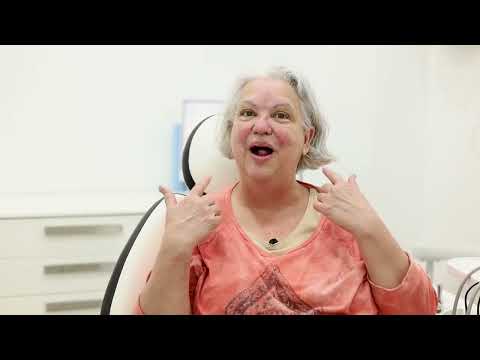













Share this listing